Safari Packing List for Kids - What to Pack for a Family Safari
Our family safari experts share what children really need for an unforgettable African adventure.

Kate
Swap the everyday for wild spaces, dusty trails and endless adventure…
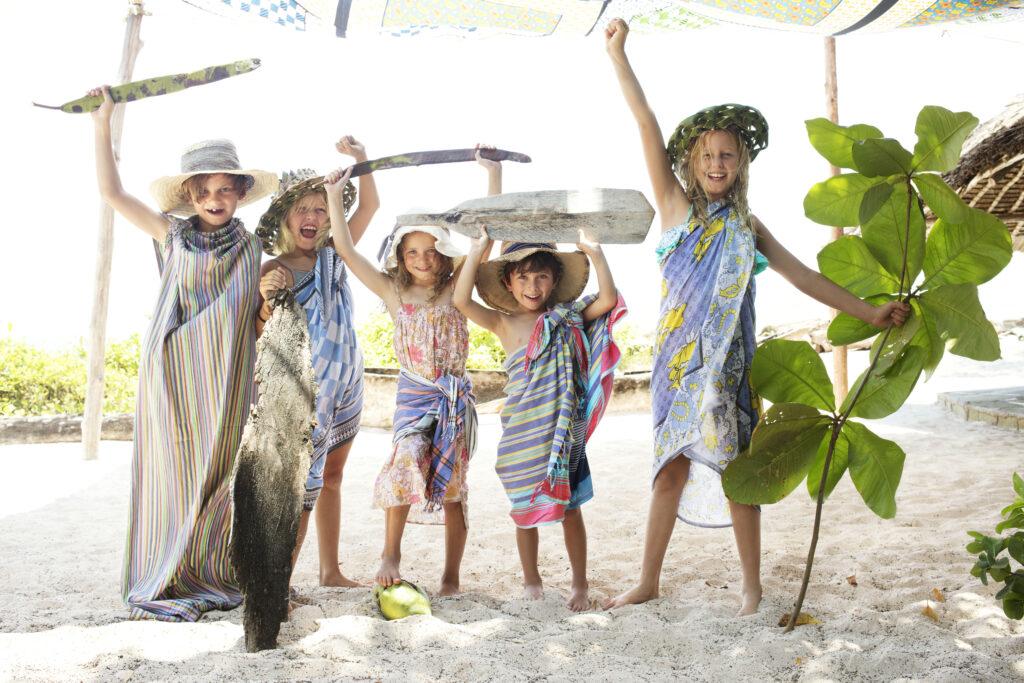
A safari with children is an invitation to let go, get outside and embrace a little wildness.
Dusty toes, wind in your hair on an open-sided game drive, evenings around the campfire beneath a sky full of stars and the simple freedom of being surrounded by nature.
For children especially, Africa is a place that seems to tap straight into their natural instinct to explore, discover and ask questions.
Safari life is wonderfully informal and there is no need to pack an outfit for every occasion or worry about keeping everyone pristine. Children can get messy and wonderfully absorbed in their surroundings.
The good news is that what to pack for a safari with kids is much simpler than you might think. Most camps offer laundry, days are spent outdoors and the focus is on comfort and practicality. A few well-chosen layers, comfortable shoes, sun protection and some things to keep curious minds engaged will go a long way.
We’ve put together our safari packing list for kids with the practical essentials, a few things that can make life easier and some of our favourite ideas for helping children get the most from their adventure from nature journals and binoculars to favourite snacks and their very own head torch.
Every family and itinerary is different, of course, so think of this as a helpful guide rather than a strict checklist. Once we’ve designed your safari, we’ll talk you through exactly what you’ll need for your particular trip.
Travel Documents
Make sure you have passports, tickets, travel insurance details and your safari itinerary easily accessible, along with any visas/e-visas and medical documents required for the countries you’re visiting.
For families travelling with children, there can be additional documentation to consider. Depending on your destinations and circumstances, you may need birth certificates or other documentation when travelling with children.
Don’t worry about working it all out yourself. As part of our tailor-made service, we’ll advise you on the documentation and entry requirements you’ll need for your family and itinerary, including visas and any additional paperwork.
Comfortable Clothes and Layers
The key is comfortable clothing that can be layered and easily adapted as temperatures change throughout the day.
A hat is essential, ideally one that has a chin strap or string for younger children, wide brimmed or a peaked cap.
Wraparound sunglasses can also be particularly useful on dusty game drives in open vehicles, protecting little eyes from the sun and dust.
Comfortable footwear such as trainers or hiking shoes are usually more useful than heavy walking boots. They’re ideal for running around camp, bush walks and protecting little feet from thorns.
Flip flops or sandals are useful around the pool, in your room or for beach extensions.
Warm and cool clothes
Don’t underestimate how chilly an early morning game drive can feel. A cosy fleece and warm hat or buff are essential for dawn and dusk, particularly for younger children.
Layers are your best friend because temperatures can change quickly over the course of a day. Zip-off trousers can work particularly well, while lightweight puffa jackets are brilliant for safari because they pack down small but provide plenty of warmth.
Lightweight windproof jackets are also the perfect way to keep warm in an open vehicle and for the occasional rain shower.
As a very general guide, you can expect temperatures around 10–14°C (in the 50s°F) at night around 22–31°C (in the 70s or 80s°F) during the day, although this varies considerably between destinations and seasons.
For little ones, a fleece onesie over their pyjamas can be a game-changer for those early morning drives, helping you get everyone out the door and into the bush without any chilly negotiations!
And don’t worry about packing a fresh outfit for every day. Most camps and lodges offer complimentary laundry services.
Swim Gear
Many safari lodges and camps have swimming pools, and some safari destinations offer wonderful opportunities for river or lake activities.
If you’re adding a beach stay to your safari, rash vests are particularly useful for children in the strong African sunshine.

First Aid Kit & Health Essentials
A small family first-aid kit is always useful. Child-friendly or natural sunscreen, high-factor lip balm with SPF, wet wipes, plasters, personal medication and rehydration salts.
Eye drops are also a great addition for dusty game drives and days in the sun!
Insect repellent with 30-50% DEET is effective however there are natural alternatives we can advise that work well if you would prefer to avoid DEET.
If you’re travelling in a malaria area, we’ll discuss this with you as part of your safari planning. Most camps and lodges have mosquito nets over the beds, and your accommodation will advise on the precautions appropriate for that particular destination.
For any specific medical or malaria advice, we recommend speaking to your doctor or travel health professional before travelling.
Discover our malaria free destinations perfect for family safaris.
Entertainment for Downtime
One of the lovely things about safari is that children often need far less entertainment than they do at home. There is plenty to look at, listen to and discover.
That said, a few familiar comforts can make longer journeys and quiet afternoons easier.
For little ones, this might be a favourite toy, sticker books or activity books.
Older children may enjoy card games, books or a small travel game that the whole family can play together.
Tablets can be useful for long journeys, particularly with teenagers, although we’d always suggest preloading anything you might need. Wi-Fi can be slow or unavailable in remote camps, so Kindles, Yoto players and other preloaded devices can be useful, and don’t forget your headphones!
A flexible Frisbee or small soft ball is another simple favourite. It’s perfect for downtime and can quickly turn into a family game around camp.
Nature Journal & Children’s Field Guides
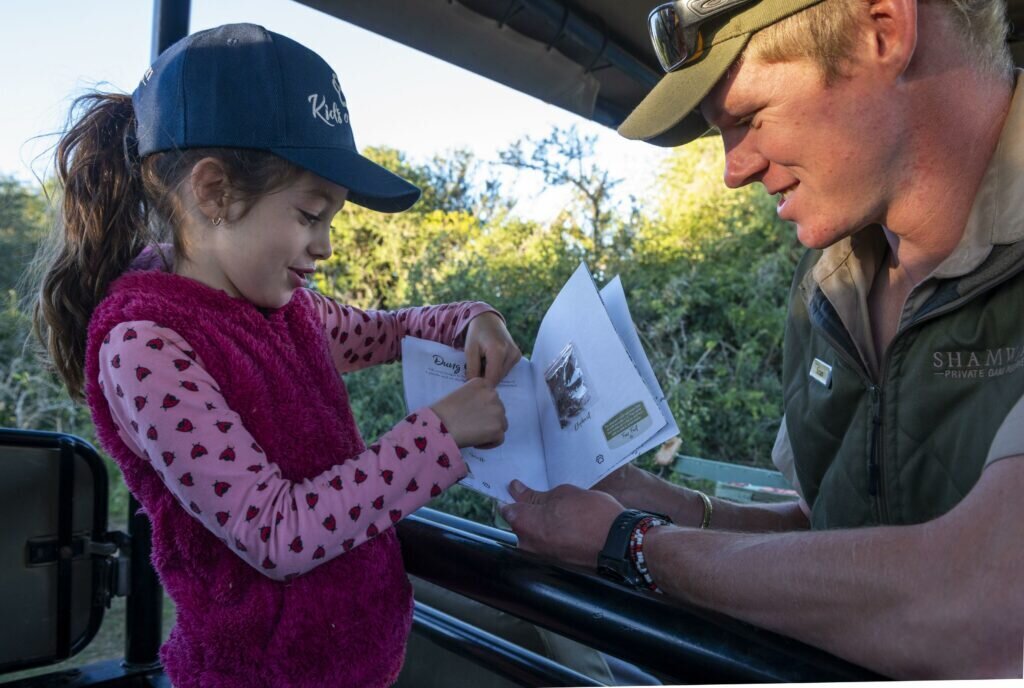
If there is one thing we’d particularly encourage you to pack for children on safari, it’s a notebook or nature journal.
Safari is such an extraordinary opportunity for children to slow down and really observe the world around them. They can sketch the animals they see, make notes about their sightings, stick in a fallen feather or leaf, add Polaroid photographs or simply write down something funny their guide told them.
Some children will turn it into a beautiful wildlife diary; others might prefer a simple tick list of everything they’ve spotted.
A child-friendly wildlife field guide can be a wonderful companion too, helping children identify animals, birds, plants and insects and encouraging them to ask their guide questions.
Cameras and Binoculars
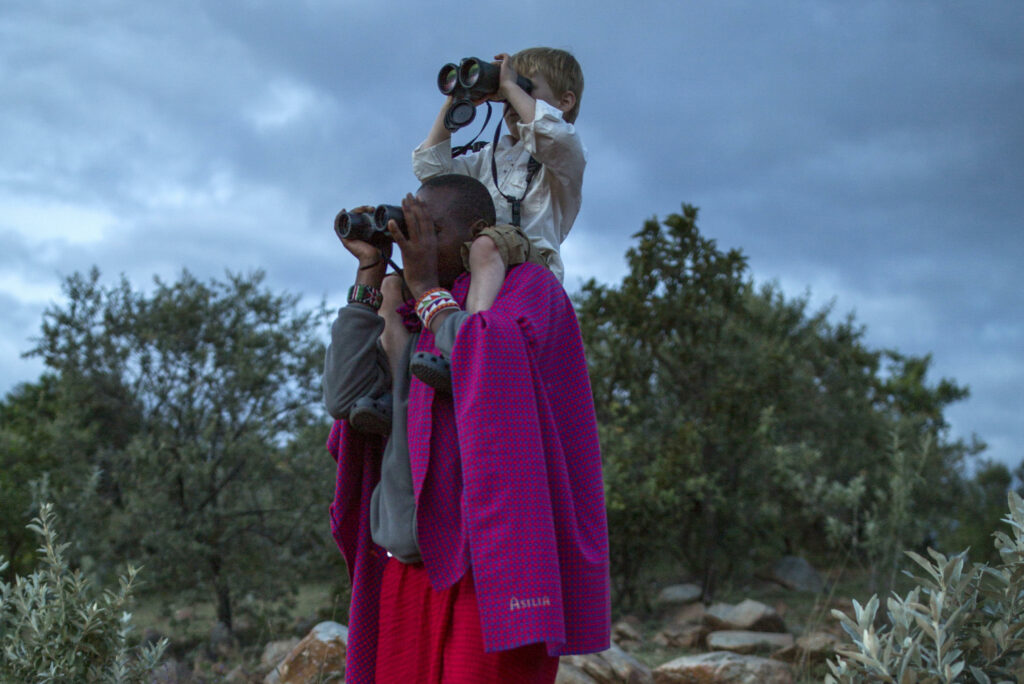
Children don’t need expensive equipment to enjoy photography or wildlife watching.
A simple, easy-to-use camera can give them their own way of capturing the experience, while a pair of binoculars makes it much easier to spot distant animals and birds.
An instant Polaroid-style camera can be particularly fun. Adding to their nature journal or a lovely way of encouraging interaction and communication when visiting local villages or communities, where sharing a photograph can become a memorable part of the experience.
Torches
A small torch is useful around camp, but children absolutely love having their own head torch.
They are brilliant for finding your way around camp or back to your tent after dinner, and for spotting some of the smaller nocturnal creatures that come out after dark.
A rechargeable night light can also be a lovely addition for younger children who are not used to sleeping in a tent or unfamiliar room. It can make bedtime feel that little bit more familiar.
Snacks!
Never underestimate the importance of a few favourite snacks!
Safari lodges are generally very good at catering for children and will happily accommodate individual preferences and dietary requirements. However, having a few familiar snacks from home can be reassuring, particularly for younger children or during long transfers.
Refillable Water Bottles
Most camps provide water bottles for game drives and walks, but younger children may find it easier and more comfortable to have their own familiar bottle.
A Little Day Backpack
We love giving children their own small day backpack for safari. It encourages a little independence and means they can carry the things they need for the day themselves.
Depending on their age, this could contain their binoculars, water bottle, nature journal, field guide, pencil case and a couple of favourite snacks.
It becomes their own little safari kit and gives them a sense that they’re part of the adventure rather than simply being passengers.
Electronics and Charging
Don’t forget the practical technology!
A plug adaptor, portable battery charger and spare batteries can all be useful, particularly if you’re travelling between remote camps.
Most camps have charging stations, although power supplies can occasionally drop or charging points can be limited when everyone returns from a game drive at the same time.
Much of East Africa uses the same three-pin plug as the UK, although this varies by country, so we’ll advise you on what you’ll need for your particular itinerary.
Don’t Overpack!
This is probably our most important piece of packing advice.
Safari is wonderfully relaxed and informal, and most camps offer laundry, so you really don’t need to take everything the children own.
Soft-sided luggage is usually required for light-aircraft flights, and luggage allowances can be surprisingly restrictive.
The exact requirements vary depending on your itinerary, so we’ll advise you on luggage allowances and what to bring once we’ve planned your safari.
For the wider list of clothing and essentials you’ll need for your trip, take a look at our Complete guide to what to pack for a safari.
The Most Important Thing to Pack? Curiosity.
Of course, the practical things matter. But if there is one thing we’d encourage every child to bring, it’s curiosity.
Bring the binoculars. Pack the notebook. Let them ask their guide a hundred questions. Encourage them to look at the tiny things as well as the elephants and lions.
Some of the moments they remember most may not be the Big Five sightings at all. It might be finding a chameleon, learning how dung beetles navigate, hearing a lion roar in the darkness or discovering their first constellation in an African night sky.
That’s the magic of a family safari. With a little thoughtful packing, everyone can be comfortable, prepared and ready to enjoy every moment.
Planning an African safari with children? Check out our complete guide.
Talk to our family safari specialists and we’ll help you work out exactly what you’ll need for your particular adventure.
Some images used in this blog are the property of our partners. Please contact us for more details.