What to Pack for a Safari
Delve into some of the most important items to include on your safari packing list

Mike
What to Pack for a Safari: The Essential Safari Packing List
Packing for a safari is rather different from packing for an ordinary holiday. You’re likely to be spending your days outdoors, moving between camps, climbing into open-sided safari vehicles and perhaps heading out on foot, so comfort and practicality matter far more than having a perfectly coordinated wardrobe.
The good news? You probably need much less than you think.
Safari is wonderfully relaxed. Most camps and lodges offer laundry, and unless you’re combining your safari with a city or beach stay, there is very little need for smart clothing. What matters is having the right layers for changing temperatures, comfortable footwear, protection from the sun and a few useful things that will make your days in the bush even more enjoyable.
We’ve put together our What to Pack for a Safari guide based on the things we know are genuinely useful rather than a list of everything you could possibly squeeze into a suitcase.
And, of course, every safari is different. Once we’ve designed your itinerary, we’ll advise you on the specific clothing, luggage and equipment you’ll need for your particular adventure.
Travel Documents
Let’s start with the essentials you really don’t want to discover you’ve left at home!
Keep your passport, travel insurance details, e-tickets, visas or e-visas and safari itinerary somewhere easily accessible, rather than buried at the bottom of your main luggage.
If you’re travelling with children, there may also be additional documentation required, such as birth certificates or consent documentation depending on your circumstances and destination. We’ll talk you through everything you need before you travel.
It can be useful to keep your important documents together in one travel wallet, with digital copies stored securely on your phone as a back-up.
We also provide you with a full itinerary and all your necessary travel documents in one easy app.
What Clothes Should You Pack for a Safari?
This is probably the question we get asked most and our answer is nearly always keep it comfortable and keep it simple.
You’ll be spending much of your time outside, and clothes that allow you to move easily, cope with dust and adapt to changing temperatures are far more valuable than anything too precious.
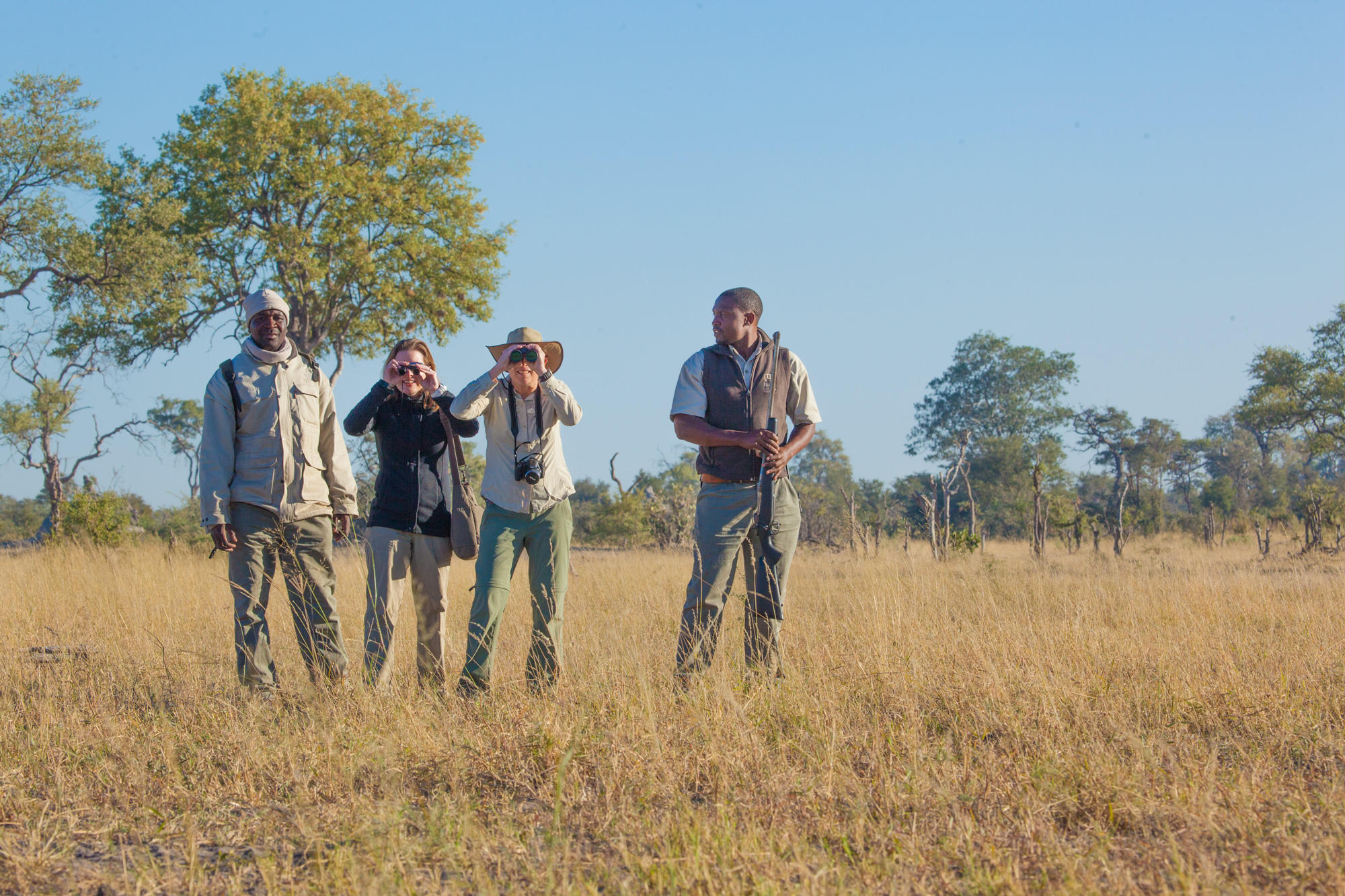
Lightweight, breathable tops, shorts, lightweight trousers and long-sleeved shirts are all useful. Long sleeves and trousers can provide extra protection from the sun and insects, particularly when you’re walking.
Dress in Layers
Africa can surprise you with its temperature changes.
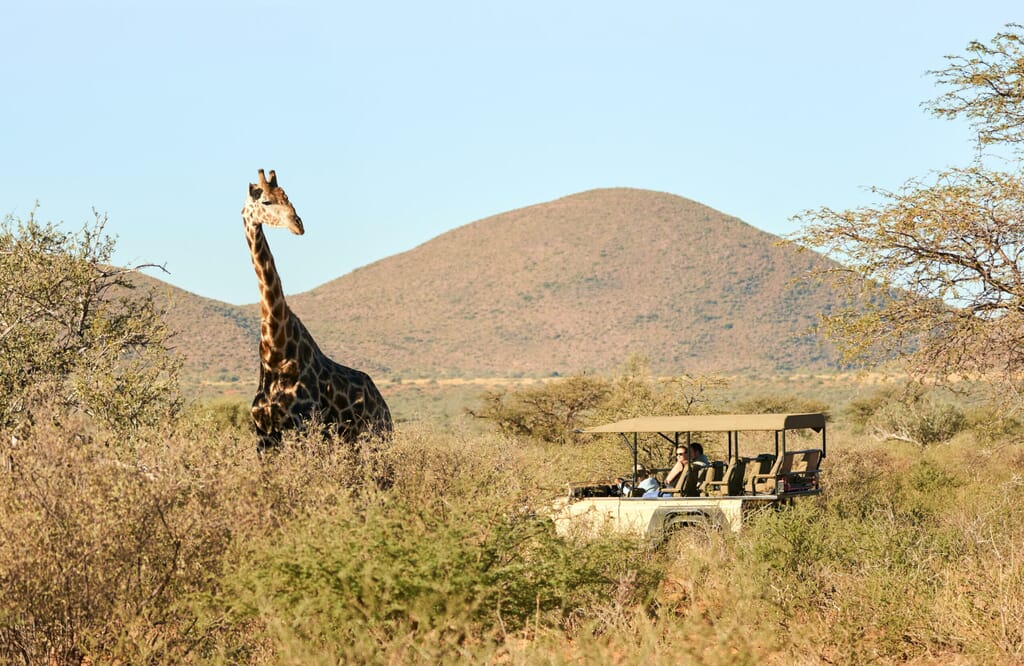
An early morning game drive can be surprisingly chilly, particularly when you’re sitting in a breezy open vehicle. By lunchtime, you may be peeling off those layers as temperatures rise, only to want them again when the sun disappears in the evening.
A fleece, lightweight windproof jacket, scarf or buff is therefore one of the most useful things to pack for a safari. Lightweight puffa jackets are another favourite because they provide plenty of warmth without taking up much room.
The exact temperatures vary enormously between destinations and seasons, so we’ll advise you according to where you’re travelling.
What Colour Clothes Should You Wear on Safari?
You’ll often hear that you should only wear khaki on safari. Don’t worry, you don’t need to buy an entirely new safari wardrobe!
Neutral, muted colours such as khaki, olive, beige and brown are practical, particularly if you’re going walking, as they blend more easily into the natural environment. They’re also wonderfully good at hiding dust.
Most importantly, choose clothes you’ll feel comfortable wearing for several hours in a vehicle or out walking.
Swimwear
Don’t forget the swimwear! Many safari lodges and camps have beautiful pools, making a refreshing dip the perfect way to cool off between game drives.
Depending on where you travel, there may even be opportunities for a refreshing swim in a river or lake. For children, rash vests are particularly useful for extra protection from the strong African sun, especially if you are adding a beach extension.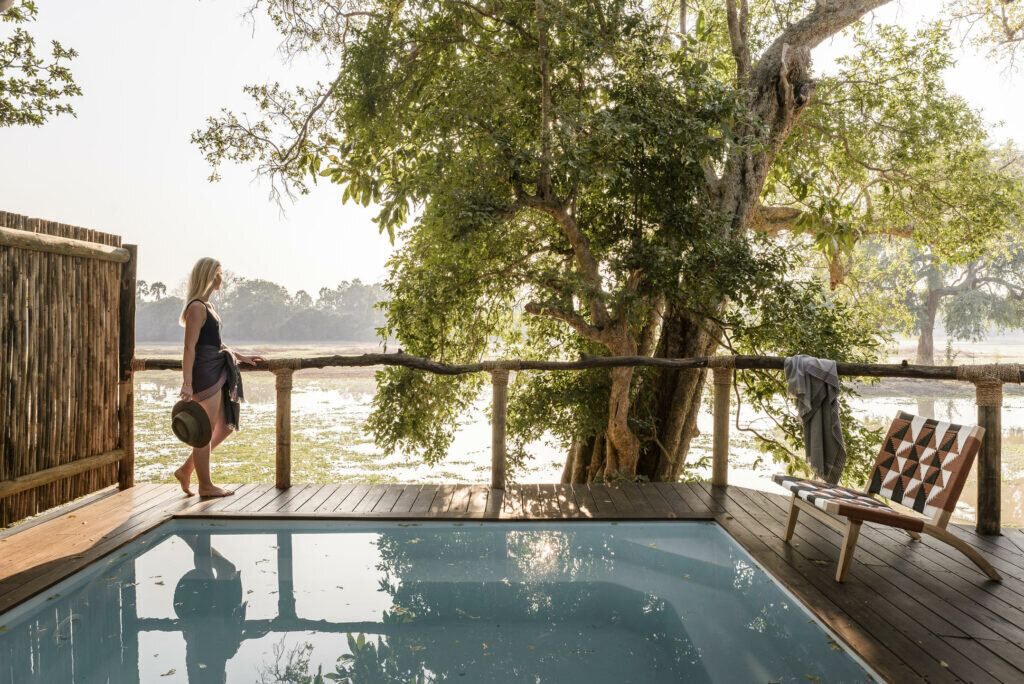
Don’t Overpack
This is one of our favourite pieces of safari packing advice.
Most safari lodges offer laundry services, so there really is no need to pack a fresh outfit for every day. A handful of versatile outfits that can be washed and worn again will usually be more than enough.
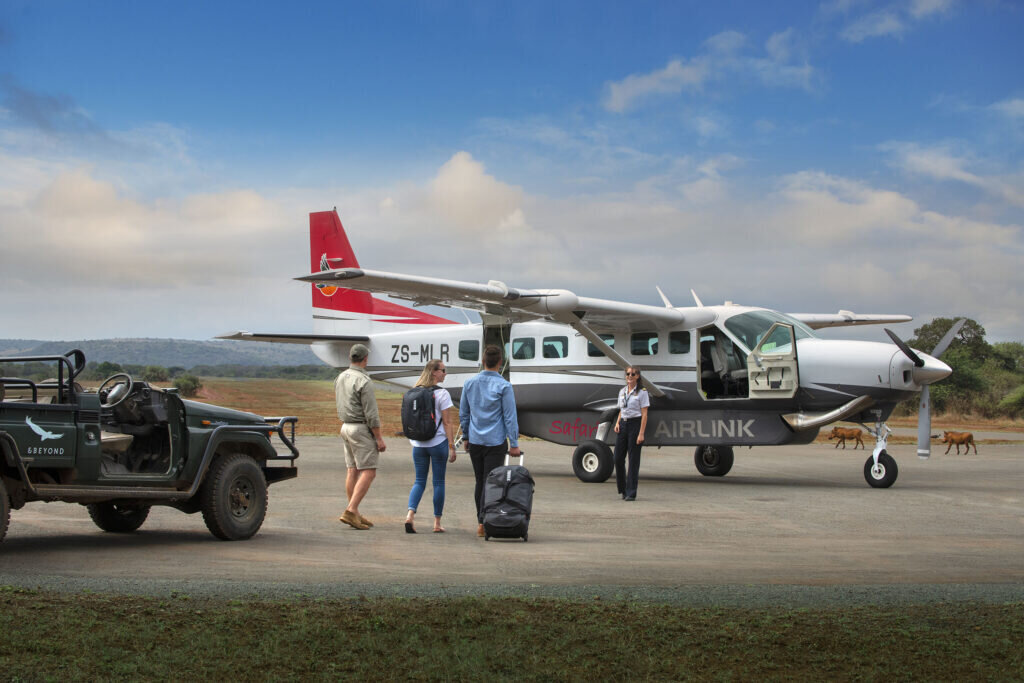
This becomes particularly important if your itinerary includes light-aircraft flights between camps, where luggage allowances can be surprisingly restrictive.
Soft-sided bags are generally required for these flights, and we’ll always let you know the luggage allowance for your particular itinerary.
What Shoes Should You Pack for a Safari?
You don’t necessarily need heavy walking boots.
For many safaris, a good pair of comfortable trainers or lightweight hiking shoes will be much more useful. They’ll see you through walking around camp, bush walks and exploring, while being comfortable enough for long days in a safari vehicle.
Sandals or flip-flops are useful around the pool, in your room or if you’re heading on to the beach afterwards.
If your itinerary includes more serious walking or trekking, we’ll advise you on the appropriate footwear particularly for activities such as gorilla trekking, mountain hikes or multi-day walking safaris.
A Hat and Sunglasses Are Safari Essentials
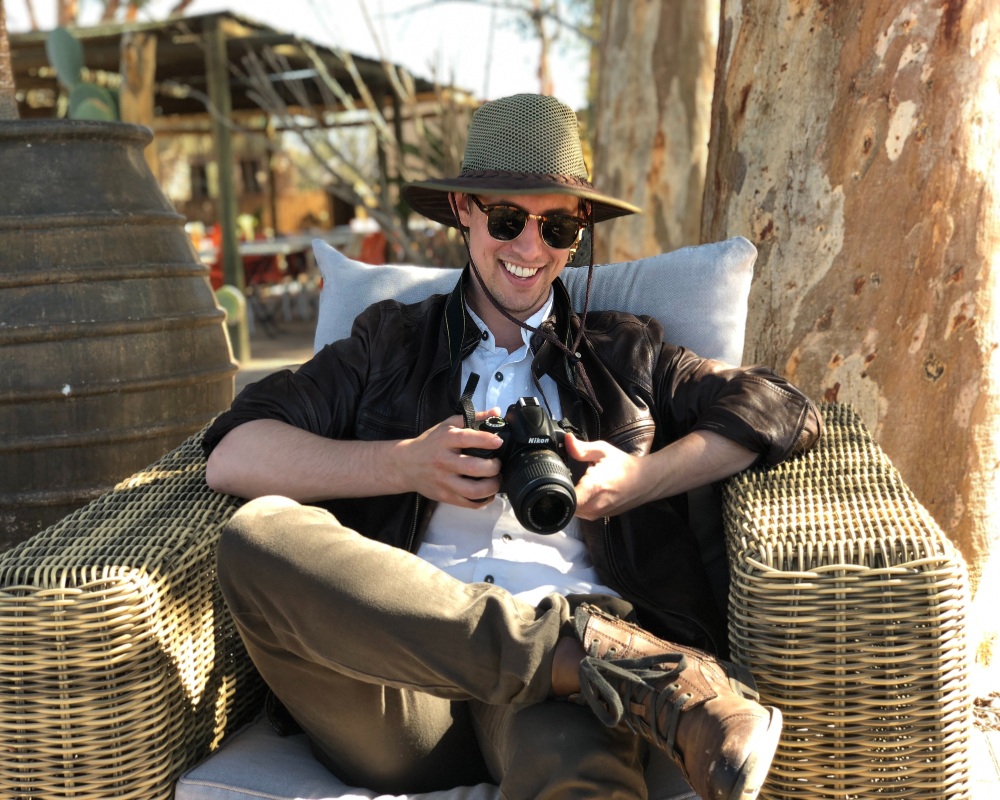
The African sun is strong, and you’ll often be outside for much of the day, so a good sun hat and sunglasses should definitely make the packing list.
A wide-brimmed or bucket-style hat gives good coverage around your face, neck and ears, while a cap can be perfectly comfortable too.
If you’re going out in an open-sided vehicle, sunglasses are particularly useful for protecting your eyes from glare and dust. Wraparound styles can be especially comfortable on windy game drives.
And if you wear prescription glasses, don’t forget them! You really don’t want to discover that the lion you’ve been waiting for is slightly blurry.
Sun Protection
High-factor sunscreen is an absolute safari essential.
It can be easy to underestimate how much sun you’re getting when you’re sitting in the shade of a safari vehicle or enjoying a gentle breeze, so remember to apply sunscreen regularly.
We’d also recommend packing high-factor lip balm, as well as a lightweight long-sleeved layer for extra protection.
Insect Repellent
Insect repellent is another useful addition to your African safari packing list, particularly in destinations and seasons where mosquitoes and other insects are more prevalent.
Long trousers and sleeves can provide an additional layer of protection in the evenings, and some travellers prefer natural alternatives to DEET. We can advise you on what is appropriate for your destination.
Many camps also take their own precautions, with mosquito nets over beds and other measures in place, particularly in areas where malaria is present.
First Aid and Personal Essentials
Your safari guide will generally carry a comprehensive first-aid kit, so you don’t need to pack a mini pharmacy.
A small personal kit containing plasters, antiseptic cream, hand sanitiser, painkillers, any regular medication and anything else you personally rely on is sensible.
If you have particular allergies, medication preferences or children’s medicines you know you’ll need, bring your own rather than hoping to find them at your destination.
Rehydration salts can also be useful, particularly in hot climates.
Binoculars: One Thing We Really Recommend
If there’s one item we’d encourage every safari traveller to take, it’s a good pair of binoculars.
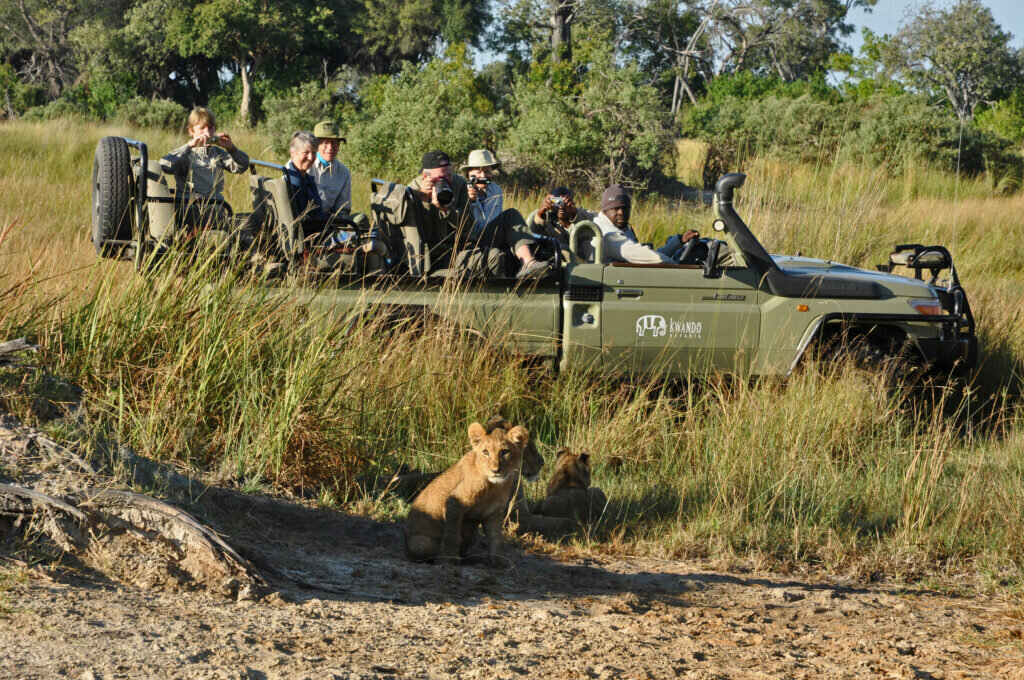
Yes, your guide will have a pair. Yes, you’ll often get incredibly close to wildlife. But binoculars allow you to start looking for yourself. A tiny bird in a distant tree, a leopard half-hidden in the grass or the details of an elephant’s behaviour at a waterhole.
For children, binoculars can be particularly wonderful because they give them an active role in wildlife spotting.
Camera and Photography
Of course you’ll want to take photographs.
Your phone can capture plenty, but if wildlife photography is important to you, a camera with a decent zoom lens can make a huge difference when animals are some distance away.
Don’t worry too much about getting the perfect photograph, though. Some of the best safari moments are the ones where everyone simply puts the camera down and watches.
And remember to bring spare batteries, memory cards and a portable power bank, particularly if you’re travelling between remote camps.
What About a Raincoat?
Always pack a lightweight waterproof jacket.
Even during traditionally dry periods, showers can happen, and during the green or rainy seasons a waterproof layer can be invaluable.
A lightweight jacket is ideal because it takes up very little room in your luggage but can make all the difference when the heavens open during a game drive or walking activity.
Do You Need to Pack Smart Clothes?
Possibly one or two.
Safari camps are generally very relaxed, even at the more luxurious properties, so you certainly don’t need a formal wardrobe.
However, if you’re combining your safari with Cape Town, Nairobi, Johannesburg or another city, or perhaps heading to the coast or Zanzibar afterwards, you may want a couple of slightly smarter outfits.
Equally, some of our favourite luxury lodges are lovely places to sit down for dinner after a day in the bush, so it’s nice to have something other than dusty safari trousers if you fancy dressing up a little.
A Few Extras Worth Packing
There are a handful of smaller things that can be surprisingly useful:
- Refillable water bottle
- Small daypack
- Head torch or small torch
- Portable battery charger
- Travel adaptor
- Lip balm
- Eye Drops
- Hand sanitiser
- Lightweight waterproof
- Small notebook or journal
- Field guide
A small daypack is particularly useful for walks and game drives, giving you somewhere to keep your water, binoculars, camera and layers.
And if you’re travelling with children, don’t forget a few familiar comforts, favourite snacks, books or entertainment for longer journeys.
What Not to Pack for a Safari
Perhaps the most useful packing advice we can give is knowing what to leave behind.
You don’t need a huge wardrobe. You don’t need heavy boots unless your itinerary specifically calls for them.
The beauty of a tailor-made safari is that we know where you’re going, how you’re getting there and what you’ll be doing. We’ll help you work out what is genuinely necessary rather than sending you off with a generic checklist that fills your suitcase.
Your Safari Packing List, Made Simple
So, what to pack for a safari?
Think comfortable clothes, versatile layers, sensible shoes, sun protection, a water/windproof jacket, insect repellent and a few things that will help you make the most of your time in the bush. Add binoculars, a camera if you enjoy photography, and a little room for the unexpected.
Most importantly, don’t overthink it.
The moment you climb into that first safari vehicle, the suitcase becomes rather unimportant. You’ll have an enormous African sky overhead, wildlife in every direction and a guide who knows exactly where to look.
We’ll make sure you’re prepared before you go so you can simply arrive, settle in and enjoy the adventure.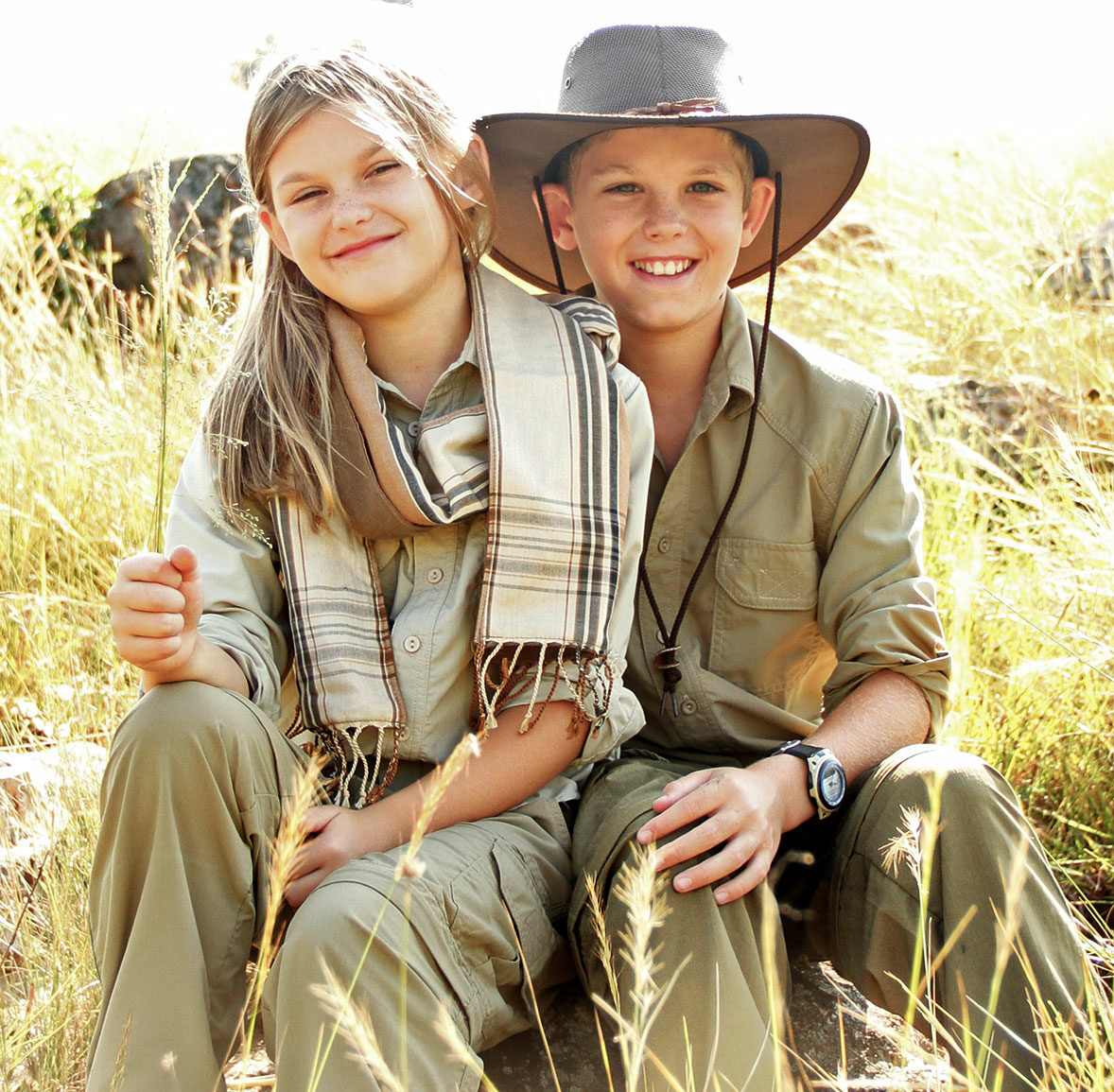
If you’re travelling with children, take a look at our separate Safari Packing List for Kids, where we’ve covered some of the additional things that can make travelling with children easier.
Planning your safari? Talk to our experienced team and we’ll advise you on exactly what to pack for your particular itinerary.
Get in touch today to turn your safari dreams into a reality.
Some images used in this blog are the property of our partners. Please contact us for more details.