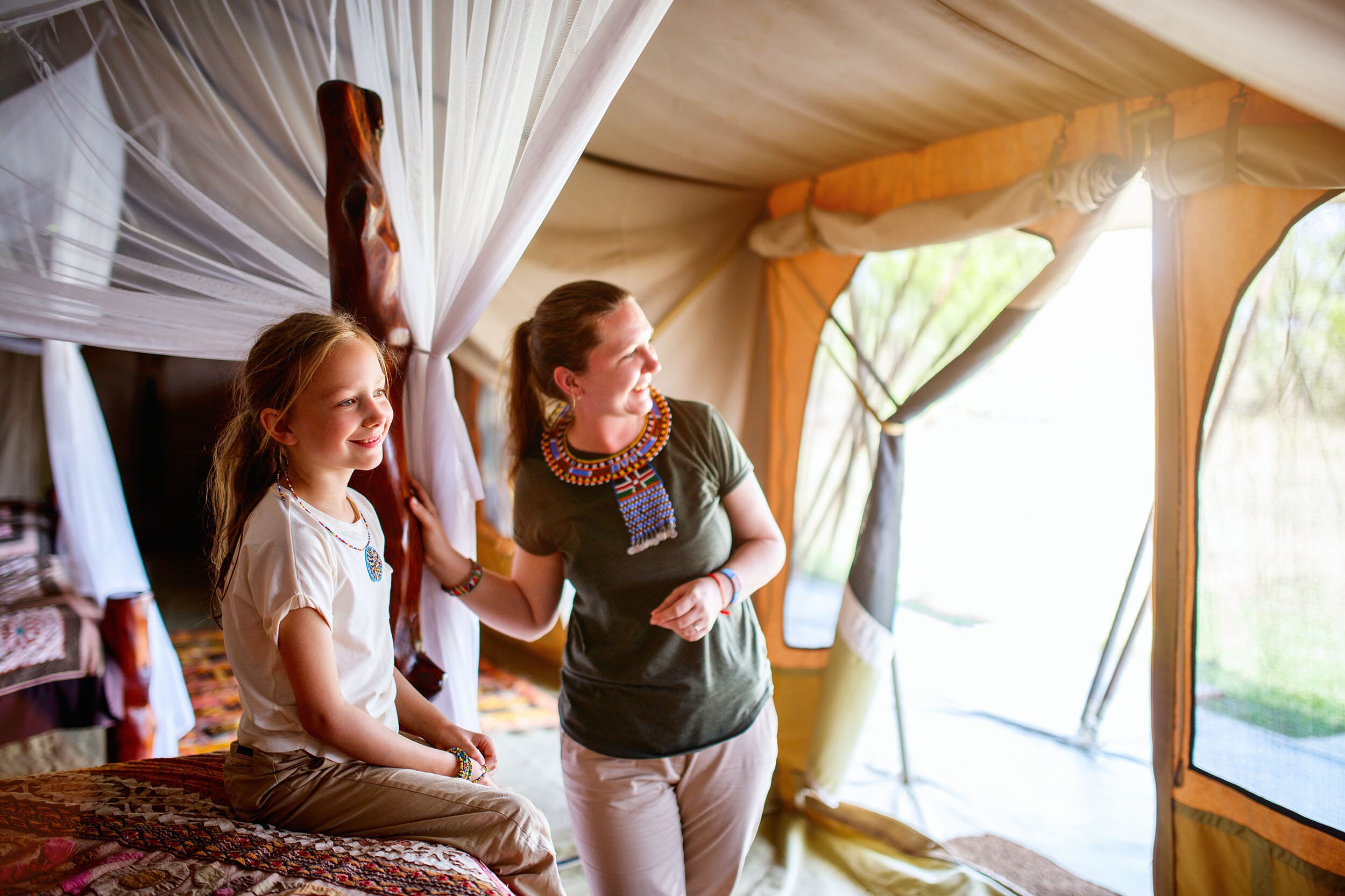

Typical Day on Safari: What to Expect from Sunrise to Sundowners
From early morning game drives and lazy afternoons to sundowners beneath African skies, discover what a day on safari is really like.

Kate
From adventure seeking early morning game drives and lazy afternoons to sundowners beneath African skies, discover what a day on safari is really like.
If you’ve never been on safari before, you may wonder what a typical day on safari actually looks like.
Do you spend all day in a vehicle? What time do you get up? What happens between game drives? And, perhaps most importantly for families, will the children enjoy the rhythm of safari life?
The wonderful thing is that safari days tend to have a natural rhythm rather than a rigid timetable.
There are early starts and exciting wildlife encounters, but also plenty of time to relax, swim, read, explore camp and simply enjoy being in the bush.
And while every safari is different, this is a little taste of what to expect on an African safari.
What time do you get up on safari?
Safari often starts early, but there is something rather magical about being woken as the African bush comes to life.
Depending on your lodge, camp and the time of year, you might be up before sunrise, with a quick cup of tea or coffee before heading out on your morning game drive.
The cooler early hours are often a wonderful time for wildlife, and the changing light can make for some spectacular sightings.
For families, we can always consider the age of your children and how they cope with early mornings when planning your itinerary.
With private guiding, there is usually much more flexibility to shape the day around your family.
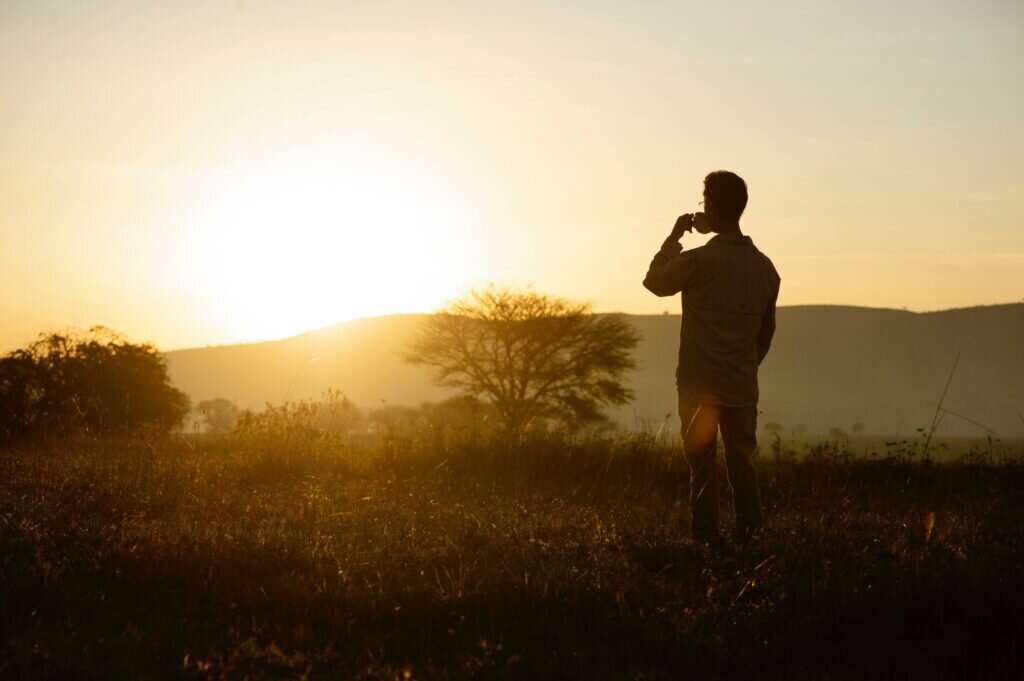
The morning game drive
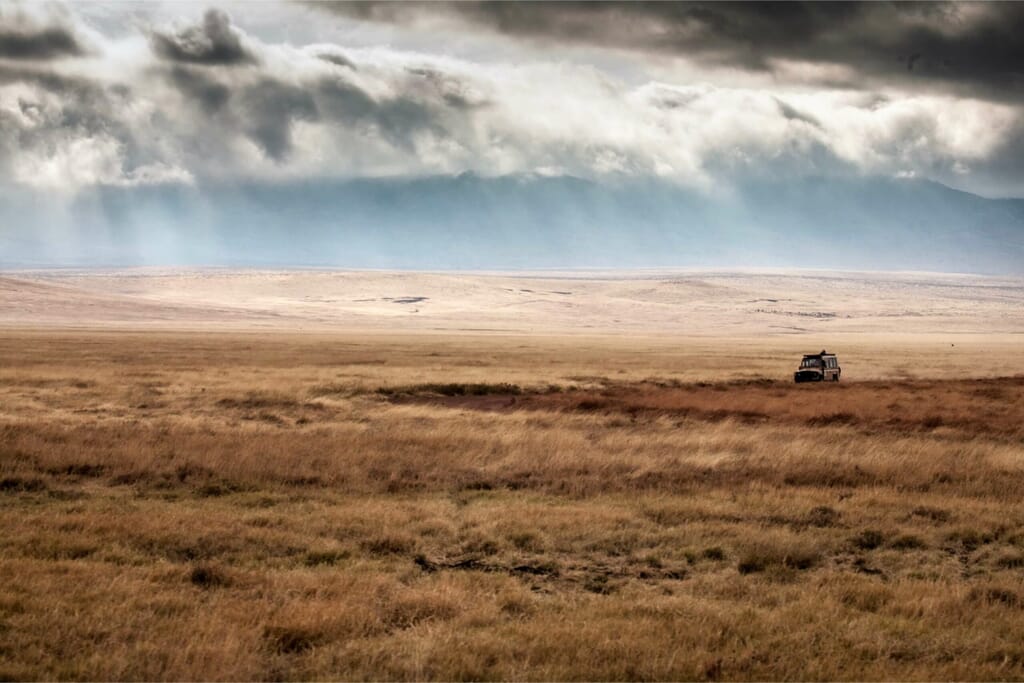
Your first game drive of the day might begin with no particular plan beyond seeing what the bush has in store.
Perhaps your guide knows where a pride of lions was seen the previous evening.
Perhaps you follow fresh tracks across the road or stop to watch elephants making their way towards water. Sometimes the most memorable sightings are completely unexpected.
A typical safari game drive isn’t simply about ticking animals off a list. Your guide will help you understand what you’re seeing, reading tracks, identifying calls, explaining animal behaviour and revealing the smaller details that might otherwise go unnoticed.
Depending on the camp and your destination, you may return for breakfast, enjoy a picnic or even stop for a bush breakfast in a beautiful spot.
What happens between safari game drives?
This is something many first-time safari travellers don’t realise, you don’t spend the whole day on safari in a vehicle.
After the excitement of the morning, there is usually time to slow down. You might have lunch, relax beside the pool, read on your veranda, watch elephants from camp or simply have a siesta.
For children, this downtime can be particularly important. They can swim, play, draw, read or enjoy some of the activities offered by family-friendly camps and lodges.
It is this balance between adventure and relaxation that makes a family safari holiday work so beautifully.
There is always something happening, but there is also time to do absolutely nothing.
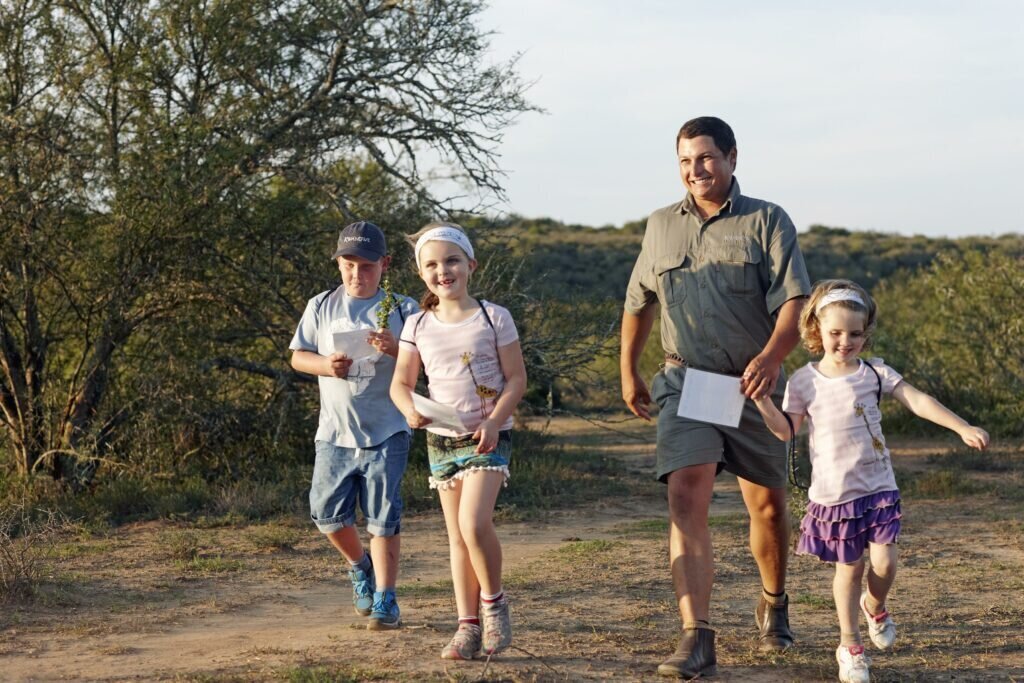
The afternoon game drive
Later in the afternoon, it’s time to head out again.
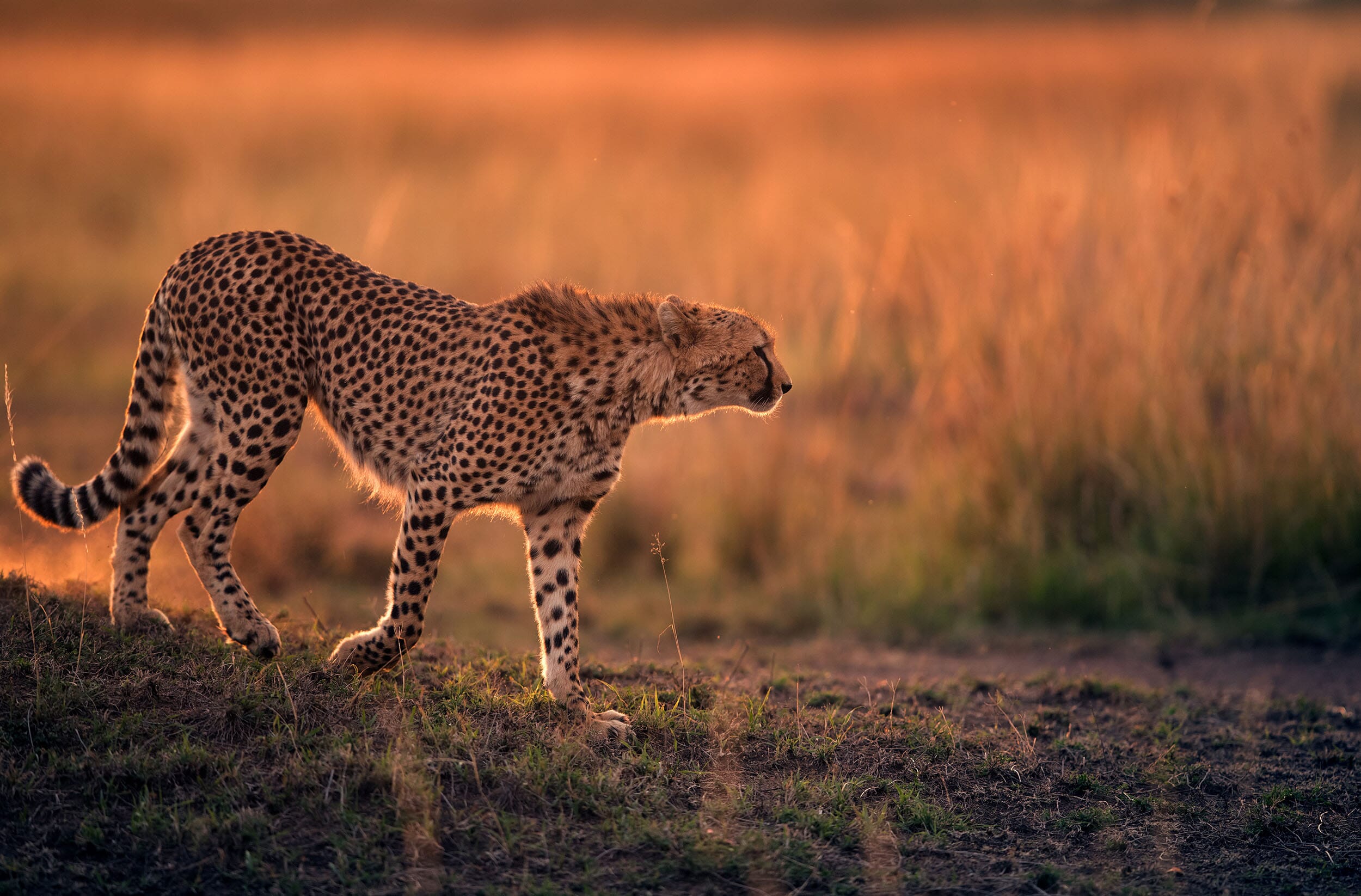
As the heat begins to soften, wildlife becomes active once more and the landscape takes on that beautiful golden glow that makes an afternoon African safari game drive so special.
You might spend time tracking animals, stop to watch a herd of elephants or simply sit quietly and see what appears.
The pace is rarely hurried. A good guide knows that sometimes the best thing to do is stop, switch off the engine and wait.
For families, this can be one of the loveliest parts of the day, everyone is together, phones are forgotten and there is a shared sense of anticipation about what might appear around the next corner.
Sundowners in the African bush
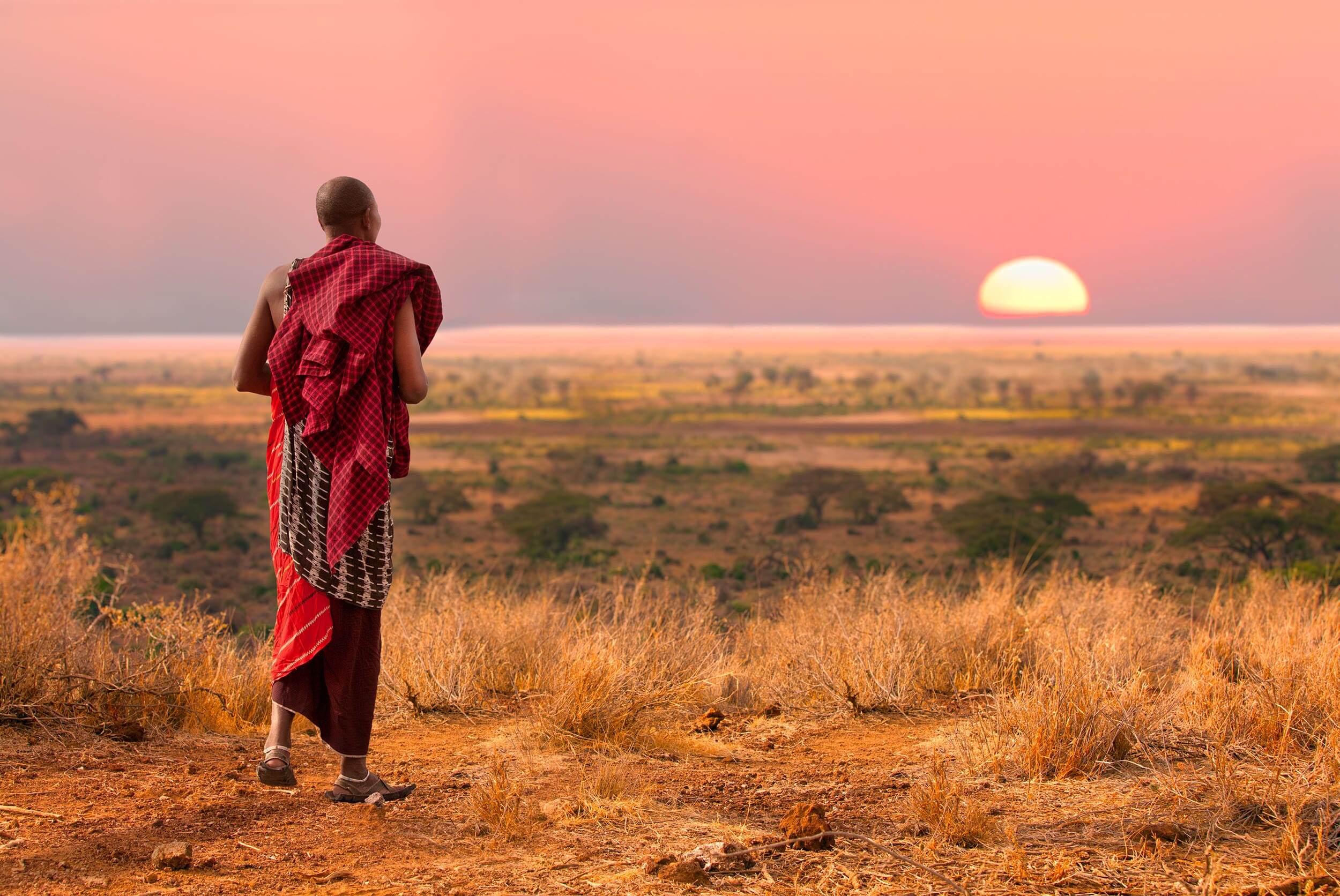
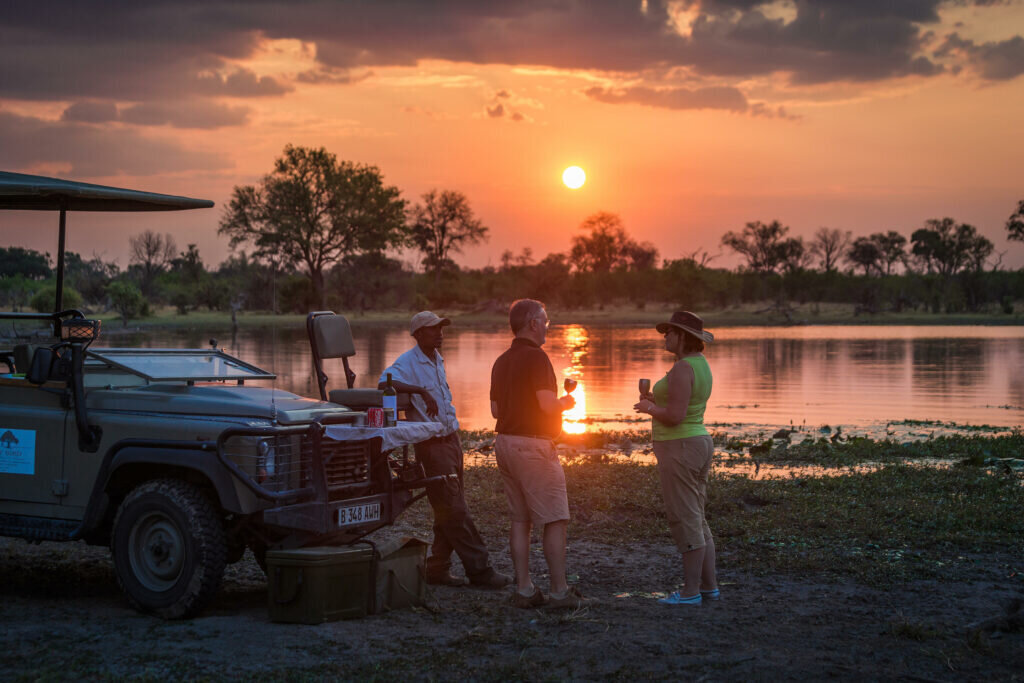
As the sun begins to set, your guide may find a beautiful spot to stop for sundowners.
There is something wonderfully simple about standing together as the sky changes colour, with nothing but the sounds of the bush around you.
For children, it can become a highlight in itself, a chance to stretch their legs, have a drink and watch the sun disappear over the horizon.
And then, as darkness falls, the experience changes again.
What happens after the game drive?
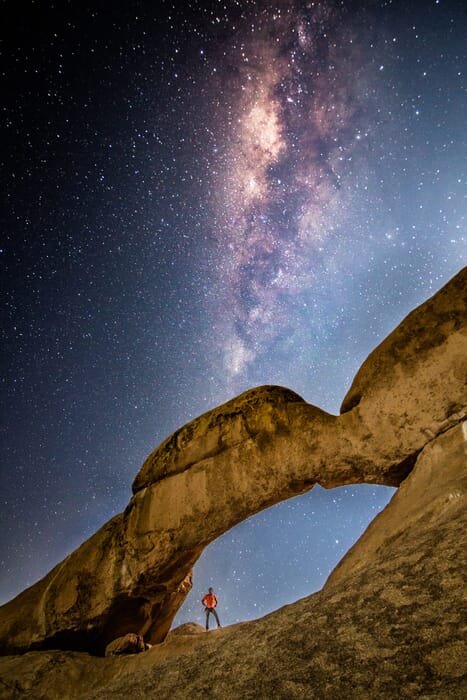
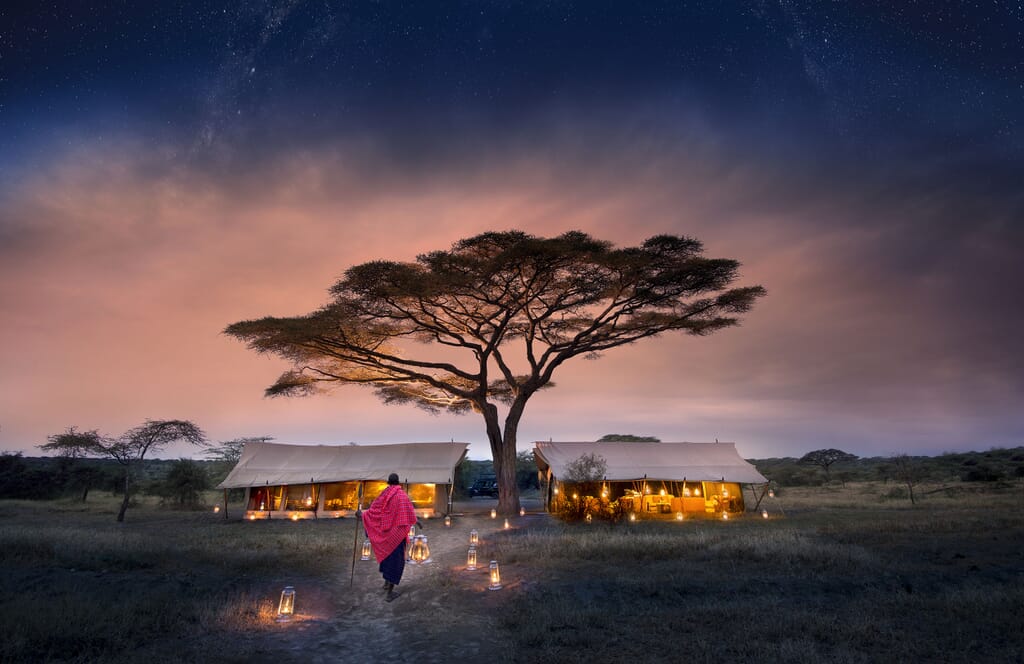
Back at camp, there may be dinner around the fire, stories with your guide or time to sit beneath an extraordinary African night sky.
Depending on your destination and camp, you may also have the opportunity to enjoy a night game drive, looking for nocturnal animals such as civets, genets, bush babies and owls.
Some camps offer activities for children in the evenings too, from learning about stars and wildlife to making crafts or enjoying stories around the campfire whilst toasting marshmallows.
Eventually, you’ll head to bed, perhaps to the distant call of a hyena or the sounds of the bush outside your tent.
And then, tomorrow, you get to do it all again.
What is a typical day on safari like with children?
A safari with children doesn’t have to mean following a strict schedule. In fact, we believe the best family safaris are those where the pace has been carefully considered around your particular family.
You might enjoy a shorter morning game drive followed by a swim, spend a full day exploring with a picnic lunch, or swap a game drive for a walking, boating or cultural experience.
Private guiding can be particularly valuable for families because it gives you greater freedom to decide how you’d like to spend your day.
You can follow the wildlife when the excitement is high, but also return to camp when younger legs, or tired parents, have had enough!
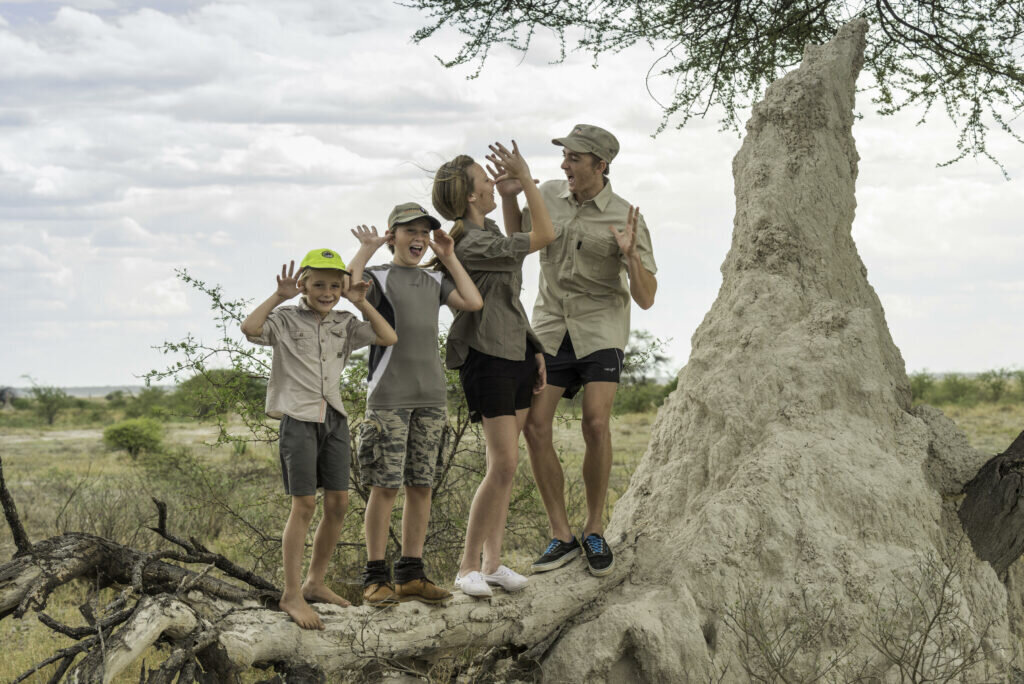
Does every safari follow the same routine?
Not at all. A typical day on safari can look very different depending on where and how you travel.
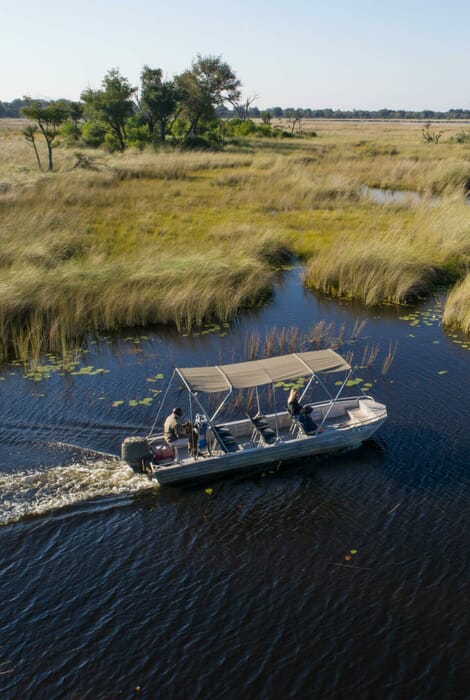
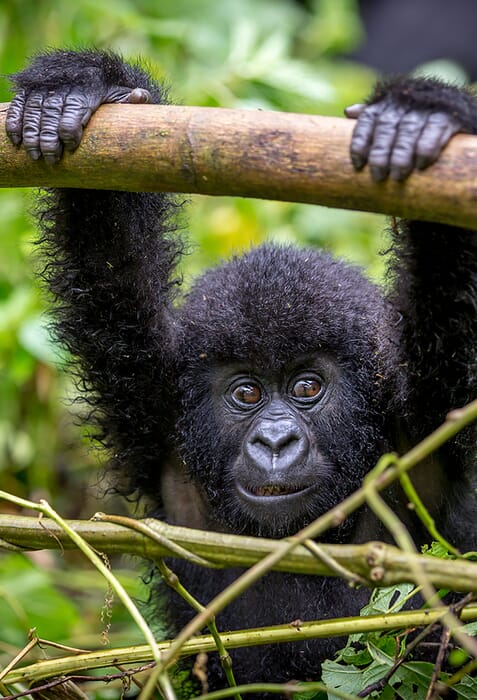
A walking safari in Zambia, a mokoro excursion in Botswana, gorilla trekking in Rwanda or a family safari in South Africa will each have their own rhythm.
That’s part of what makes safari so special. There is no guarantee of exactly what the day will bring, and that’s rather the point.
When you travel with Coral Tree, we’ll help you choose the right combination of destinations, camps, activities and pace for your family.
Whether you dream of tracking lions at sunrise, floating through the Okavango Delta, meeting local communities or simply having time together beneath African skies, we’ll create a safari that feels entirely your own.
Because a safari isn’t just about where you go. It’s about how you experience it.
Talk to our family safari specialists and we’ll help you work out exactly what you’ll need for your particular adventure.
Some images used in this blog are the property of our partners. Please contact us for more details.