When Is the Best Time to Go on Safari? A Month-by-Month Guide
Our guide to Africa's seasons, wildlife highlights and the best places to visit throughout the year.
Cameron
When is the best time to go on safari?
It is one of the first questions we are asked when a family starts planning an African adventure and understandably so.
Africa’s seasons can have a huge influence on the landscape, wildlife, weather, availability and price of your safari.
The good news is that there is something extraordinary to see throughout the year.
Perhaps you want to witness the Great Migration, watch thousands of newborn animals taking their first wobbly steps, experience Botswana’s Okavango Delta in flood or enjoy superb Big Five viewing in a quieter private reserve.
Choosing the right month can help you make the most of it.
And while the classic dry-season months are often considered the best time for an African safari, they aren’t necessarily the best choice for every family.
We often find that the quieter shoulder and green seasons can offer wonderful wildlife experiences, fewer visitors and some very attractive rates.
Here’s our guide to the best time to go on safari in Africa, month by month.
Understanding Africa’s Safari Seasons
Before looking at individual months, it helps to understand the three broad seasons you’ll hear us talk about when planning a safari.
Peak Season
Peak season generally coincides with the drier months, when vegetation is thinner, wildlife tends to gather around reliable water sources and game viewing can be particularly rewarding. In much of Southern Africa, this is roughly May to October, while Kenya and Tanzania have their main dry season between June and October.
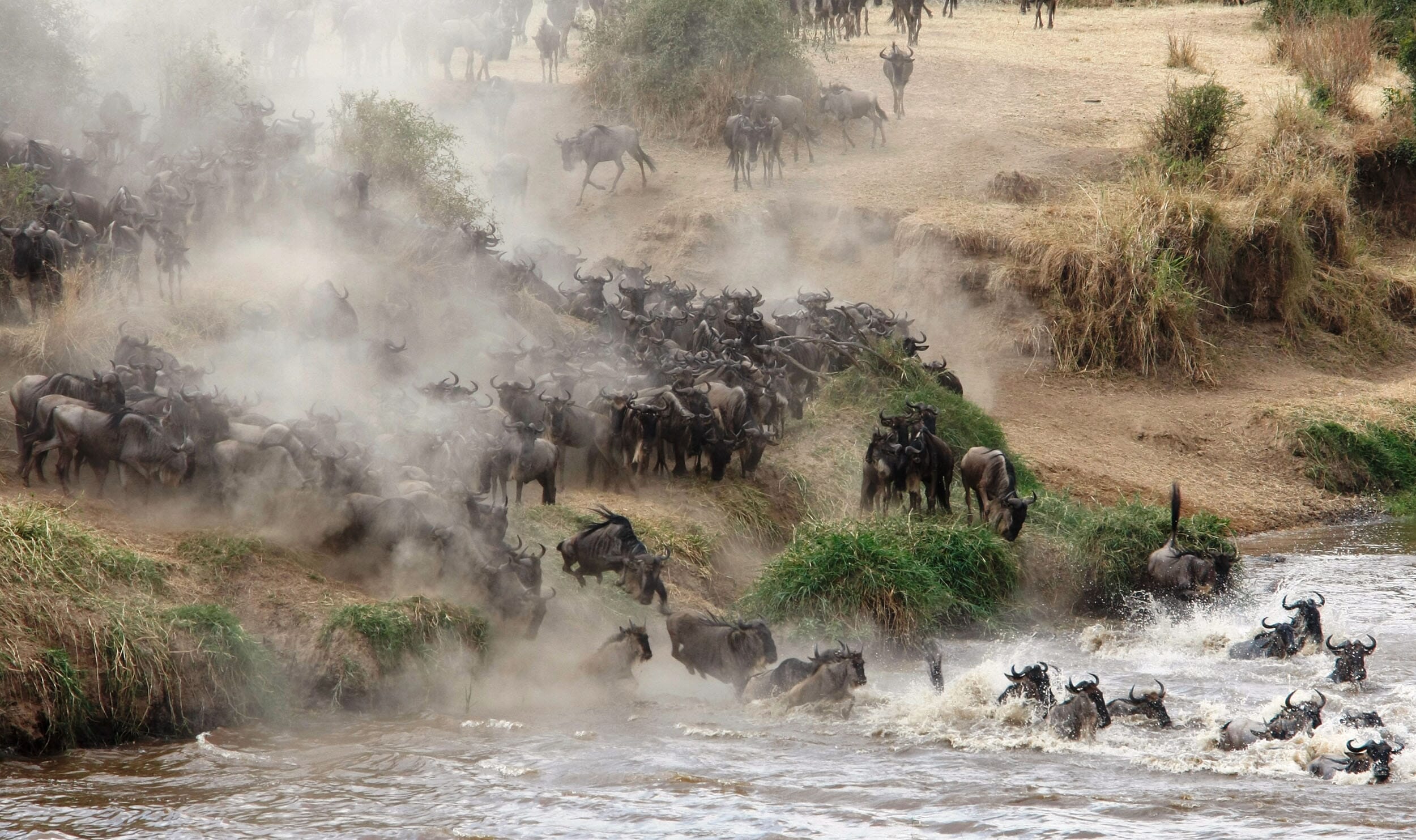
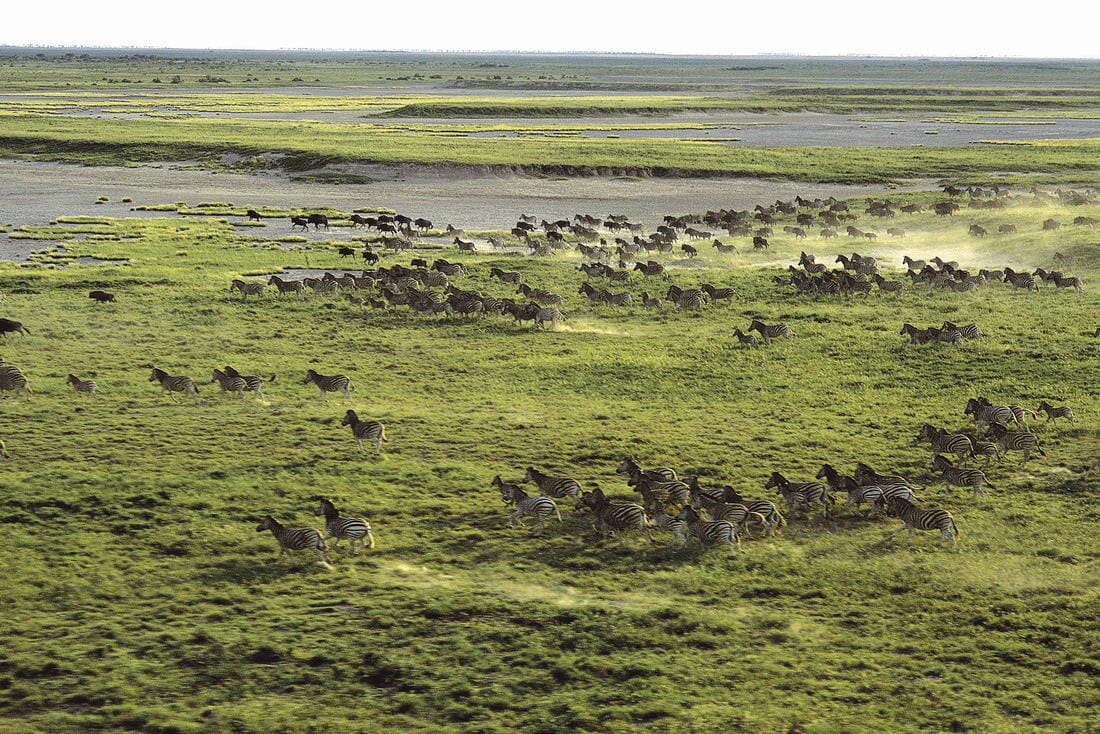
July to September are particularly popular for Kenya and Tanzania family safaris, thanks to excellent wildlife viewing and the possibility of witnessing the Great Migration in the Masai Mara and northern Serengeti.
Peak season can mean higher prices and greater demand, particularly during school holidays, but the experience can be exceptional.
Shoulder Season
Shoulder season sits between the main wet and dry periods and can be a wonderful sweet spot. Weather can be more changeable, but there are often fewer visitors, greater availability and attractive seasonal rates.
May, June, October and November can be particularly interesting depending on the destination.
For families with some flexibility, shoulder-season travel can offer an excellent balance between wildlife, value and having a little more space to yourself.
Green Season
Green season brings rain, lush landscapes, dramatic skies, newborn animals and wonderful birdlife. Wildlife can be more dispersed and vegetation thicker, but the rewards can be extraordinary and camps are often quieter.
It’s particularly rewarding in South Africa, Tanzania’s southern Serengeti and parts of Botswana, depending on the experience you’re looking for. The green season can also be an excellent time for photography, with beautiful light and vibrant landscapes.
For families who don’t mind the possibility of a rain shower, green-season safari holidays can offer excellent value and a very different perspective of Africa.
The Best Time to Go on Safari: Month by Month
January – Newborn Animals and Green Landscapes
Best for: Tanzania, South Africa, Kenya, Uganda and Rwanda
January is a wonderful month for families who want to see Africa at its greenest.
In Tanzania’s southern Serengeti, the Great Migration calving season gets underway, with vast numbers of wildebeest gathering on the short-grass plains to give birth. Newborn animals inevitably attract predators, making this an exciting time for families interested in predator sightings and the circle of life.
South Africa is lush and green, with excellent birdlife and plenty of young animals. Kenya can also offer very good wildlife viewing during its relatively dry January period.
Best time of year for a safari in Tanzania.
February – Calving Season at Its Best
Best for: Tanzania, Kenya, South Africa, Uganda and Rwanda
February is one of our favourite months for experiencing Tanzania’s Great Migration calving season.
The southern Serengeti becomes a nursery, with enormous herds of wildebeest and zebra and predators following closely behind. For children, seeing newborn animals can be a particularly memorable part of a safari.
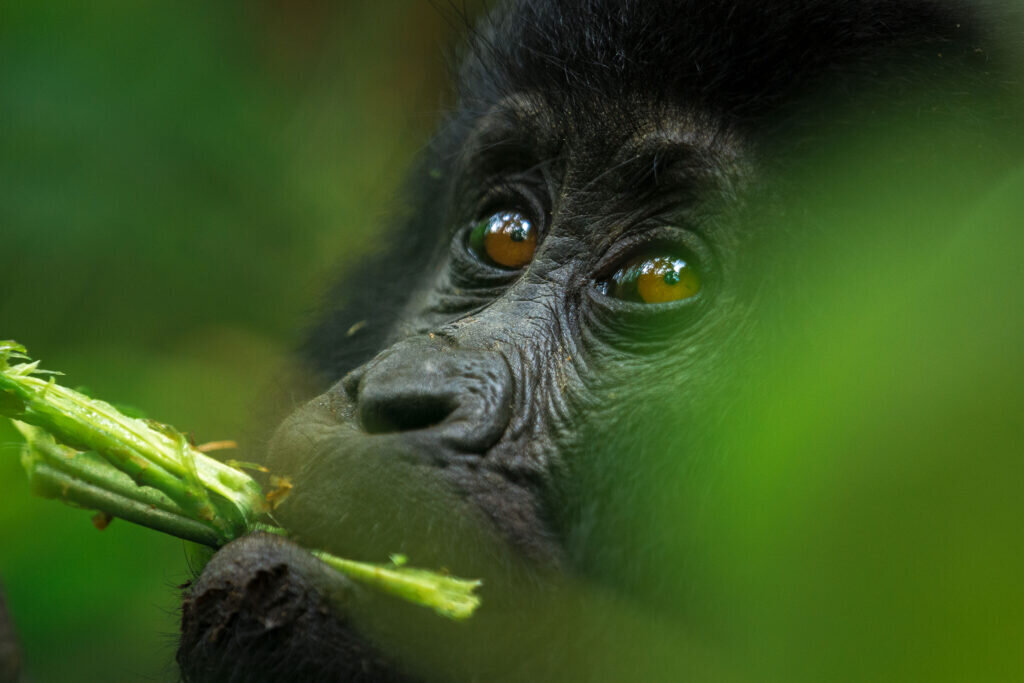
South Africa remains green and vibrant, while Uganda and Rwanda can also be rewarding for primate experiences.
March – Wildlife, Calving and Green-Season Adventures
Best for: Tanzania, South Africa and Namibia
March can still offer excellent opportunities to see the final stages of Tanzania’s calving season, although the herds begin moving north as the season progresses.
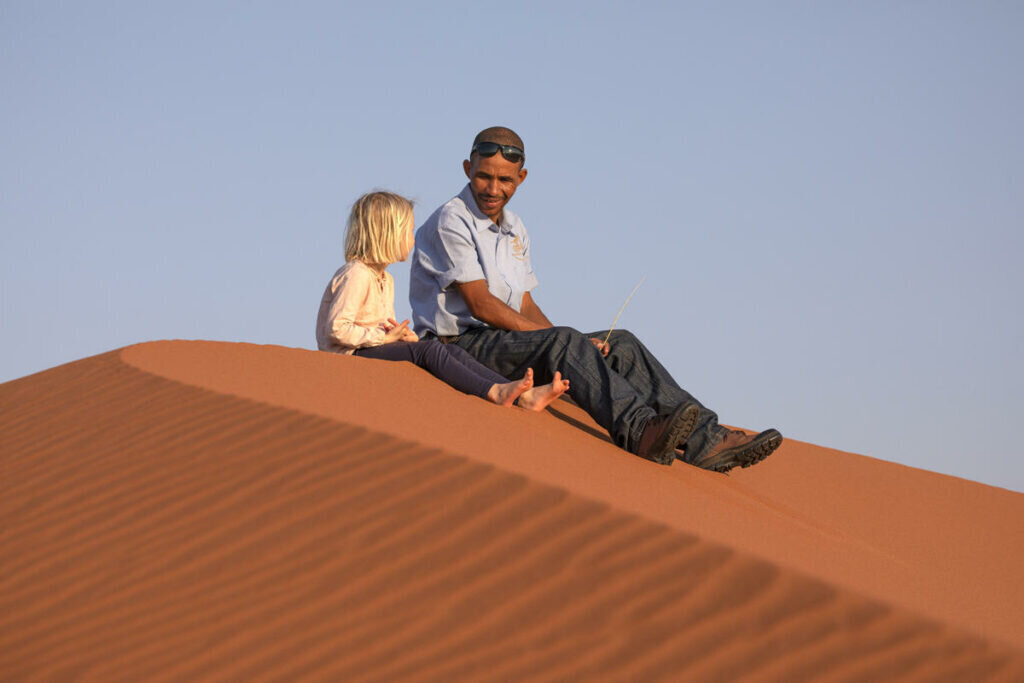
South Africa remains lush and offers good general wildlife viewing, while Namibia can be considered for families interested in landscapes and a self-drive family safari, although conditions are warmer and more changeable than in the dry season.
March is also a good month to consider if you’re looking for fewer visitors and don’t mind some rain.
April – A Quieter Side of Africa
Best for: South Africa, Botswana, Zimbabwe and parts of Southern Africa
April is one of those months we would encourage flexible families not to overlook.
The rains are beginning to ease in Southern Africa, landscapes can remain beautifully green and there are fewer visitors than during the main dry season.
It can be an attractive time for South Africa family safaris, particularly if you want to combine wildlife with Cape Town and the coast.
East Africa’s long rains make April less suitable for some safari areas, although conditions vary considerably by location.
Looking for malaria free family Safari – check out our guide.
May – The Beginning of the Classic Safari Season
Best for: Botswana, South Africa, Namibia, Zimbabwe and Zambia
May marks an exciting transition in Southern Africa. The rains have eased, temperatures become more comfortable and the bush begins to dry out.
This is an excellent time for a safari in Botswana, South Africa, Zimbabwe or Zambia, with good wildlife viewing and fewer visitors than during the height of the season.
For families looking for value without moving too far into the wet season, May can be a particularly attractive choice.
June – Dry-Season Safari Begins
Best for: Botswana, Kenya, Tanzania, Namibia, Zambia, Zimbabwe and South Africa
June is a fantastic all-round safari month.
In Southern Africa, the dry season is gathering momentum and wildlife becomes increasingly concentrated around water. Botswana’s Okavango Delta is beginning to fill, creating the extraordinary waterways for which the region is famous.
In East Africa, the dry season begins to provide excellent game viewing, and the Great Migration is moving North through the Western Corridor of the Serengeti.
June can also be an excellent month for families wanting to avoid the very highest peak-season prices of July and August.
July – Peak Safari Season and the Great Migration
Best for: Kenya, Tanzania, Botswana, Zambia, Zimbabwe, Namibia and South Africa
July is one of the most popular months for an African safari — and for good reason.
The weather is generally dry across many key safari regions, wildlife viewing is excellent and the Great Migration is moving towards the Masai Mara, with river crossings becoming possible as the season progresses.
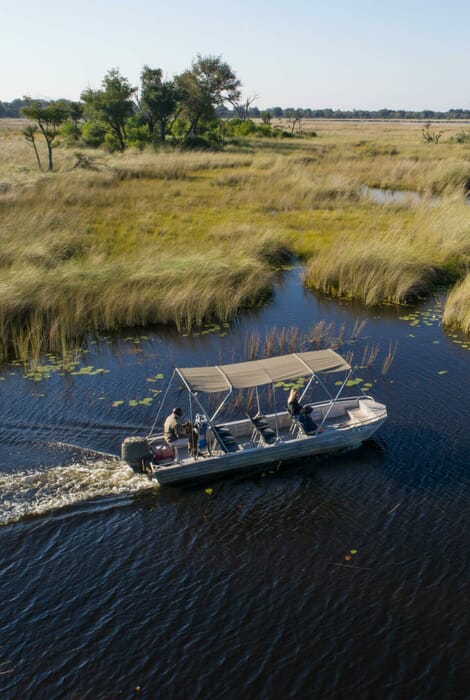
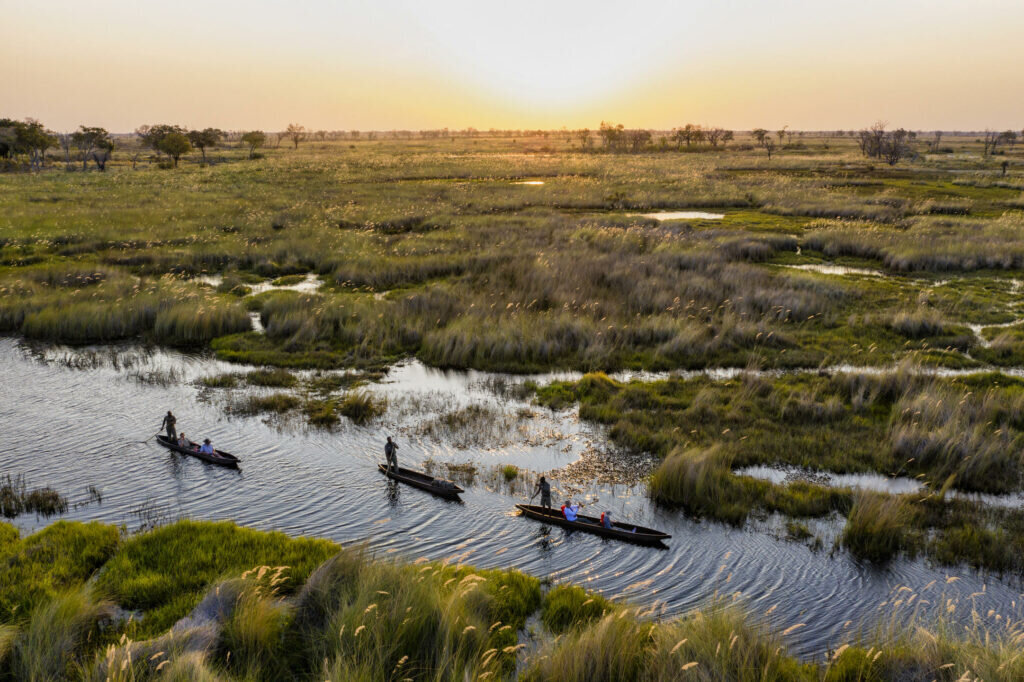
Botswana’s Okavango Delta is also spectacular as floodwaters transform the landscape into a maze of channels and islands.
July is peak season, however, so early planning is particularly important for families travelling during the school holidays.
Best time of year for Kenyan Safari.
August – Wildlife at Its Finest
Best for: Kenya, Tanzania, Botswana, Zambia, Zimbabwe, Namibia and South Africa
August is arguably one of the most sought-after safari months.
The Masai Mara and northern Serengeti can offer spectacular Great Migration viewing, while Botswana’s waterways are in full flood and wildlife is concentrated around permanent water sources.
For families, private guiding and private conservancies can be especially valuable at this time of year, allowing you to enjoy the incredible wildlife while having more flexibility and space away from busier areas.
September – Exceptional Wildlife and Fewer Crowds
Best for: Kenya, Tanzania, Botswana, Zambia, Zimbabwe, Namibia and South Africa
September continues to offer exceptional dry-season wildlife viewing.
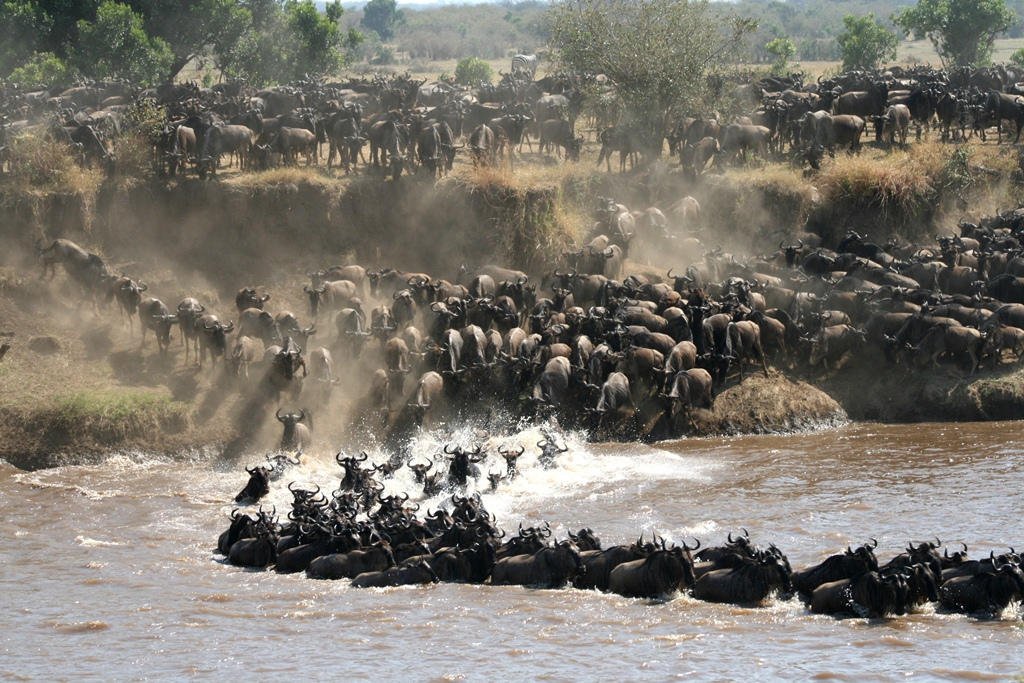
The Migration may still be moving between the northern Serengeti and Masai Mara, while Botswana remains superb for elephants and water-based experiences.
For families able to travel outside the main school-holiday period, September can be a lovely alternative to August, with slightly less pressure on availability.
October – Dry-Season Wildlife and Great Value Opportunities
Best for: Tanzania, Kenya, Botswana, Zimbabwe, Zambia and South Africa
October can be a spectacular month for wildlife as the dry season reaches its peak in many areas.
In Botswana and Zimbabwe, wildlife is increasingly drawn to remaining water sources. Tanzania and Kenya can continue to offer excellent game viewing, while the Great Migration may still be in the northern Serengeti or Masai Mara.
It can also be a useful shoulder-season option for families looking for exceptional wildlife during Half-Term without travelling in the busiest summer months.
November – Green Season Begins
Best for: South Africa, Tanzania, Kenya and Botswana
November brings the first rains to many parts of Southern Africa, transforming dry landscapes almost overnight.
This is a beautiful time to experience green-season safari, with fresh vegetation, young animals, migratory birds and dramatic skies. Kenya and Tanzania can also be rewarding during the short rains, and game viewing can remain excellent.
For families looking for a quieter safari and potentially better-value rates, November is well worth considering.
December – Festive Safari Adventures
Best for: Tanzania, Kenya, South Africa and Botswana
December is a wonderful time for a family safari, particularly if you’re tied to the Christmas holidays.
Tanzania’s southern Serengeti begins to prepare for the calving season ahead, while Kenya can offer good wildlife viewing during its short-rains period. South Africa is green and vibrant, and a safari can combine beautifully with Cape Town and the coast during the country’s Summer.
Christmas and New Year are popular and considered peak season price wise, however, so we recommend planning well ahead.
So, When Is the Best Time to Go on Safari?
If you want classic dry-season wildlife viewing, June to October is a very strong choice across many of Africa’s best safari destinations.
If you’re hoping to see the Great Migration river crossings, July to September is generally the key window, although the Migration is constantly moving and timing is never guaranteed.
For the Tanzania calving season, look to late January to early March.
For Botswana’s Okavango Delta in flood, June to September is particularly special.
And if you’re looking for lower-season safari prices, fewer visitors and lush green landscapes, the green and shoulder seasons are well worth exploring.
Ultimately, the best time to go on safari is the time that matches your family, your school holidays, your budget and the experiences you most want to share.
That’s where we come in. We know that planning a safari isn’t simply about choosing a month on a calendar. It’s about understanding how the different regions work together and finding the right combination of wildlife, weather, accommodation and experiences for your particular family.
Talk to our experienced team about when to go on safari and we’ll help you find the perfect time and place for your African adventure.
Some images used in this blog are the property of our partners. Please contact us for more details.