Best Private Conservancies in Kenya
When it comes to luxury safaris in Kenya, private conservancies offer a unique alternative to better known national parks and reserves.
Seamlessly blending wildlife conservation with community initiatives, private conservancies offer a more exclusive safari experience with fewer crowds and exciting activities not permitted in national parks. But what exactly are private conservancies, and how do they differ from the more well-established national parks?
Private conservancies are conservation areas managed by local communities, landowners, or private groups, providing a lifeline for the 70% of Kenya’s wildlife found outside of national parks, especially amidst the growing pressures of population growth, agriculture, and climate change.
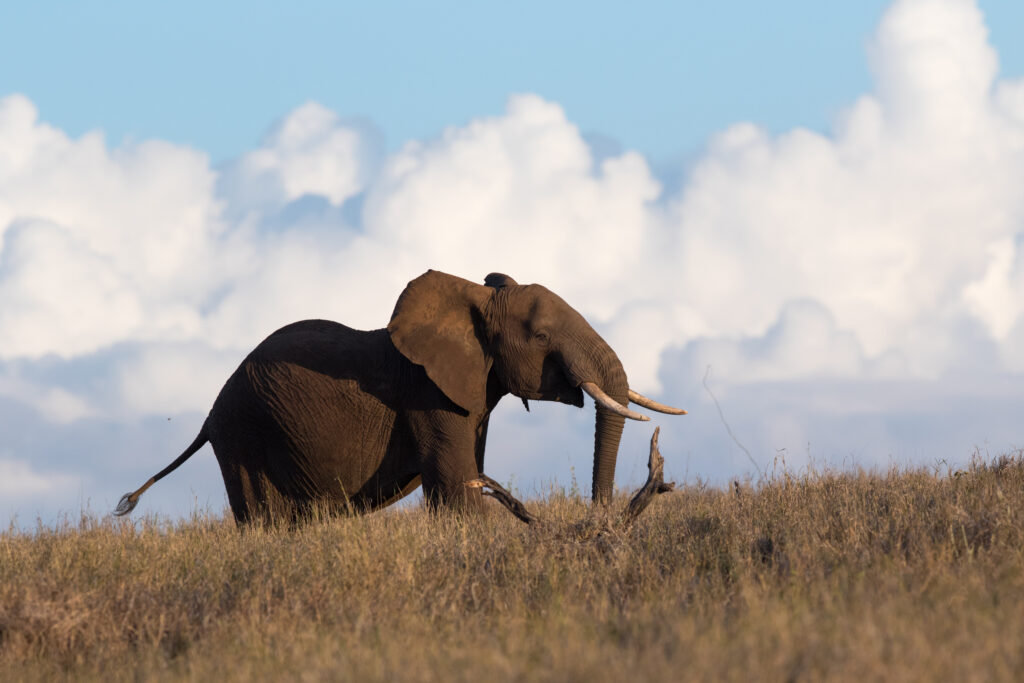
Why choose a private conservancy for a Kenyan safari?
Private conservancies offer a safari experience that’s intimate, immersive, and impactful—everything we love at Coral Tree Travel.
First, there’s the exclusivity. While national parks are open to the public, private conservancies restrict the number of guests and do not permit day visitors. Forget busy safari circuits; in private conservancies, you’ll often find yourself alone at a sighting, making encounters with the Big Five that little bit more special.
The top private conservancies also allow activities not permitted in the national parks. Off-road game drives, walking safaris, and night drives allow you to get closer to the action and provide an adventurous experience that’s hard to match in larger reserves. Many conservancies are also adjacent to national parks, meaning you can enjoy the same spectacular wildlife, but with far fewer crowds and a broader range of activities.
Conservancies are also more focused on conservation and sustainability. Many directly support local livelihoods by employing local people and contribute conservation fees to resident communities, ensuring tourism benefits the people that call these areas home.
With over 230 private conservancies spanning nearly 9 million hectares, choosing where to begin can feel overwhelming. To spark ideas for your next family safari, our travel specialists have handpicked the top private conservancies in Kenya, each offering unforgettable experiences and incredible game-viewing.
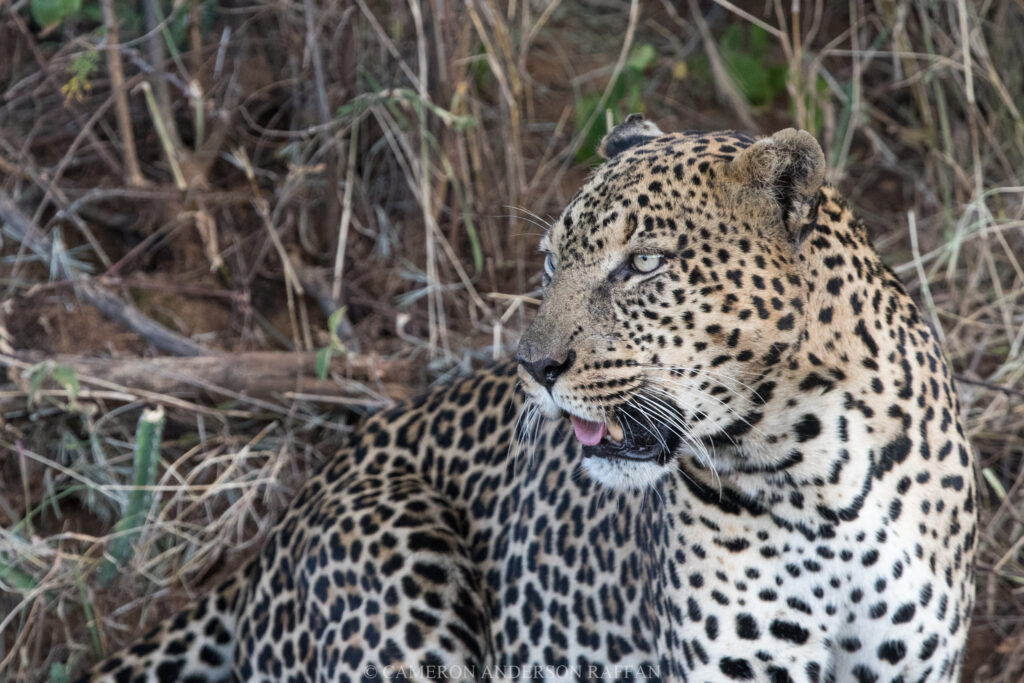
The Mara Conservancies
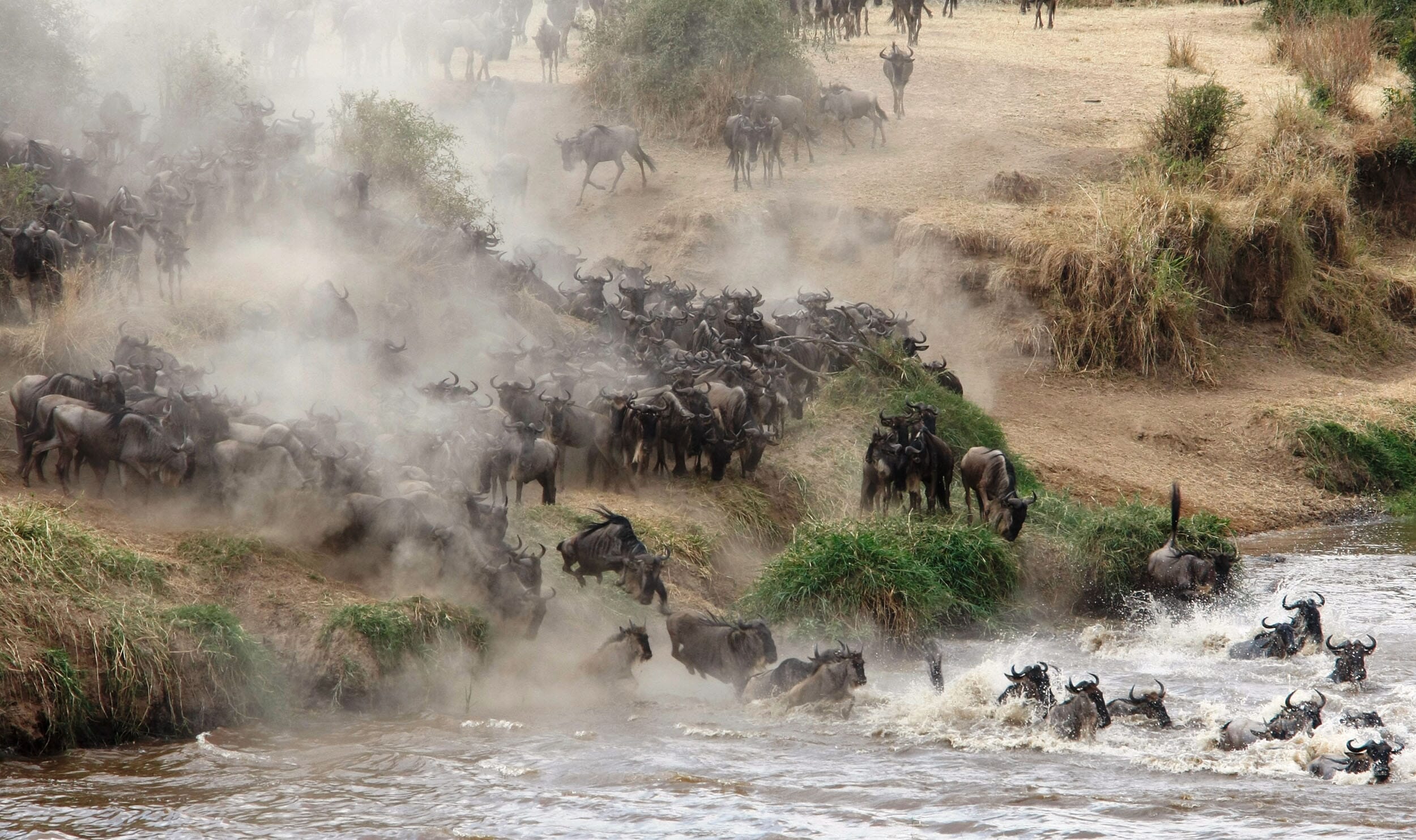
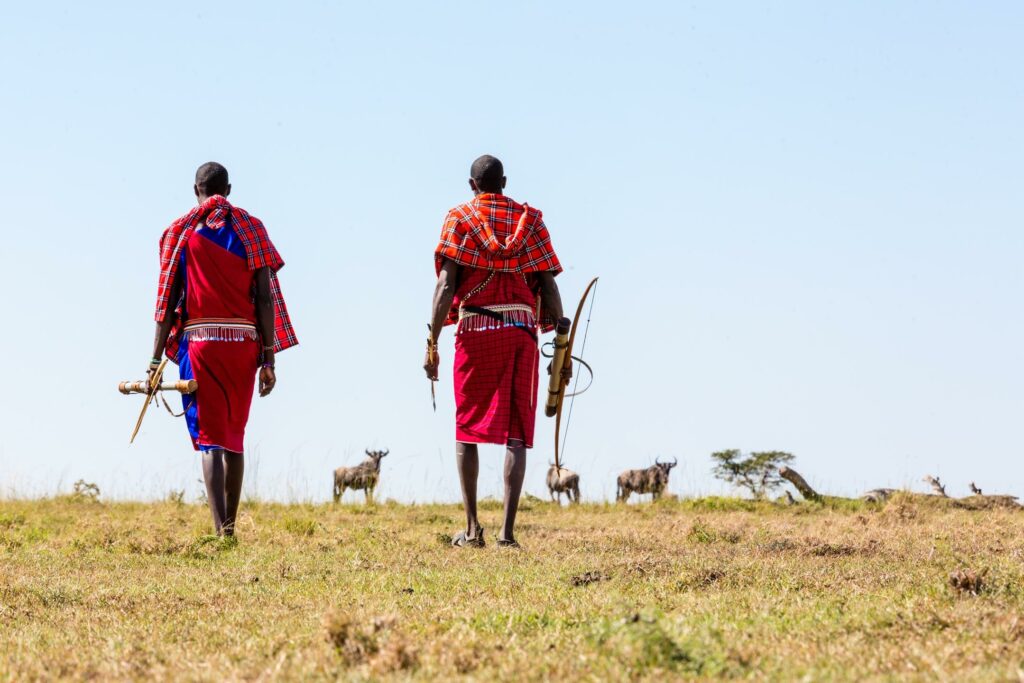
The Maasai Mara National Reserve is renowned as one of Africa’s best destinations for spotting the Big Five and witnessing the annual Great Migration. While it attracts over 300,000 visitors annually, the 24 surrounding private conservancies, such as Mara Naboisho and Mara North, offer a more exclusive experience. These hidden gems allow for intimate wildlife encounters away from the crowds, all while supporting Maasai communities through tourism revenue.
Mara Naboisho Conservancy
Spanning over 200 square kilometres, Mara Naboisho Conservancy is celebrated for its incredible density of wildlife and its dedication to preserving Maasai cultural heritage.
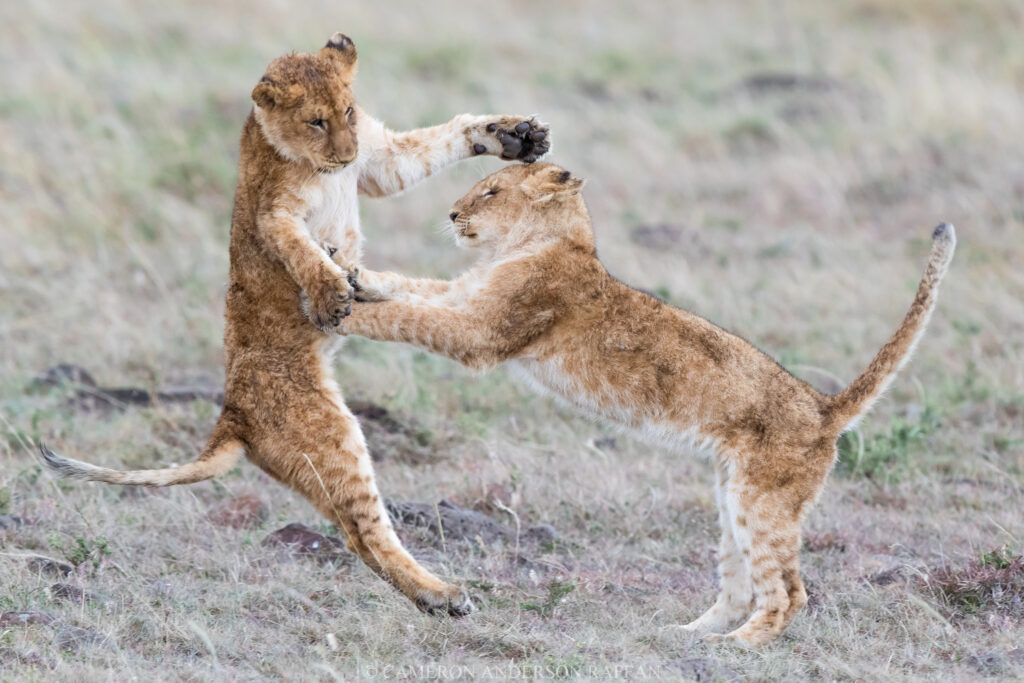
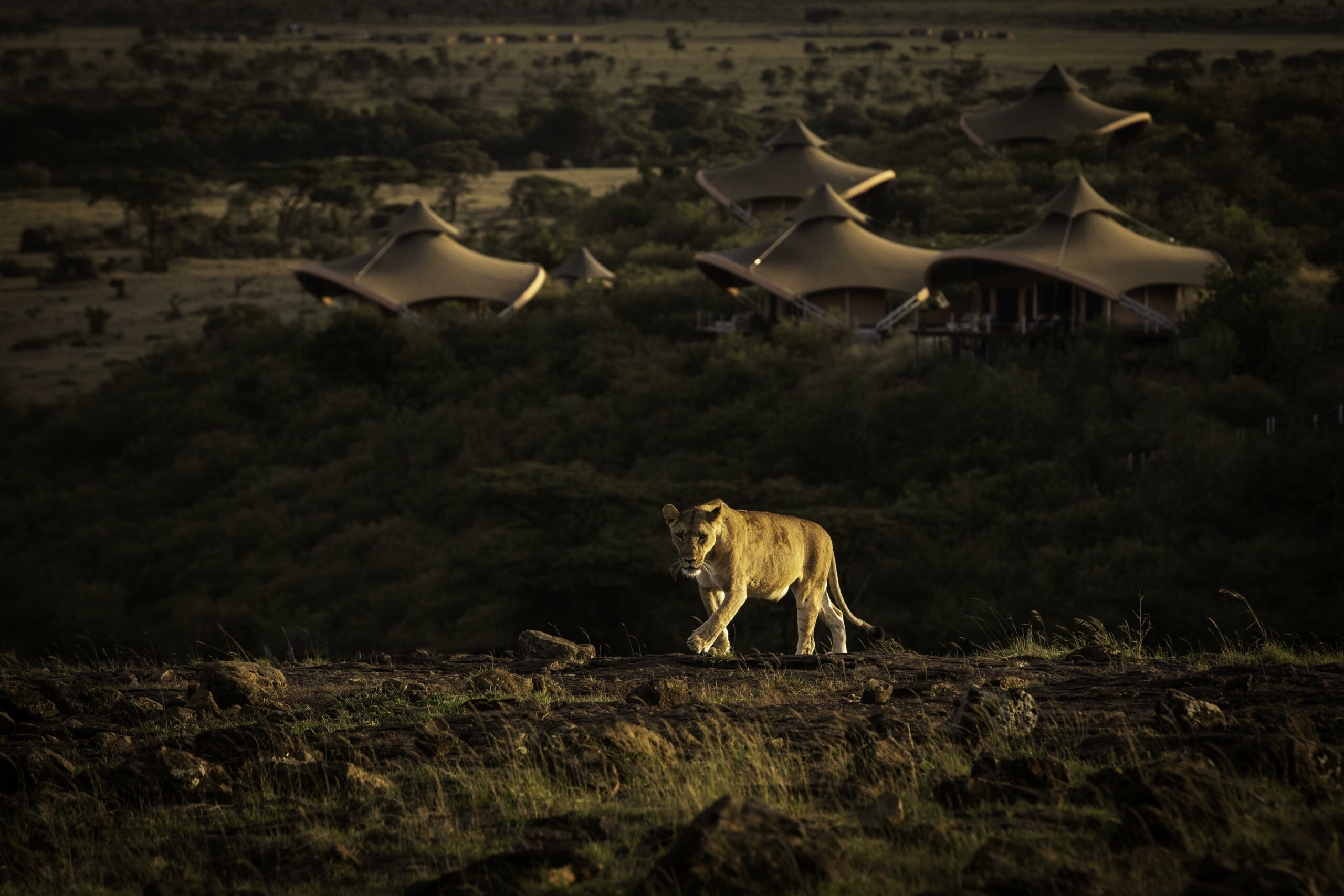
With over 100 lions, as well as cheetahs and wild dogs, the conservancy boasts one of Africa’s highest big cat populations. Due to the cap on visitor and camp numbers, sightings of wildlife are far more regular and intimate than in the Mara Reserve, and thanks to flexible conservancy rules, walking safaris, night game drives and fly camping are all permitted.
Owned by 500 Maasai families, the conservancy restores overgrazed lands and a tourism stipend directly benefits local livelihoods. Many of the conservancy’s guides hail from nearby Maasai villages, adding an authentic cultural dimension to the safari experience, and visiting these villages offers families a unique opportunity to learn about Maasai customs and traditions.
Mara North
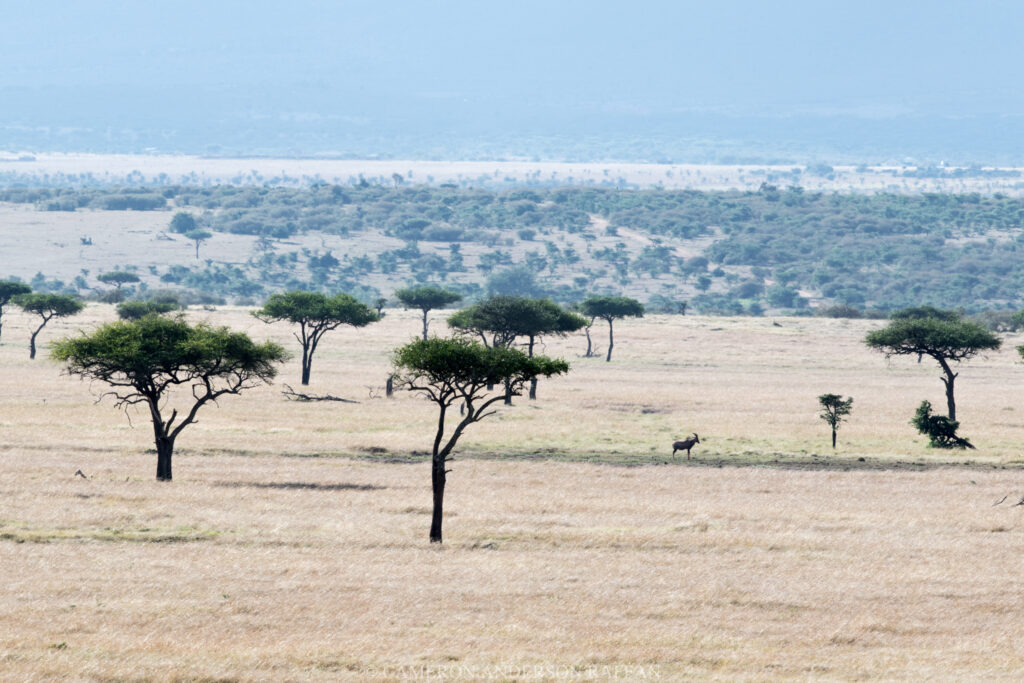
The Mara North is one of Kenya’s best private conservancies, with the highest concentration of wildlife in the Maasai Mara ecosystem. Spanning 320 square kilometres, it is home to the Big Five, over 450 bird species, and iconic landmarks like Leopard Gorge and the Lemek Hills which provide a refuge for big cats and African wild dogs.
The conservancy’s mosaic of grasslands, acacia trees, and riverine forests provide sanctuary for huge herds of elephants, baboons, and giraffes as well as crocs in the Mara River. From July to October, the Great Migration delivers thrilling predator action, while the quieter Loita Hills migration offers a fascinating alternative from December to May.
Founded in 2009 by 800 Maasai landowners, Mara North features just 12 eco-conscious lodges, including family favourites like Kicheche Mara and Offbeat Mara. Guests can enjoy exclusive experiences such as guided walks, night game drives, and cultural interaction, enhancing their Mara safari experience.
Northern Conservancies
Soysambu Conservancy
Situated within the UNESCO-listed Kenya Lakes, Soysambu Conservancy spans 190 square kilometres around Lake Elmenteita.
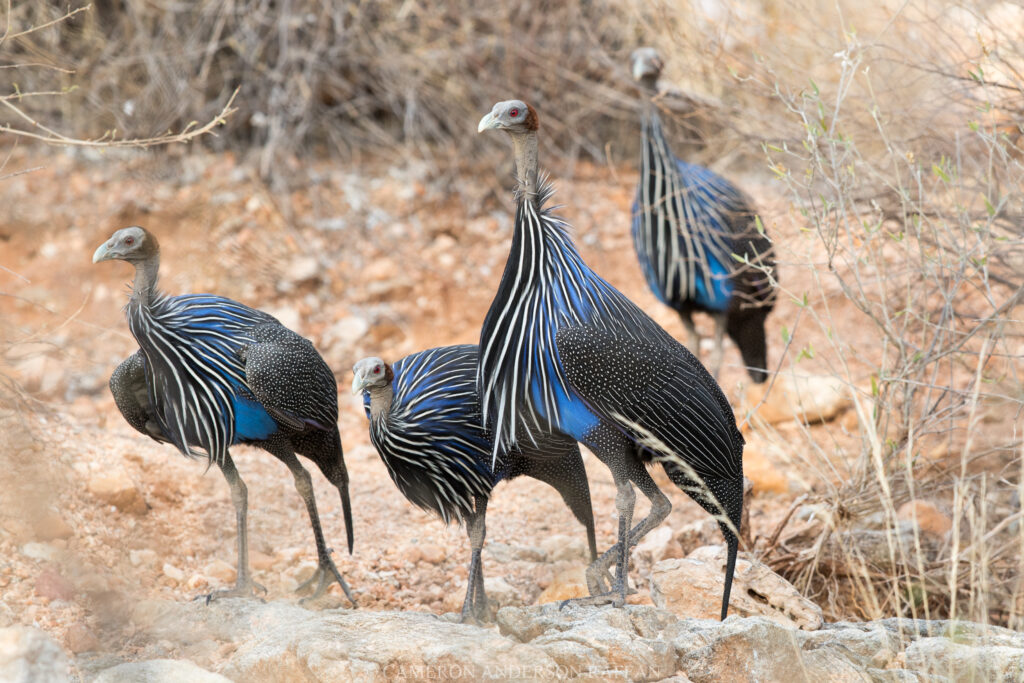
Known for its population of endangered Rothschild giraffes and diverse birdlife, including lesser flamingos and the only breeding colony of Great White Pelican in East Africa, the conservancy offers a peaceful alternative to the bustling Nakuru National Park.
Families can witness this wildlife on birding safaris, guided nature walks as well as horse or camel rides along the lakeshore. Soysambu is also the only private conservancy that offers motorcycle safaris, taking guests on a thrilling ride down inaccessible paths, perfect for thrill seeking teens and those bored of more typical modes of safari transport.
Located just an hour’s drive from Lake Naivasha and Nakuru National Park, Soysambu is a convenient addition to any Northern Kenya itinerary.
Lewa Conservancy
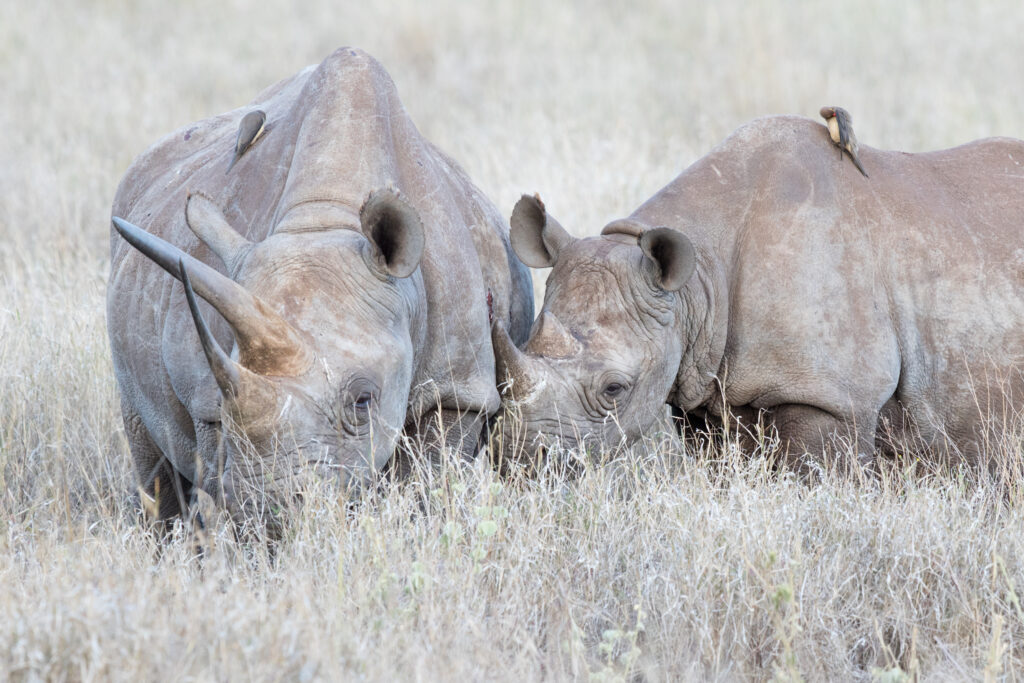
Lewa Wildlife Conservancy, a 250 square kilometre expanse in the Laikipia Plateau, has become one of Kenya’s most famous private conservancies, known for its rhino conservation, Big Five game viewing, and breathtaking Mount Kenya views.
Home to Kenya’s first private rhino sanctuary, Lewa has seen populations of black and white rhinos grow from 15 to 264, offering some of Kenya’s best chances to spot these rare creatures.
What truly sets Lewa apart are its exceptional experiences, including horseback safaris, camel rides, birding adventures to spot some of the conservancy’s 490 bird species, and fly camping in the heart of the bush. Our travel specialist, Cam, recently enjoyed a self-guided walking safari along the scenic 2 km trail at Elewana Safari Camp. Families can also explore the nearby Ngare Ndare Forest Reserve, where children of all ages will delight in walking along the treetop canopy or swimming beneath a hidden waterfall.
Lewa’s commitment to community development, with initiatives such as microloans for local women and sustainable farming training, ensures your safari will benefit surrounding communities.
Loisaba Conservancy
The 230 square kilometre Loisaba Conservancy in northern Kenya is one of our favourites for family safaris with a wild, remote feel. Positioned along a key elephant migration corridor, its two rivers sustain year-round wildlife, including lions, leopards, cheetahs, and the recently reintroduced black rhino.
With just three camps, Loisaba offers exclusive Big Five game viewing to rival the Mara but with far fewer visitors. Families can enjoy game drives, walking safaris, or camel rides, offering a glimpse into traditional life in Kenya’s semi-arid highlands. A visit to the anti-poaching unit gives children a hands-on glimpse into conservation, including the thrill of being tracked by sniffer dogs Nanyokie and Memusi.
Loisaba offers some of Kenya’s most unique accommodations. The Starbeds provide a magical experience, allowing you to sleep under Kenya’s starry skies in elevated four-poster beds. Meanwhile, Elewana’s Loisaba Tented Camp features an incredible infinity pool – a highlight of our travel specialist Cam’s recent visit – offering breathtaking views of game-dotted plains and the majestic Mount Kenya.
Ol Pejeta Conservancy
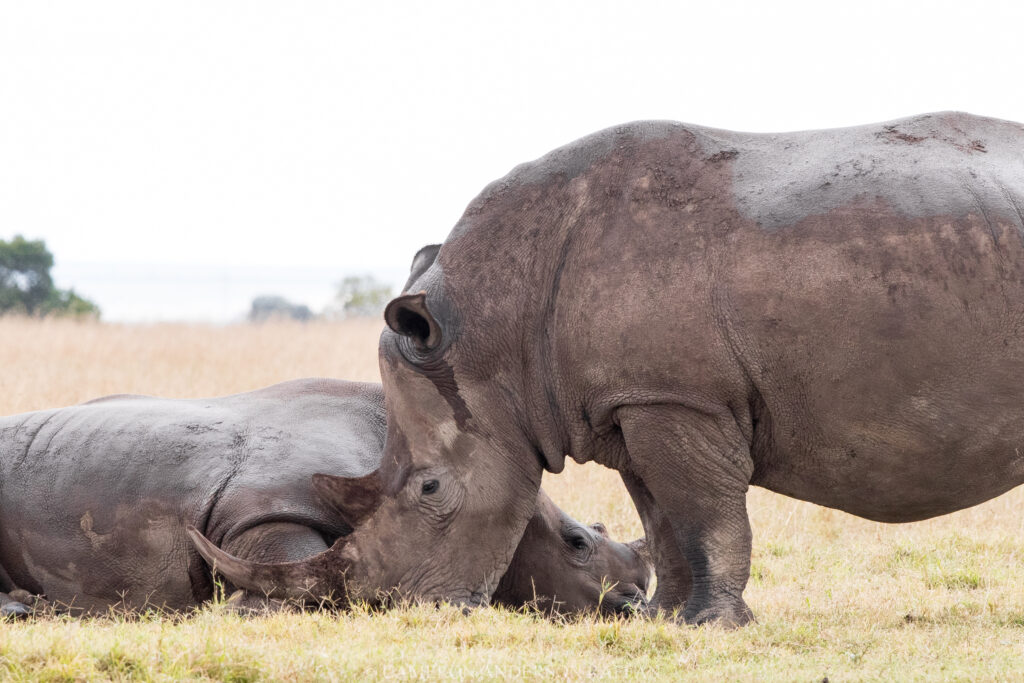
Located at the foot of Mount Kenya, Ol Pejeta Conservancy is East Africa’s largest black rhino sanctuary and the last refuge for the world’s two remaining northern white rhinos, Najin and Fatu.
What sets Ol Pejeta apart are its hands-on conservation experiences. Guests can meet the incredibly tame Najin and Fatu, track collared lions with researchers, and watch the anti-poaching unit’s bloodhounds showcase their scent-tracking skills. A visit to the Sweetwaters Chimpanzee Sanctuary – the only place in Kenya to see rescued chimps – adds to the adventure.
Families can also enjoy Big Five game drives, walking safaris, and thrilling night drives to spot nocturnal species like aardvarks and white-tailed mongooses.
Kalama Conservancy
Kalama Conservancy, established in 2004 and owned by the Samburu community, protects a critical wildlife corridor between Samburu National Reserve and Marsabit and provides a remarkable blend of cultural immersion and abundant wildlife.
Families can visit local villages or participate in the Warrior’s Academy, where children are led by local tribe leaders in wildlife tracking, beading, archery, and traditional jobs like herding cattle and milking goats.
With only two properties across its 384 square kilometres, Kalama provides an exclusive safari experience. Game drives and guided bush walks allow families to encounter the Samburu Special Five, including the reticulated giraffe and Grevy’s zebra, alongside leopards, elephants, and playful baboons. Those seeking a fresh take on the classic safari, can enjoy stargazing safaris under Kalama’s pristine night skies or visit the nearby Reteti Elephant Sanctuary, where orphaned elephant calves are rescued and rehabilitated for release back into the wild.
Mugie
Mugie Conservancy, in the heart of the Laikipia Plateau, stands out as one of the best private conservancies for an action-packed family safari. Its 180 square kilometres of savannahs and acacia woodlands is home to both the iconic Big Five and the rare Northern Five, while its private status enables unique activities like night game drives, where elusive nocturnal species such as leopards and striped hyenas often appear.
The Mugie Dam draws abundant wildlife, especially during the dry season, and offers fishing for tilapia and catfish alongside birdwatching for over 280 species. Conservation experiences are central here, from tracking resident lions with the Laikipia Predator Project to visiting a vibrant local village on market day, while for children, the Junior Ranger Program provides hands-on educational activities.
The ‘Best of the Rest’
Kimana Sanctuary Conservancy
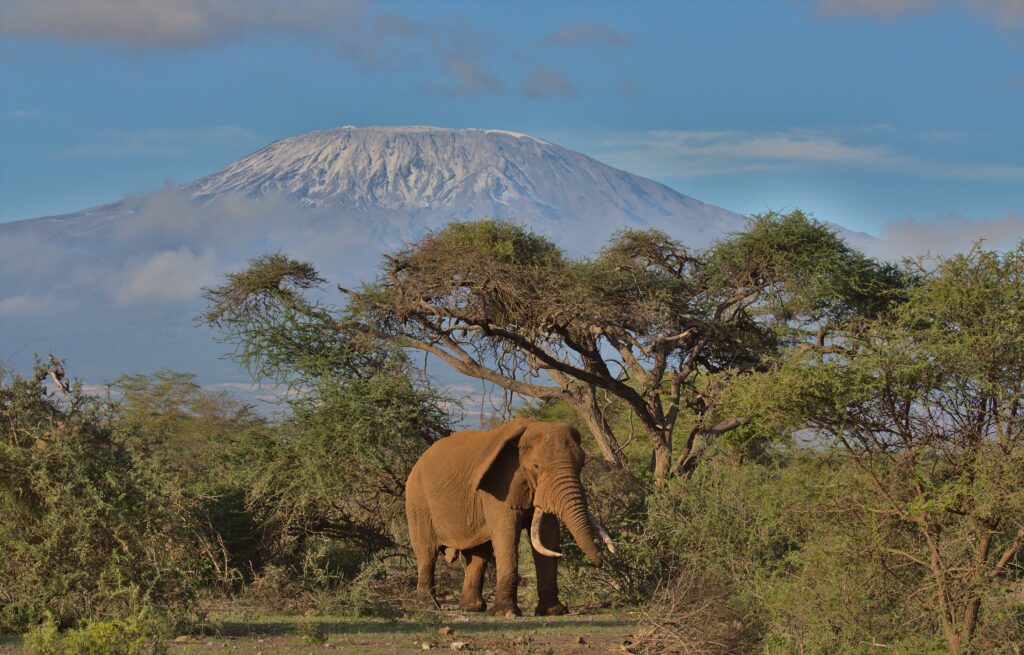
Kimana Sanctuary Conservancy is a vital yet little known wildlife corridor connecting Amboseli National Park to the Chyulu Hills and Tsavo. Established in 1996 as Kenya’s first community-owned wildlife sanctuary and spanning just 23 square kilometres, this tiny conservancy preserves an ancient elephant migration route, ensuring the free movement of some of Africa’s last Super Tuskers.
Kimana’s diverse landscapes – from dense forest to plains dotted with pumice thrown from Mount Kilimanjaro – host a remarkable density of wildlife, from herds of zebra and giraffe to thriving populations of warthogs and eland. The conservancy also boasts the iconic backdrop of Mount Kilimanjaro, providing a dramatic setting for photographing wildlife.
Shompole Conservancy
Shompole Conservancy, tucked in the southeastern corner of Kenya, offers an exclusive safari experience within the stunning landscapes of the Great Rift Valley. Overlooking Lake Magadi and the Nguruman Escarpment, the conservancy is home to some of the best wildlife in the southern Rift Valley, including elephants, giraffes, buffalo, and a variety of plains game.
Lake Magadi, located to the east of the conservancy, is known for its vibrant flamingo populations and stunning colours, with its pinks and reds best seen from the air on a scenic flight. Visitors can also enjoy a range of family-friendly activities, from walking safaris and river tubing down the Ewaso Ng’iro River to visits to isolated Maasai villages. A standout experience is spending a night in one of the conservancy’s two underground hides, offering an unparalleled chance to observe wildlife at a floodlit waterhole.
Summary
Kenya’s private conservancies provide an exclusive and enriching safari experience that perfectly complements the traditional national reserves.
With limited visitor numbers, these conservancies ensure exclusive up-close encounters with the Big Five as well as unique activities such as night drives, guided walks, and bush camping unavailable anywhere else.
A stay in a private conservancy is more than just a safari, it is a chance to make a lasting impact on wildlife conservation and local communities. Whether exploring the remote wilderness of Loisaba, encountering rare rhinos at Ol Pejeta, or immersing yourself in Maasai culture at Mara Naboisho, the top Kenyan private conservancies ensure your visit contributes to the long-term health of Kenya’s ecosystems.
Including a mix of our top private conservancies in your itinerary elevates any Kenya safari, combining outstanding game viewing with immersive cultural experiences and a remote, rugged charm.
Best Safari Parks in Zambia
Zambia’s safari parks present some of the most diverse habitats and unique safari experiences in Africa.
With 20 national parks and 39 game management areas spanning nearly 40% of the country, Zambia is a hidden gem for families seeking something beyond the typical Big Five safari. From remote boating safaris on the Zambezi to the vibrant wetlands of Kafue, each park brings its own distinct appeal—making it easy to feel spoiled for choice. To help you plan your Zambia safari holiday, here’s an expert guide to the best safari parks, including our favourite destinations for family-friendly adventures as well as some hidden gems for a unique addition to your itinerary.
Kafue National Park
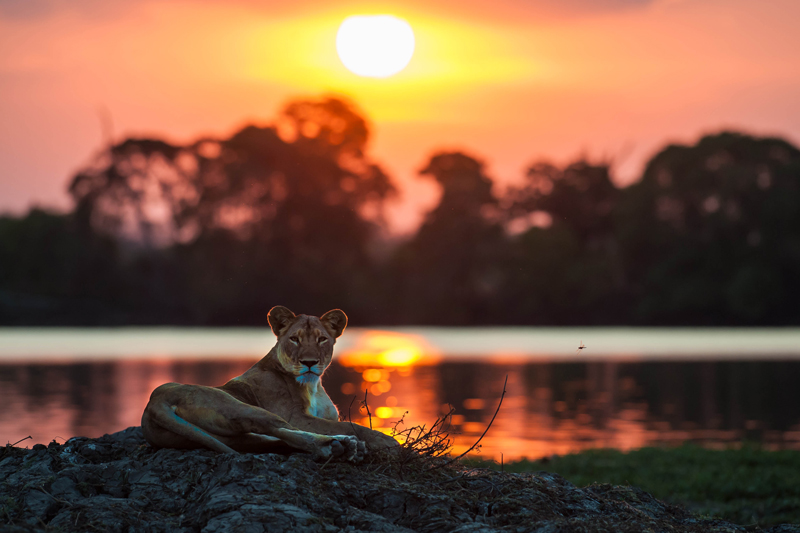
Despite being Africa’s second-largest safari park, Kafue National Park remains one of its most underrated safari parks. Spanning an impressive 22,400 square kilometres of Zambia’s central wetlands, Kafue is home to some of the country’s most diverse wildlife, with at least 161 mammal species, six big cat species, and 22 types of antelope. Conveniently located within driving distance of Livingstone, Kafue offers such an array of experiences and wildlife that it would make a compelling base for an entire trip in itself. The park’s sweeping Busanga Plains, accessible only in the dry season, reward visitors with vast herds of puku and red lechwe. While for bird enthusiasts, the hidden gem of the Nanzhila Plains in southern Kafue is a paradise, where Zambia’s endemic black-cheeked lovebirds can be spotted thriving in their natural habitat.
South Luangwa National Park
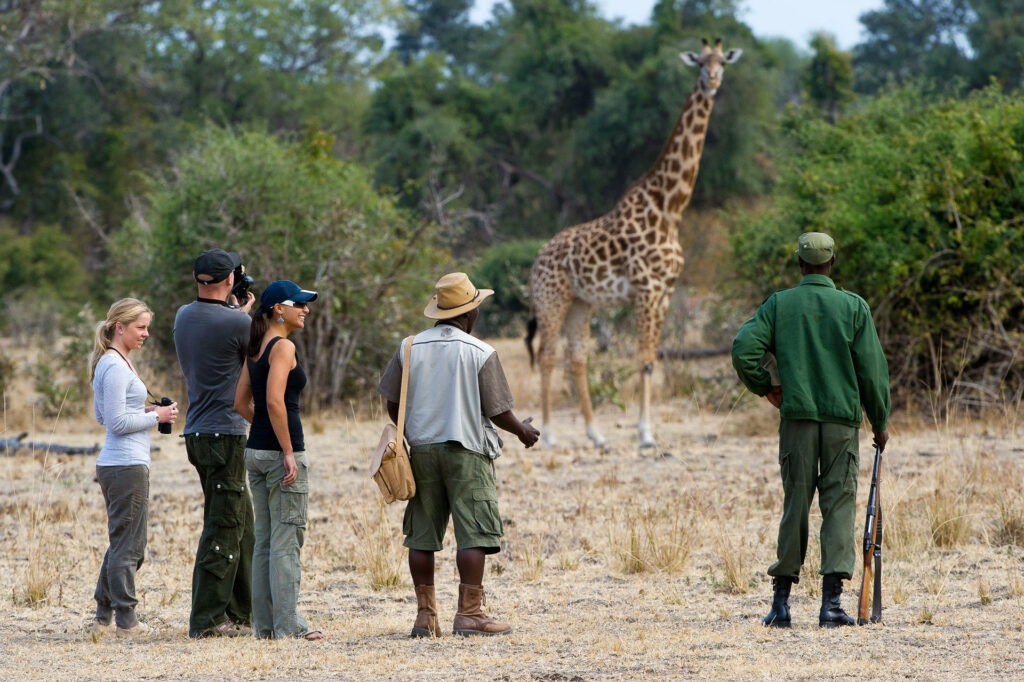
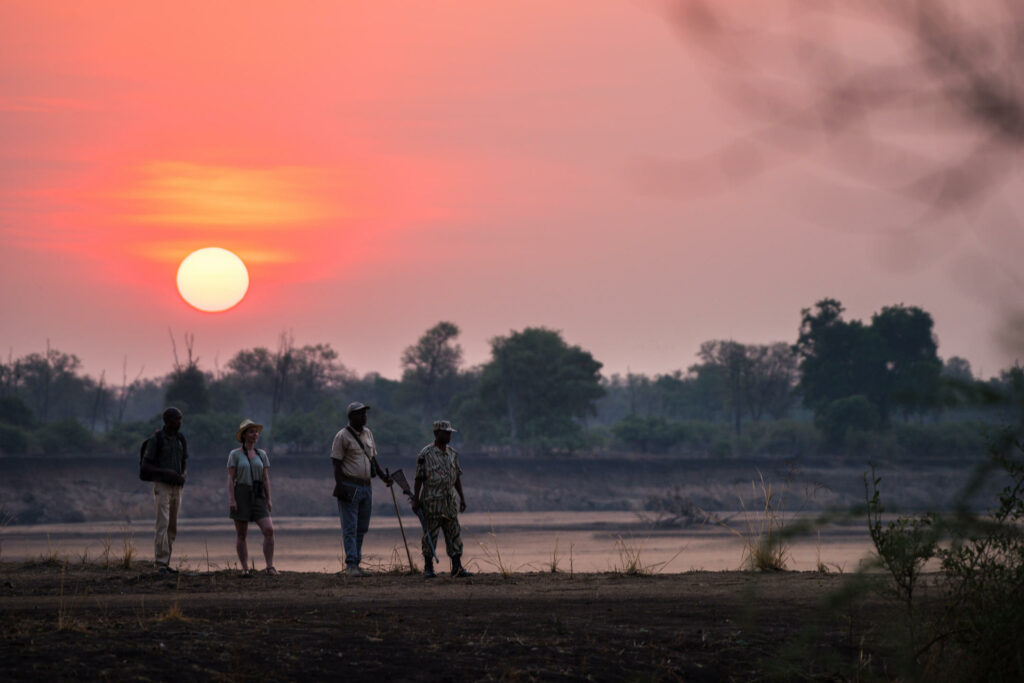
South Luangwa, known as the Valley of the Leopards, is Zambia’s crown jewel safari park for big cat sightings. Spanning over 90,500 hectares, the park is incredibly rich with diverse flora and fauna, including four of Africa’s Big Five. South Luangwa is also famed as the location where the conservationist Norman Carr started Africa’s first walking safaris, offering families a chance to connect with the natural environment up close. The park is also home to some of Zambia’s best luxury family camps, including Time + Tide Chinzombo with its private river frontage and the sophisticated Mchenja Tented Camp, making South Luangwa a favourite safari park for luxury family holidays.
Lower Zambezi National Park
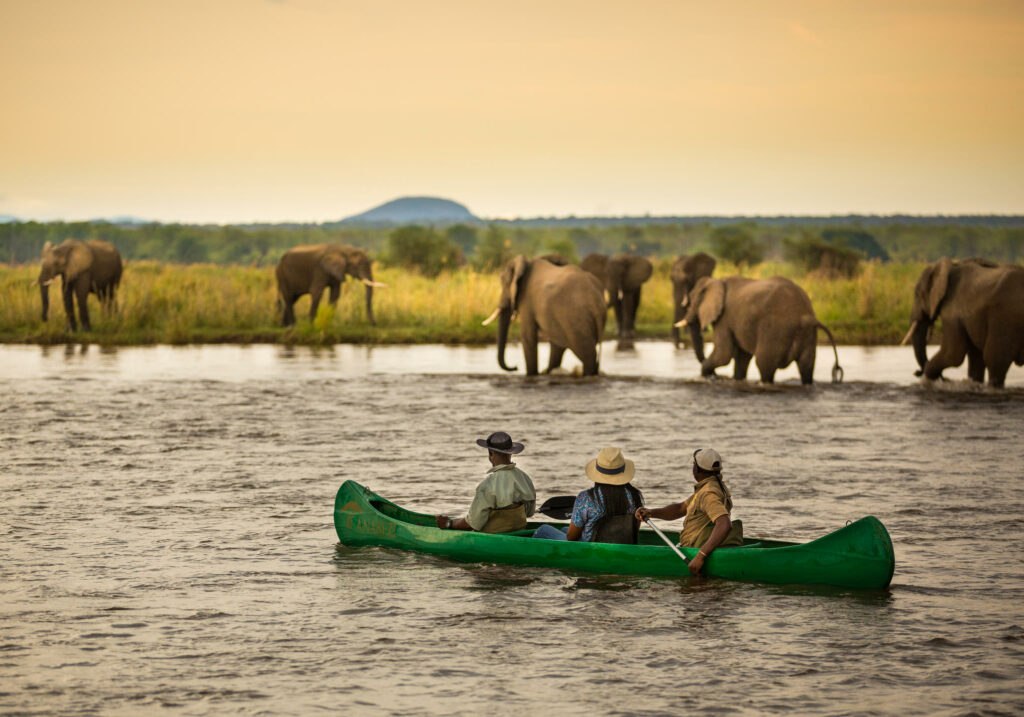
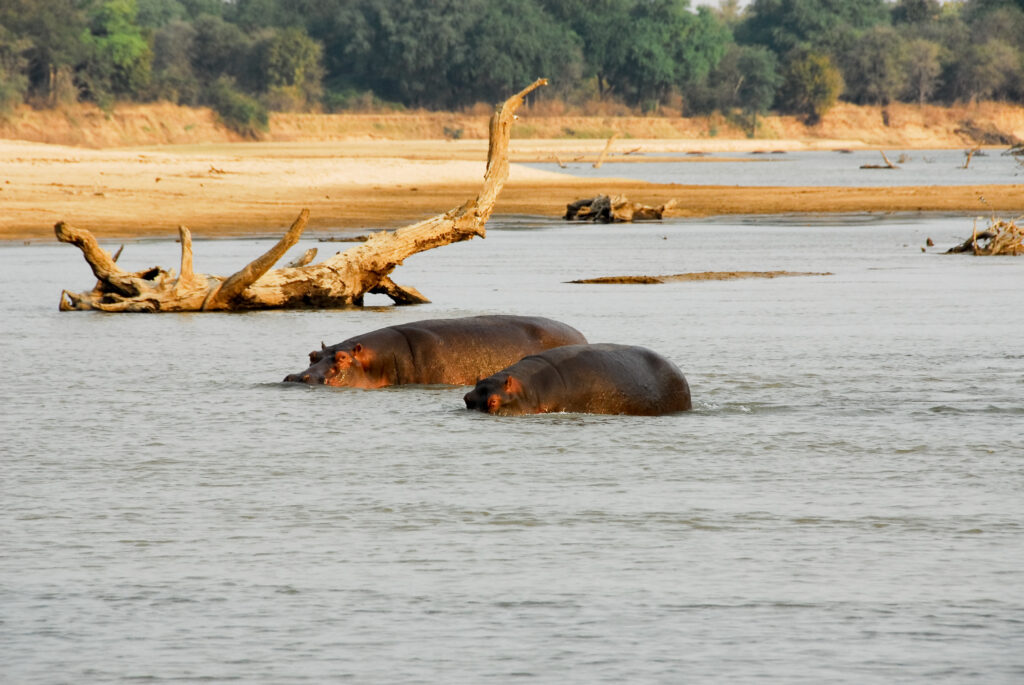
One of Zambia’s most scenic safari parks, Lower Zambezi is set along the meandering Zambezi River, offering a backdrop of dramatic escarpments rising in the distance. This park is ideal for families looking for unique safari experiences, from sunset river safaris alongside wallowing hippos to exhilarating attempts to catch the feisty tigerfish. The Lower Zambezi is a great safari park to add a new dimension to a Zambia safari itinerary, blending classic safari camps with a unique boat safari experience.
Mosi-oa-Tunya National Park
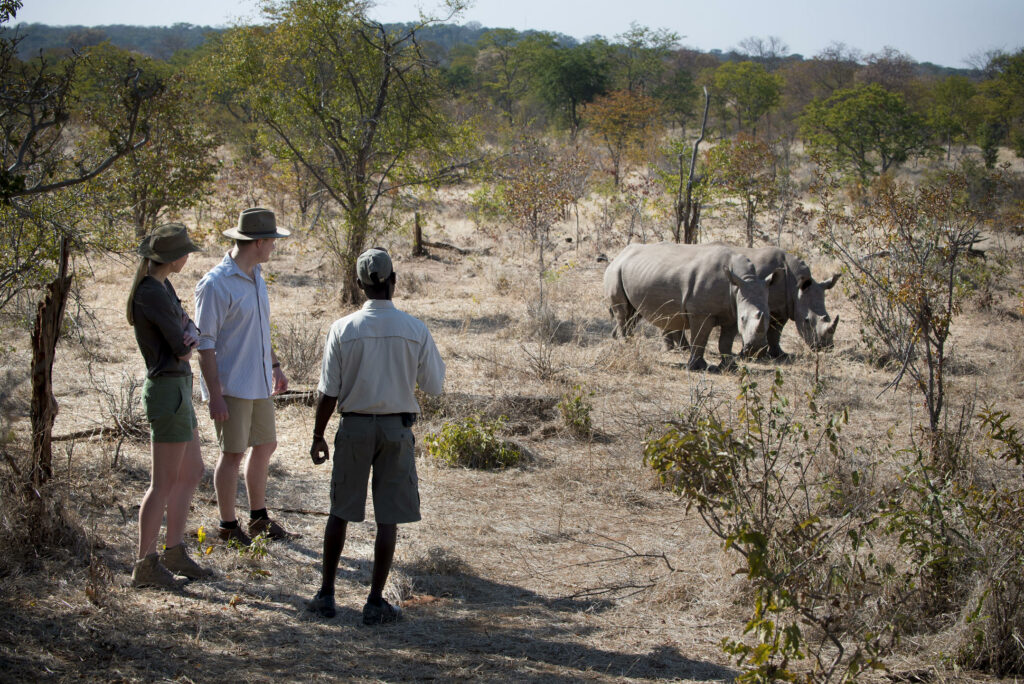
The UNESCO World Heritage Mosi-oa-Tunya National Park is a must-visit for all Zambia family safaris. Home to the awe-inspiring Victoria Falls, Mosi-oa-Tunya is also the only place in Zambia where you can walk with critically endangered white rhinos, completing the country’s Big Five safari checklists. Located near the adventure capital Livingstone, families can pair their safari with an array of adventure activities, including white-water rafting, bungee jumping, and scenic helicopter flights over the thundering cascade of water.
North Luangwa National Park
For those craving an even more off-the-beaten-path experience, North Luangwa safari park offers a truly rugged adventure. With much of the park accessible only by foot and vehicle game drives prohibited in certain areas, it’s the prime destination for Zambia’s famous walking safaris. Its remote location keeps it blissfully free from crowds, providing intimate encounters with Zambia’s diverse wildlife and landscapes. Ideal for seasoned safari-goers and adventurous families, North Luangwa delivers a raw, immersive wilderness experience like no other.
Kasanka National Park
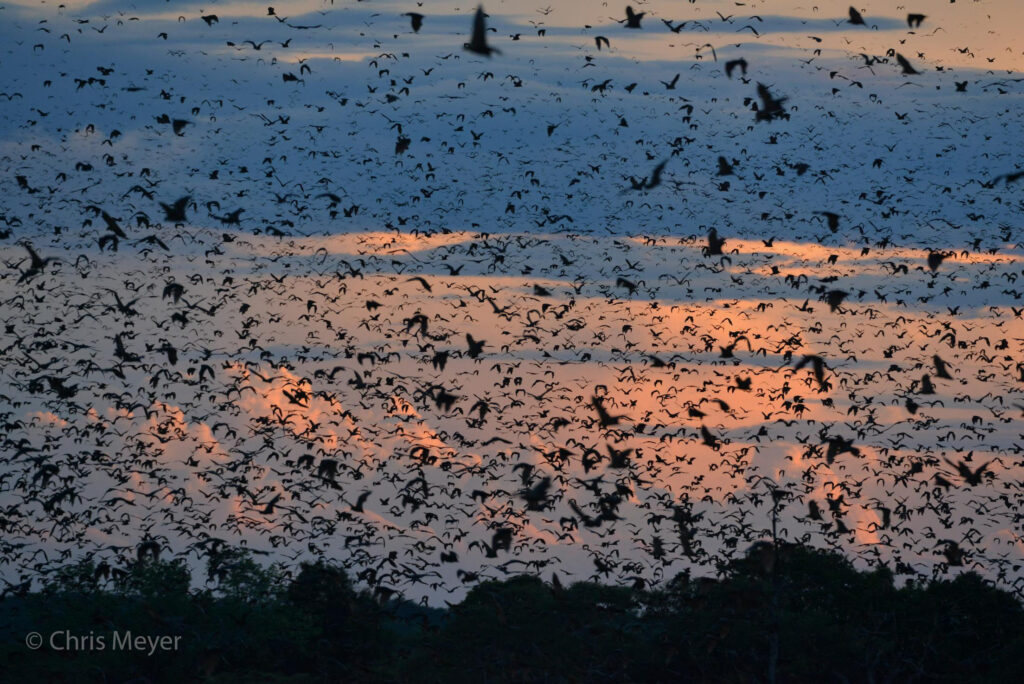
Each year from October to December, Kasanka National Park hosts the world’s largest mammal migration, a spectacular yet little-known natural wonder. During the annual fruit bat migration, over 8 million straw-coloured bats fill the sky after feasting on pod mahogany, musuku, mufinsa, and milkwood fruits—a breathtaking sight from the tree-top hides high above the evergreen swamp forest. Beyond the migration, this small park also boasts one of Africa’s densest populations of the elusive sitatunga, a semi-aquatic antelope that attracts visitors seeking rare wildlife encounters.
Liuwa Plain National Park
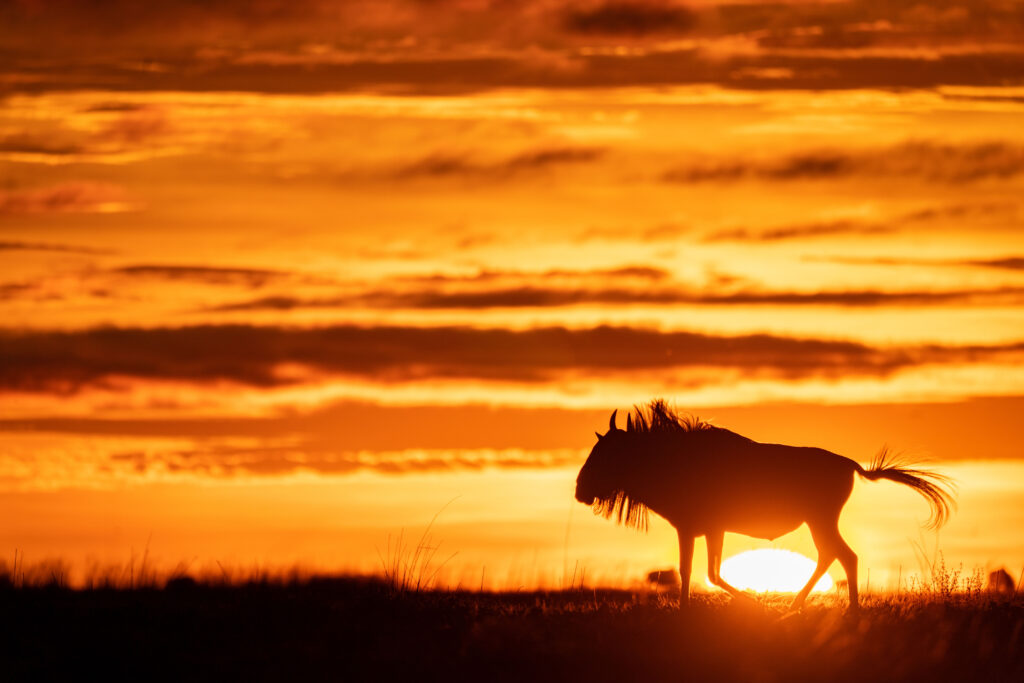
Home to Africa’s second-largest wildebeest migration, Liuwa Plain is a lesser-known safari park located in the far west of Zambia. The safari park has one of the oldest conservation histories in Africa, dating back to the late 19th century when the King of Barotseland appointed his people as the custodians of the reserve. Every November, herds of up to 45,000 wildebeest travel across the park’s vast plains, offering the chance to witness the world-famous Great Migration away from the crowds of the Serengeti and the Mara.
Bangweulu Wetlands
Although not an official safari park, the Bangweulu Wetlands in northeastern Zambia is one of the best safari destinations for families with an interest in birding and Zambian culture. Meaning ‘where the water meets the sky’ in the local Bemba language, this community-owned Game Management Area supports diverse wildlife alongside 60,000 local residents who sustainably use its resources.
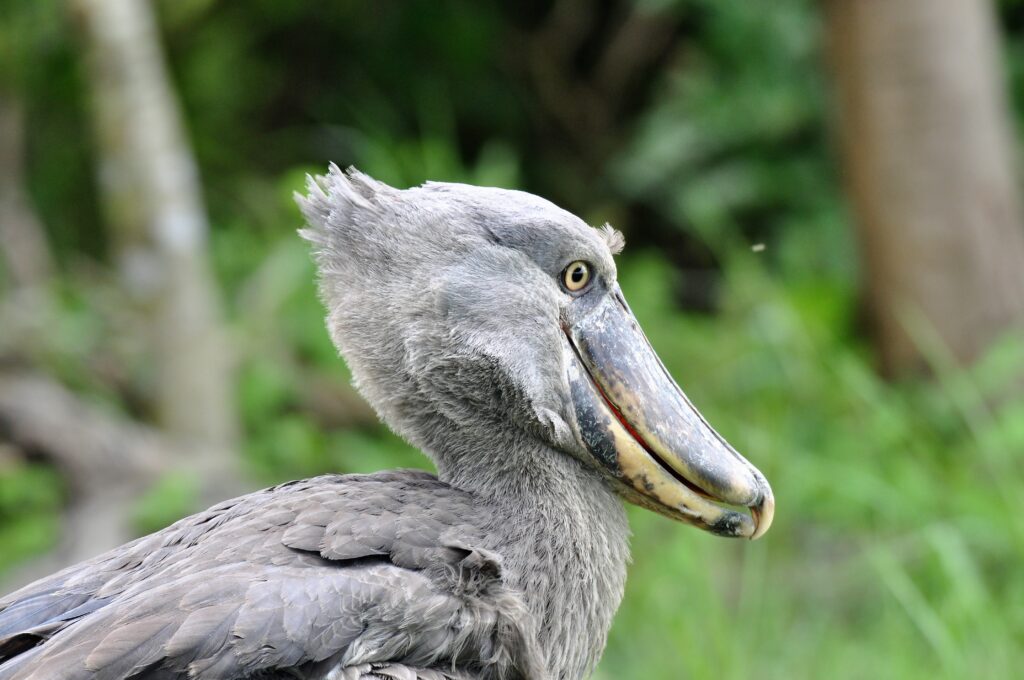
With over 400 bird species, including the rare shoebill and 10% of the world’s wattled crane population, Bangweulu is a haven for birding safaris. Coral Tree Travel founder Tess has stayed at Shoebill Island Camp to witness these striking wading birds, whose wild population has dwindled to just 8,000. Set on a permanent island overlooking a lagoon, the camp offers a rustic yet comfortable base to explore Bangweulu’s incredible birding and cultural experiences. Families can enjoy guided walking safaris, spot the rare shoebill, and visit seasonal fishing camps of the Bemba and Bisa tribes for a unique insight into their migratory lifestyle.
Families who make the journey to this remote region are rewarded with sightings of Zambia’s last black lechwe antelope, stunning landscapes, and very few other visitors. For those looking beyond traditional safari parks, Bangweulu offers an unparalleled, off-the-beaten-path adventure.
Summary
Zambia’s safari parks offer an unparalleled adventure for families eager to explore beyond the typical safari experience. With a remarkable diversity of landscapes, from the lush wetlands of Kafue to the rugged beauty of North Luangwa, each park provides unique opportunities for wildlife encounters and unforgettable family moments. Whether you’re seeking luxury camping in South Luangwa, thrilling river safaris in the Lower Zambezi, or the awe-inspiring spectacle of the Kasanka fruit bat migration, Zambia’s safari parks promise a holiday filled with discovery and excitement.
Dreaming of going on a luxury safari in Zambia? See our magnificent selection of itineraries and plush accommodations, strategically situated near the country’s most sought-after wildlife parks and reserves. Contact us now to begin planning your safari adventure.
Some images used in this blog are the property of our partners. Please contact us for more details.
Family Safaris in Zambia
Zambia is emerging as one of Africa’s best kept secrets for family safaris, featuring incredible predator populations, unspoiled national parks and great value family-friendly camps. From the heart of the legendary South Luangwa National Park to the pristine waters of the Lower Zambezi, Zambia offers a safari experience that balances raw wilderness with accessible, family-oriented adventure. Here’s a look at why Zambia is an ideal choice for families looking for a safari adventure that caters to all ages.
Unique Wildlife Encounters
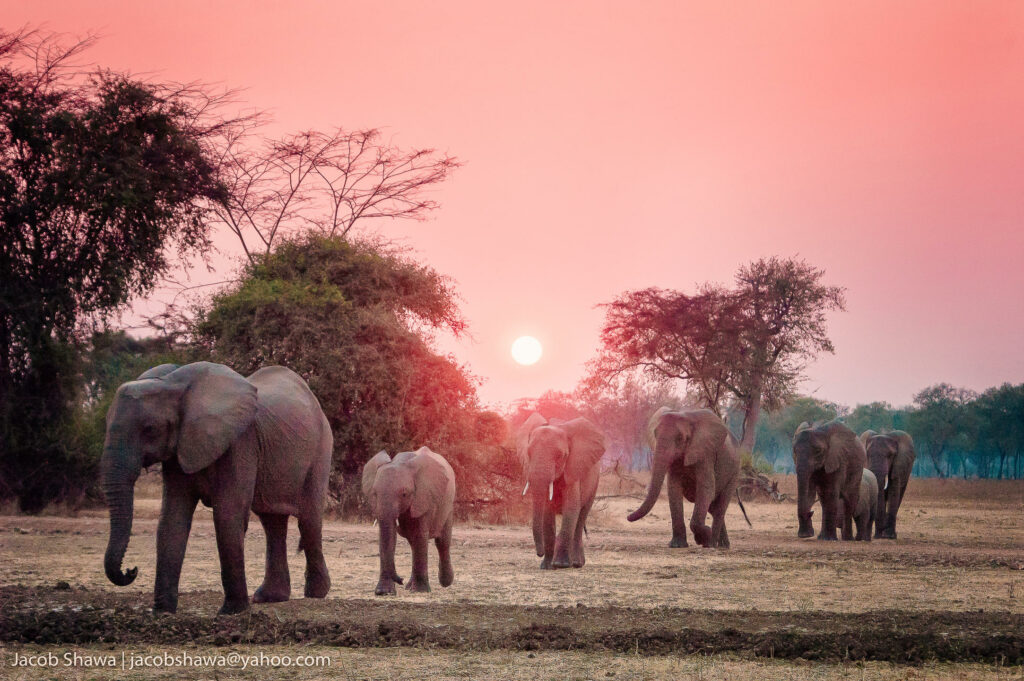
One of the main draws of Zambia is its diverse wildlife, which can be observed in some of Africa’s largest untouched wildernesses. South Luangwa National Park, nicknamed the ‘Valley of the Leopard,’ is renowned as one of the best places to spot the elusive cats hunting large herds of impala from the treetops. Game drives along the Luangwa River have even been known to spot up to 8 different individuals in a matter of days. The park is also home to extraordinarily dense concentrations of lion, buffalo and elephant as well as the critically endangered black rhino in the North Luangwa, making it an ideal destination for a Big Five family safari.
In the Lower Zambezi National Park, families can explore herds of elephants, hippos, and crocodiles along the Zambezi River by boat or canoe, offering unique water-based safari experiences. Meanwhile, Kafue National Park is known for its ‘flying lions,’ where Zambia’s Papyrus Lion Pride leaps over the region’s many river channels, offering an insight into the unique adaptations of Zambia wildlife. With a mix of exhilarating and accessible wildlife encounters, Zambia stands out as the perfect destination for family safaris.

Variety of Family-Friendly Activities
Zambia stands out as one of the best family safari destinations due to its extensive range of activities that cater to all ages. Many safari camps offer dedicated children’s programs that combine learning with hands-on activities. For example, African Bush Camps’ Ngwana Club offers specially designed nature walks, authentic cooking classes and campfire storytelling sessions led by local guides who are passionate about their culture and natural environment.
The Zambezi River meanwhile offers a wide range of water-based activities perfect for families. Canoeing safaris allow families to paddle alongside gentle hippos and observe elephants drinking along the riverbanks. While the river also allows for catch-and-release fishing, which can be a fun and engaging experience for younger family members. In Livingstone, additional family activities include guided tours of the awe-inspiring Victoria Falls, thrilling helicopter rides over the Falls, and cultural visits to local villages, which provide memorable experiences that highlight Zambia’s vibrant heritage.
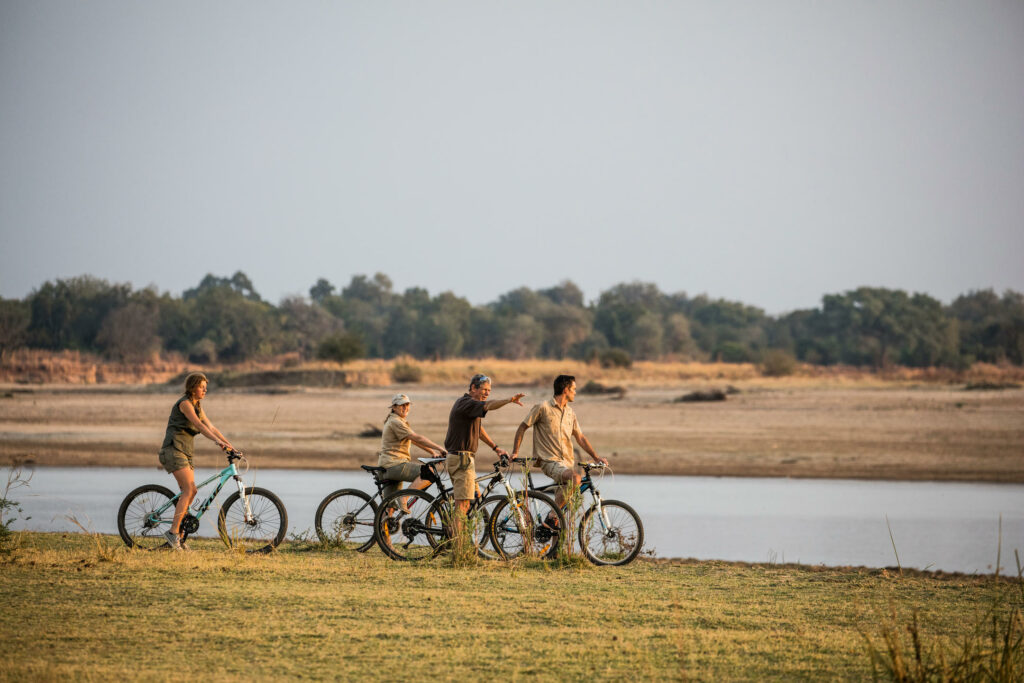
Great Value Family Safari
Zambia is one of the best-value destinations for African family safaris, with all-inclusive itineraries often significantly cheaper than in other destinations.
Camps like Flatdogs, Baines River Camp, Chundukwa, and Mukambi Safari Lodge provide simple, unfussy accommodation that still delivers remarkable safari adventures and top notch service. Moreover, beyond the peak dry season, Zambia’s ‘emerald season’ from November to April is one of the best times to visit for even greater value. During this time, families can enjoy the lush, green landscapes, vibrant bird watching opportunities, and fewer crowds, making it an ideal choice for keen birding families looking to take advantage of reduced rates. With this combination of seasonal affordability and a wide selection of family-friendly camps, family safaris in Zambia offer exceptional value.
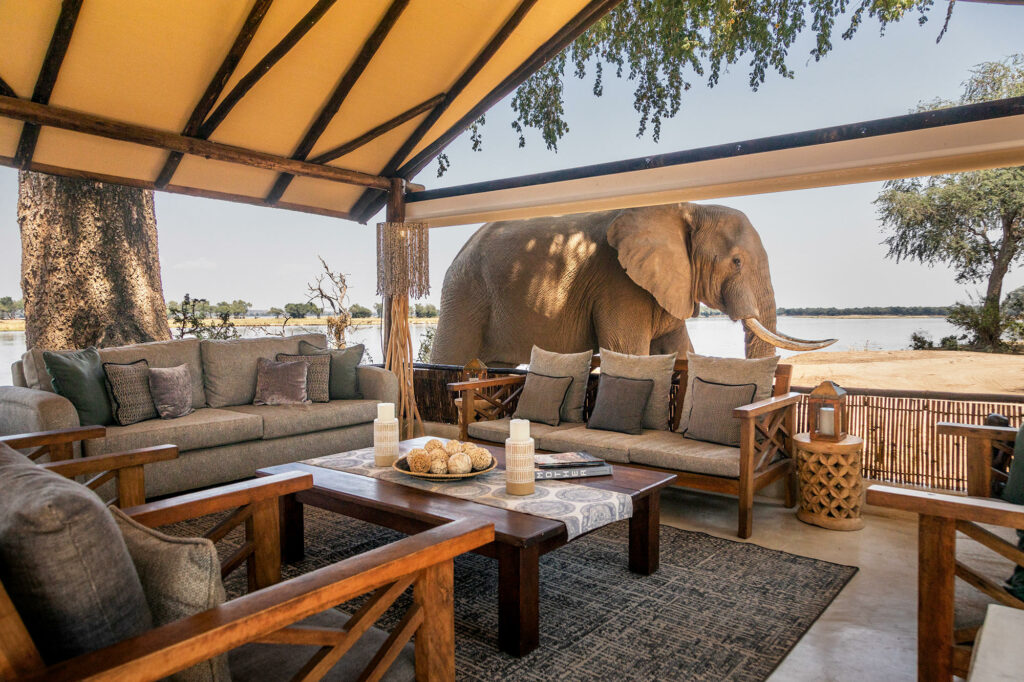
Authentic, Intimate Safari Lodges
Zambia has an incredible offering of family-friendly safari camps and lodges, ranging from some of the most luxurious exclusive-use lodges to more rustic tented bush camps.
Most camps in Zambia have family suites or interconnected tents that allow families to stay together while still enjoying their own private space in the bush. For example, Old Mondoro Camp in the Lower Zambezi has converted its owners’ property into a two-bedroom family suite with its own campfire and picturesque shaded terrace. Moreover, larger groups looking for a more exclusive family safari in Zambia can opt for one of the exclusive-use lodges. One standout choice is Sunset House at Kafunta Lodge which offers an exclusive retreat with three en-suite bedrooms, a private pool, and dedicated chef and butler services. This ensures an all-inclusive experience tailored to your family’s needs, allowing you to enjoy the luxury of privacy while still being immersed in the breathtaking Zambian wilderness.
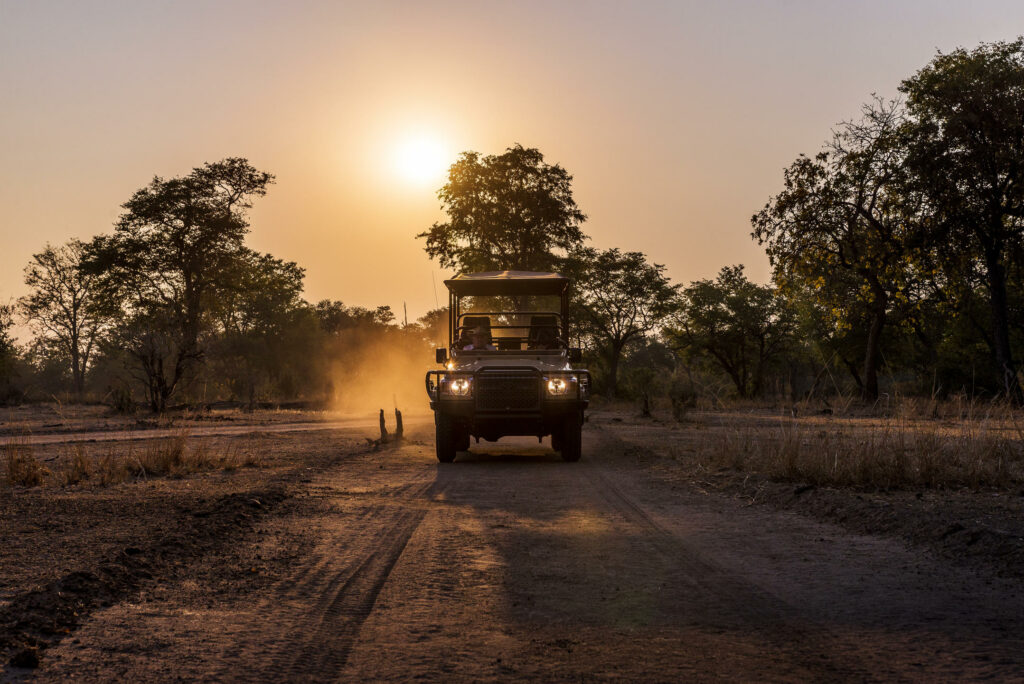
Emphasis on Sustainability and Conservation
Zambia is a perfect destination for environmentally aware families looking to encourage their children to take an interest in protecting nature and conserving the natural environment.
The Green Safaris portfolio of stylish properties prides itself on setting the standard for sustainable luxury across the globe. Their fleet of pioneering e-Cruisers has introduced the ‘Silent Safari’ to Zambia, allowing families to experience wildlife up close without disturbing the animals. Their ban on single-use plastics and the use of solar power at Shawa Luangwa Camp and Ila Safari Lodge, mean families can enjoy a five-star safari experience while minimising their environmental footprint.
Many safari lodges are also involved in conservation projects and community initiatives, and welcome families to participate. Musekese Camp, for example, was founded by conservationists Phil Jeffery and Tyrone McKeith who regularly invite family safaris to participate in vital conservation initiatives. Families can explore the Musekese Conservation Base to learn about preserving the Kafue ecosystem and supporting local communities through hands-on activities and educational tours. These experiences add depth to the safari experience, allowing families to gain a better understanding of the local culture and conservation efforts, and creating lasting memories for children that extend beyond animal sightings.
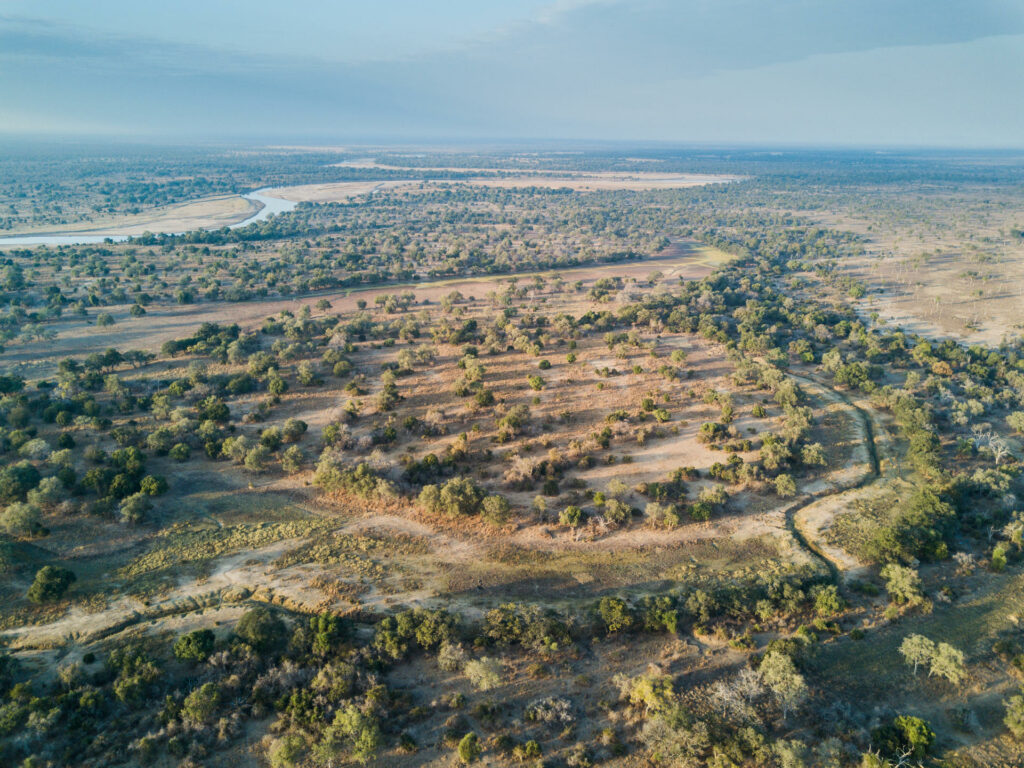
An Unspoiled Landscape
Zambia remains one of Africa’s lesser-visited safari destinations, offering an authentic, off-the-beaten-path experience for families. Here, you can immerse yourselves in the serenity of vast national parks like South Luangwa and Kafue, where the absence of large crowds allows for thrilling game drives and walking safaris without the disturbance of other game vehicles.
The journey to remote camps, such as those on the secluded Busanga Plains, often involves small charter flights or scenic drives through picturesque rural villages, enhancing the adventure. This allows families to witness Zambia’s diverse landscapes—rolling savannas, lush wetlands, and miombo woodlands rivers—while immersing themselves within friendly local communities. The unspoiled beauty of Zambia therefore offers a true sense of exploration and discovery, ensuring that every family safari is a unique and memorable adventure.
Practical Tips for Families Planning a Zambian Safari
- Best Time to Visit: June to October is the prime time for Zambia safari holidays, with dry, sunny days perfect for game-viewing. Wildlife gathers around waterholes, offering spectacular sightings of elephants, lions, and leopards, while Kafue National Park opens for exceptional experiences as floodwaters recede.
- Age Recommendations: While Zambia’s safari camps are family-friendly, it’s worth checking with specific lodges for age recommendations on activities like walking safaris and canoe trips, as some may have age restrictions.
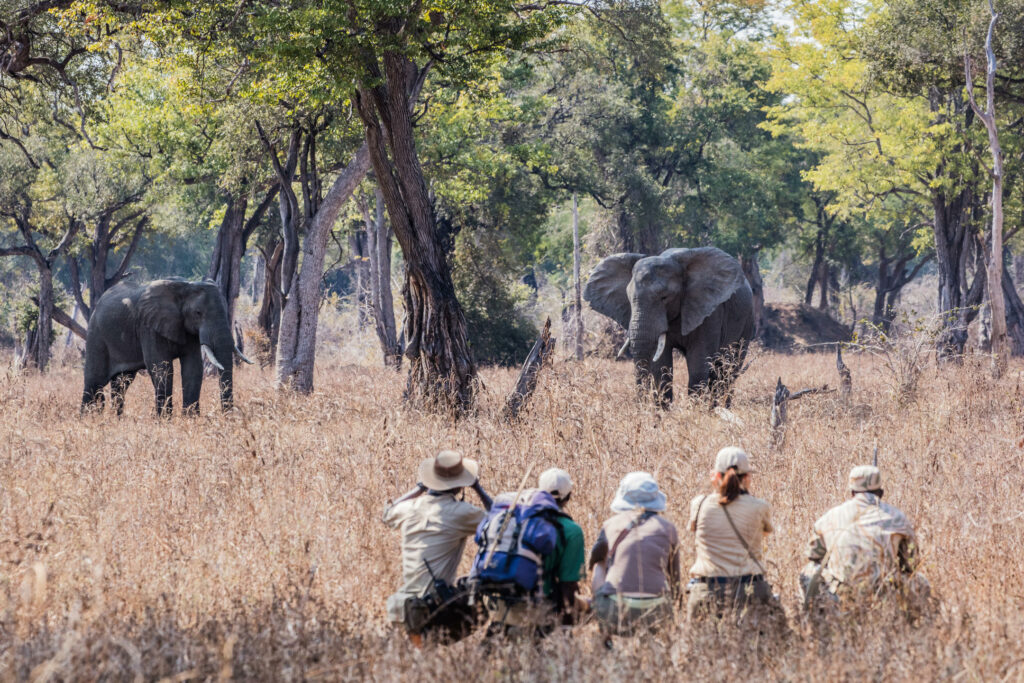
With its stunning landscapes, diverse wildlife, and wide range of activities, Zambia is an incredible destination for family safaris. The country’s family-friendly lodges, focus on conservation, and unspoilt national parks create a welcoming environment for guests of all ages. Whether exploring the Zambezi River or embarking on a thrilling game drive in South Luangwa, a family safari in Zambia promises an unforgettable adventure that both children and parents will cherish.
Dreaming of going on a luxury safari in Zambia? See our magnificent selection of itineraries and plush accommodations, strategically situated near the country’s most sought-after wildlife parks and reserves. Contact us now to begin planning your safari adventure.
Some images used in this blog are the property of our partners. Please contact us for more details.
The Best Time To Travel to Mauritius
The Best time to travel to Mauritius will depend on the experience you’re looking for…
This glamorous Indian Ocean island offers over 300 km of pristine coastline, sheltered lagoons, and vibrant coral reefs, making it one of our favourite year-round destinations.
With a subtropical climate, Mauritius enjoys hot, humid summers from November to April and cooler, dry winters from May to October. Thanks to its mild, mostly sunny weather, there’s truly no wrong time to plan a family holiday here.
The island’s famed microclimates let families tailor their experience: the north and west enjoy sun-drenched days and calm waters, while the east coast and Chamarel mountains to the south provide a cooler, breezier option ideal for watersports. This regional variety makes Mauritius a versatile destination for any time of year.
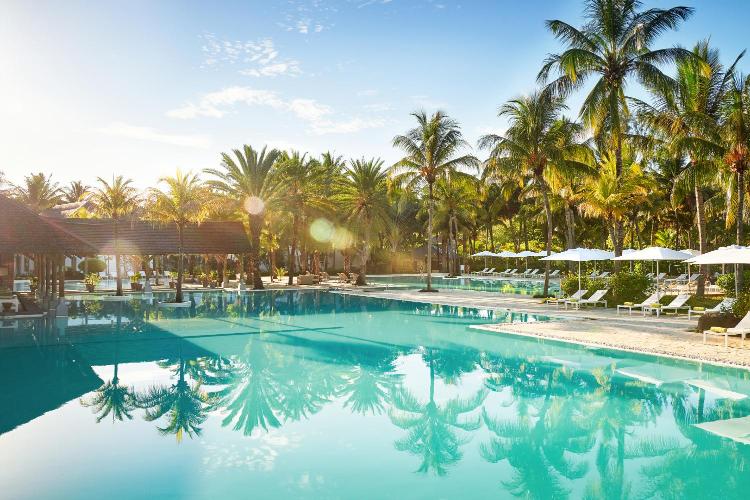
January to March – Best Time for Scuba Diving and Deep Sea Fishing
For families drawn to the vibrant coral reefs and diverse marine life of Mauritius, January to March is the best time of year to visit Mauritius.
Although the island experiences higher rainfall and occasional cyclones, the warm sea temperatures create ideal conditions for spotting incredible marine life with crystal-clear underwater visibility. Kids and parents alike can marvel at the colourful corals, spot elusive sea turtles and swim with dolphins in the shallow waters.
Fishing enthusiasts will find this season equally rewarding, as the peak season for deep-sea fishing extends from October to April, offering calmer seas and frequent opportunities to catch marlin, tuna, and other impressive game fish—a memorable adventure for older kids or teens ready for an exhilarating day on the water.
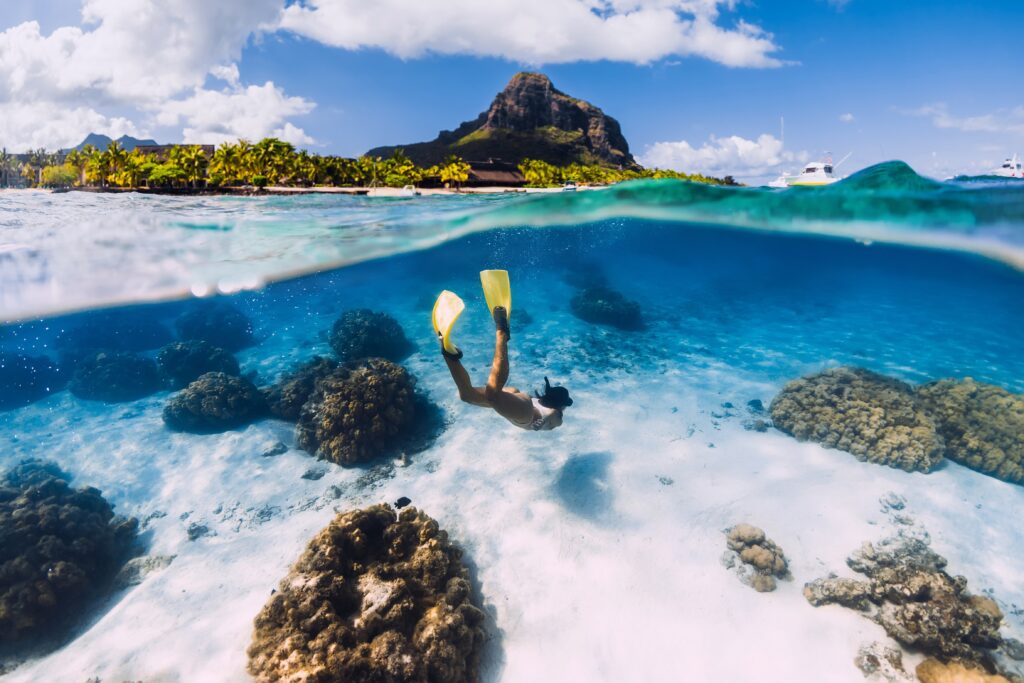
April and May – Top Months for Beach Holidays
As summer’s intensity fades, April and May are some of the best months to travel to Mauritius for family beach escapes.
In April, the sea remains invitingly warm from the summer, and showers become more infrequent, creating a perfect blend of sunny days with gentle breezes. By May, days are bright and sunny, while evenings bring a refreshing drop in the temperature – remember to pack a light jumper for dinner!
The transition to cooler, dry weather means families can both avoid peak-season prices and enjoy all-day beach adventures on a pleasantly mild temperature. From sandcastle building to family swims, these months are one of the most family-friendly times to travel to Mauritius.
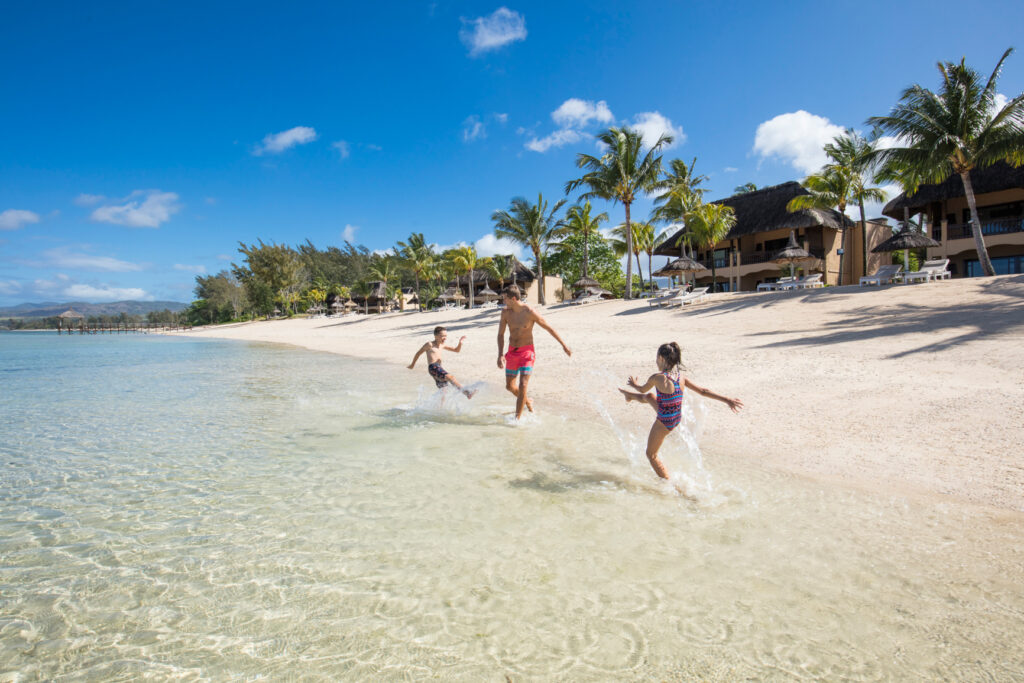
June, July and August – Best Time for Watersports and Surfing
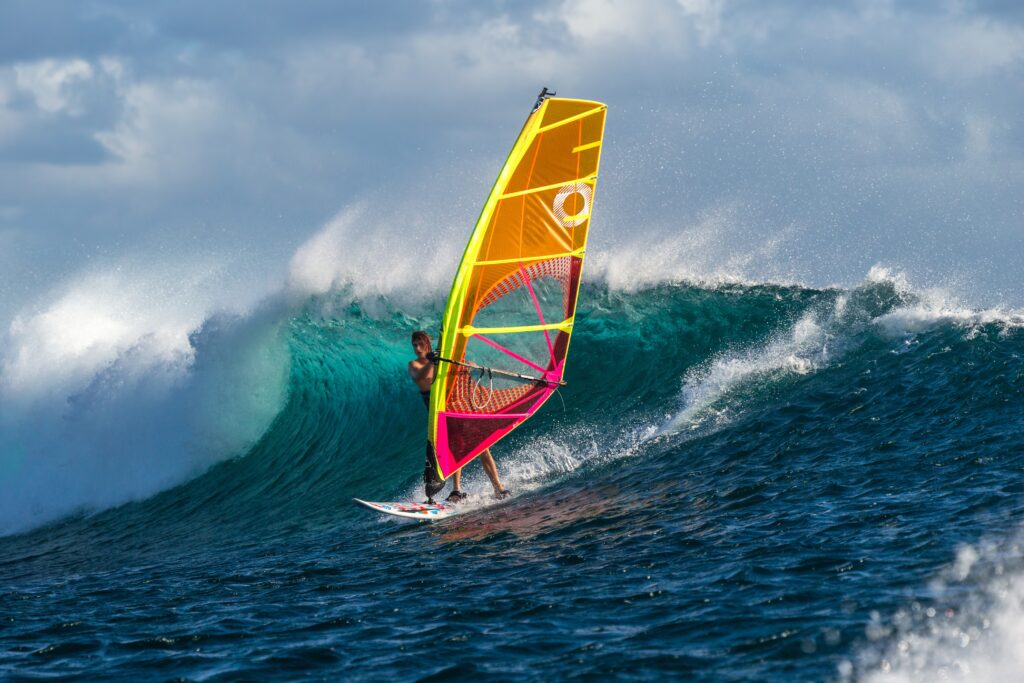
For adventure-seeking families, June to August is a great time of year for a Mauritius holiday as seasonal trade winds create ideal conditions for watersports.
During this time, consistent breezes are perfect for kitesurfing, windsurfing, and sailing—activities sure to excite kids and drag teens away from their phones. Surfing enthusiasts will find steady waves along the eastern and southern coasts, while families looking for relaxation can enjoy the more sheltered northern and western coastlines.
Additionally, with comfortably cool temperatures averaging in the mid-20s, June to August is one of the best times of year to travel to Mauritius for families to fully embrace the island’s activities without feeling overwhelmed by the heat.
September, October and December – Best time to travel to Mauritius for a Family Holiday
September to December is the best time to travel to Mauritius for family holidays, with weather transitioning into the dry season and temperatures warming up.
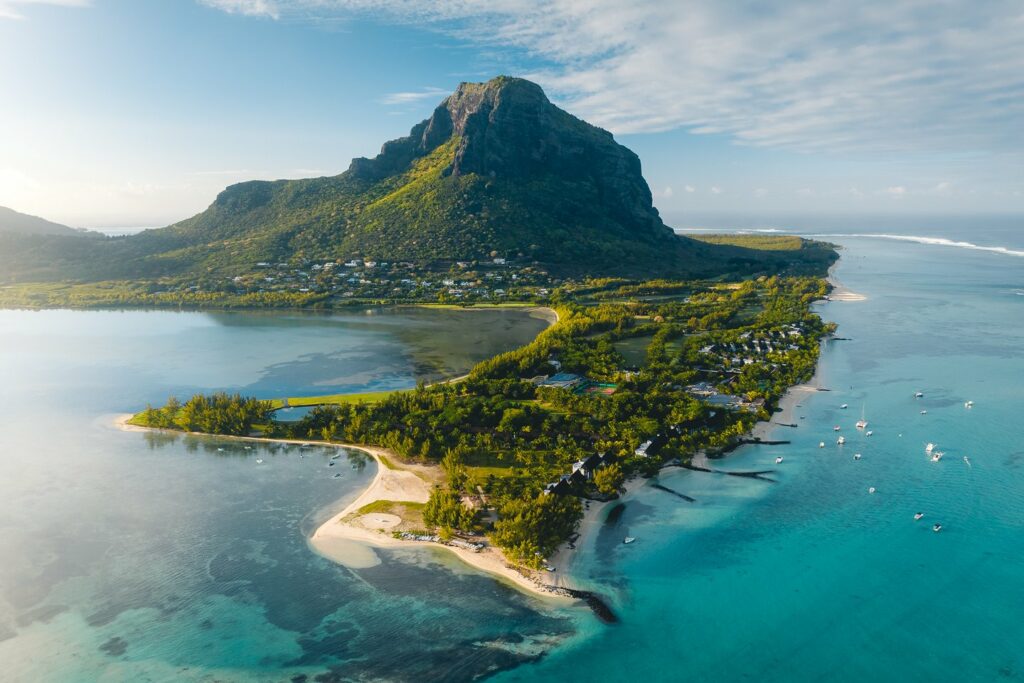
September is one of the driest months, with the long mild days ideal for exploring one of Mauritius’ many nature reserves or climbing the striking Le Morne Brabant mountain on the southern Coast.
October, the driest month, offers comfortably warm days with average highs around 25°C—perfect for families seeking a mix of sun and warm temperatures. However, do note that this month can get busy, coinciding with Diwali and the October half-term, so early bookings are advised.
By November, temperatures and humidity begin to increase, heralding the return of summer, but most days stay warm and clear—great for a blend of beach and nature activities that families can enjoy together. Whether it’s spotting wildlife, hiking, or taking a family beach day, this period is ideal for an active family getaway in Mauritius.
Summary
Mauritius is a remarkable year-round destination for family holidays. Whether you are seeking winter sun, a relaxing beach retreat, or an adventure-filled itinerary of watersports and surfing, there’s a perfect time for every family to visit this Indian Ocean gem.
From January to March, explore Mauritius’ vibrant marine life with scuba diving and deep-sea fishing. April and May bring warm, breezy beach days, perfect for family-friendly relaxation. For a mix of sun, adventure, and local culture, September to December is ideal, with mild, dry weather suited to everything from beach days to hikes through nature reserves.
Dreaming of going on a luxury family holiday to Mauritius? Explore our exquisite selection of itineraries and elegant resorts, nestled along the island’s pristine white beaches and lush coastlines. Contact us now to begin planning your exclusive family holiday.
Some images used in this blog are the property of our partners. Please contact us for more details.
The Best Family Hotels in Mauritius
Mauritius is the ultimate destination for luxury family holidays, offering some of the Indian Ocean’s most beautiful beaches, thrilling watersports, and rich cultural experiences.
From the exclusive beachfront resorts of Belle Mare to the vibrant family-friendly hotels on the Northern Coast, there are a huge range of luxury family hotels to choose from across the four stunning coasts of Mauritius.
To help you find the ideal hotel for your luxury Mauritius holiday, we’ve curated a list of the best family hotels in Mauritius. These accommodations are designed to cater to all ages, featuring upscale amenities and world-class dining as well as large Kids Clubs and activities tailored for children.
Verandah Grand Baie – Best Value Resort
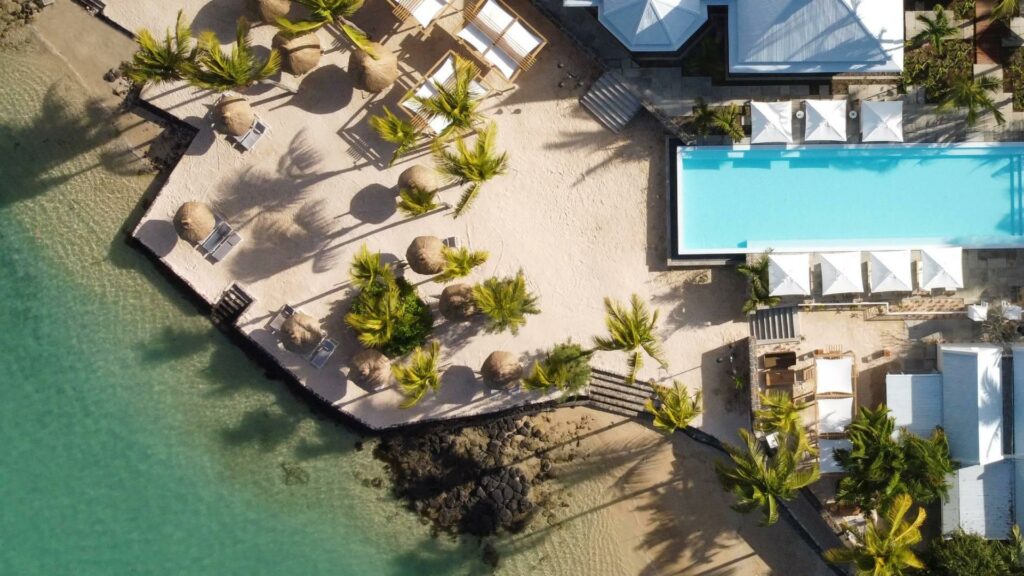
Verandah Grand Baie is one of the best family hotels in Mauritius offering excellent value for money. Nestled in the lively village of Grand Baie, this laid-back four-star resort offers stunning views of the lagoon and a private beach, creating a perfect setting for long, sun-soaked days by the water. Spacious self-catering apartments provide flexibility for families, especially larger groups which want the freedom to explore local restaurants or simply plan their own schedule — a great alternative to the island’s more typical all-inclusive options.
Families can enjoy a range of activities tailored for children, including complimentary water sports like kayaking and stand-up paddleboarding in the safe environment of the sheltered lagoon. For a more relaxed day, guests can embark on a catamaran snorkelling tour, or engage in archery and bike tours to nearby Creole villages.
Paradis Beachcomber – Best Family Hotel in Mauritius for Active Families
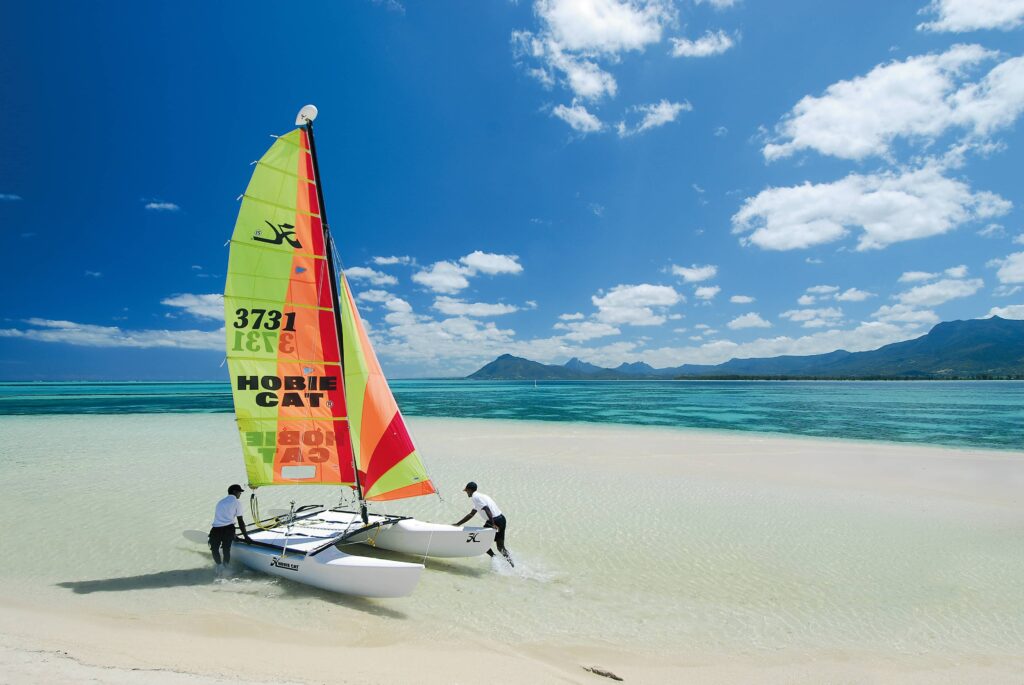
Nestled on the scenic Le Morne Peninsula, Paradis Beachcomber has earned its place among the top family hotels in Mauritius for active families. With over three miles of pristine beach to explore and one of the island’s best range of land and sea activities, the Paradis Beachcomber is a paradise for energetic families. Kids will love the dedicated kids’ club, featuring engaging activities like mini-golf, crab hunting, and lagoon fishing, while teens can enjoy snorkelling and windsurfing as well as tennis lessons on the resort’s six floodlit courts. While the children are entertained, adults can unwind on the championship 18-hole golf course or explore the rugged trails of Le Morne Mountain and Bel Ombre Nature Reserve.
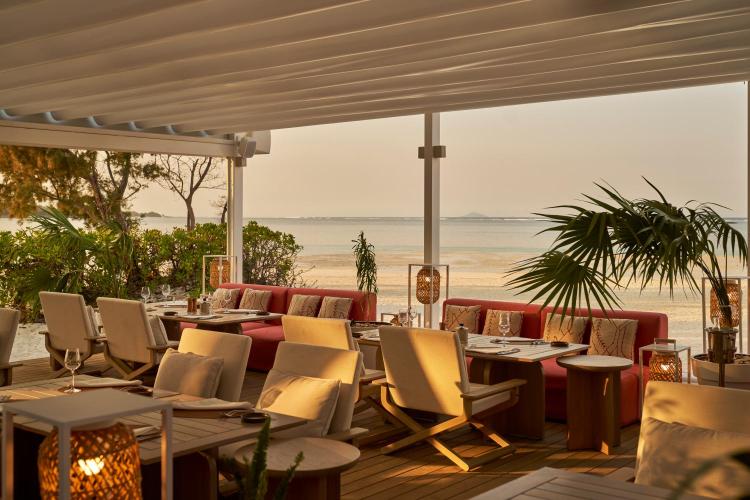
Lux* Belle Mare Plage – Best All-Inclusive Resort
Lux* Belle Mare is one of the best all-inclusive resorts in Mauritius. This family-friendly haven features spacious beach hut-style suites and villas, perfect for accommodating larger families. The all-inclusive package covers everything from gourmet dining options—including an adorable child-height buffet at the main restaurant Mondo —to a range of water sports for families such as kayaking and paddleboarding. With one of the island’s largest swimming pools, along with an all-day ice cream parlour and outdoor cinema, there’s no shortage of activities for children. The large Kids Club also offers engaging experiences like gelato making and crafts, while older kids can enjoy their own space at Studio 17, complete with gaming consoles and volleyball.
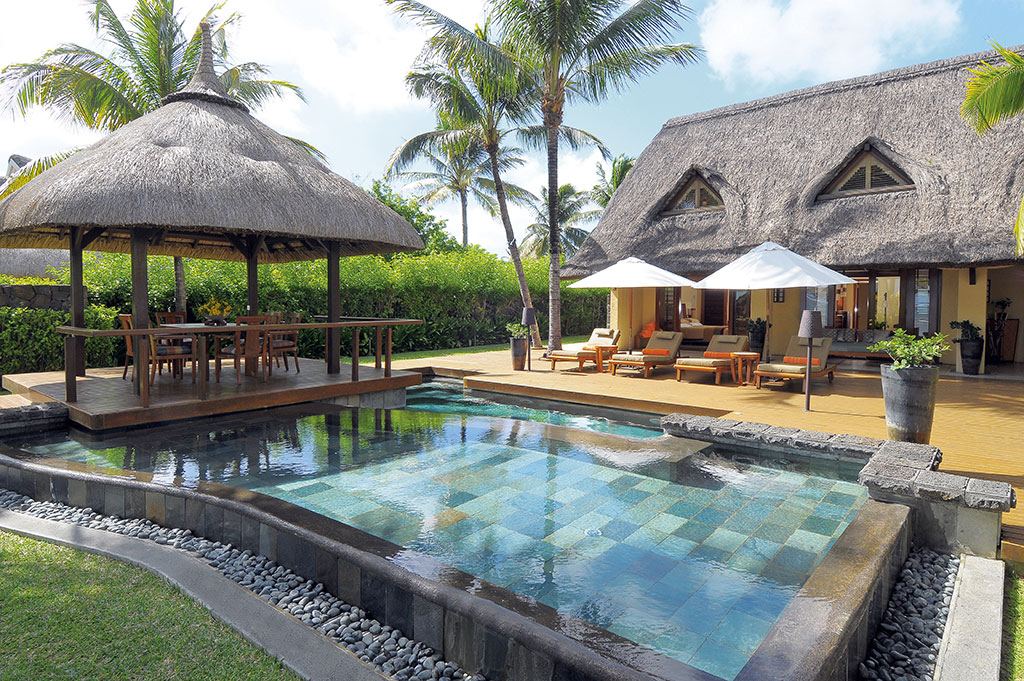
Constance Belle Mare Plage – Best Private Villas
Awarded the title of Mauritius’ Leading Family Resort 2024 by the World Travel Awards, Constance Belle Mare Plage is the epitome of luxury family hotels in Mauritius. The resort boasts a fantastic Kid’s Club, where children can participate in engaging activities, from arts and crafts workshops to a unique ‘feel like a team member’ day, complete with name badges and mini uniforms! The large beachfront villas, which come with up to five bedrooms and have private pools, large courtyards and personalised villa master service, are some of the best on the island and are our pick for larger family groups.
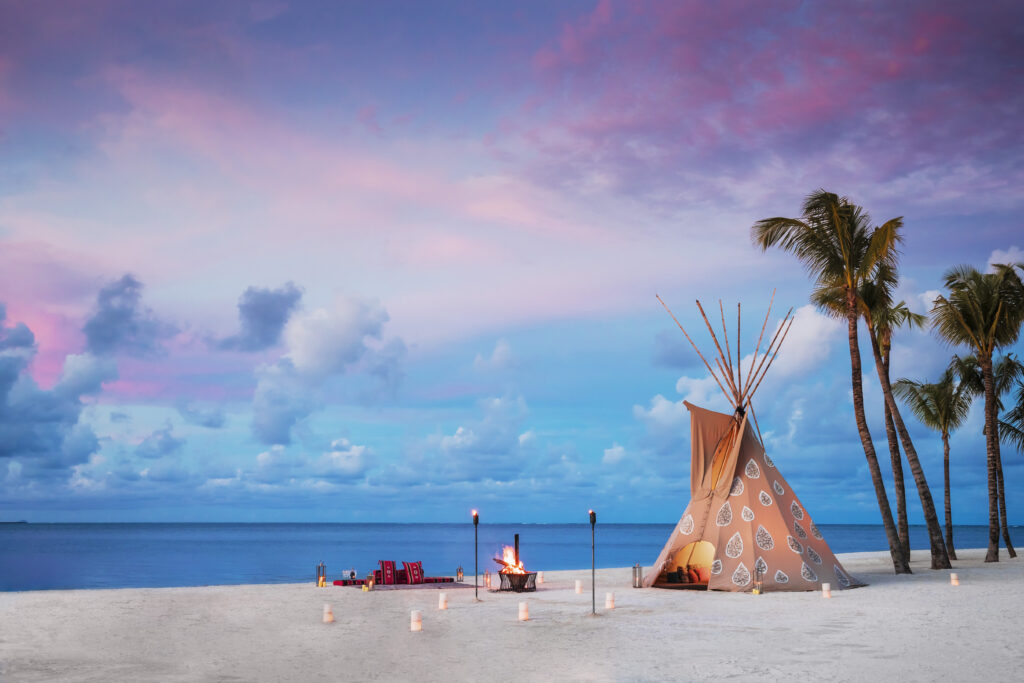
One&Only Le Saint Géran – Best Luxury Resort
For families looking for a more exclusive family holiday, One&Only Le Saint Géran is one of the best luxury hotels in Mauritius. Set on its own 60-acre private peninsula, Le Saint Géran seamlessly delivers the world-class amenities and serene atmosphere of a top five-star hotel alongside thoughtful experiences crafted specifically for families. Spacious two and three-bedroomed suites boast private cabanas on the beach and offer families the perfect secluded spot to enjoy some bonding time. The KidsOnly day camp offers another exciting hub for younger guests, with organised treasure hunts, beach bonfires, and table tennis tournaments, while older teens can partake in activities like karaoke and tennis lessons. With its thoughtful, family-centred amenities and luxurious atmosphere, Le Saint Géran stands out as one of the top hotels in Mauritius for families.

Conclusion
Mauritius offers an incredible array of options for families looking for the top hotels in Mauritius. Whether you prioritise exceptional value, all-inclusive packages, luxury amenities, or activities to keep the little ones happy, one of these hotels will meet your needs. From kids’ clubs to adventurous water sports, you’re sure to find the perfect backdrop for a memorable family holiday. Contact us today to start planning an unforgettable family getaway and experience all the magic Mauritius has to offer!
Dreaming of going on a luxury trip to Mauritius? See our magnificent selection of plush accommodations, strategically situated near the country’s most sought-after marine environments and reserves. Contact us now to begin planning your adventure.
Some images used in this blog are the property of our partners. Please contact us for more details.
Why Maldives Family Holidays are Perfect for Your Next Getaway
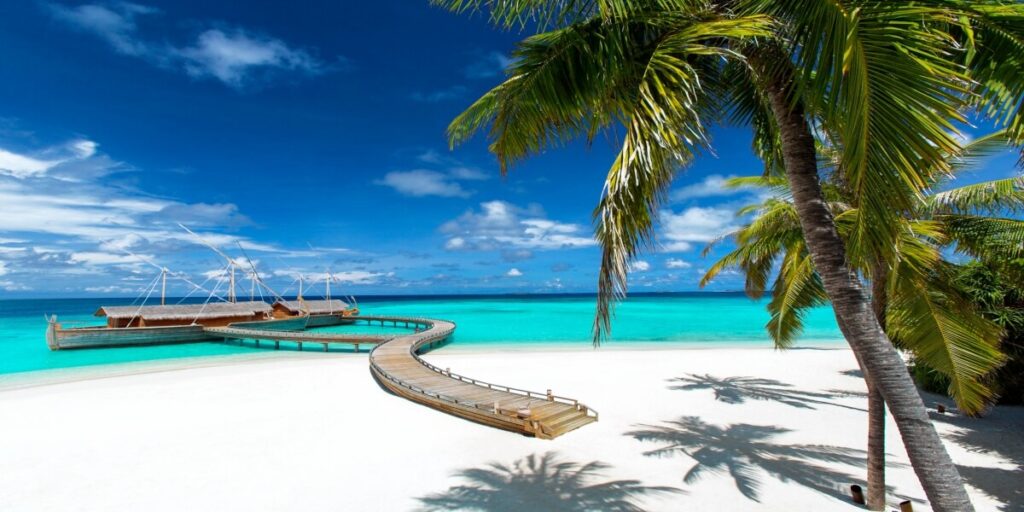
The Maldives, with its postcard-perfect islands, pristine beaches, and crystal-clear waters, is often seen as a romantic getaway for couples. However, this tropical paradise is equally ideal for families seeking a luxury and memorable holiday experience. Here’s why the Maldives should be on every family’s travel bucket list.
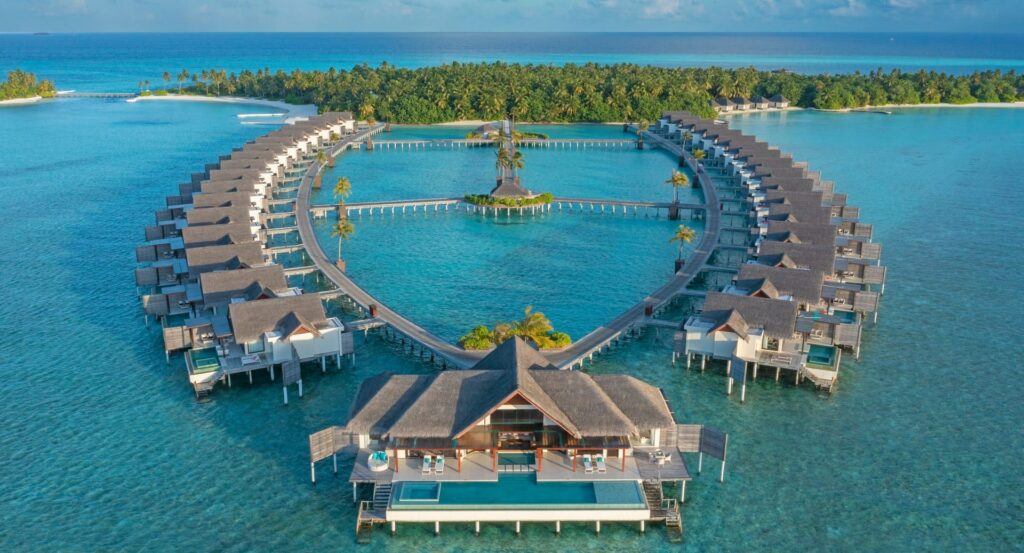
1. Kid-Friendly Resorts
The Maldives boasts a diverse range of kid-friendly resorts. Many of the luxury resorts scattered across the islands cater specifically to families, offering spacious family villas, child-friendly amenities, and activities designed for younger guests.
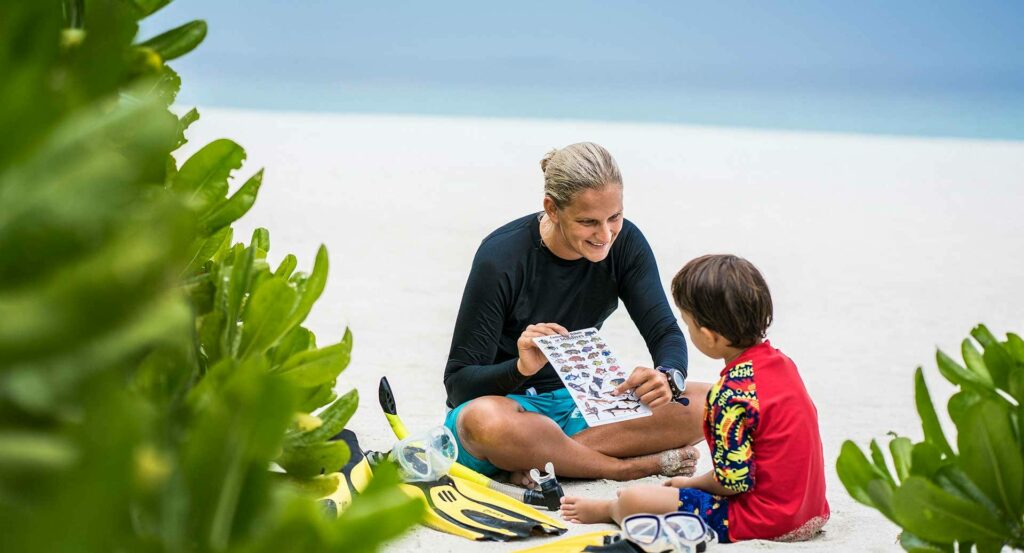
Resorts such as Hilton Amingiri, Colours of Oblu Sangeli and the Four Seasons Kuda Huraa have dedicated kids’ clubs where children can engage in fun and educational activities, from arts and crafts to marine exploration. This allows parents to enjoy some well-deserved relaxation, knowing their children are safe and entertained.
2. Safe and Secluded Environment
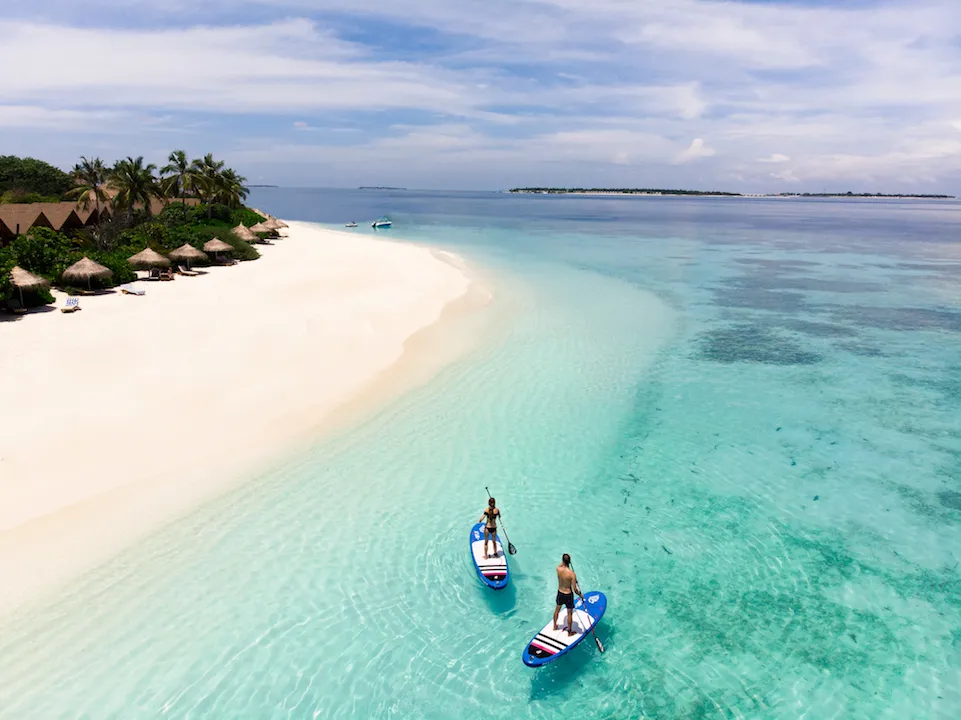
The Maldives’ unique geography, with each resort typically occupying its own private island, offers a safe and secure environment for families. The seclusion means minimal tourist traffic, allowing children to roam and explore freely. Additionally, the clear, shallow lagoons that surround many of the islands are perfect for young swimmers, providing a supervised space to enjoy the water without strong currents.
3. Exciting Activities for All Ages
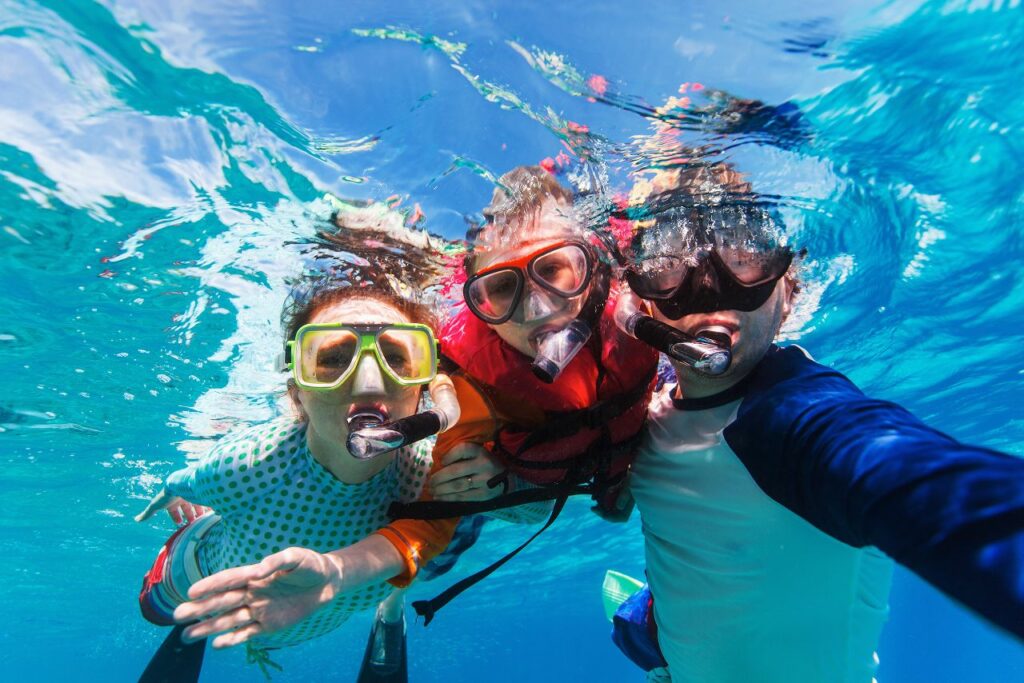
The Maldives is not just about lounging on the beach; it’s a destination brimming with family-oriented activities. Snorkelling is a must, with the Maldives’ vibrant coral reefs teeming with marine life such as colourful fish, sea turtles, and even manta rays. Many resorts, such as the Waldorf Astoria at Ithafushi, offer snorkelling excursions specifically designed for children, ensuring they can experience the underwater wonders in a safe and enjoyable manner.
For families with older children, there are opportunities for more adventurous activities like dolphin watching, fishing trips, and even introductory scuba diving courses. Many resorts also offer educational activities focused on the marine environment, such as marine biology lessons and guided reef tours. These experiences provide children with a deeper understanding of the ocean’s ecosystems, fostering a sense of wonder and responsibility toward marine conservation that will stick with them for life.
4. Cultural and Culinary Experiences
A family holiday in the Maldives is also a chance to experience a rich cultural heritage. Families can visit local islands to witness Maldivian daily life, try traditional foods, and enjoy folk music and dance performances. Engaging with the local culture provides children with a broader understanding of the world, making the holiday both fun and educational. Cora Cora Maldives, for example, offers a unique cultural experience with the Maldives Museum, showcasing the island’s rich history.
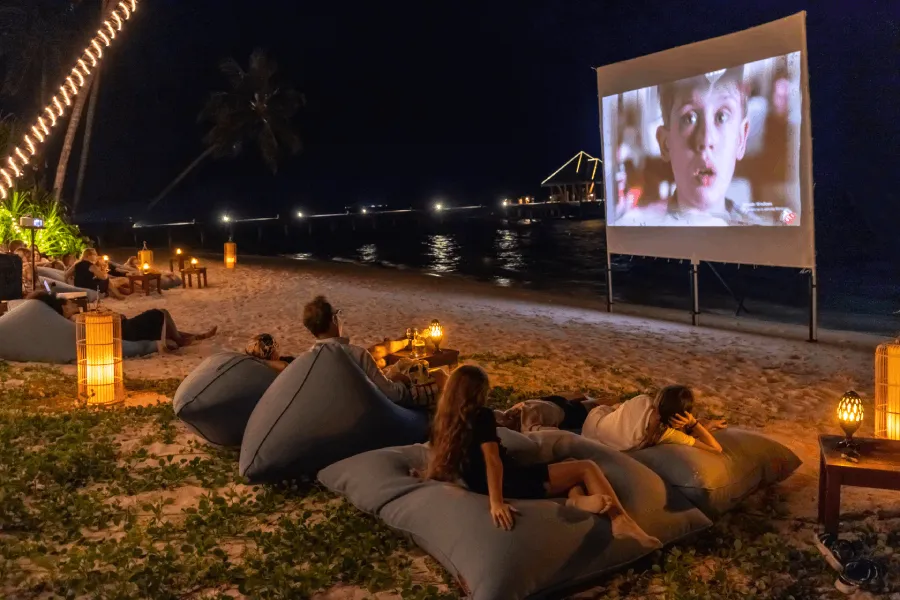
The culinary offerings at Maldivian resorts are also a highlight for families. Most resorts have multiple restaurants, offering everything from international cuisine to local Maldivian dishes. Special kids’ menus are common, ensuring even the pickiest eaters are catered for. For a unique dining experience, many resorts offer private beach dinners, where families can enjoy a meal under the stars, creating lasting memories.
5. Flexibility and Convenience
Traveling to the Maldives with family is surprisingly convenient. Most resorts offer all-inclusive packages, taking the stress out of planning and budgeting. These packages often include meals, activities, and even childcare services, making it easier for families to focus on enjoying their time together. The close proximity of many resorts to the Malé International Airport also means that after a short flight, families can quickly reach their destination, minimizing travel fatigue.
One of the biggest advantages of choosing the Maldives for your family holiday is the convenience of direct flights from the UK as well as no visa requirement. Several airlines, including British Airways and Virgin Atlantic, offer direct flights from London to Malé International Airport, making it easier than ever to reach this tropical paradise. With a flight time of around 10 to 11 hours, you can leave the UK in the evening and wake up in the Maldives, ready to start your family adventure without the hassle of layovers.
Summary
A family holiday in the Maldives is more than just a beach escape; it’s an opportunity to bond, explore, and create cherished memories together. With its family-friendly resorts, safe environment, and diverse range of activities, the Maldives offers something for every member of the family, making it a perfect holiday destination for all ages. Whether building sandcastles, snorkelling with vibrant marine life, or simply relaxing in a hammock with a good book, the Maldives provides the ideal backdrop for an unforgettable family adventure.
Dreaming of going on a luxury trip to the Maldives? See our magnificent selection of plush accommodations, strategically situated near the country’s most sought-after marine environments and reserves. Contact us now to begin planning your adventure.
Some images used in this blog are the property of our partners. Please contact us for more details.
When Is the Best Time to Go on a Safari in Kenya?
Kenya is a spectacular safari destination. The country is home to 54 national parks and reserves, each of which is teeming with extraordinary animal species, from lions to antelopes and buffalos to elephants.
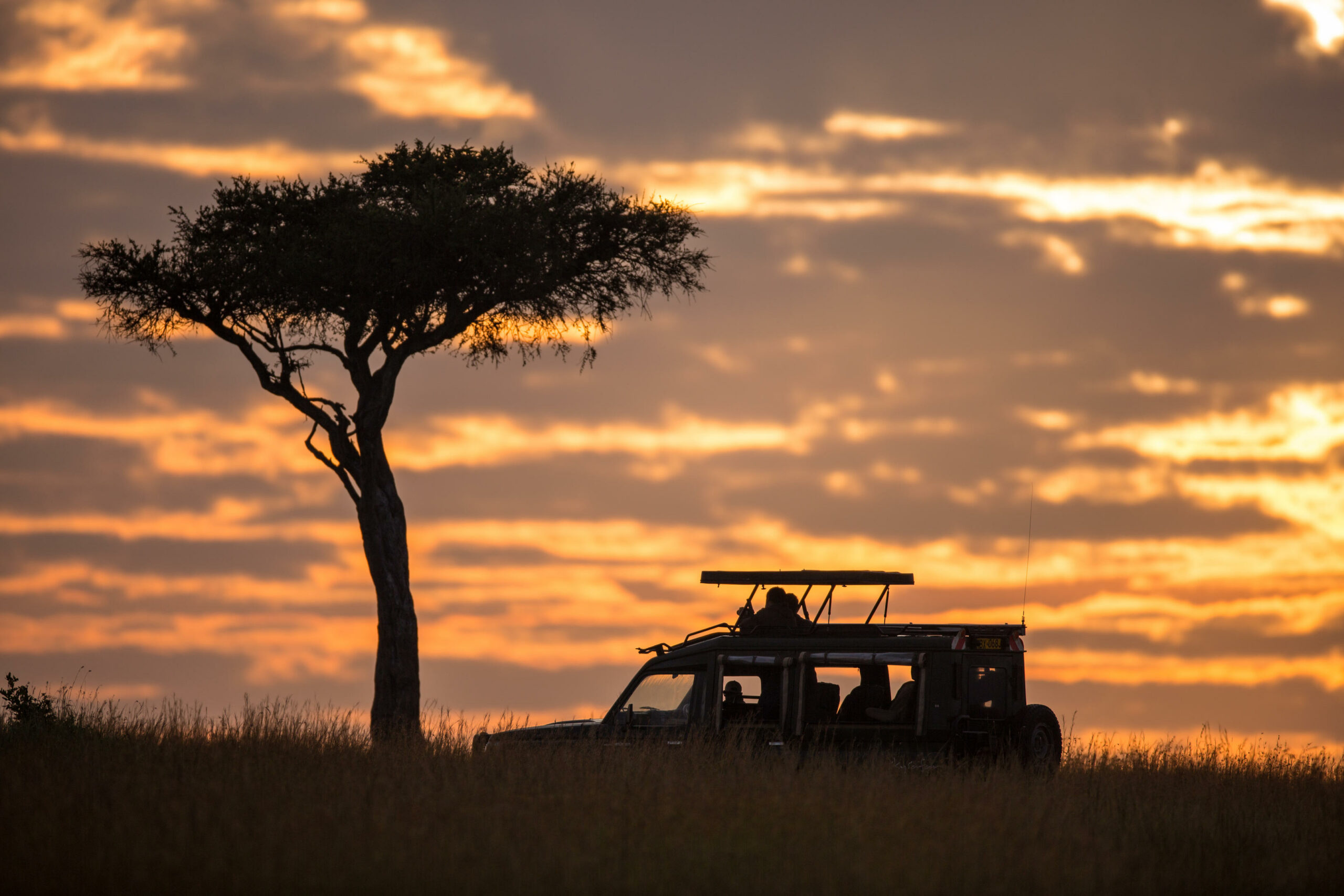
As such a sought-after wildlife destination, many wonder when the best time of year to go on a safari in Kenya is. There is no definitive “wrong” time for an animal-spotting adventure in this East African paradise. However, it is worth noting that different months offer unique safari experiences. In this article, we share all you need to know to determine when is the best time to go to Kenya on safari for you.
When is the Best To Go On Safari in Kenya
January
Those going on Kenya safari tours in January can expect the weather to be hot and dry, with average temperatures of 24°C during the day. The lack of rainfall during this period of the year makes it an excellent time for outdoor wildlife adventures, such as walking and driving tours.
Falling under the country’s low season, those visiting Kenya in January will be able to enjoy lower prices and less crowded parks. This is especially true for those looking to visit the Masai Mara, as most tourists visit here between July and August to catch the Big Migration.
Many see January as one of the best times to go on safari in Kenya. The minimal rainfall results in scarce water sources, prompting animals to gather around the few available. This makes them much easier to spot. Additionally, the sparse vegetation during this month provides uninterrupted views of the wildlife.
February
February, remaining within the dry season, is also often hailed as the best time to go on safari in Kenya. Showers continue to be rare, meaning that animals remain easily visible near water sources and within the sparse landscape.
What’s more, the lack of rainfall offers the additional benefit of minimising muddy terrain, making it all the easier to explore the parks and reserves. Weather-wise, conditions remain hot and dry, with highs of 28ºC and lows of 13ºC.
Those planning a visit during this period should ensure to pack sufficient high-SPF sun protection and a broad-brimmed hat to shield themselves from the intense heat.
March
As we move into March, Kenya transitions into its long rainy season. While some tourists may avoid this period, assuming that it’s not the best time to go to Kenya on safari, there are unique advantages for those who choose to visit during this month.
March is a relatively quiet season for many of the parks and reserves. With fewer visitors, you can explore the landscape and encounter wildlife in a more peaceful and tranquil environment. Additionally, prices tend to drop during this time of year.
Another thing to note is that, while March marks the start of the rainy season, the showers tend to only arrive towards the end of the month. This means that for the majority of this period, you can enjoy all the benefits of visiting Kenya in March without any significant weather concerns.
April
In April, Kenya reaches the peak of its wet season, resulting in the closure of some camps and roads due to the risk of floods. Consequently, it is not typically considered the best time to go on safari in Kenya. However, there is something special about visiting during this period.
The wet weather transforms the country’s parks and reserves into lush, green oases. If you choose to visit certain areas in April, you’ll be treated to spectacular displays of nature, with unique plant life thriving across once-dry regions and rivers flowing vigorously.
When searching for a safari lodge in Kenya during this month, it’s advisable to book as early as possible. With fewer options available during this time of year, spaces can fill up quickly.
May
May is another interesting time to go on a Kenya safari holiday. Still falling under the rainy season, the country’s landscapes are rich with flourishing vegetation. This makes for beautiful natural scenery. However, the abundance of thick plant life can make it slightly more challenging to spot animals.
In saying that, the light and colours provide exceptional photography opportunities. Similar to April, some safari camps and lodges in Kenya close in early May. However, toward the end of the month, as the landscapes begin to dry out, they start to reopen.
As these camps and lodges welcome visitors again, prices generally stay lower than during other periods of the year.
June
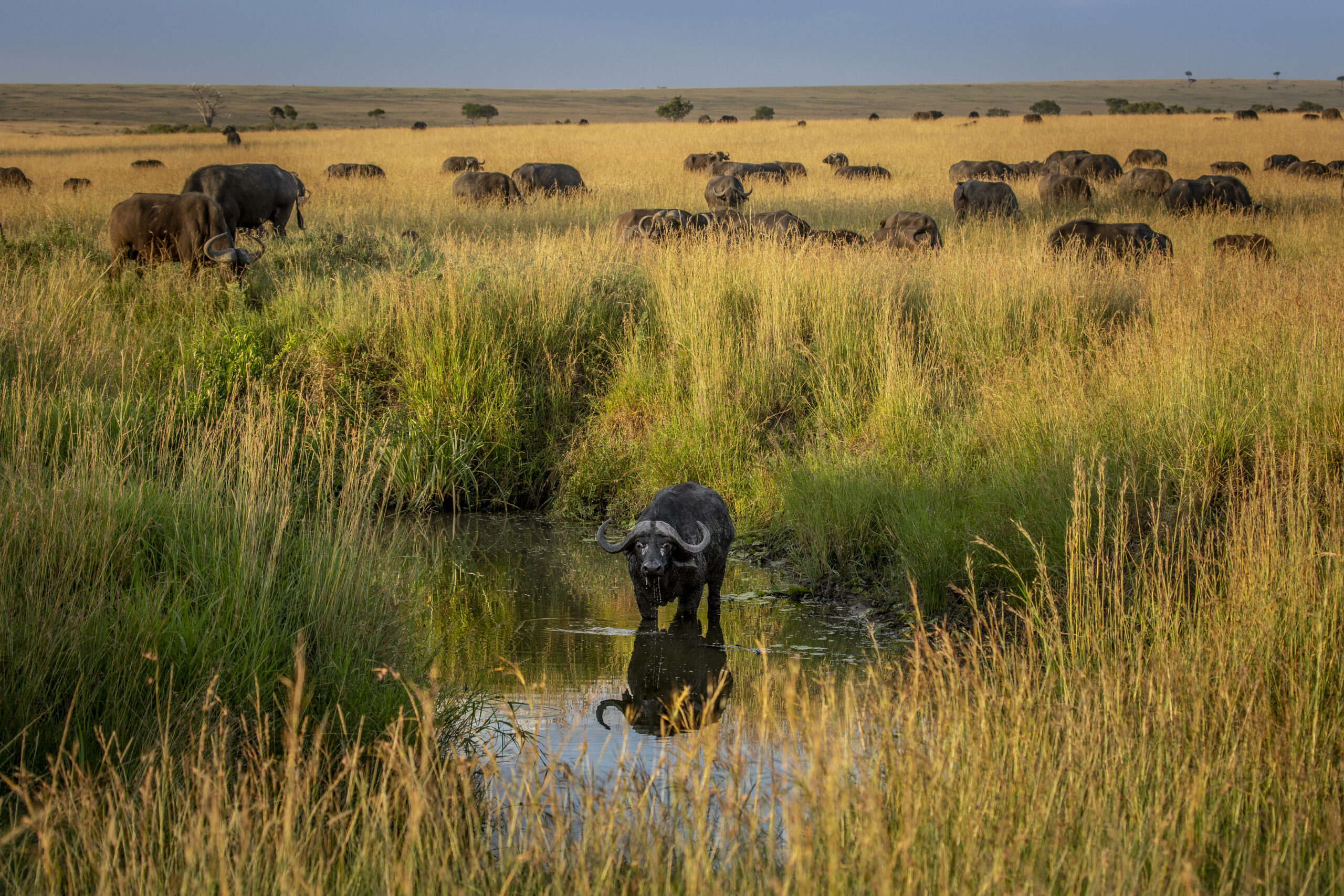
When people ask what is the best time to go on safari in Kenya, June often emerges as the top recommendation. The landscapes remain breathtakingly green, temperatures are slightly cooler and the rains begin to subside.
June falls under the country’s shoulder season, meaning the parks are quieter and more peaceful than during the peak tourist periods. One thing to note is that the herbivore animals can be more difficult to spot in June compared to the following months.
This is because the abundance of pasture and water disperses them, meaning they are less concentrated in certain areas and more scattered throughout the landscapes. The main advantage of going on a safari in Kenya in June is that this is when the wildebeest wildebeests begin to mass. Spotting the herds by the Kenya-Tanzania border is an incredible sight to behold.
July
July is also often hailed as the best time for a safari in Kenya. During this month, visitors can enjoy reduced rainfall and pleasant temperatures while also catching the start of the Great Migration. This awe-inspiring event sees wildebeests thundering across the plains of the Masai Mara and making dramatic river crossings, creating a magnificent spectacle.
One drawback of taking a safari in Kenya in July is that it falls within the park’s peak tourist season. As a result, you tend to need to book lodges and camps well in advance due to high demand, and you may encounter larger crowds during your visit. However, the experience of witnessing the Great Migration, one of nature’s most extraordinary phenomena, often makes it all worthwhile.
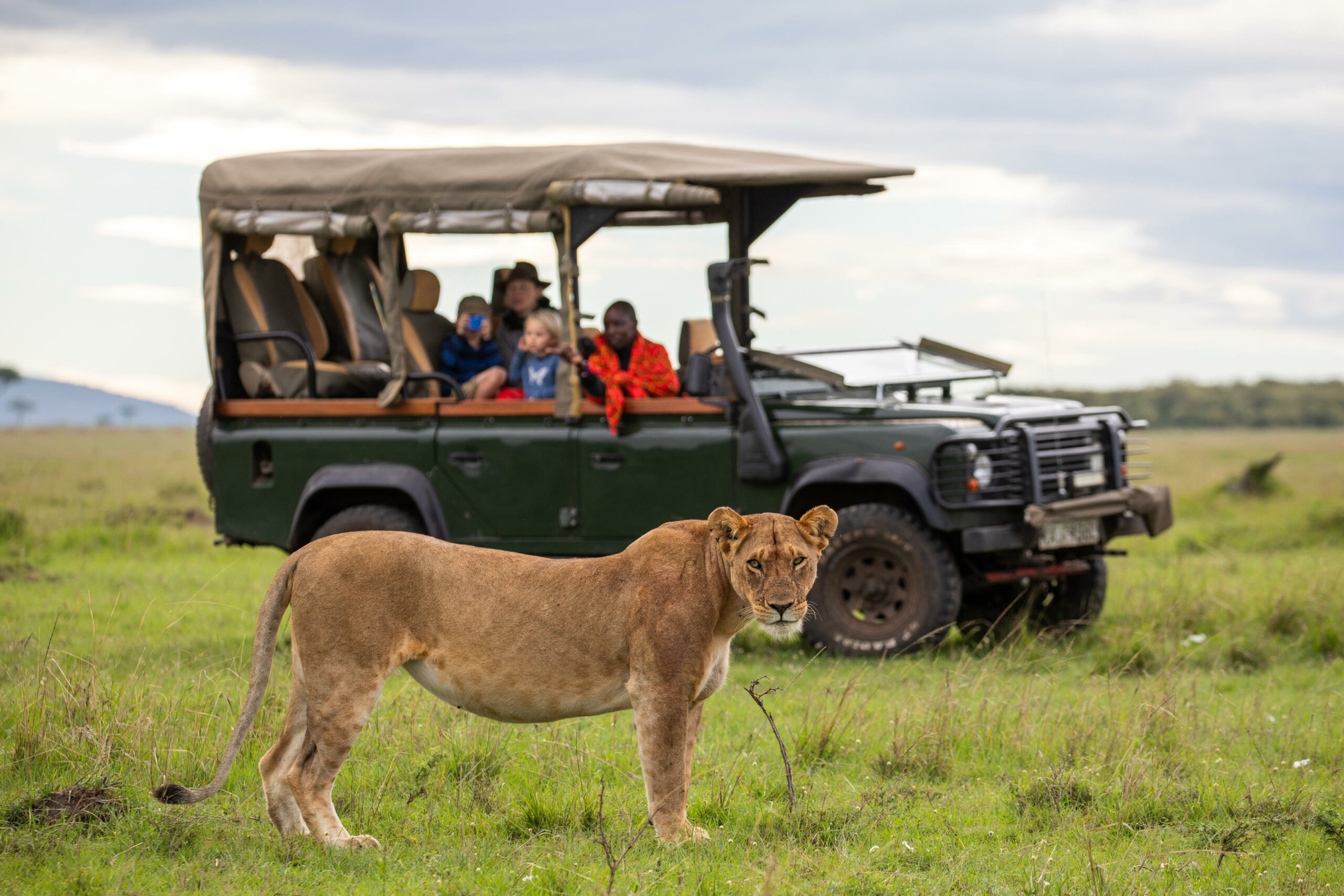
August
August is another wonderful time to go on a Kenya safari holiday. By this point, the Great Migration is in full swing. This means you will be able to witness thousands of wildebeests surging across the vast plains of the Masai Mara.
Still falling under the dry season, wildlife tends to gather around the limited water sources during this month, enhancing your chances of spotting a diverse range of magnificent creatures.
With so much to see in August, it comes as no surprise that it is often seen as the best time to go on a safari in Kenya. However, the wealth of benefits that come with visiting the country during this month have not gone unnoticed, making it one of the most popular tourist seasons.
September
Similar to July and August, September provides abundant opportunities for wildlife viewing. During this period, visitors can still witness one of the world’s greatest natural spectacles—the Great Migration of wildebeests.
The hot, dry weather prevails in September. In fact, there is typically very little to no rainfall. Consequently, the plains have minimal vegetation. The lack of foliage makes it very easy to spot wildlife.
Another advantage of visiting during this month is that it falls outside of the school holidays, resulting in fewer fellow tourists. The combination of rich wildlife viewing opportunities and the peacefulness of the plains leaves it no wonder why September is often considered the best time for a safari in Kenya, particularly for those not restricted to travelling during school holidays.
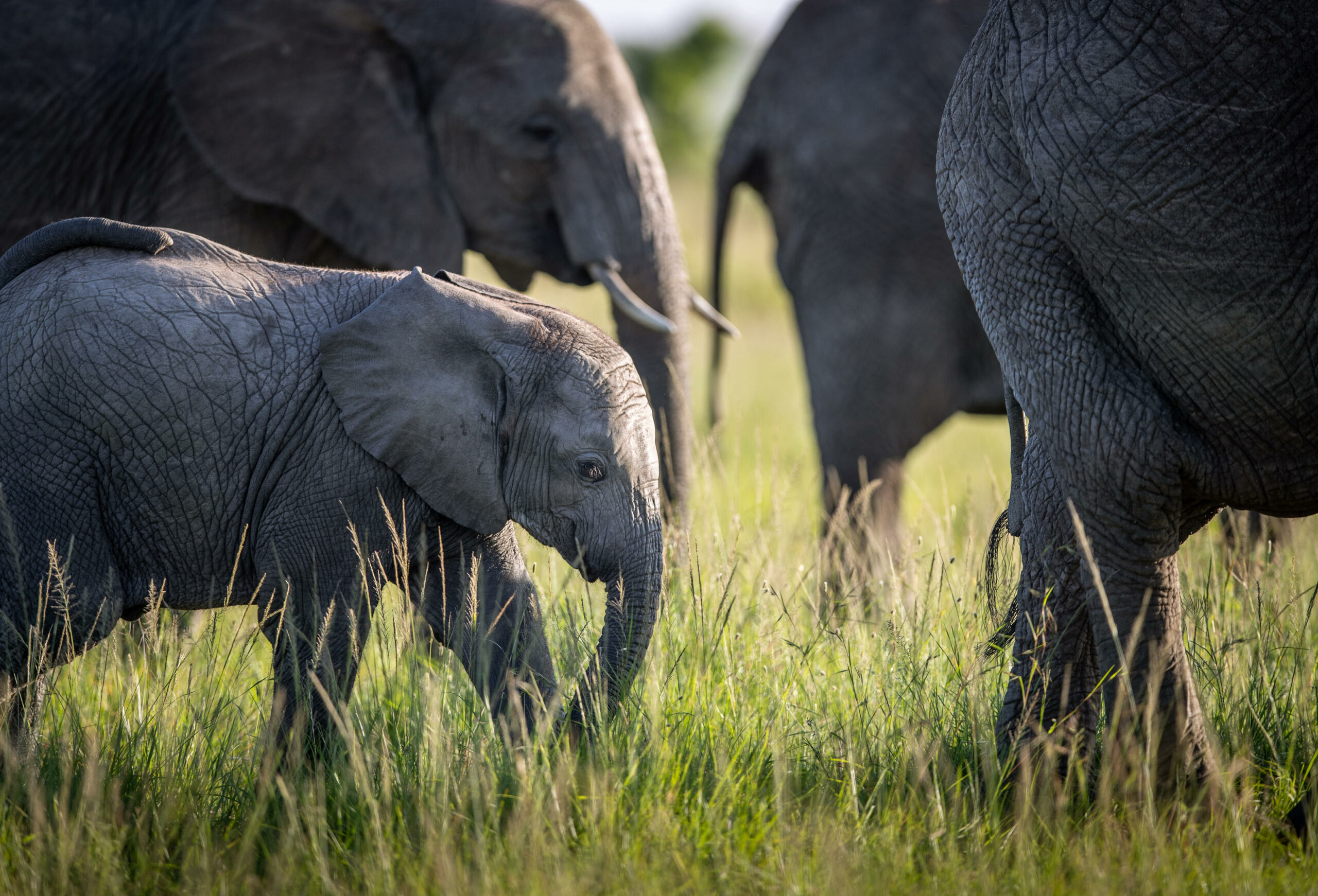
October
The wildebeests can still be seen throughout the plains up until the middle of October, making this another great month for wildlife viewing. Also falling under the dry season, the African bush remains thin at this time of year, making it easy to spot many of the landscapes’ incredible creatures.
By October, most tourists have already left Kenya, providing an opportunity to experience the plains in a quieter and more peaceful environment. While occasional showers may occur as the rainy season approaches, the overall tranquillity of this period promises an enchanting experience.
In general, the weather stays warm and dry in October, with average temperatures around 20°C.
November
November marks the beginning of Kenya’s short rainy season, bringing increased rainfall and a surge in vegetation across the landscape. While this flourishing plant life creates stunning natural scenery, it can also make wildlife tracking more challenging.
The lush vegetation brings an abundance of food sources which cause the animals to spread more widely throughout the parks and reserves. This dispersion makes them more challenging to spot. It can also be quite difficult to discern the creatures amidst the dense plant life.
However, if you prioritise having fewer fellow visitors during your safari in Kenya, this may be an ideal time for you. You will also be able to enjoy lower prices and the arrival of migratory birds. What’s more, while this is the beginning of the short rainy season, the showers are rarely strong enough to cause any major disruptions to your plans.
December
Safari parks in Kenya are dazzlingly green in December. The rains bring plant life to flourish, transforming the landscapes into emerald utopias.
This season also sees an abundance of active migratory birdlife, with exotic avian creatures gracefully traversing the skies. You will also have the chance to see many baby animals, as many species give birth during this time of year, such as the antelopes.
For those embarking on a December safari in Kenya, other benefits include lower prices and smaller crowds, except during the Christmas holiday period which can be quite popular. Fortunately, the rainy season typically concludes by mid-month.
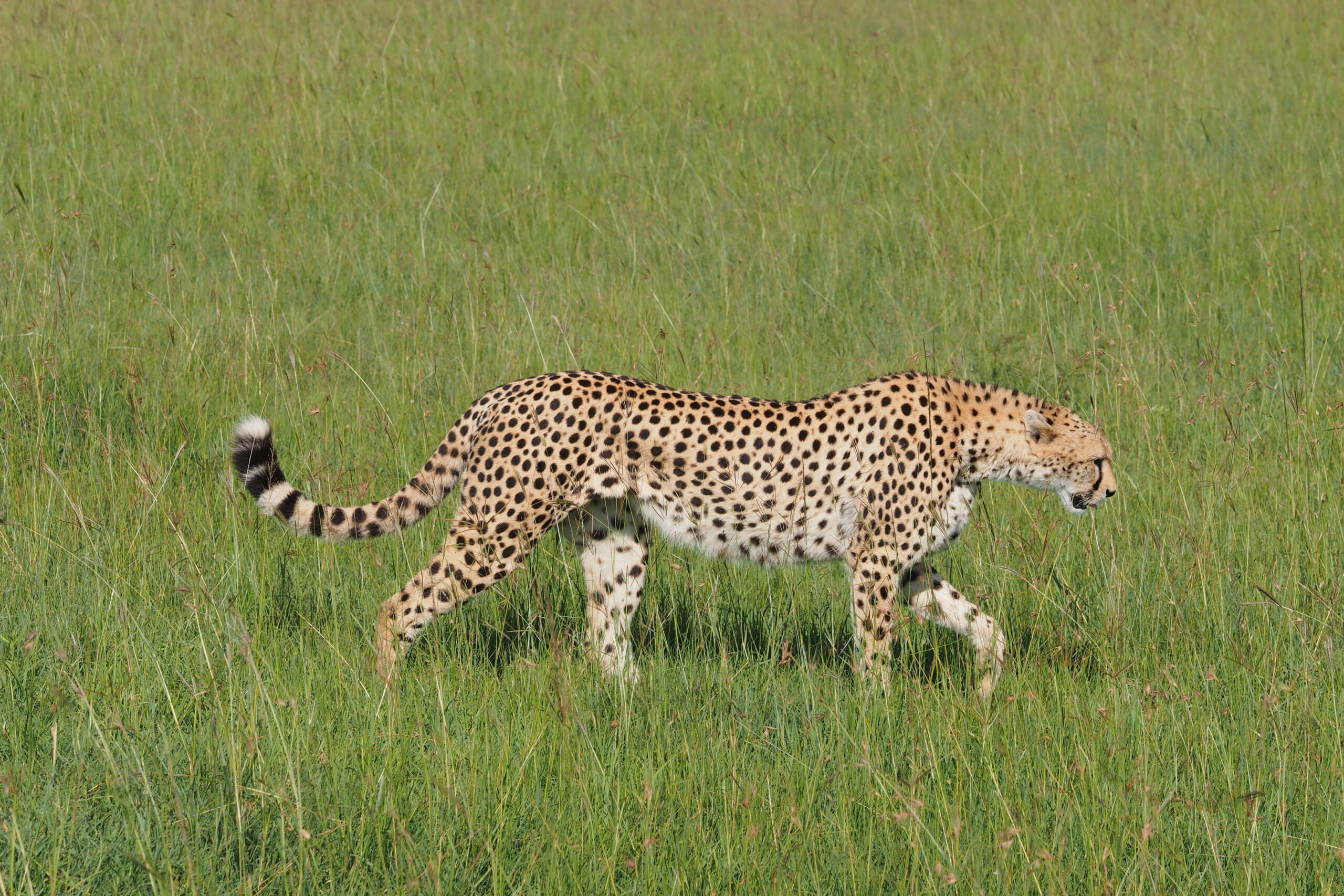
What Animals Do You See on a Safari in Kenya?
A safari in Kenya offers the opportunity to encounter a diverse range of wildlife. Some of the remarkable animals you can expect to see include:
- Big Cats – Kenya is renowned for its big cat populations, including lions, leopards and cheetahs. The Maasai Mara, in particular, is famous for its lion prides.
- Elephants – these gentle giants can be spotted in various national parks and reserves, such as Amboseli National Park and Tsavo National Park.
- Rhinoceros – both black and white rhinoceros can be seen in Kenya, especially in protected sanctuaries like the Ol Pejeta Conservancy.
- Zebras – these striking striped animals are numerous in Kenya and are often seen grazing alongside wildebeests.
- Wildebeests – known for their spectacular Great Migration, wildebeests are a highlight of the Maasai Mara’s wildlife scene.
- Hippos – lakes and rivers in Kenya are home to large populations of hippos, and you can often see them lounging in the water.
Summary
A glorious untamed natural paradise, you cannot go wrong with a safari trip to Kenya. Each month of the year promises a unique and special experience, whether it’s witnessing the Great Migration, enjoying lush landscapes or encountering baby animals. No matter when you set off on a safari adventure in Kenya, prepare to be left in awe of the breathtaking landscapes and incredible wildlife species in this remarkable corner of the world.
Dreaming of going on a luxury safari in Kenya? See our magnificent selection of itineraries and plush accommodations, strategically situated near the country’s most sought-after wildlife parks and reserves. Contact us now to begin planning your safari adventure.
Some images used in this blog are the property of our partners. Please contact us for more details.
When Is the Best Time to Go on a Safari in South Africa?
South Africa is a glorious natural paradise home to many of the best safari parks and reserves in the world. Among these include Kruger National Park which is world-renowned for its outstanding biodiversity and Timbavati Nature Reserve, known for its rare white lions.
The country is blessed with incredible landscapes and wildlife. In fact, South Africa is home to just about every animal you could hope to encounter on a safari, from cheetahs to hippopotamuses and leopards to wildebeest.
With so many magnificent creatures to see and landscapes to explore, it is only natural that many ask: “When is the best time to go on a safari in South Africa?” while planning a trip. After all, you want to visit during a period when the scenery is in its prime and wildlife sightings are common.
However, the best time to go on a safari in South Africa largely depends on personal preferences. In this article, we break down the key advantages of going on a wildlife adventure in the country during different seasons.
Whether you are a general wildlife enthusiast, a lover of landscapes, or a dedicated birdwatcher, these insights will help you plan the perfect safari experience.
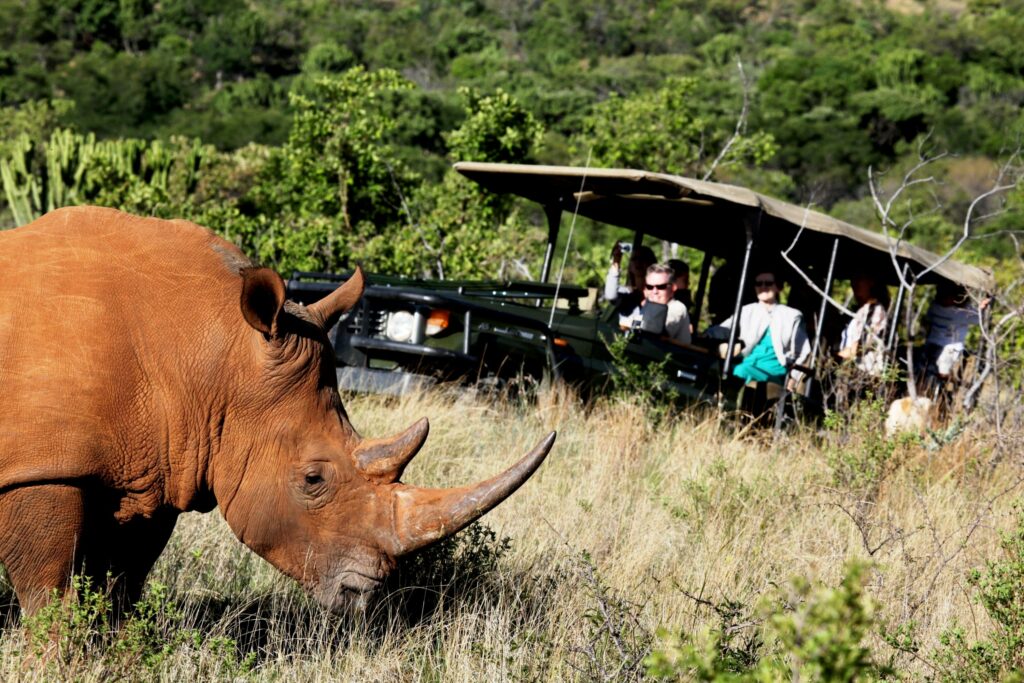
What Is the Best Time of Year to Go on Safari in South Africa?
March to May (Autumn)
March to May is often thought to be one of the best times to go to South Africa for wildlife diversity. March is the final month of the country’s rainy summer season and signals the transition into Autumn.
This means that initially, the bushveld flourishes and the rivers are full, creating the most glorious natural scenery. The sporadic showers begin to dwindle throughout March and the following months, causing the summer foliage to thin and provide excellent visibility.
At this point, it becomes much easier to spot creatures, particularly more elusive ones such as leopards. The animals are also more active in Autumn and are often seen strolling through the landscape.
March to May is also commonly regarded as the best time of year for safari in South Africa for those looking who are also wanting to visit Cape Town. Temperatures hover between 16°C and 25°C, providing pleasant temperatures not just for game walks and drives but trips to Boulders Beach and hikes to the top of Table Mountain.
With so much to see during this period, it’s no wonder why it is often hailed as the best time to visit South Africa for a safari. Not only will you be able to tick off seeing marvellous creatures like elephants, lions and African buffalo, but also explore the bright lights of The Mother City.
June to August (Winter)
If you’re aiming to see the widest variety of animal species possible, June to August is likely to be the best time to go to South Africa for you. This period falls under the country’s winter; you can expect dry days with pleasant afternoon temperatures of around 26°C.
Figures then fall in the morning and afternoon and often sit somewhere between 7°C and 11°C. The majority of the country’s wildlife reserves, such as Kruger National Park, are at their driest at this time of the year, elevating visibility and boosting wildlife viewing opportunities.
You will be able to see many animals gathering by watering holes during this period, including elephants and lions. Considering the bountiful wildlife spotting opportunities on offer between June and August, and the fact that these months coincide with the school holidays, it is often touted as the best time to visit South Africa for safari for families.
Another advantage of visiting South Africa in winter is that the cool nighttime temperatures result in reduced mosquito activity. The only downside to this is that you need to pack more layers for early morning game drives.
July and August mark the onset of the whale-watching season. You may wish to consider extending your safari trip to include a visit to Hermanus in the Western Cape. The town is renowned as the world’s best land-based whale-watching spot.
Here, you can tick off the incredible experience of witnessing these colossal mammals gracefully navigating the azure waters along the Cape coastline.
September to November (Spring)
Seeking the best time of year to visit South Africa for whale watching? Look no further than the spring months of September to November.
This is when the country’s whale watching season reaches its peak, meaning you’ll be able to spot many migrating humpbacks on the eastern coast, and southern right whales arriving in the Western Cape.
The safari scene is also strong between September and November. In fact, one of the most magical things about going to South Africa at this time of year is that lots of wildlife species give birth during this period.
From September to November, visitors have a unique opportunity to witness heartwarming sights, including baby bush babies and African buffalos.
Additionally, this period brings sunny weather and warmer mornings compared to the previous months. This makes early game drives and walks all the more enjoyable. By November, rain levels increase, leading to denser vegetation.
While this can make it slightly more challenging to spot creatures, it also brings additional benefits, such as injecting vibrant colours into the bushveld and attracting the first migratory birds. Look out for notable avian arrivals like the European Bee-Eater, Yellow Wagtail and Steppe Buzzard.
December to February (Summer)
South Africa enters its rainy summer season in December. The increased rainfall brings many of the country’s game reserves to burst into life, with colourful vegetation carpeting once-arid plains. While this creates stunning natural scenery, it can also pose a challenge for wildlife spotting.
Moreover, the increased rainfall prompts the opening of numerous water holes across the country, leading to the dispersion of herds. For this reason, many do not consider December the best time to go to South Africa for a safari.
That being said, Kruger’s private game reserves still offer spectacular wildlife viewing opportunities during this month. Timbavati, for example, is a great destination to head to during this time of year.
January brings hot humid temperatures and rainfall tends to increase. You are likely to experience heavy showers in the afternoon, while the mornings and evenings tend to be drier and ideal times to head out on safaris. As in December, the verdant bush can make it more difficult to spot wildlife.
However, one of the best things about visiting South Africa during this period is that its blissfully warm evenings provide perfect conditions for enjoying sundowners. In fact, this month is particularly renowned for its stunning sunsets, which often showcase magnificent blends of scarlets and fuchsia taking over the sky.
As we move into February, the country edges towards its Autumn season. This month is also quite wet, with downpours often taking place in the afternoon. Temperatures remain high, with figures of around 32°C and high humidity.
Mornings and evenings tend to be drier and ideal times to go on safari. Spotting creatures can be challenging amid blooming flowers and dense vegetation. However, it’s not all doom and gloom, as many consider this period to be one of the best times to visit South Africa for birding.
You’ll see many birds in full plumage and migratory species looking very settled. Some of the most exciting avians to watch out for include the vibrant lilac-breasted rollers, majestic African fish eagles, and the distinctive southern ground hornbill.
When Is the Best Time to Go to South Africa for a Safari?
After learning about what each month offers, you might still be wondering, ‘When is the best time to visit South Africa for me?’. Ultimately, it boils down to a matter of personal preference.
Best Time to Go on a Safari in South Africa for Wildlife and Trips to Cape Town
The best time to go on a safari in South Africa for those looking to see a wide range of animals and visit Cape Town is from March to May. With pleasantly warm temperatures and minimal rainfall, the weather conditions are ideal for exploring the attractions of the Mother City and embarking on wildlife adventures.
Best Time to Go on a Safari in South Africa for Wildlife Spotting
June to August, on the other hand, is generally considered the best time to go on a safari in South Africa for wildlife spotting. This period marks the country’s winter season, when many wildlife reserves are at their driest.
The minimal rainfall results in sparse vegetation which makes it easy to spot all of the species congregating by the watering holes. For this reason, June to August is often hailed as the best time for safari in South Africa for those keen on maximising animal sightings.
Best Time to Go on a Safari in South Africa To See Newborns and Go Whale Watching
September to November is the ideal period for those seeking sun and an opportunity to witness newborn wildlife. It’s also an excellent time for whale watching along the eastern coast and in the Western Cape.
Best Time to Go on a Safari in South Africa for Bird Lovers
Finally, December to February is the best time of year for a South African safari for those who are interested in birding. Visitors during this period will encounter an incredible array of unique avian species.
What Animals Do You See on a Safari in South Africa?
Curious about the wildlife you might encounter on a South African safari? Explore some of the country’s most magnificent creatures below:
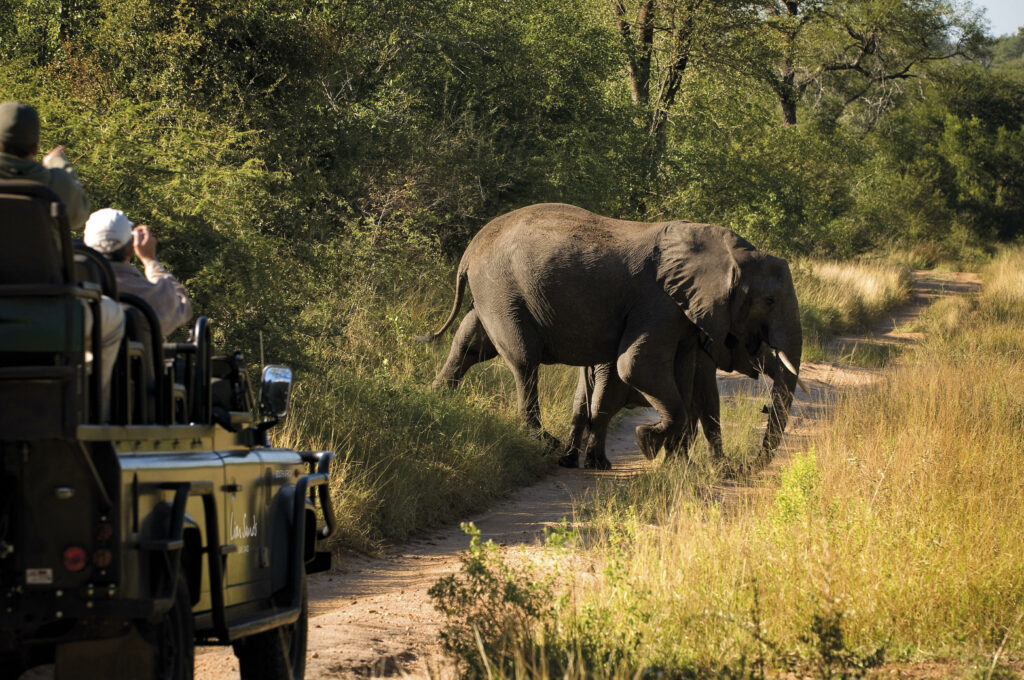
- African Elephant – majestic and enormous, elephants are a common sight in many South African reserves and national parks.
- African Lion – one of the “Big Five,” lions are among the most sought-after animals on safari, and South Africa provides ample opportunities to see them in action.
- African Cape Buffalo – Cape buffalo are formidable creatures often found in South Africa’s woodland savannahs.
- Leopard – the elusive leopard, known for its stealth and beauty, can be spotted in various habitats across South Africa.
- Rhinoceros – both black and white rhinos can be found in South Africa. In fact, the country is home to one of the largest populations of these creatures in the world.
Summary
Serving up unspoilt landscapes and extraordinary wildlife, South Africa is a wonderful destination for a safari escape. Whether you choose to visit during the lush greenery of the summer or the dry days of winter, you are in for a sensational adventure year-round.
Planning a safari trip to South Africa? Our itineraries and accommodations are perfect for travellers wanting to uncover the unique wildlife in this wonderful corner of the world. Take a look at our selection or contact us about booking your dream South African safari.
Some images used in this blog are the property of our partners. Please contact us for more details.
The Best Places to Visit in Namibia
Nestled in Africa’s South Western corner, Namibia stands out for its truly unique range of landscapes. The treacherous Atlantic coast laps Namibia’s Western border, the colossal sand dunes of Sossusvlei rise out of the South, whilst the cosmopolitan cities of Swakopmund and Windhoek thrum with energy.
Touching down, you will encounter this diversity first-hand travelling into Namibia’s remotest corners. Take to the road on a self-drive road trip, or hop into your own Cessna to witness the true vastness of the country from the sky. From horseback, 4×4, quad bike to hot air balloon, families can explore by every mode of transport you can think of.
With such a diverse array of landscapes and destinations, you’d be forgiven for feeling a little intimidated by the prospect of planning a family safari to Namibia. To provide inspiration and some top Coral Tree tips, we have put together a list of our must-see places to visit in Namibia.
1. Damaraland
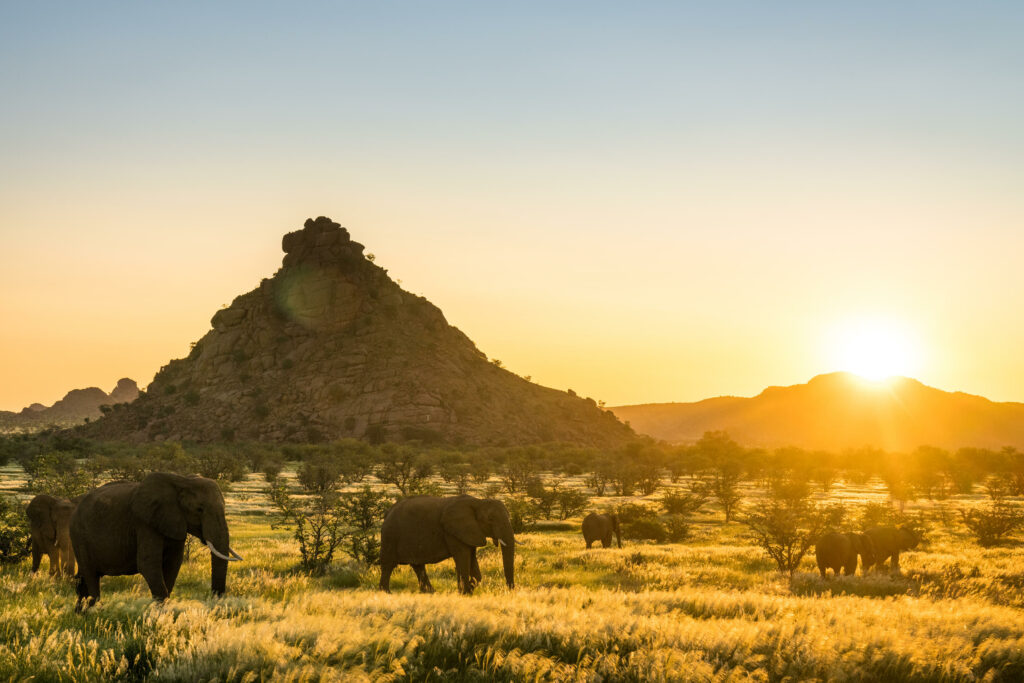
A comprehensive Namibian family safari would be incomplete without an exploration of the underexplored Damaraland. This remote region boasts breathtaking landscapes and forms Namibia’s cultural heart, home to the country’s most extensive rock art collection as well as the nomadic Damara people.
Formerly designated as the Damaraland by the apartheid-era government of South Africa, the region was combined with the Kaokoland to the north, and now forms part of what is today known as the Kunene Region.
Bookended by Brandberg Mountain – Namibia’s tallest – and the quaint settlement of Sesfontein – the Damaraland boasts some of the country’s most spectacular landscapes. The rocky mountains of Spitzkoppe attract hardcore rock climbers wanting to scale its 1728m peak – sometimes referred to as the ‘Matterhorn of Africa’ – as well as family travellers drawn to its uniquely rounded shapes. Whilst the panoramic views of the remote Messum Crater, formed by a collapsed volcano, can be explored on rugged footpaths.
The primary attraction drawing families to Damaraland is its authentic San/Bushman rock art at various sites. Among these, the renowned White Lady painting on Brandberg Mountain stands out as the most well-known. Whilst, Twyfelfontein, recognised as a World Heritage Site, boasts over 2,000 rock engravings portraying scenes of animals and hunters, often depicting a spiritual realm encountered by shamans in trance, solidifying its status as a globally significant rock art site.
An underrated wildlife area, the ‘concession areas’ of the Damaraland limit tourism to preserve its game-rich landscapes. Home to one of Africa’s largest populations of free-roaming black rhinos and Namibia’s famous desert elephants, families could also be lucky enough to spot a lion, hyena, or leopard in this region too.
Many of the Damaraland’s camps are extremely remote, taking quite a few hours to reach them by road, so we suggest staying in the area for at least three days, not least because of the plethora of activities on offer here.
2. Etosha National Park
Only a few hours drive to the west, lies the acclaimed Etosha National Park – the jewel in Namibia’s wilderness crown and one of Africa’s best safari destinations. Spanning over 22,000km2 and named for the ginormous salt pan it rests on, the ‘Great White Place’ is an essential destination for any family safari to Namibia.
The varied environment of the park lends itself to an abundance of game. The areas of denser vegetation are home to some of Africa’s largest elephants, thanks to the unique nutrients found in the ground, and families can spot giraffe, wildebeest, kudu as well as the two different types of resident zebra – the Common Plains zebra and its rarer relative the Hartmann’s Mountain Zebra – on game drives throughout the park.
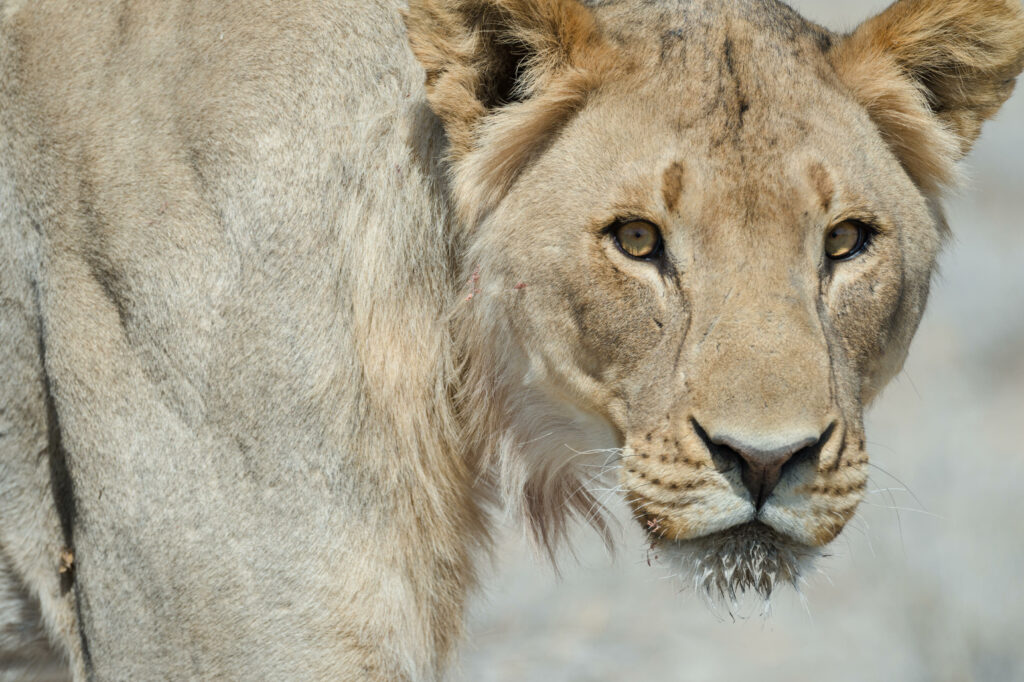
One of the world’s last wild lion strongholds, the park has been named as a critical landscape for global lion conservation, and remains as one of the best places to spot prides roaming and hunting in their natural habitat.
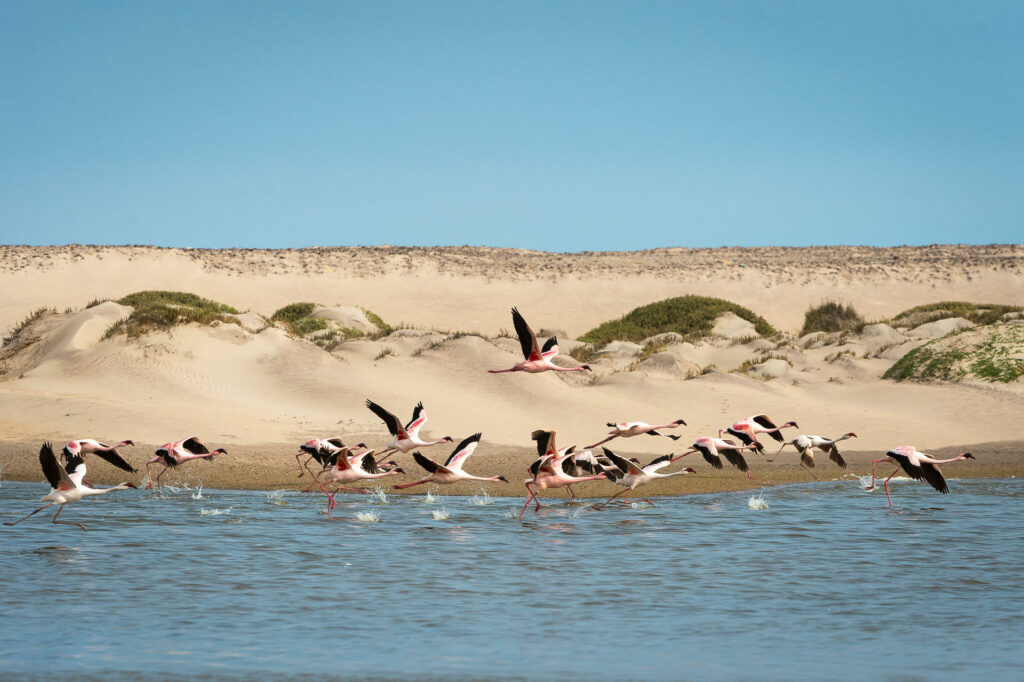
With over 340 bird species spotted here, Etosha is a mecca for some of the best birding in Africa. Families can witness the world’s largest bird, the Ostrich, sprinting across its plains whilst the heaviest flying bird, the Kori bustard, swoops down on its prey. Hardcore birders will especially love Etosha’s rainy season – from November to April – as clouds of flamingos flock to the flooding salt pan.
Our Coral Tree tip for Etosha is to base your game drives – whether self-drive or guided – around visits to Etosha’s famous waterholes, including Nebrownii, Okaukuejo, Rietfontein, Goas, Kalkheuwel and Namutoni. During the dry season, whilst water is increasingly sparse, multiple animal species congregate creating incredible predator and prey encounters.
3. Sossusvlei
Sossusvlei – ‘Dead Marshes’ in Afrikaans – refers to an ancient salt and clay pan surrounded by some of the oldest and tallest sand dunes in the world. Tucked into Namibia’s vast Namib-Naukluft National Park in the arid south-west, it is one of the most photographed places in Sub-Saharan Africa and a must-see destination for a family safari.
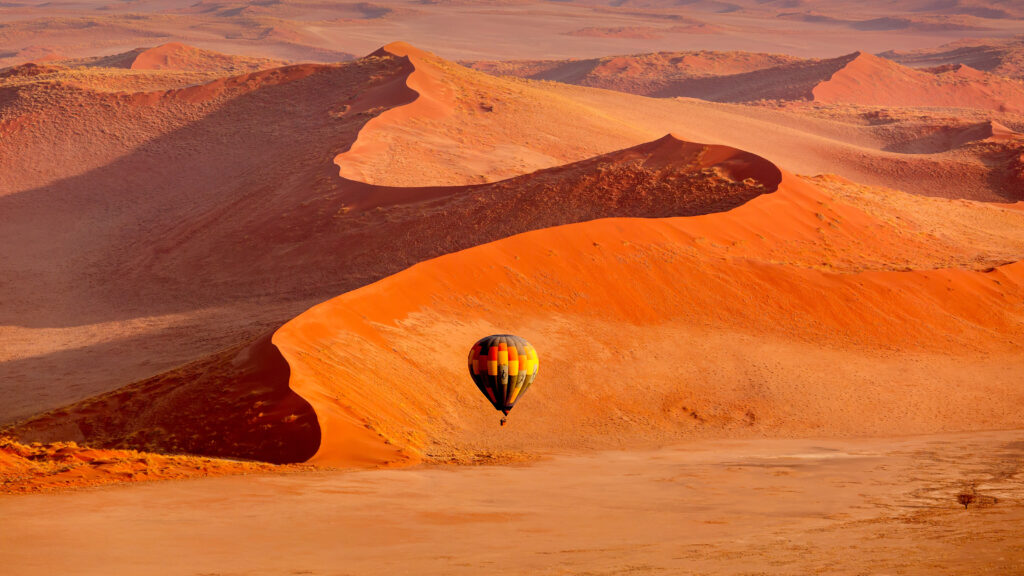
What will most strike you when you first drive into Sossusvlei is how its dunes burn red, pink and orange during the spectacular desert sunrise. This phenomena is actually due to the tiny flecks of iron found in the sand, which have slowly oxidised over the years, becoming an ever darker red colour. The darker the dune you spot, the older its age!
And what will soon become apparent is that this is a very old desert, with some experts estimating that it is up to 55 million years old. Rivalled only by the Atacama Desert in Chile for its age and aridness, families will feel like they are walking backward through time as they stroll around the ancient landscape.
What is even more remarkable than the desert’s age is its inhabitant’s ability to survive in this extreme environment. Almost completely barren, the Namib Desert receives less than 10mm of rain annually making it almost impossible for most wildlife to survive, or so you would think. There are pockets of life everywhere. Salsola shrubs, an unusual melon native to the desert, are dotted all over the nearby Deadvlei salt pan, sustaining themselves solely on the morning mist rolling in from the distant Atlantic. The desert is also home to the Oryx, a large type of antelope who survive by cooling their blood before it enters their brain, and even the desert-adapted lion.
To explore this unique landscape, families can opt for a range of options. One of the best places in the world to take a hot air balloon flight, you can witness the truly vast scale of the landscape whilst enjoying the peaceful serenity of motorless flight. Whilst game drives through the park are perfect for spotting the native prides of lions and wandering oryx.
Families should also make time for a guided walking safari to learn about the smaller flora and fauna of this unique environment, before taking on the challenge of scaling the largest dune – aptly named ‘Big Daddy’.
4. Skeleton Coast
The Skeleton Coast – so named for its proliferation of shipwrecks – consists of a vast expanse of dunes colliding with the rugged Atlantic Coast on Namibia’s Western shore. Known as As Areias do Inferno (The Sands of Hell) by early Portuguese sailors who knew what fate awaited wrecked colleagues, the area maintains its sense of wilderness and exploration, perfect for an adventurous family safari.
This coastline’s vast remoteness is what makes the area truly unique. 20,000 sq km of empty dunes stretch from Sandwich Harbour, south of Swakopmund, to the Kunene River, forming one of the most inhospitable areas in the world’s oldest desert.
The Skeleton Coast’s sparsity of population, as well as Namibia’s certification as a Gold Tier International Dark Sky Reserve, the first and only one in Africa, make it one of the best places on earth for stargazing. Whether you are an avid hobbyist or have a fleeting interest in astronomy, the Skeleton Coast should be at the top of your list.
The pristine environment of the coast makes the Skeleton Coast an attractive destination for families looking for a real taste of the wild, especially as attempts to traverse this vast landscape have often resulted in another phenomena of the area – the almost 1000 shipwrecks littering the coastline. Falling victim to the thick coastal fog, arising from the chilled air of the Benguela Current meeting hot desert winds, these wrecks loom ominously in the Atlantic swell.
The harsh environment has also lent itself to some truly innovative adaptations to survive, and experienced guides can point out the unique flora and fauna on walking safaris. From the darkling beetles that lie on the crests of dunes during foggy days allowing drops of water to roll down to their mouths, to the geckos licking moisture from plants and stones.
Contrary to many families’ expectations of a safari holiday, the Skeleton Coast offers a bustling population of cape fur seals, Heaviside’s dolphins and even green turtles, all an exciting sight on local kayak and boat excursions. And thrill seekers can surf the Atlantic swell, bash the dunes on quad bikes or take to the air in a light aircraft.
5. Swakopmund
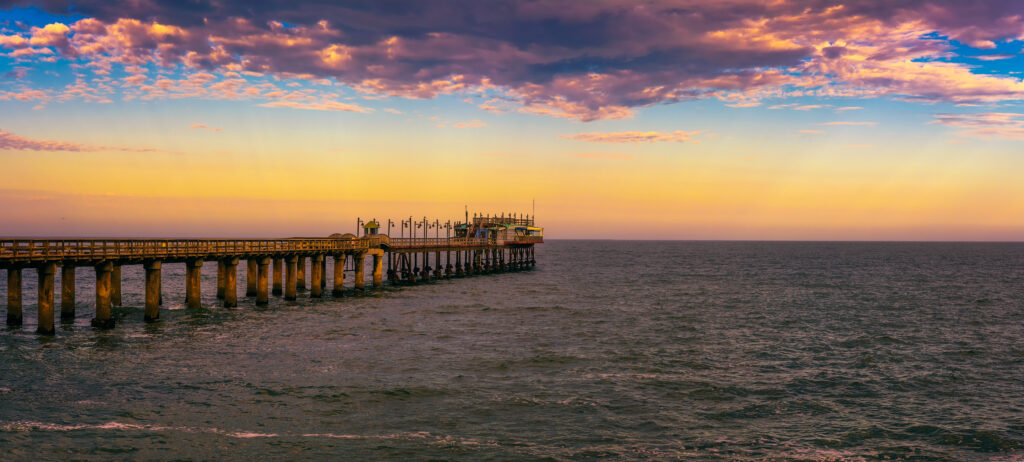
An essential stop-off for any Namibia safari, Swakopmund, situated on its dramatic Atlantic coast, offers a refreshing burst of urban culture as well as some of the best outdoor pursuits in the country.
Families should begin their Swakopmund adventure with a guided tour to explore the elegant art nouveau architecture of the town and learn about its rich history. Founded in 1892 as the main harbour for German South-West Africa, the town has transformed from a colonial outpost into a seaside resort, maintaining its historic charm while offering an incredible range of activities, making it a popular destination for both locals and tourists.
Make time to visit the distinctive Swakopmund Museum, which offers a comprehensive look at Namibia’s varied history. Located at the foot of a lighthouse, the site is steeped in history, even occupying the site of an old warehouse destroyed by a British warship’s ‘lucky shot’ in 1914. Look out for the People of Namibia exhibit which tells the story of Namibia’s many different ethnic groups, from the Herero to the Himba.
As well as being a destination in itself, the town’s surroundings offer a real playground for thrill-seekers. Families can quad bike, sandboard, or even ski around the huge dunes of the Namib, or opt for a more relaxed guided excursion to the Moon Landscape and Swakop River Canyon. For a water-based adventure, families can take a catamaran or kayak tour to spot the cheeky cape fur seals – who regularly try to mount the boats – dolphins, leatherback turtles and even whales depending on the time of year.
Offering more activities than you could hope to do in a single stay and a revitalising dose of the urban, Swakopmund is always worth a visit on a family safari to Namibia.
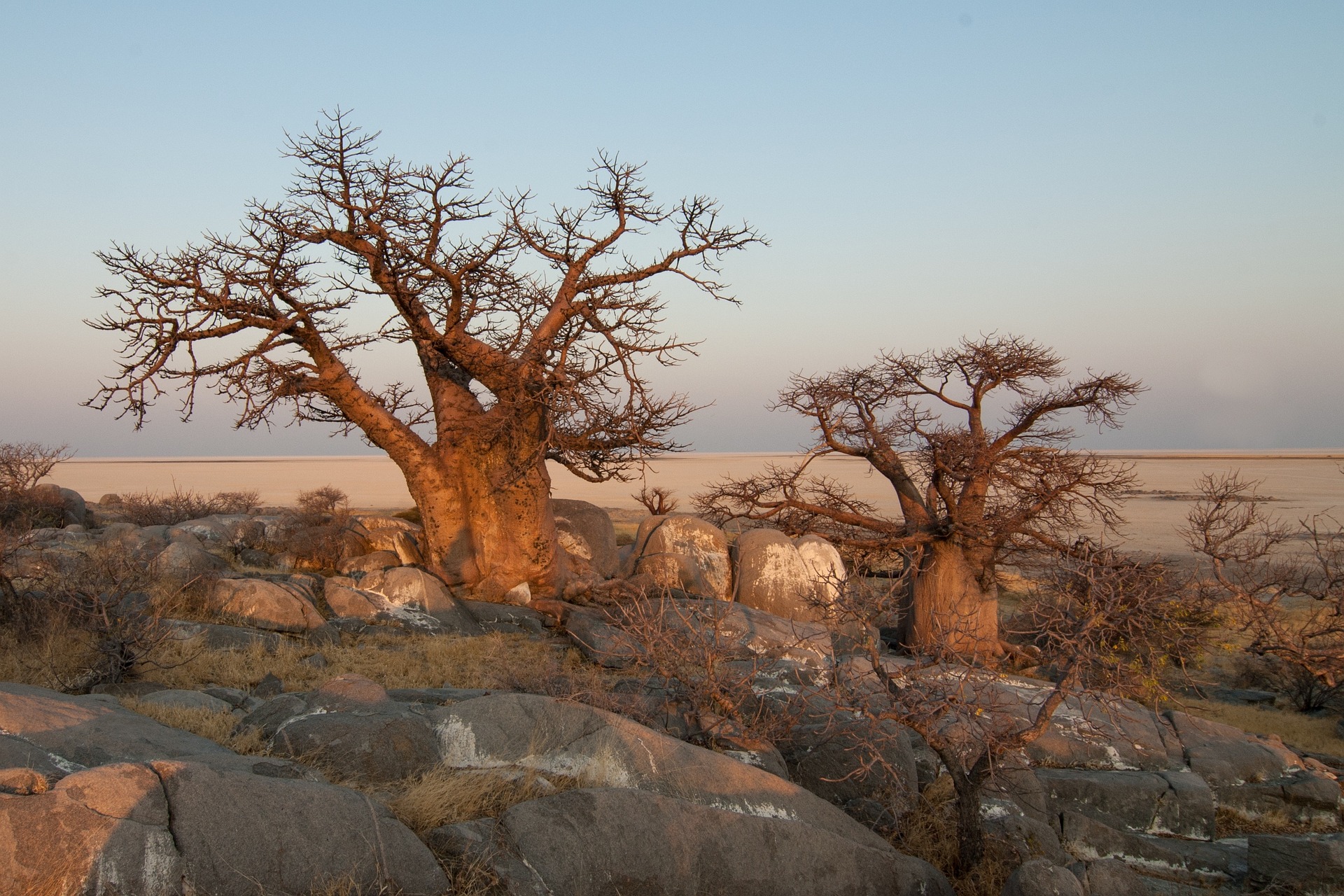
Summary
Namibia is a true land of contrasts. From the ethereal beauty of Sossusvlei to the untamed wilds of Damaraland, a family safari to Namibia is an intrepid adventure through some of Africa’s most varied and spectacular landscapes.
A Namibia family safari can take you from witnessing wild lions stalking their prey in Etosha to an ascent of the rocky peaks of the Spitzkoppe, or even to an elegant seafood restaurant in Swakopmund.
A matter of weeks in Namibia can grant your family a lifetime of experiences and Coral Tree Travel are on hand to make sure you visit the must-see sights as well as the hidden gems no one knows about, all the time making sure your trip runs seamlessly.
What are you waiting for? Get in contact with the travel experts at Coral Tree to start planning your luxury family adventure and turn dreams of seeing these glorious creatures into a reality. We have a fantastic range of safari experiences and packages to choose from.
Some images used in this blog are the property of our partners. Please contact us for more details.
A Namibia Family Safari Holiday
A Namibia Family Safari Holiday
A North London family recently did a wonderful Namibia family safari with Coral Tree. Below is a first person account of their trip.
Our family safari in Namibia was a wild adventure filled with unexpected encounters and memorable moments. From traversing the never-ending expanses of the Namib to the spectacular wildlife of Etosha, the trip is sure to be one we’ll never forget.
Arriving in Windhoek
Beginning our journey in vibrant Windhoek, we were swiftly met by a local representative who acquainted us with the local area and accompanied us to the Windhoek Luxury Suites. After the long journey a bit of rest and relaxation by the wood-decked pool was a welcome treat, and we ended the day with a delicious dinner at the nearby Stellenbosch Wine Bar. Feeling relaxed and recovered, we were ready to embark on our self-drive adventure through Namibia.
The Open Road and Sunrise Balloon Adventures
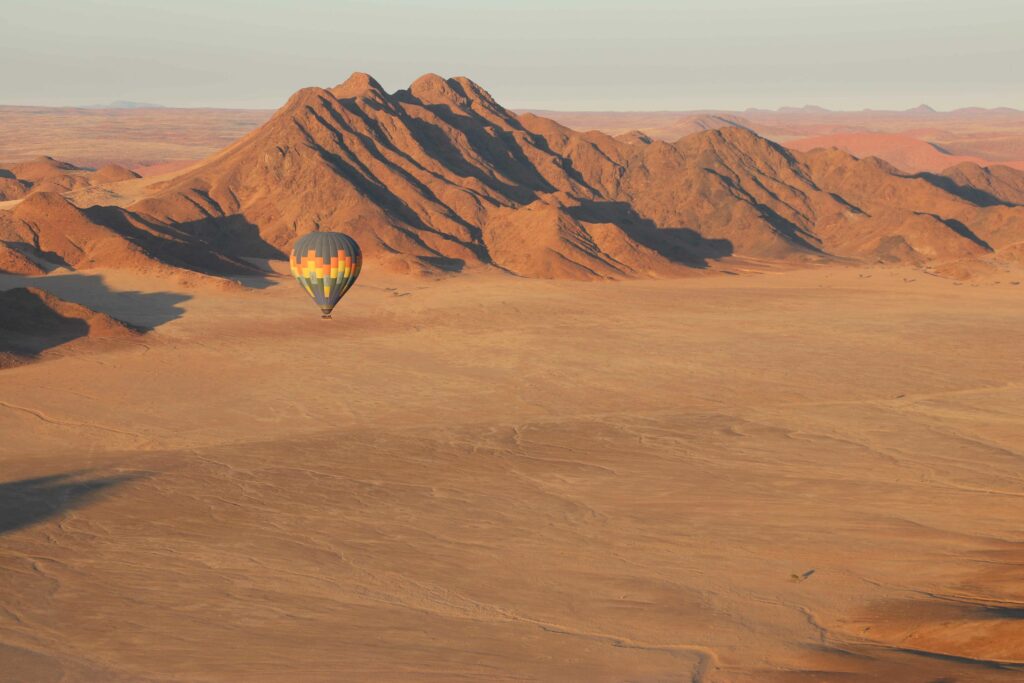
Departing Windhoek with nothing but endless gravel roads in front of you is both a liberating and unnerving experience but we were soon distracted by the spectacular scenery of the Spreetshoogte Pass, regularly stopping to take some pictures.
Pulling into Namib Outpost in the early evening, we were greeted by refreshing cold towels as well as comfortable lodge rooms overlooking the desert and wandering wildlife. The rooms even had sun loungers where you could top up your tan if you so wished!
After an early start, we set off for our exciting morning at Namib Sky. Enjoying coffee, cake and ginger shots as the balloons were assembled, we took off just as the spectacular sunrise peeked over the desert. Flying as a pair means that we got some beautiful shots of the sunrise, the other balloon, the landscape and the animals.
We floated over the mountains and after a breathtaking flight, we were indulged with a delicious champagne breakfast in the middle of the Namib Desert – a real highlight of our adventure!
The following morning, we got up early and our personal guide collected us at the lodge for our excursion to the world-famous Sossusvlei. We visited some of the smaller dunes, learning about the unique geology of the area, before tackling the ginormous Big Daddy dune – one of the largest dunes in the world. After a visit to the small circular valley called Deadvlei, with its spectacular remains of petrified ancient trees, we left Sossusvlei for the next stop on our trip – the unique imperial outpost of Swakopmund.
Seaside Adventures in Swakopmund
After a well-deserved night’s sleep at our sprawling ground-floor apartment on the Atlantic promenade, our adventure continued and we made our way to nearby Walvis Bay – literally translated as ‘Whale Bay’.
Out on the water in a majestic catamaran, the crew worked their magic, coaxing three playful seals onto the boat. My wife and daughter have both always loved seals, and therefore were thrilled when they got the chance to interact firsthand. And the bay soon lived up to its name with a surprise appearance by a Humpback Whale, making the cruise a truly immersive wildlife experience, perfectly capped off with the simple luxury of champagne and oysters.
To experience the true range that Swakopmund has to offer, we soon departed with our personal guide for a thrilling quad bike tour through the desert. Fun became an understatement as even my initially hesitant wife couldn’t resist the allure of the dunes. Our guide, a veritable desert whisperer, really went the extra mile, uncovering tiny wonders like a Lizard and a Sidewinder Snake. The windy day, while keeping many creatures in hiding, added an ethereal touch to the landscape, with waves of sand cascading over each dune, creating a mesmerising scene we won’t soon forget.
The Ancient Treasures of the Damaraland

Our journey through Namibia continued with a drive to Mowani Mountain Camp, a hidden gem nestled in the heart of the rugged Damaraland. Eager to make the most of our stay, we arrived early, ensuring we had ample time to settle in and savour a refreshing drink while witnessing the breathtaking sunset from the camp’s panoramic viewpoint.
The impressive rooms perched on the mountainside simply blew us away, each featuring a balcony that overlooked the vast plains below. Our daughter even got upgraded to a mini suite in order to be closer to our lodge, and was thrilled with her private pool and outside chill out areas. Little did we know that this upgrade would also introduce us to the delightful world of rock dassies, who seemingly adored the mini-suite surroundings, much to our daughter’s delight.
The following morning brought an exciting wildlife excursion as we embarked on a guided drive with a knowledgeable local guide. After an hour of anticipation, our efforts were rewarded with a majestic sighting of a family of desert elephants, a truly awe-inspiring moment. Our journey continued to the De Riet village, offering us the chance to connect with the local community, purchase exquisite handmade jewellery, and gain insight into their way of life.
In the afternoon, our exploration led us to ancient rock carvings of Twyfelfontein, a Namibian treasure that, despite the challenging hike in scorching 30-degree heat, is well worth the effort.
Wildlife Wonders, Salt Pans, and Luxurious Retreats
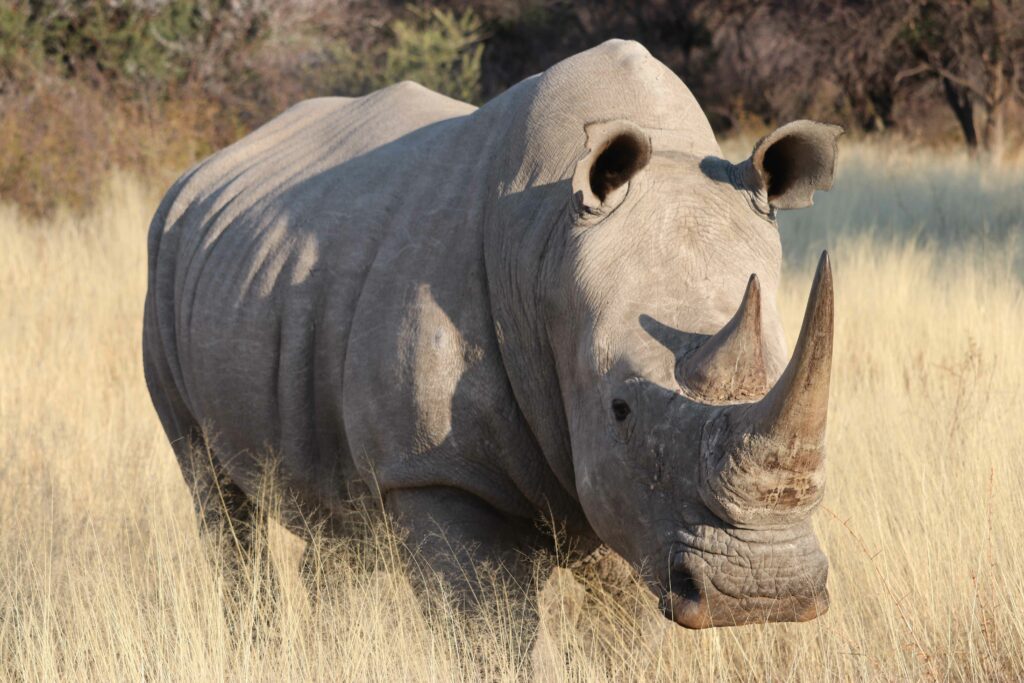
Our time in Etosha National Park was a wildlife spectacle. With the basic charm of Okaukuejo Rest Camp, our chalet balcony offered a front-row seat to elephants, giraffes, and black rhinos drinking at the nearby waterhole. The sunset with the animals’ reflections in the water was truly breathtaking.
Armed with a map marked with waterholes recommended to us, we explored Etosha freely, encountering elephants and zebras by the roadside. It was a truly novel experience to be allowed to drive through a National Park full of huge wild animals without a Ranger with us. And making time to visit the vast Etosha salt pan was a surreal experience that really added to the day, something we’d highly recommend to others.
That evening we retreated to Onguma Bush Camp, a luxurious camp that really elevated our experience. Dining with a view of the waterhole, we marvelled at the animals gracefully passing by, treating us to a spectacular sunset.
The following day, an experienced guide took us back into the Eastern side of Etosha, where rare sightings awaited. From a hyena near the park entrance to two cheetah brothers sunbathing on termite mounds, each moment unfolded like a scene from a wildlife documentary.
Conservation Oasis: Okonjima and Africats

Our family’s trip through Namibia was an incredible adventure, brimming with unforgettable moments. And the thoughtfully organised and curated experiences crafted by Mike and the Coral Tree team definitely ensured that this was the family trip of a lifetime.
As we reflect on the experience, we are sure that we have created family memories that will stick with us forever and we look forward to planning our next adventure!
Request a free consultationSome images used in this blog are the property of our partners. Please contact us for more details.