An Unforgettable Tanzanian Adventure: From Lake Natron to the Serengeti
An Unforgettable Tanzanian Adventure: From Lake Natron to the Serengeti
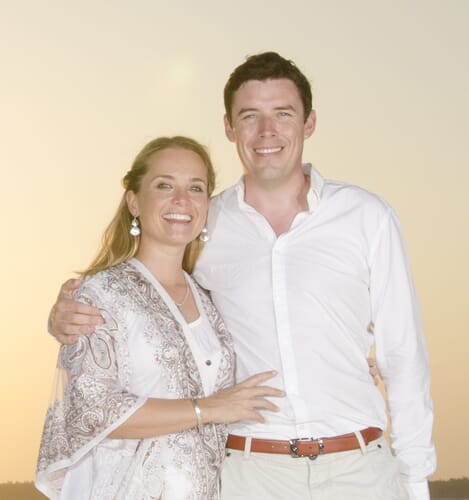
The Gallagher family recently did a wonderful Tanzania family safari with Coral Tree. Below is a first person account of their trip from Lizzy.
A family trip to Tanzania has been on our bucket-list for years, so it was incredibly exciting to finally get it organised with Coral Tree.
Our journey took us through some of the most breath-taking landscapes I’ve seen, from the other-worldly rocky vistas of Lake Natron to the volcanic forests of the Empakai Crater, and it really created once-in-a-lifetime memories for us.
Lake Natron Camp: A Tranquil Oasis
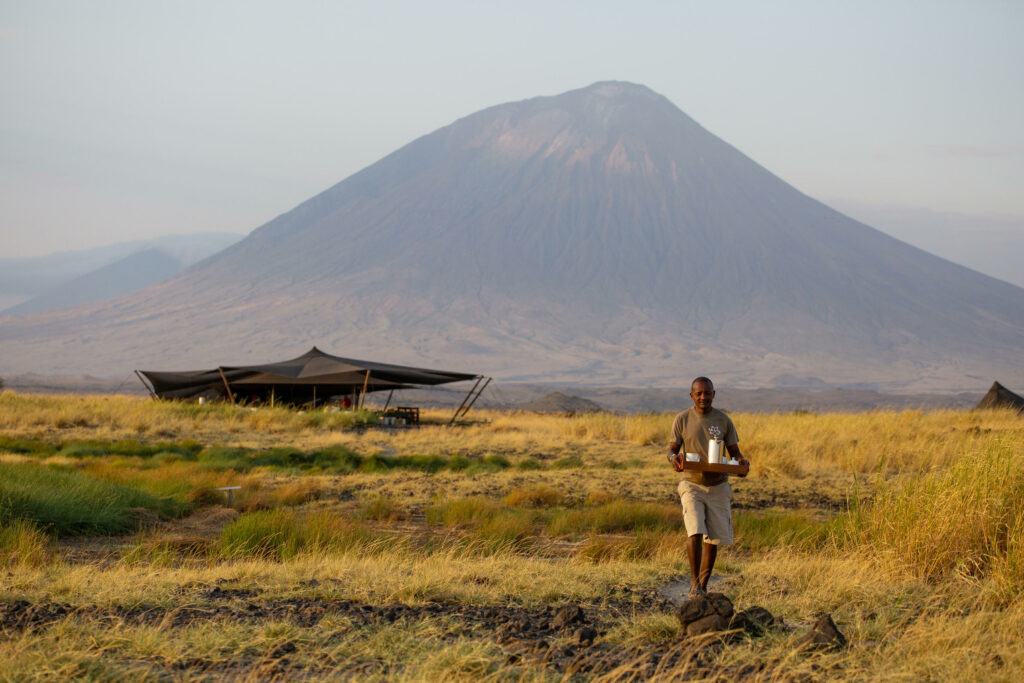
The first thing that struck me about Lake Natron was how impossibly far away you feel from your life at home. Panoramic views of the lake, Ol Lengai volcano towering above, and the wind whistling down the Rift Valley are all a constant reminder of the scale of this incredible environment.
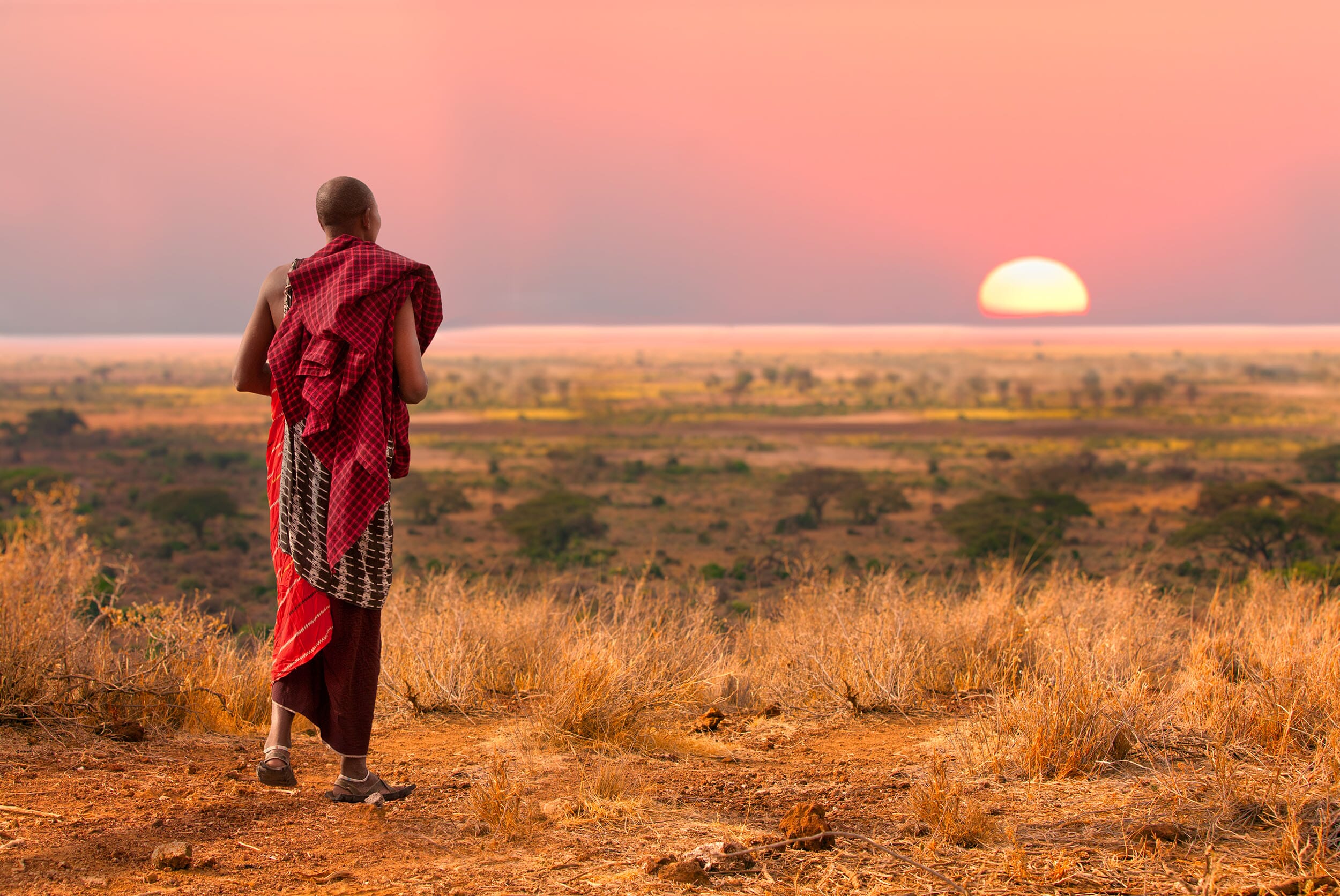
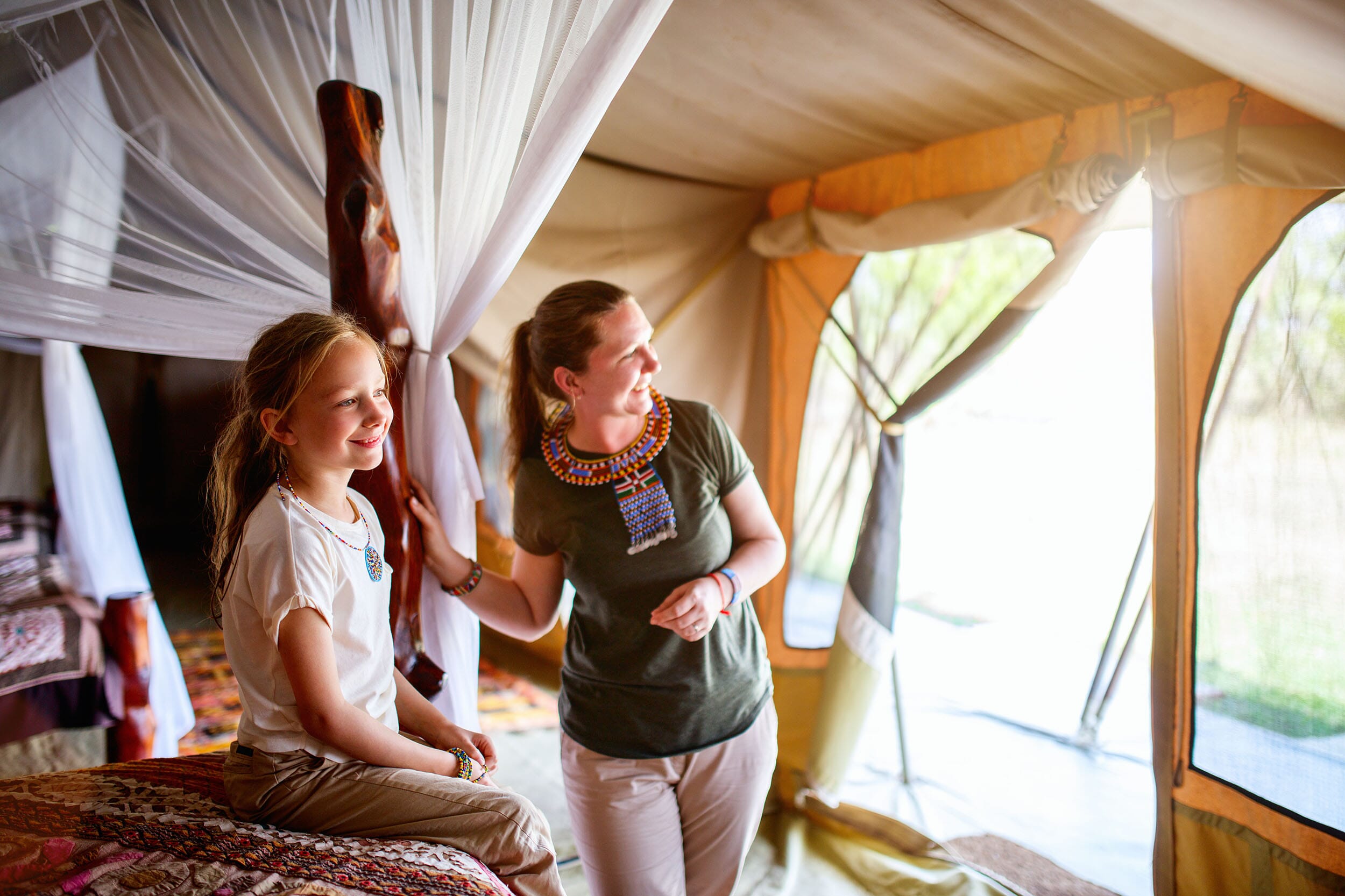
Lake Natron Camp’s specially-designed Bedouin tents blend seamlessly into the environment, and made us feel like we were on a pioneering expedition. However, the impeccable service, sundowners at the riverside and ensuite bathrooms provided a luxurious touch to our stay and the lovely Maasai staff really made us feel at home.
The highlight of our stay was undoubtedly the chance to witness the Great Rift Valley’s mesmerising flamingo spectacle. Flocks of these elegant birds painted the shores of Lake Natron in shades of pink, creating a scene straight out of a nature documentary. We took leisurely walks along the lake, capturing photographs and learning about the distinctions between the Greater and Lesser Flamingos.
The history nerd in me also loved seeing the hominid footprints preserved in the volcanic rock nearby; they are thought to be almost 100,000 years old!
Empakai Crater Hike: Scaling the Heights
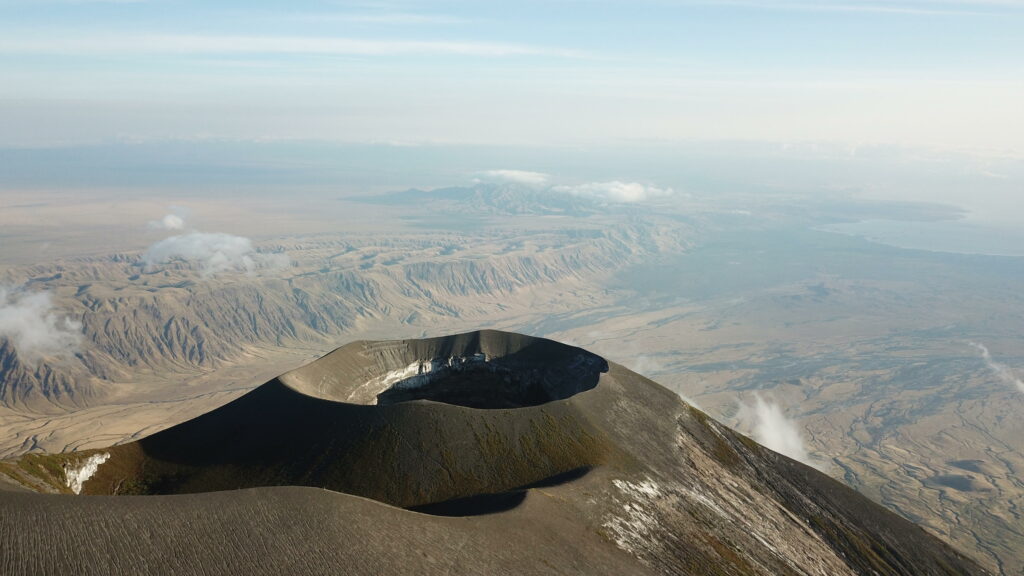
After two days of relaxation, we were ready to tackle our two-day hike up to the Empakai Crater, a collapsed volcano caldera.
This was my favourite part of the trip by far. Hiking up through open slopes of rock and grasslands with spectacular views over Lake Natron and, as we got over the ridge, onto Mount Kilimanjaro was so rewarding and you really felt like you had earnt a drink by the time you reached camp – already set up further ahead!
The second campsite, set in a spectacular spot looking into the Empakai Crater itself was a particular highlight. All put up and dismantled just for us, the made up beds, dining table and freshly prepared food felt really luxurious in such a remote location.
The 400m descent into the crater on our third morning was a memorable journey as we saw monkeys swinging from the trees, and buffalo grazing on the grassy shores of the soda lake. The armed ranger trekking with us and the complete lack of other travellers also really made us feel like we had escaped the tourist trail.
The Ngorongoro Crater: Game-changing wildlife
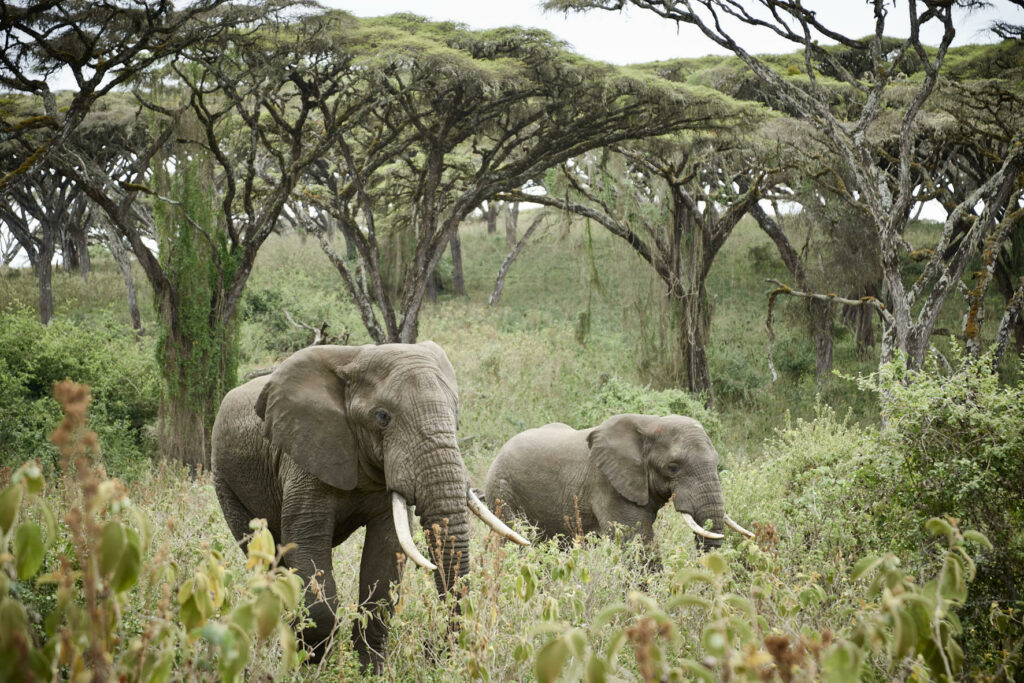
Next stop was the iconic Ngorongoro Crater – the reason we had first considered coming to Tanzania.
Arrival at the lovely Sanctuary Ngorongoro Crater Camp, perched on the edge of the world-famous Ngorongoro Crater, felt like a return to civilization after an intrepid view days. And the camp’s luxurious tents and incredible three-course dinners were a lovely treat.
Descending into the Ngorongoro Crater was like entering a different realm altogether and we were blown away by the sheer density of game here. Every five minutes we were stopping to snap shots of hunting hyenas, sleeping lions and even a distant rhino meandering through the grasses. We were even lucky enough to witness a Serval cat trotting along the track with its kill hanging from its mouth.
Serengeti Kati Kati Camp: Amidst the Great Migration
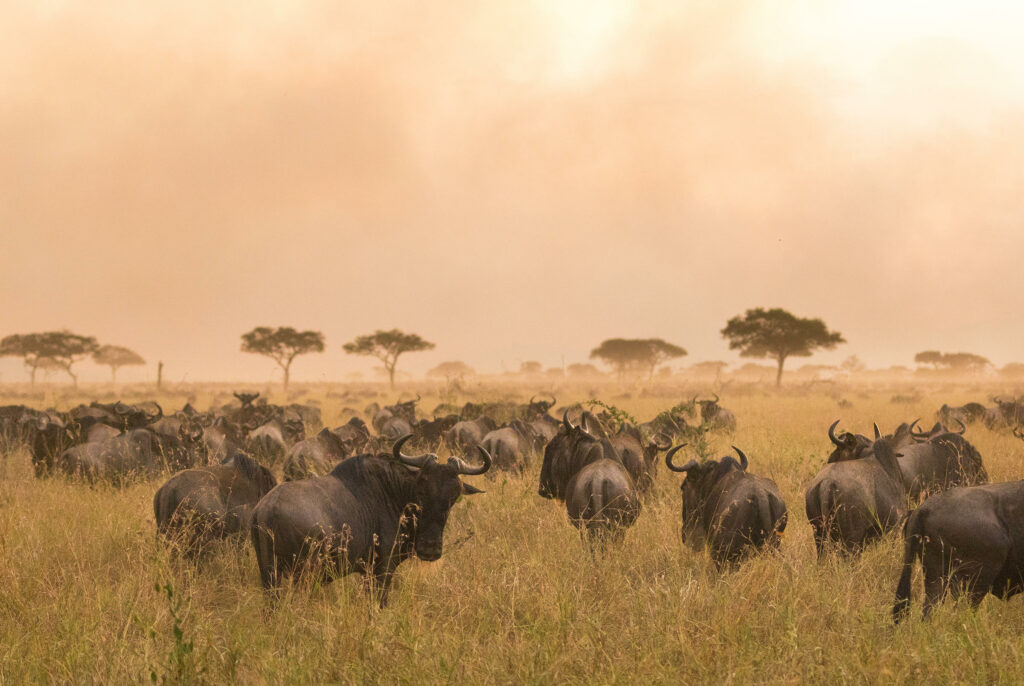
The grand finale of our Tanzanian adventure awaited us at the Serengeti Kati Kati Camp.
The camp’s strategically positioned tents meant that even while relaxing at camp we saw giraffes nibbling at the trees and distant herds of elephants walking through the valley. Particularly memorable was a chatty pride of lions who came past the camp one night, roaring to each other as I lay in my bed a little nervously!
On one of the mornings of our stay we were lucky enough to do a hot air balloon safari – organised as a surprise by my parents – and I can honestly say it was one of the most breathtaking things I have ever experienced. Regardless of the game you manage to spot, the tranquil silence of floating along just as a spectacular African sunrise peeps over the horizon is truly magical.
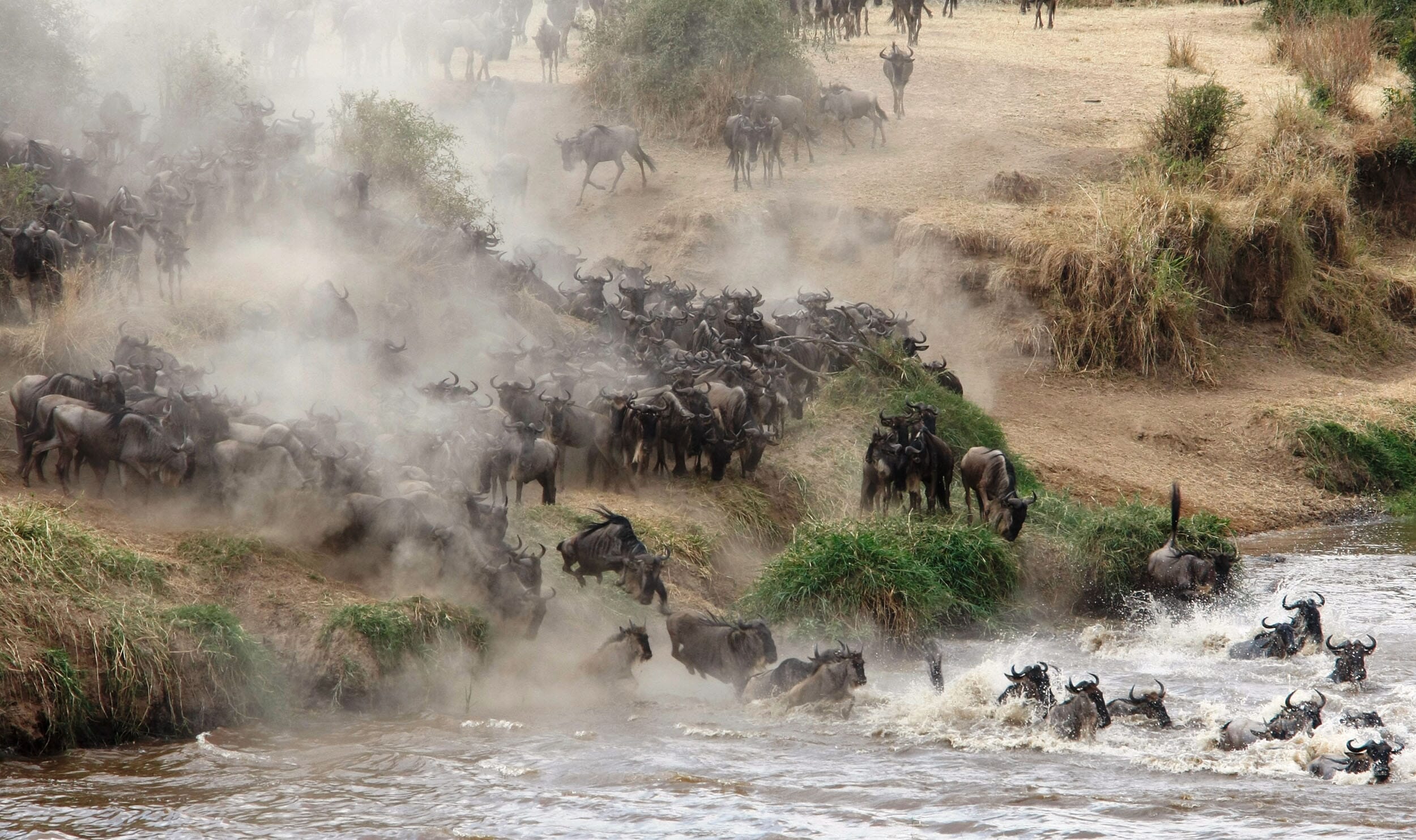
On our final day, our guide advised us that we should head over to the Western side of the park to try and spot the Wildebeest migration in action. After an hour of driving, and some lion-spotting along the way, we quickly emerged into a noisy sea of brown as thousands upon thousands of wildebeest passed us on their well-trodden path north. It is hard to put into words the mesmerising scale of the migration and hours flew by as we watched the incredible sight of these animals determinedly marching onwards. It really brought the scale of Africa and its wildlife home to me, and is certainly something I will never forget.
Mike and Coral Tree Travel helped us craft an itinerary that was really beyond all of our imagination and helped us escape the oversold tourist trail so that we felt like this trip was really personal to us. At every turn Mike had worked behind the scenes to make sure our trip ran like clockwork and to create special moments – especially the birthday celebrations at the Crater Camp for my mum’s 60th birthday.
And if this trip did leave us with any lasting thoughts, it is that we will be back!
Request a free consultationSome images used in this blog are the property of our partners. Please contact us for more details.
What Is the Best Time of Year to Go on Safari in Botswana?
A wild paradise home to many of the world’s most magnificent creatures, there truly is no bad time to go on a safari in Botswana. No matter the month, you will be treated to glorious scenes of nature at its finest.
Prepare to discover spectacular landscapes where you will cross paths with the ‘Big Five’, otherwise known as lions, leopards, elephants, black rhinos and buffalos. Each month of the year promises a very special wildlife experience, with different creatures and topography to be seen depending on when you visit.
To help you plan the best safari in Botswana, we have shared advice on the best times of the year to explore this beautiful country, along with information on the seasons and where to visit.
What Are the Seasons in Botswana?
Botswana has only two distinct seasons. The first of which is summer, otherwise known as the green season. This period begins in November and runs through until April. The second season is winter which is also called the dry season. It lasts from May to October.
Each of these periods has distinct weather conditions that attract different wildlife species and lead to dramatic transformations in the landscapes.
Where to Safari in Botswana
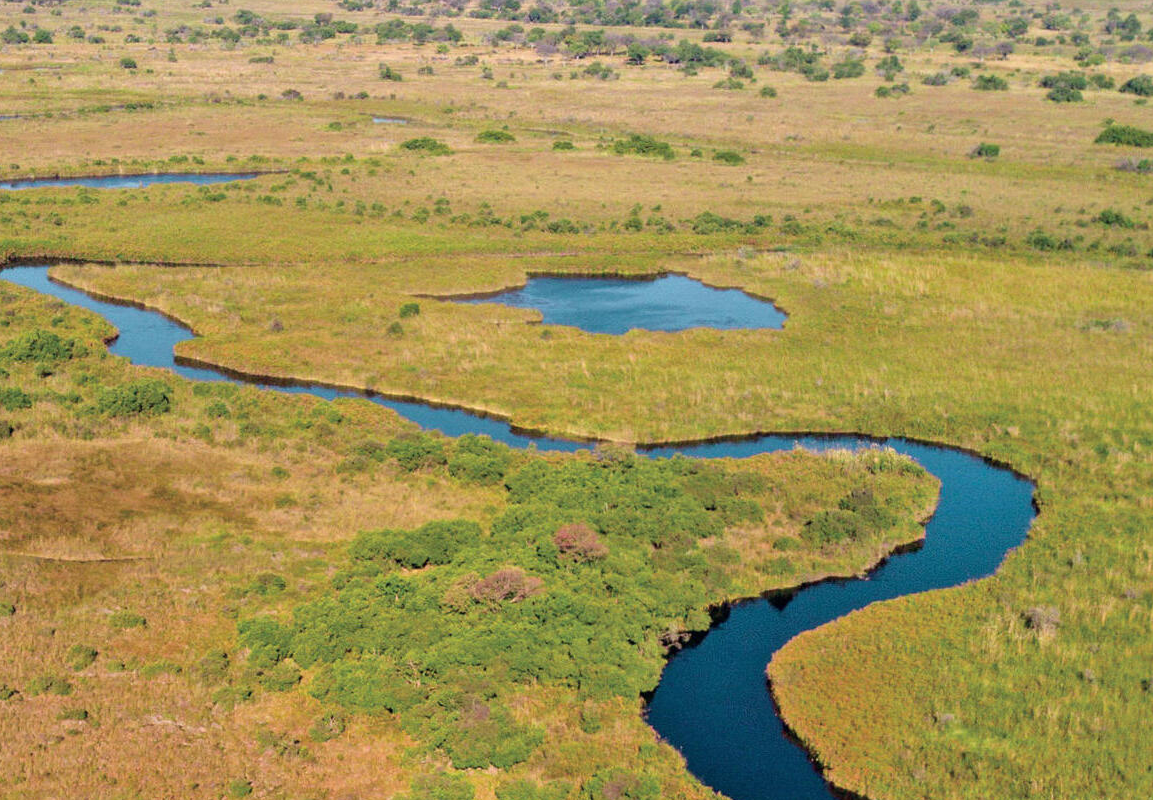
Many people ask “Where are the best places to go on safari in Botswana?” ahead of their trip. Thankfully, this African paradise is home to a wealth of radiant wildlife parks. The landscapes range from vast inland deltas home to lions, giraffes and elephants, to the largest salt plains in the world where you will find zebras, springboks and wildebeests. We have listed some of our top recommendations below.
Chobe National Park
Commonly considered one of the best places to safari in Africa, Chobe National Park is a magnificent place to explore. Here you will find rare species including African wild dogs, cheetahs and a wealth of fascinating bird species.
Central Kalahari
Central Kalahari is certainly one of the best places to go on a safari in Botswana. In this vast, arid landscape, you will encounter the magnificent black-maned Kalahari lion, along with packs of brown hyenas and a spectacular wildebeest and zebra migration.
Linyanti Wetlands
For those looking for a unique safari experience in Botswana, look no further than the Linyanti Wetlands. A captivating sight, the pristine wilderness has an open border alongside the Chobe National Park and boasts diverse habitats resided in by everything from lions to hippopotamuses and roan antelopes to wild dogs.
Okavango Delta
The Okavango Delta is one of the most magical destinations for luxury safari holidays in Botswana. The site marks the spot where the Okavango River splits into several strands, opening to form an oasis home to incredible wildlife species.
Moremi Game Reserve
The Moremi Game Reserve is a completely unspoilt oasis. It has been carefully protected and preserved by the BaTswana people since 1963. It is here that you will find many of the most highly endangered species of large mammals including white rhinoceros, black rhinoceros and cheetahs.
Makgadikgadi Pans
The Makgadikgadi Pans are the largest on the planet, spanning an area of over 30,000 km². An extraordinary landscape, visitors will be greeted with endless expanses of salty terrain home to meerkats, zebras and wildebeest. It is here that you will also find many of the best safari camps in Botswana.
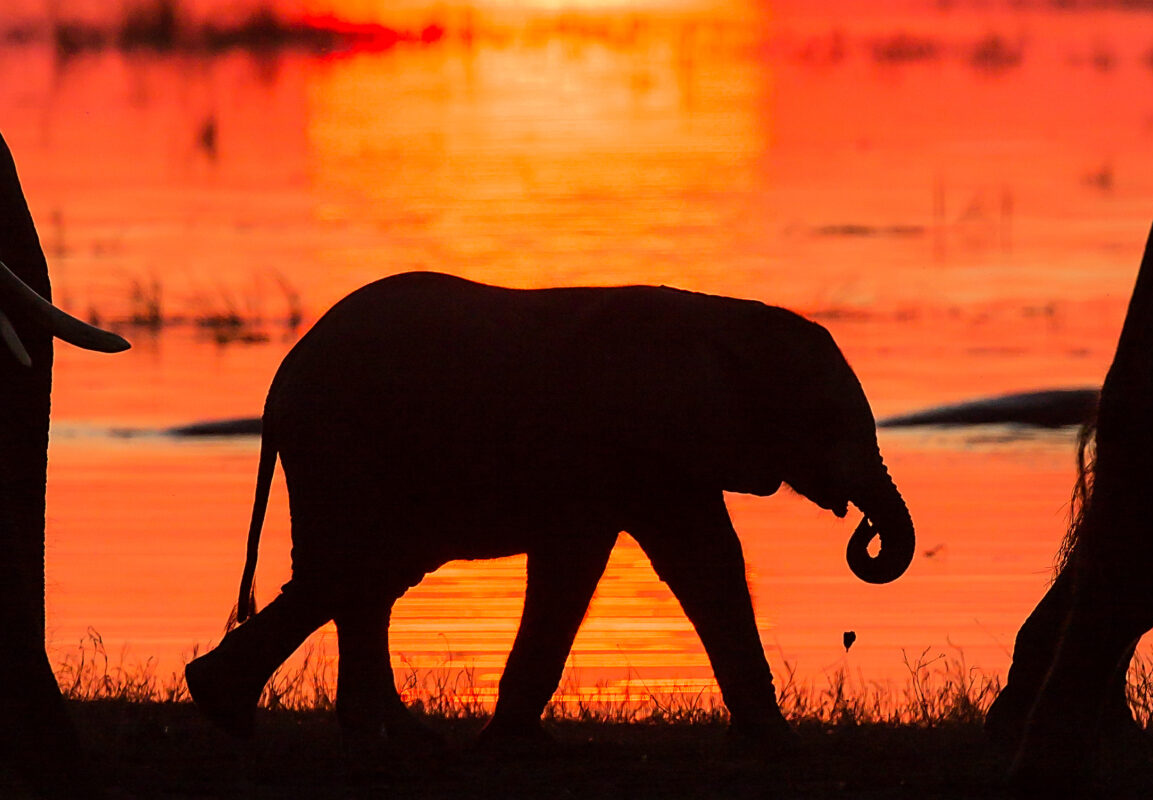
What Is the Best Time of Year to Go on Safari in Botswana?
While there is truly no wrong time to go on a safari holiday in Botswana, each month of the year promises a very unique experience. Be sure to select the right period to suit your adventure style.
January to April in Botswana
January to April is considered by many to be the best time of year to go on safari in Botswana. As this period sees fewer tourists, those visiting during this month can experience quieter parks and more affordable prices compared to the peak season.
The landscapes of the parks are also greener as it is the wet season which attracts a wealth of bird species. What’s more, many newborn animals can be seen at this time of year.
However, the smaller crowds and unique wildlife experiences come at the price of unpredictable weather. Rainfall can extend for long periods during the months of January and February, while the heat can be stifling, with average temperatures of around 32.5°C.
February stands out as a particularly exciting time to visit. While this is the country’s rainiest month of the year, it also marks the period when the zebras migrate from the Boteti River to the Makgadikgadi and Nxai pans, which is an extraordinary marvel to behold.
By March, temperatures are beginning to slide, with average highs of 30°C which drops further into the evening. While you are still likely to face some rainfall, the showers tend to be confined to the afternoon, giving you more freedom to explore the parks in comfort.
Entering April, the country moves into its shoulder season which marks the start of its transition from the wet to the dry season. This shift prompts land mammals, particularly rhinos, to emerge as they no longer avoid the showers.
May to July in Botswana
May to July is commonly hailed as the best time to go on safari in Botswana. The dry winter season begins over this period, bringing more comfortable temperatures and excellent game-viewing opportunities.
In May, expect mild, dry weather and campsites and safari parks to still be on the quieter side as the most popular tourist season has not quite begun. Savute is a particularly excellent region to head to during this time of year as buffalos and zebras can be found in abundance.
June is another excellent month for safari holidays in Botswana. While parks are likely to be on the busier side, the weather often more than makes up for this. The warm daytime temperatures and minimal rain provide the perfect conditions for walking safaris.
By July, the safari parks in Botswana enter their peak season. As a result, those planning to visit during this month should begin planning their safari holiday well in advance. Waiting until closer to the time is likely to mean all of the best safari lodges in Botswana will be full.
The Okavango Delta stands out as a particularly exceptional area of the country to visit in July as the wildlife viewing opportunities will be second to none. The scarcity of vegetation makes it easy to spot animals in the open plains.
Between May and July as a whole, the limited rainfall attracts creatures to watering holes, providing an excellent display of the country’s wildlife. Another reason why many see this period as the best time for safari in Botswana is the lack of mosquitoes. Clear skies and minimal rain reduce these insects’ activity, creating much more comfortable conditions for exploring the parks.
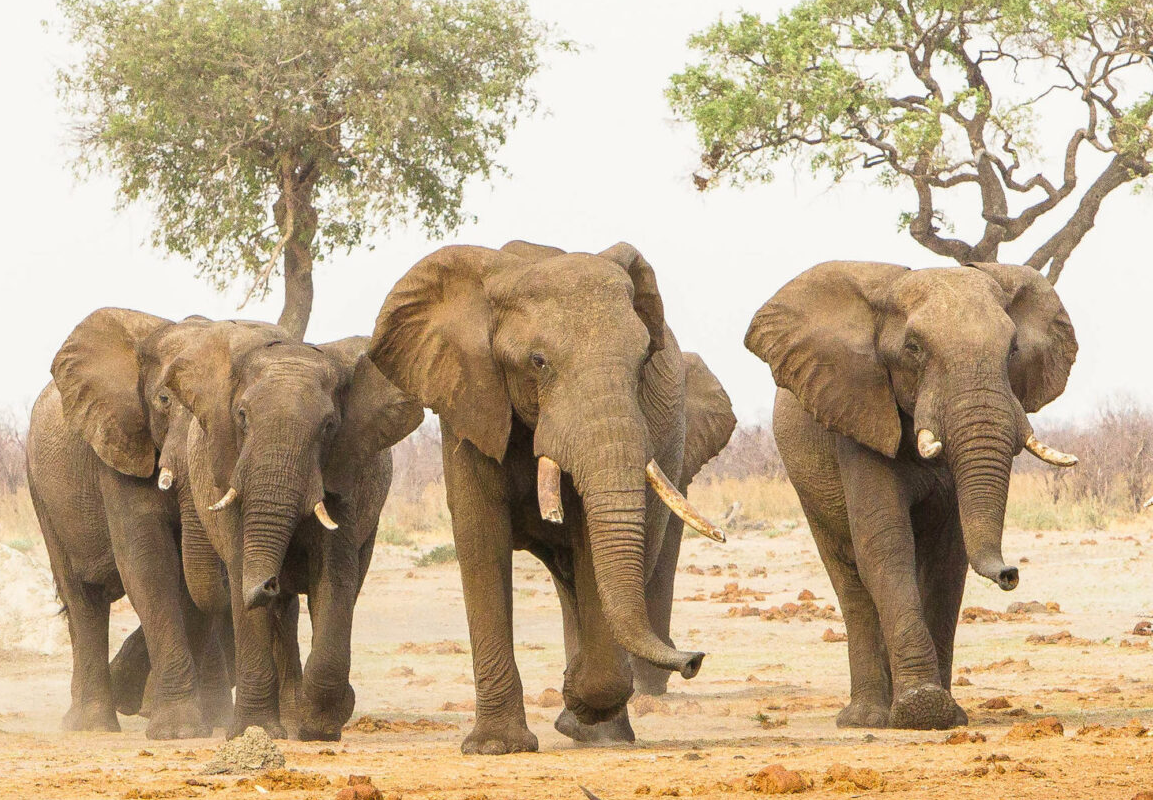
August to October in Botswana
Temperatures begin to climb again in August. As a popular time of year to go on a safari in Botswana, you will need to make reservations in advance to secure a spot during this period. Those visiting in August will see the water levels of the Okavango Delta at their highest.
Along with being a captivating sight to behold, this offers fantastic game-viewing opportunities Take a canoe safari to leisurely drift along the serene waters, gazing up at the remarkable creatures around you.
September is thought by many to be the best time to go on safari in Botswana as it offers incredible opportunities for spotting the Big Five. While wildlife viewing can prove slightly tricker in general during September, it is one of the easiest times of year to spot these famous animal residents.
Lions, leopards, African elephants, rhinos and buffalos are often seen gathering around the only available food and water sources in the region. The Lynanti and Chobe Rivers make especially exceptional areas to head to see animals during this month as many creatures gather by these waters for survival.
You may even be able to spot the magnificent black-maned lions during this period of the year as they stalk large herds of springbok and red hartebeest by the river. October is another wonderful time to go on a safari holiday in Botswana.
As the country’s hottest month of the year, game viewing is a breeze. The sparse vegetation ensures clearer sightings and you’ll have ample opportunities to observe thirsty herds congregating along the riverbanks.
November to December in Botswana
November and December are also wonderful times of year to go on a safari trip to Botswana. This period marks the start of the rainy summer season, bringing swift, heavy showers throughout the day that rejuvenate the country’s parched landscape.
The country’s parks undergo a remarkable transformation, donning a lush coat adorned with a stunning variety of flowers, plants, and trees. November offers a particularly enchanting time to visit Botswana as this is when many of its herbivore creatures give birth.
While this can be an adorable sight in itself, the presence of the young ones also attracts the attention of big cats. Those visiting during this period will be spoiled with an abundance of opportunities to see coveted park inhabitants such as lions, leopards and cheetahs.
December is another wonderful time to take a safari in Botswana. As the country’s deserts burst into bloom, numerous herbivores like antelopes and impalas gather against the flowering plants. This congregation often captures the interest of the big cats, making it another excellent month for seeing lions, leopards and cheetahs.
Migratory birds also arrive in December, lighting up the sky with fluttering kingfishers, vibrant bee-eaters and energetic cuckoos. One thing to bear in mind when visiting during this time is the likelihood of thunderstorms and rainfall.
While this might require some planning around the weather, you will also be able to enjoy the benefits of reduced dust and the breathtaking beauty of dramatic skies and flourishing landscapes. Another wonderful advantage of visiting Botswana in December is that you’ll be able to catch Makgadikgadi, the country’s second migration, when herds of majestic zebra and wildebeest thunder across the terrain.
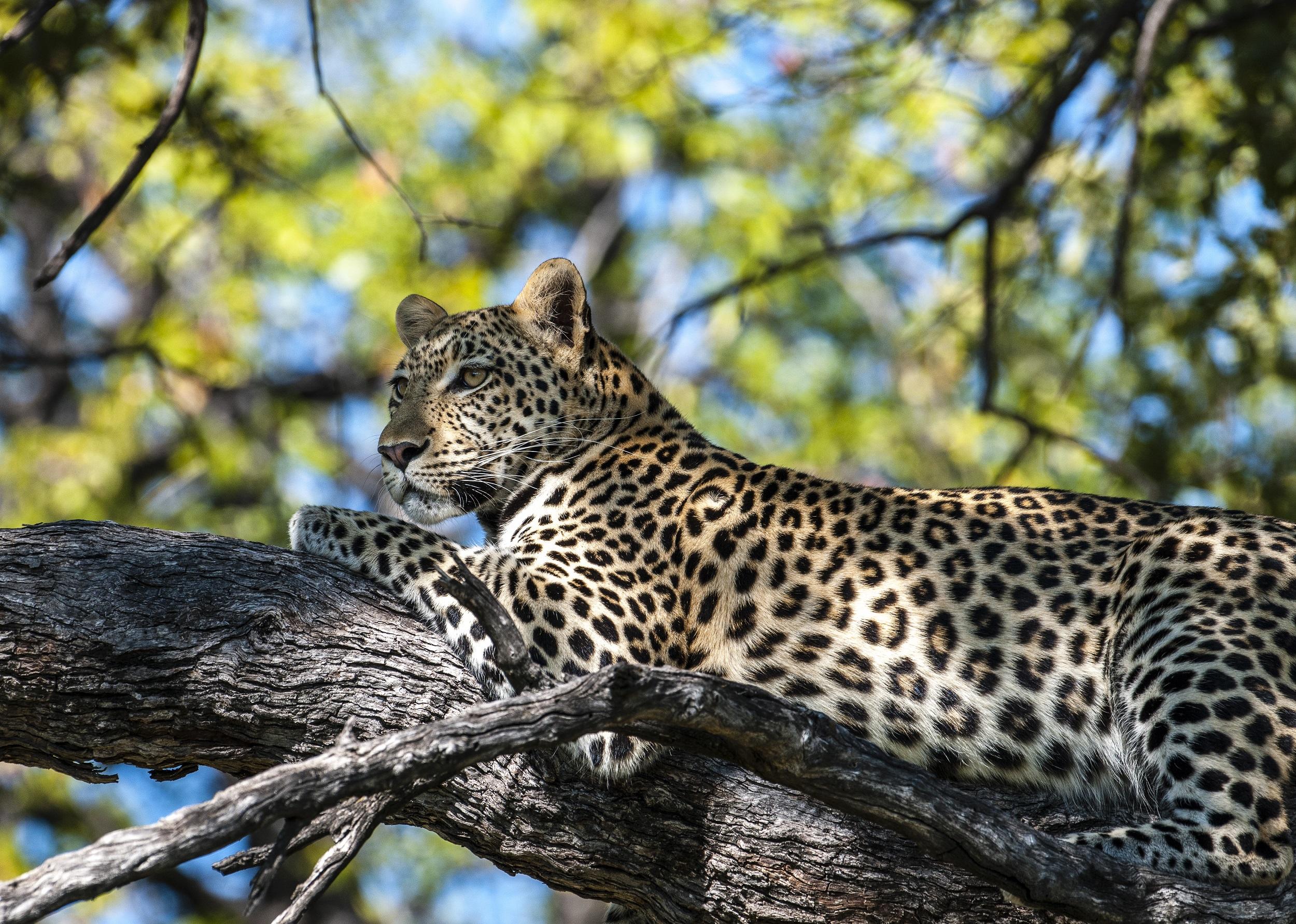
Summary
While each of the months in Botswana provide a different safari experience, each promises a glorious experience of discovering dazzling landscapes and incredible creatures. Whether you’re travelling solo or with family, friends or your partner, prepare to embark on a safari adventure like no other in this magnificent corner of the world.
Planning a luxury safari in Botswana? Take a look at our fantastic range of itineraries and luxury accommodations that are available all over the country, from the Okavango Delta to the Kalahari Desert. Get in touch now to start planning your dream safari trip.
Some images used in this blog are the property of our partners. Please contact us for more details.
What to Pack for a Safari
What to Pack for a Safari: The Essential Safari Packing List
Packing for a safari is rather different from packing for an ordinary holiday. You’re likely to be spending your days outdoors, moving between camps, climbing into open-sided safari vehicles and perhaps heading out on foot, so comfort and practicality matter far more than having a perfectly coordinated wardrobe.
The good news? You probably need much less than you think.
Safari is wonderfully relaxed. Most camps and lodges offer laundry, and unless you’re combining your safari with a city or beach stay, there is very little need for smart clothing. What matters is having the right layers for changing temperatures, comfortable footwear, protection from the sun and a few useful things that will make your days in the bush even more enjoyable.
We’ve put together our What to Pack for a Safari guide based on the things we know are genuinely useful rather than a list of everything you could possibly squeeze into a suitcase.
And, of course, every safari is different. Once we’ve designed your itinerary, we’ll advise you on the specific clothing, luggage and equipment you’ll need for your particular adventure.
Travel Documents
Let’s start with the essentials you really don’t want to discover you’ve left at home!
Keep your passport, travel insurance details, e-tickets, visas or e-visas and safari itinerary somewhere easily accessible, rather than buried at the bottom of your main luggage.
If you’re travelling with children, there may also be additional documentation required, such as birth certificates or consent documentation depending on your circumstances and destination. We’ll talk you through everything you need before you travel.
It can be useful to keep your important documents together in one travel wallet, with digital copies stored securely on your phone as a back-up.
We also provide you with a full itinerary and all your necessary travel documents in one easy app.
What Clothes Should You Pack for a Safari?
This is probably the question we get asked most and our answer is nearly always keep it comfortable and keep it simple.
You’ll be spending much of your time outside, and clothes that allow you to move easily, cope with dust and adapt to changing temperatures are far more valuable than anything too precious.
Lightweight, breathable tops, shorts, lightweight trousers and long-sleeved shirts are all useful. Long sleeves and trousers can provide extra protection from the sun and insects, particularly when you’re walking.
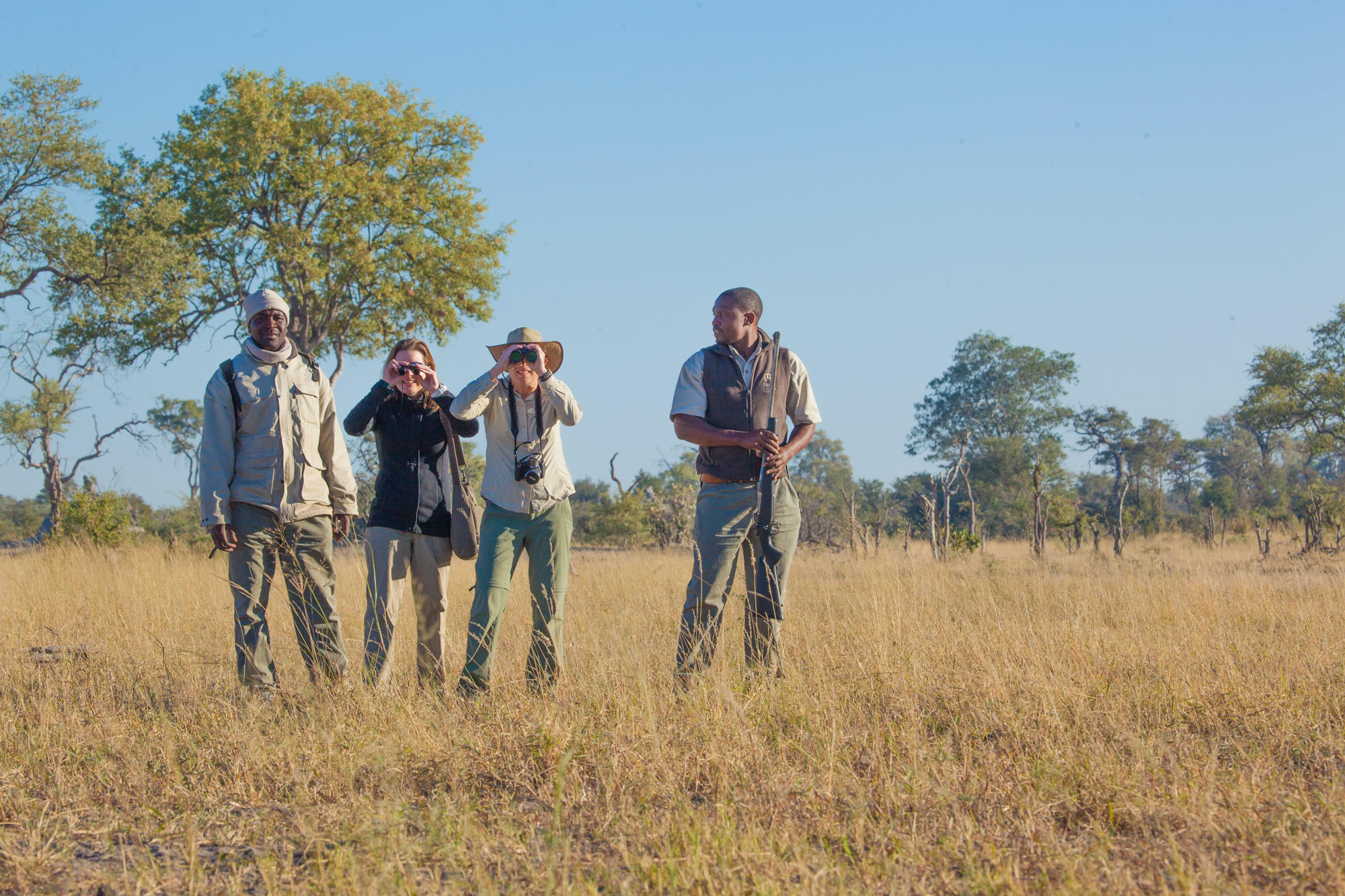
Dress in Layers
Africa can surprise you with its temperature changes.
An early morning game drive can be surprisingly chilly, particularly when you’re sitting in a breezy open vehicle. By lunchtime, you may be peeling off those layers as temperatures rise, only to want them again when the sun disappears in the evening.
A fleece, lightweight windproof jacket, scarf or buff is therefore one of the most useful things to pack for a safari. Lightweight puffa jackets are another favourite because they provide plenty of warmth without taking up much room.
The exact temperatures vary enormously between destinations and seasons, so we’ll advise you according to where you’re travelling.
What Colour Clothes Should You Wear on Safari?
You’ll often hear that you should only wear khaki on safari. Don’t worry, you don’t need to buy an entirely new safari wardrobe!
Neutral, muted colours such as khaki, olive, beige and brown are practical, particularly if you’re going walking, as they blend more easily into the natural environment. They’re also wonderfully good at hiding dust.
Most importantly, choose clothes you’ll feel comfortable wearing for several hours in a vehicle or out walking.
Swimwear
Don’t forget the swimwear! Many safari lodges and camps have beautiful pools, making a refreshing dip the perfect way to cool off between game drives.
Depending on where you travel, there may even be opportunities for a refreshing swim in a river or lake. For children, rash vests are particularly useful for extra protection from the strong African sun, especially if you are adding a beach extension.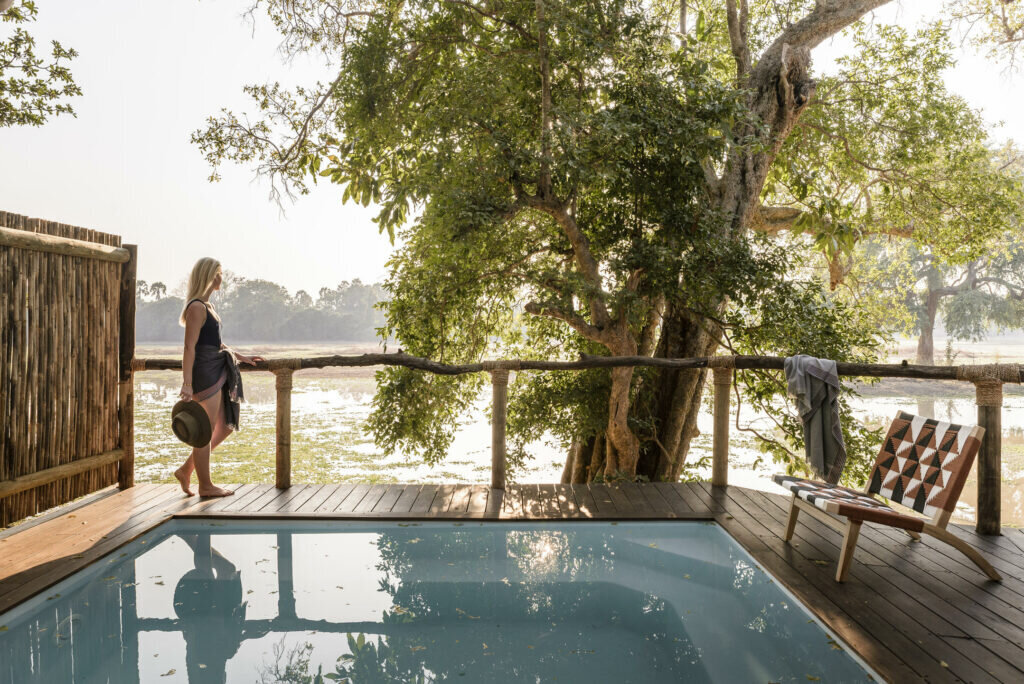
Don’t Overpack
This is one of our favourite pieces of safari packing advice.
Most safari lodges offer laundry services, so there really is no need to pack a fresh outfit for every day. A handful of versatile outfits that can be washed and worn again will usually be more than enough.
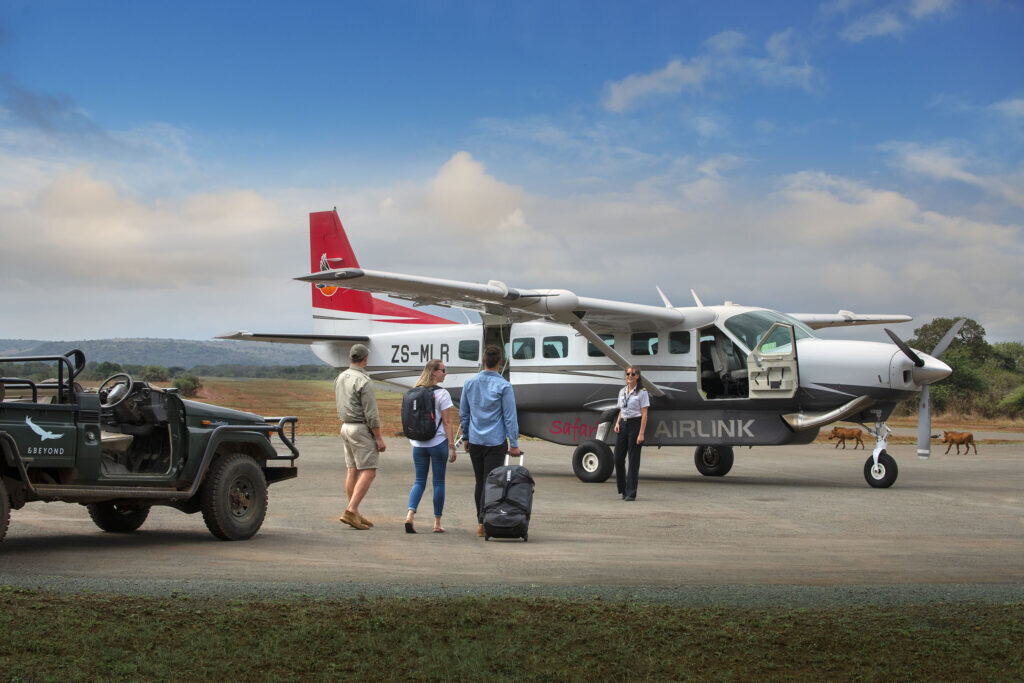
This becomes particularly important if your itinerary includes light-aircraft flights between camps, where luggage allowances can be surprisingly restrictive.
Soft-sided bags are generally required for these flights, and we’ll always let you know the luggage allowance for your particular itinerary.
What Shoes Should You Pack for a Safari?
You don’t necessarily need heavy walking boots.
For many safaris, a good pair of comfortable trainers or lightweight hiking shoes will be much more useful. They’ll see you through walking around camp, bush walks and exploring, while being comfortable enough for long days in a safari vehicle.
Sandals or flip-flops are useful around the pool, in your room or if you’re heading on to the beach afterwards.
If your itinerary includes more serious walking or trekking, we’ll advise you on the appropriate footwear particularly for activities such as gorilla trekking, mountain hikes or multi-day walking safaris.
A Hat and Sunglasses Are Safari Essentials
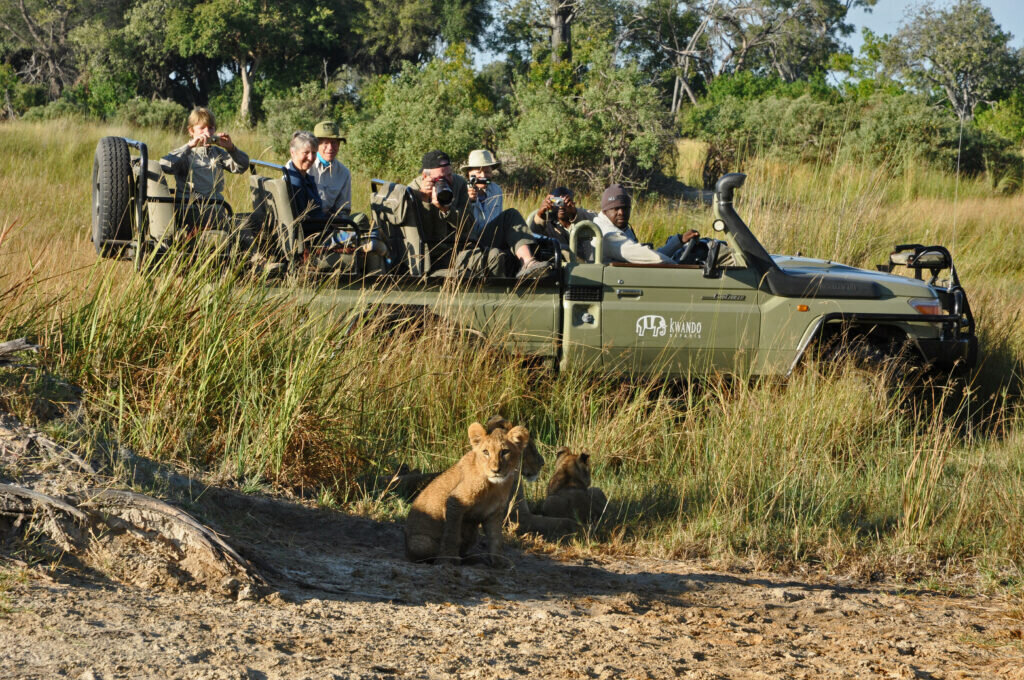
The African sun is strong, and you’ll often be outside for much of the day, so a good sun hat and sunglasses should definitely make the packing list.
A wide-brimmed or bucket-style hat gives good coverage around your face, neck and ears, while a cap can be perfectly comfortable too.
If you’re going out in an open-sided vehicle, sunglasses are particularly useful for protecting your eyes from glare and dust. Wraparound styles can be especially comfortable on windy game drives.
And if you wear prescription glasses, don’t forget them! You really don’t want to discover that the lion you’ve been waiting for is slightly blurry.
Sun Protection
High-factor sunscreen is an absolute safari essential.
It can be easy to underestimate how much sun you’re getting when you’re sitting in the shade of a safari vehicle or enjoying a gentle breeze, so remember to apply sunscreen regularly.
We’d also recommend packing high-factor lip balm, as well as a lightweight long-sleeved layer for extra protection.
Insect Repellent
Insect repellent is another useful addition to your African safari packing list, particularly in destinations and seasons where mosquitoes and other insects are more prevalent.
Long trousers and sleeves can provide an additional layer of protection in the evenings, and some travellers prefer natural alternatives to DEET. We can advise you on what is appropriate for your destination.
Many camps also take their own precautions, with mosquito nets over beds and other measures in place, particularly in areas where malaria is present.
First Aid and Personal Essentials
Your safari guide will generally carry a comprehensive first-aid kit, so you don’t need to pack a mini pharmacy.
A small personal kit containing plasters, antiseptic cream, hand sanitiser, painkillers, any regular medication and anything else you personally rely on is sensible.
If you have particular allergies, medication preferences or children’s medicines you know you’ll need, bring your own rather than hoping to find them at your destination.
Rehydration salts can also be useful, particularly in hot climates.
Binoculars: One Thing We Really Recommend
If there’s one item we’d encourage every safari traveller to take, it’s a good pair of binoculars.
Yes, your guide will have a pair. Yes, you’ll often get incredibly close to wildlife. But binoculars allow you to start looking for yourself. A tiny bird in a distant tree, a leopard half-hidden in the grass or the details of an elephant’s behaviour at a waterhole.
For children, binoculars can be particularly wonderful because they give them an active role in wildlife spotting.
Camera and Photography
Of course you’ll want to take photographs.
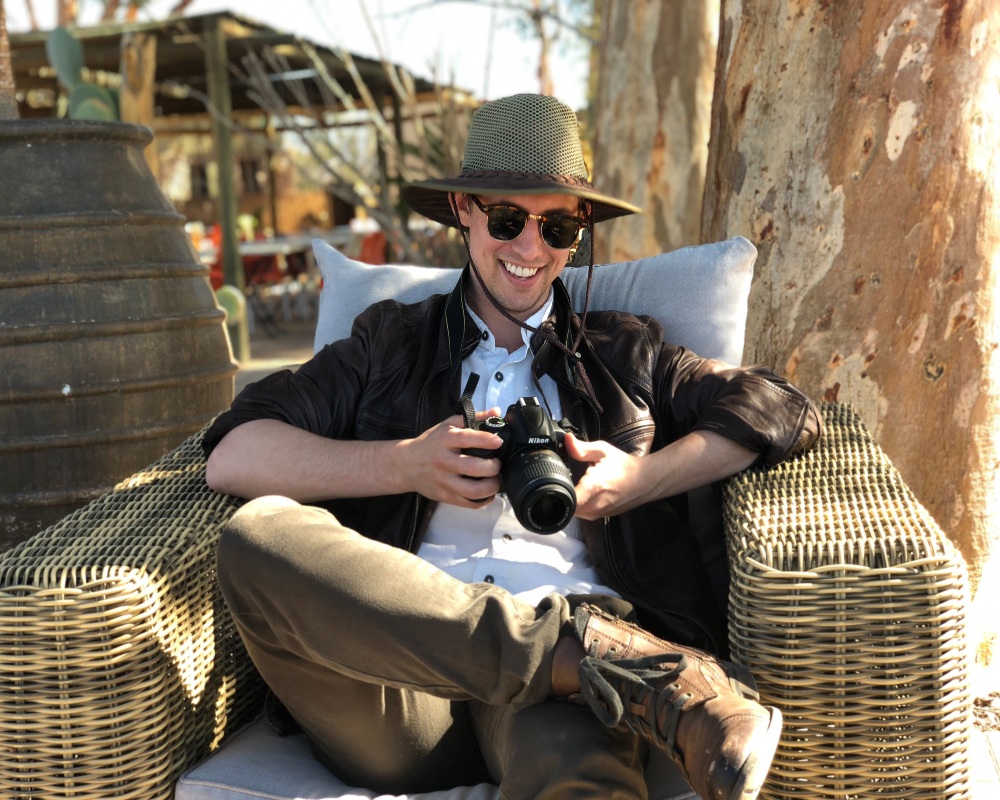
Your phone can capture plenty, but if wildlife photography is important to you, a camera with a decent zoom lens can make a huge difference when animals are some distance away.
Don’t worry too much about getting the perfect photograph, though. Some of the best safari moments are the ones where everyone simply puts the camera down and watches.
And remember to bring spare batteries, memory cards and a portable power bank, particularly if you’re travelling between remote camps.
What About a Raincoat?
Always pack a lightweight waterproof jacket.
Even during traditionally dry periods, showers can happen, and during the green or rainy seasons a waterproof layer can be invaluable.
A lightweight jacket is ideal because it takes up very little room in your luggage but can make all the difference when the heavens open during a game drive or walking activity.
Do You Need to Pack Smart Clothes?
Possibly one or two.
Safari camps are generally very relaxed, even at the more luxurious properties, so you certainly don’t need a formal wardrobe.
However, if you’re combining your safari with Cape Town, Nairobi, Johannesburg or another city, or perhaps heading to the coast or Zanzibar afterwards, you may want a couple of slightly smarter outfits.
Equally, some of our favourite luxury lodges are lovely places to sit down for dinner after a day in the bush, so it’s nice to have something other than dusty safari trousers if you fancy dressing up a little.
A Few Extras Worth Packing
There are a handful of smaller things that can be surprisingly useful:
- Refillable water bottle
- Small daypack
- Head torch or small torch
- Portable battery charger
- Travel adaptor
- Lip balm
- Eye Drops
- Hand sanitiser
- Lightweight waterproof
- Small notebook or journal
- Field guide
A small daypack is particularly useful for walks and game drives, giving you somewhere to keep your water, binoculars, camera and layers.
And if you’re travelling with children, don’t forget a few familiar comforts, favourite snacks, books or entertainment for longer journeys.
What Not to Pack for a Safari
Perhaps the most useful packing advice we can give is knowing what to leave behind.
You don’t need a huge wardrobe. You don’t need heavy boots unless your itinerary specifically calls for them.
The beauty of a tailor-made safari is that we know where you’re going, how you’re getting there and what you’ll be doing. We’ll help you work out what is genuinely necessary rather than sending you off with a generic checklist that fills your suitcase.
Your Safari Packing List, Made Simple
So, what to pack for a safari?
Think comfortable clothes, versatile layers, sensible shoes, sun protection, a water/windproof jacket, insect repellent and a few things that will help you make the most of your time in the bush. Add binoculars, a camera if you enjoy photography, and a little room for the unexpected.
Most importantly, don’t overthink it.
The moment you climb into that first safari vehicle, the suitcase becomes rather unimportant. You’ll have an enormous African sky overhead, wildlife in every direction and a guide who knows exactly where to look.
We’ll make sure you’re prepared before you go so you can simply arrive, settle in and enjoy the adventure.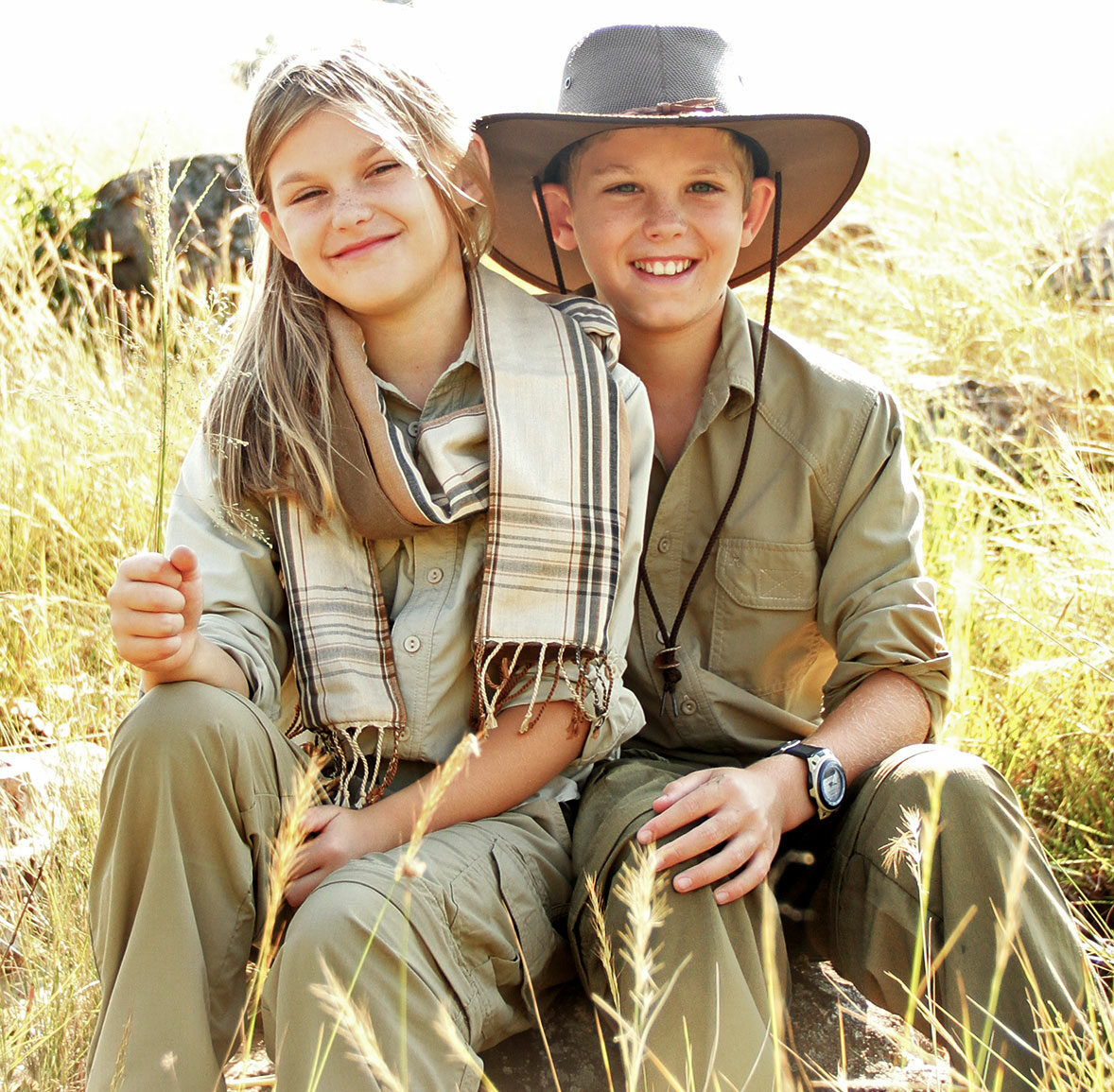
If you’re travelling with children, take a look at our separate Safari Packing List for Kids, where we’ve covered some of the additional things that can make travelling with children easier.
Planning your safari? Talk to our experienced team and we’ll advise you on exactly what to pack for your particular itinerary.
Get in touch today to turn your safari dreams into a reality.
Some images used in this blog are the property of our partners. Please contact us for more details.
The 7 Best National Parks in Tanzania
Tanzania has emerged as one of the top safari destinations in Africa, thanks to its diverse landscapes and abundant wildlife. From the untamed acacia forests to the vast shores of one of the continent’s largest lakes, it’s no wonder that this country has garnered such high acclaim for its natural beauty.
Amidst the extraordinary landscape, it’s natural to wonder about the number of national parks scattered across Tanzania. The answer is a remarkable 22.
Each park possesses its own unique characteristics but they all share one common thread: they provide a habitat for some of the world’s most renowned wildlife species, ranging from majestic lions to elegant flamingos.
With so many sensational parks to explore and animals to see, many are left wondering where to go on a safari in the country. To make it as easy as possible to plan an unforgettable adventure to this wild paradise, we have put together a list of The 7 Best National Parks in Tanzania.
1. Serengeti National Park
Among the exceptional national parks in Tanzania, Serengeti shines strong as one of the most magnificent. It is one of the largest in the country and is world-renowned as one of the Seven Natural Wonders of Africa.
The park lies nestled in northern Tanzania and spans the Mara and Arusha regions. It is home to one of the most fascinating ecosystems on the planet as its climate, plants and wildlife have remained virtually unchanged for millions of years.
As a result, Serengeti National Park is said to be home to one of the world’s most untouched and unspoilt ecosystems. With a staggering population of over four million wild animals calling it home, it’s no surprise that this unspoilt oasis is widely regarded as one of Tanzania’s most extraordinary national parks.
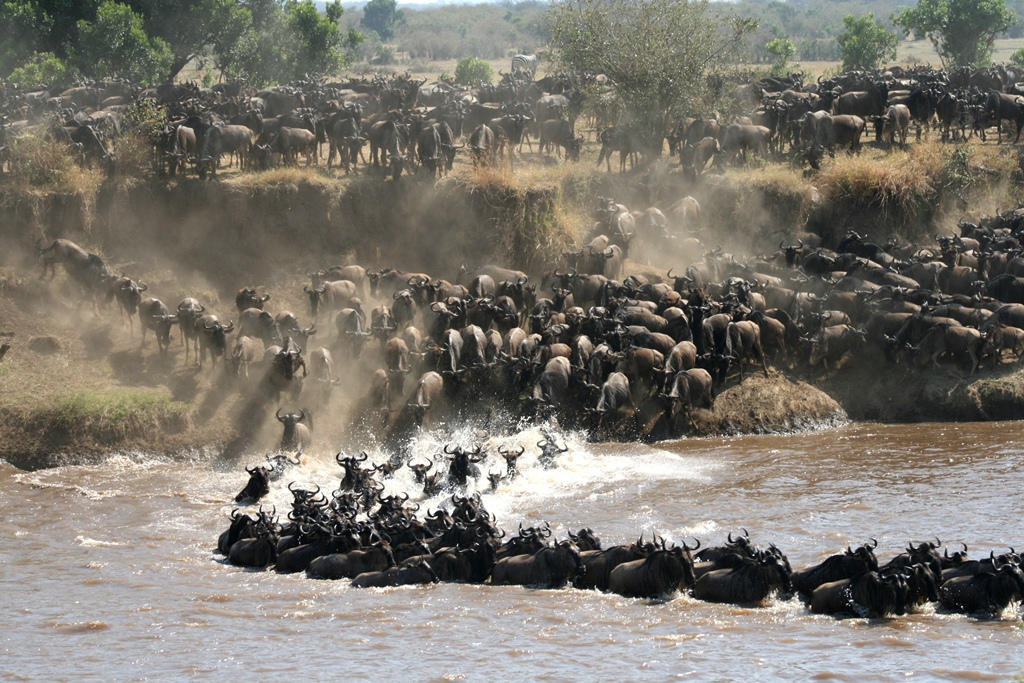
One of the most sensational things to see in Serengeti National Park is the Great Migration. Witness over two million wildebeests, zebras, and gazelles as they embark on their epic journey across the Serengeti, eventually reaching the Masai Mara in Kenya.
As if this grand spectacle isn’t impressive enough, the migration also attracts a multitude of predators including lions, crocodiles, and leopards. One of the best times to visit Tanzania for those eager to catch the Great Migration in the Serengeti is July to September.
The river crossings take centre stage during this period as wildebeests storm across the waters, while patient crocodiles lie in wait for their chance to strike. Tanzania offers unparalleled opportunities for wildlife spotting throughout the year.
From graceful giraffes to mighty buffalos and elusive white rhinos to majestic leopards, the park is a haven teeming with extraordinary wildlife.
2. Ngorongoro Conservation Area
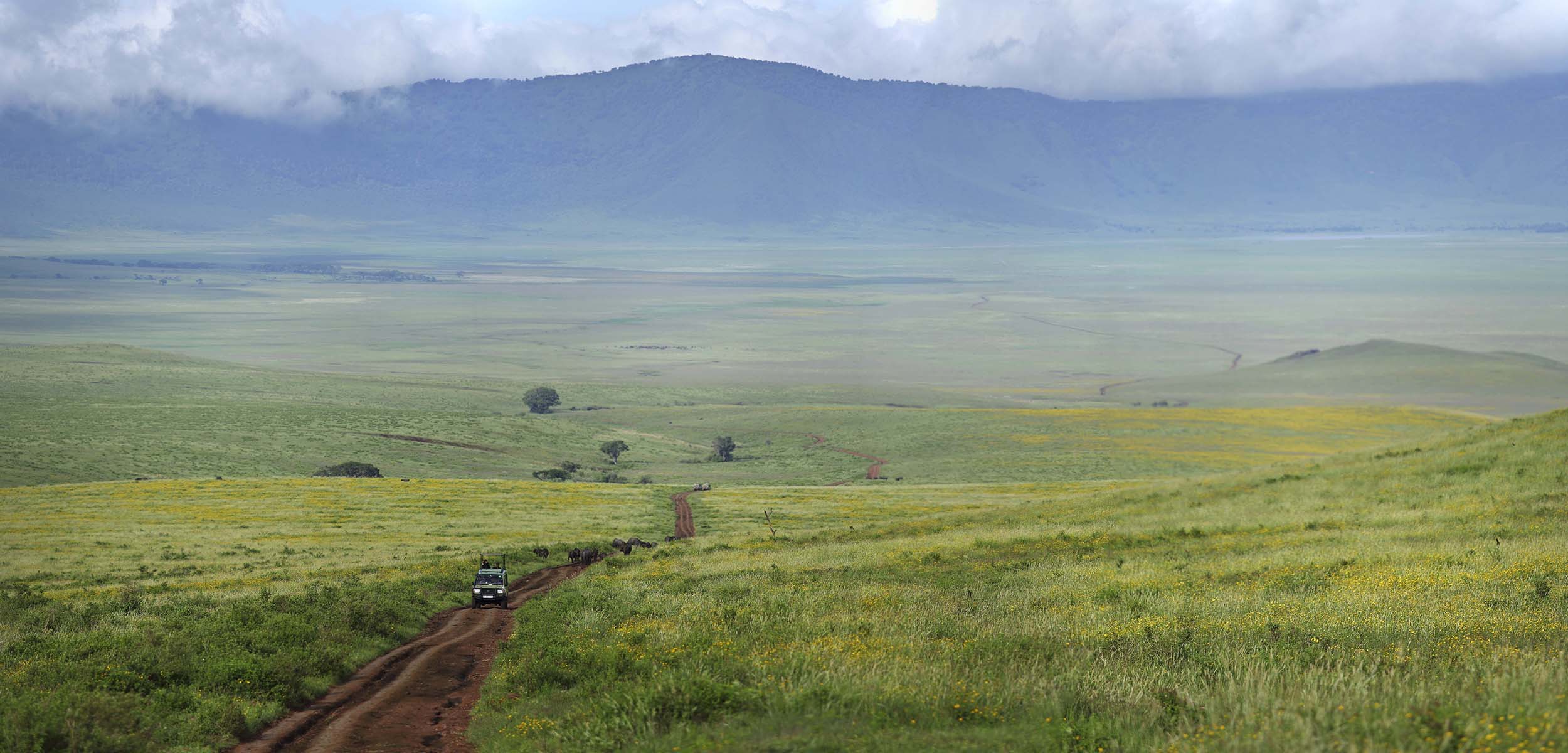
The Ngorongoro Conservation Area lies in the Crater Highlands in Northern Tanzania and is part of the Serengeti ecosystem. It is here that you will find one of the most incredible sites to see in Africa: one of the largest intact volcanic calderas on the planet.
The UNESCO-protected crater is believed to trace back to three million years ago and is believed to have once stood as a volcano, before ultimately exploding and collapsing in on itself. Flourishing with vegetation, the 16-kilometre-wide caldera is home to the Big Five, along with many of Africa’s most famous large predators.
Prepare to encounter hyenas, jackals and leopards in this untamed terrain. Despite the abundance of predators, other unique creatures can be found all over the park including buffalos, zebras and antelopes.
In fact, this is one of the very few places in Tanzania where you can spot the Black Rhino. The area is also famed for its flamingo population. There are few more incredible sights to see on a safari in Tanzania than these elegant, baby-pink birds flocking together in the park’s shimmering lakes.
If you time your visit right, you’ll also be able to catch the Great Migration, when huge herds of wildebeest, zebra and antelope arrive during calving season. With such a unique landscape, Ngorongoro is one of the most fascinating ecosystems found in Tanzania.
3. Tarangire National Park
Tarangire is one of the best national parks in Tanzania. Picture an untouched tapestry of savannah plains and ancient baobab trees. The site remains slightly more under the radar than other safari areas in Tanzania as it is located in the Manyara region, off the main circuit.
The park’s landscapes are a picture of peace and serenity, with little to be heard beyond the sounds of the local wildlife. With a population of around 3,000 elephants, you’ll never be too far from the resonant snorts and thumps of these glorious creatures.
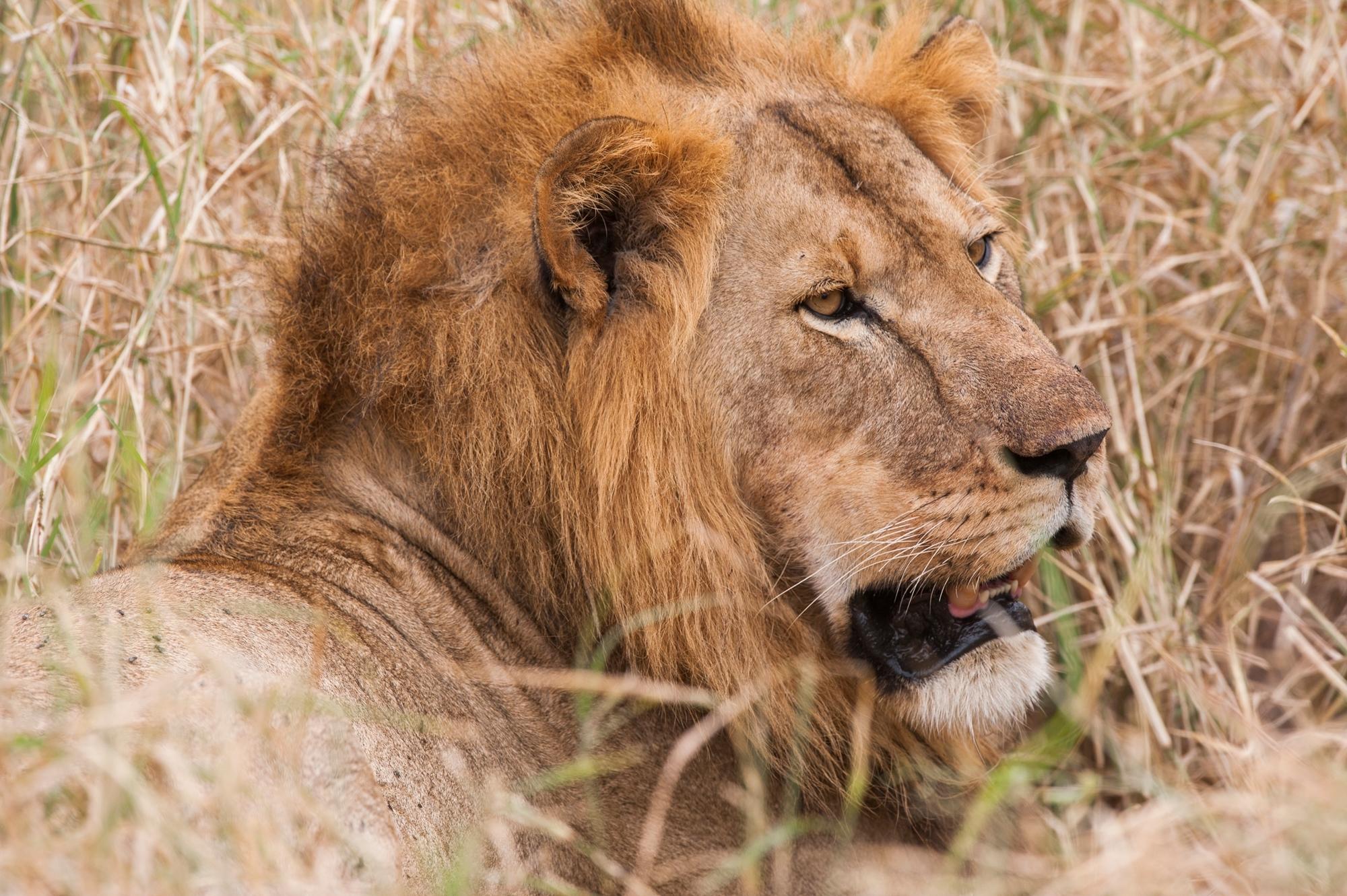
However, the diversity of wildlife in Tarangire National Park extends well beyond the impressive elephants. Lions can be seen climbing the trees in the park on a daily basis. Visitors are also likely to cross paths with zebras, Masai giraffes, impalas, blue wildebeests, bush pigs, waterbucks and buffaloes.
July to October is one of the best times of year for safari in Tanzania for those looking to visit Tarangire National Park. The landscape transitions to a slightly drier state during this period, drawing animals to gather around the riverbed and creating a breathtaking spectacle of concentrated wildlife activity.
That being said, you can rest assured that a spectacular experience awaits you at Tarangire National Park no matter the time of year. Even during the wet season, the site undergoes a remarkable transformation as the landscape flourishes into a vibrant green oasis.
Exploring Tarangire during this period offers a unique opportunity to witness the park’s rejuvenation, with lush vegetation and a renewed sense of life embracing the surroundings. While wildlife spotting may require a bit more patience amidst the abundant greenery, the reward lies in the breathtaking natural scenery.
4. Lake Manyara National Park
As one of Tanzania’s smaller national parks, Lake Manyara is often underestimated by those planning a safari holiday. The magnificent site is one of the most incredible in the parts of the country as it supports one of the highest biomass densities of large mammals in the world.
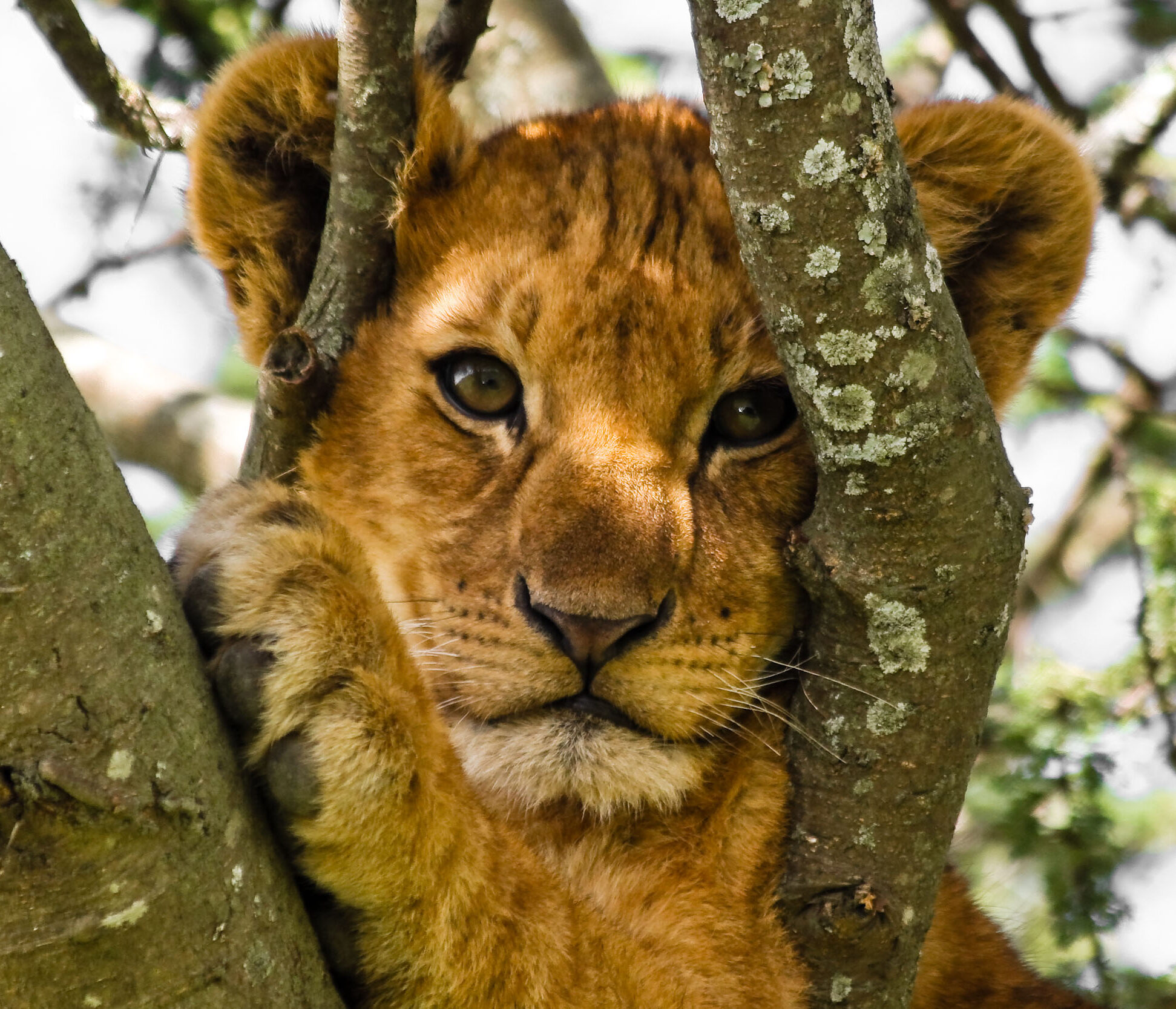
Lake Manyara is home to a sensational variety of wildlife including elephants, buffaloes, hippos and wildebeests. However, it is the park’s famous tree-climbing lions that often steal the show. These majestic big cats scale the flourishing acacias every single day. They can be difficult to spot at first but truly offer the most awe-inspiring sight for visitors of Lake Manyara.
The park is also renowned as a birdwatcher’s paradise, with over 400 species found within its boundaries. Among its avian residents, the park is particularly famous for its 1.9 million flamingos. These elegant, blush-coloured creatures can be seen feeding on the algae of the lake, brightening its shores with rosy hues.
With such a rich diversity of wildlife concentrated within the relatively small area of Lake Manyara, you can enjoy a high likelihood of bumping into many of Africa’s most famous creatures at this park. The lake itself is nothing short of breathtaking. In fact, Ernest Hemingway proclaimed it to be the loveliest in Africa.
5. Nyerere National Park
Nyerere National Park is located in south Eastern Tanzania and lies within The Selous Game Reserve, one of the largest remaining wilderness areas in Africa. The untamed paradise boasts some of the highest concentrations of wild animals on the planet.
The site sprawls over 30,893 kilometres and is one of the most magnificent new national parks in Tanzania, having only been established in 2019. Nyerere is slightly less visited than other spots on the list, despite being one of the best safari destinations in the country.
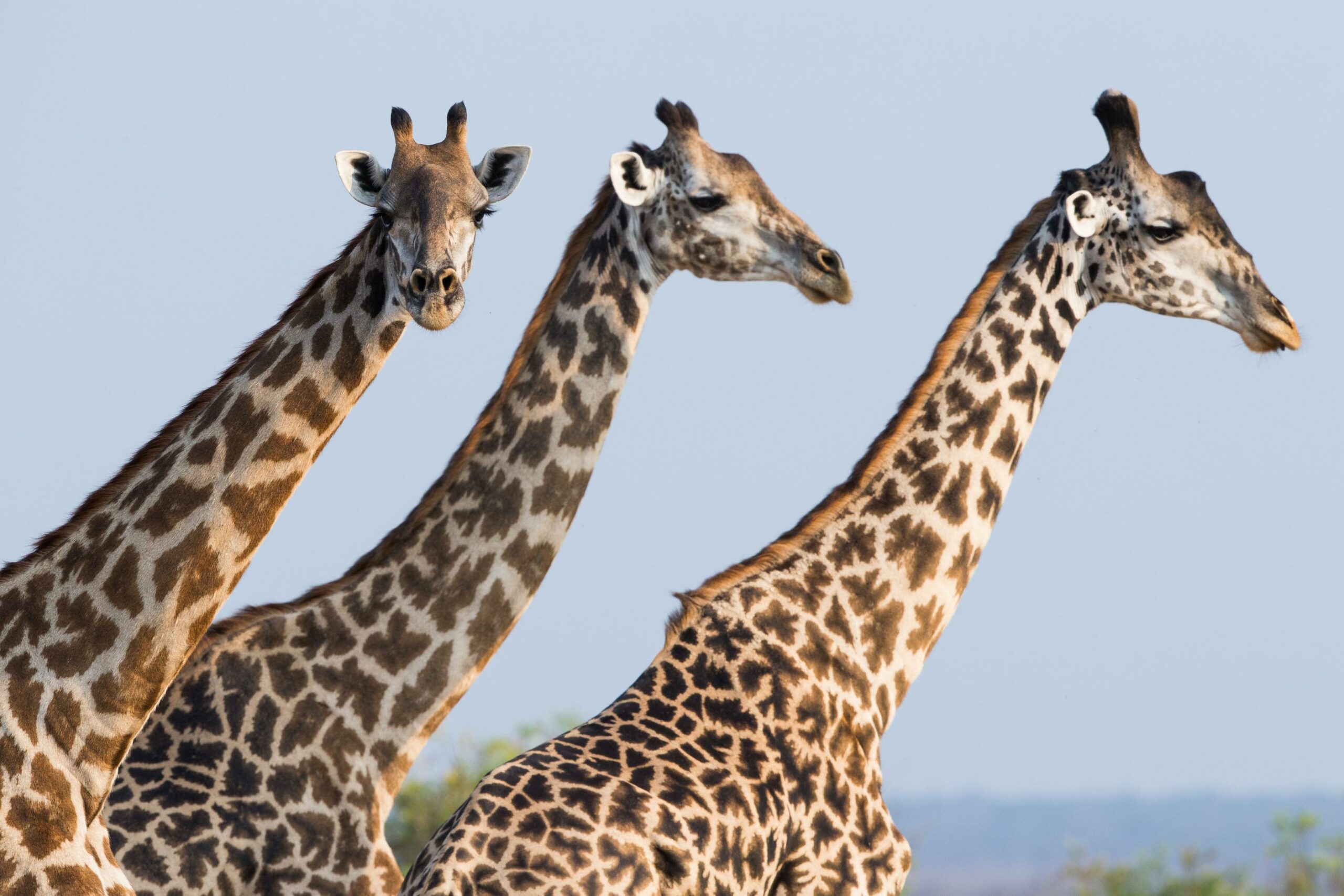
As a result, many of its spectacular wildlife residents are less exposed to humans. Nyerere National Park is home to all sorts of marvellous creatures including large populations of elephants, giraffes, black rhinos, crocodiles and wildebeests.
As the largest national park in Tanzania and one of the biggest in Africa, you’ll find a marvellous, diverse range of habitats in Nyerere. The landscape is a tapestry of vast grassland, wetland, riverine forests and miombo woodlands.
Discover a diverse range of terrains as you explore Nyerere National Park, encountering magnificent animal species and savouring the tranquil serenity of one of the country’s lesser-known wildlife areas. With its remarkable landscapes and rich biodiversity, it is often hailed as the best national park in Tanzania.
6. Arusha National Park
Arusha National Park is situated in the west of Tanzania, just outside the town of Arusha. At just over 500 square kilometres in size, it is the smallest national park in the country.
Don’t be fooled by its size, however, as it boasts one of the highest densities of wildlife in the country and boasts the largest population of giraffes in the world. These long-necked creatures can be seen roaming and nibbling on vegetation all over the site.
Beyond giraffes, Arusha National Park is also home to hippos, zebras, elephants and cape buffalos, along with over 400 different bird species. There is also a flourishing population of primates here, including black-and-white colobus monkeys and blue monkeys.
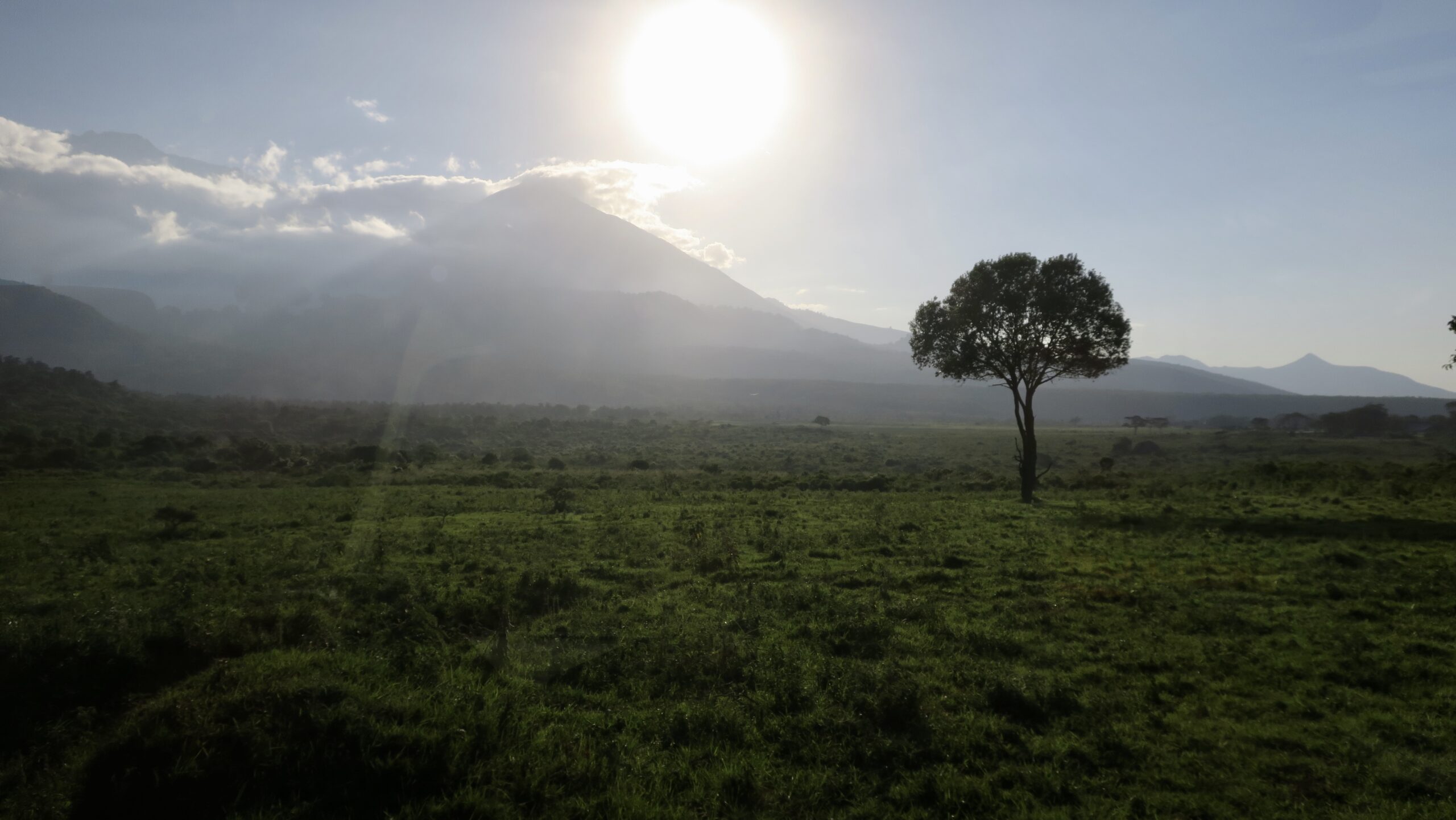
A visit to Arusha National Park would not be complete without exploring Mount Meru, a 14,980 ft volcano located within its grounds. The landscape itself is remarkably varied, encompassing sprawling savannah, rainforest and acacia forests.
Game drives offer the perfect opportunity to uncover the wildlife and landscapes in all of their glory. Alternatively, you’ll have a wonderful array of active explorations at your fingertips including canoeing safaris and bush camping.
7. Ruaha National Park
One of the largest national parks in East Africa, Ruaha sprawls over around 20,226 square kilometres of unspoilt landscape in a remote area of southern Tanzania. Its remote location and expansive size ensure a serene and secluded experience, away from the crowds.
The park gets its name from the Great Ruaha River, the second-largest conservation area in East Africa. There is certainly much to see in terms of wildlife in Ruaha. Picture an unspoilt display of miombo woodlands, rocky hills in the distance and sand-lined rivers.
As you explore Ruaha, you’ll encounter an incredible array of wildlife. Notably, the area is renowned for its elephant population, with over 12,000 of these majestic creatures gathering along the riverbanks.
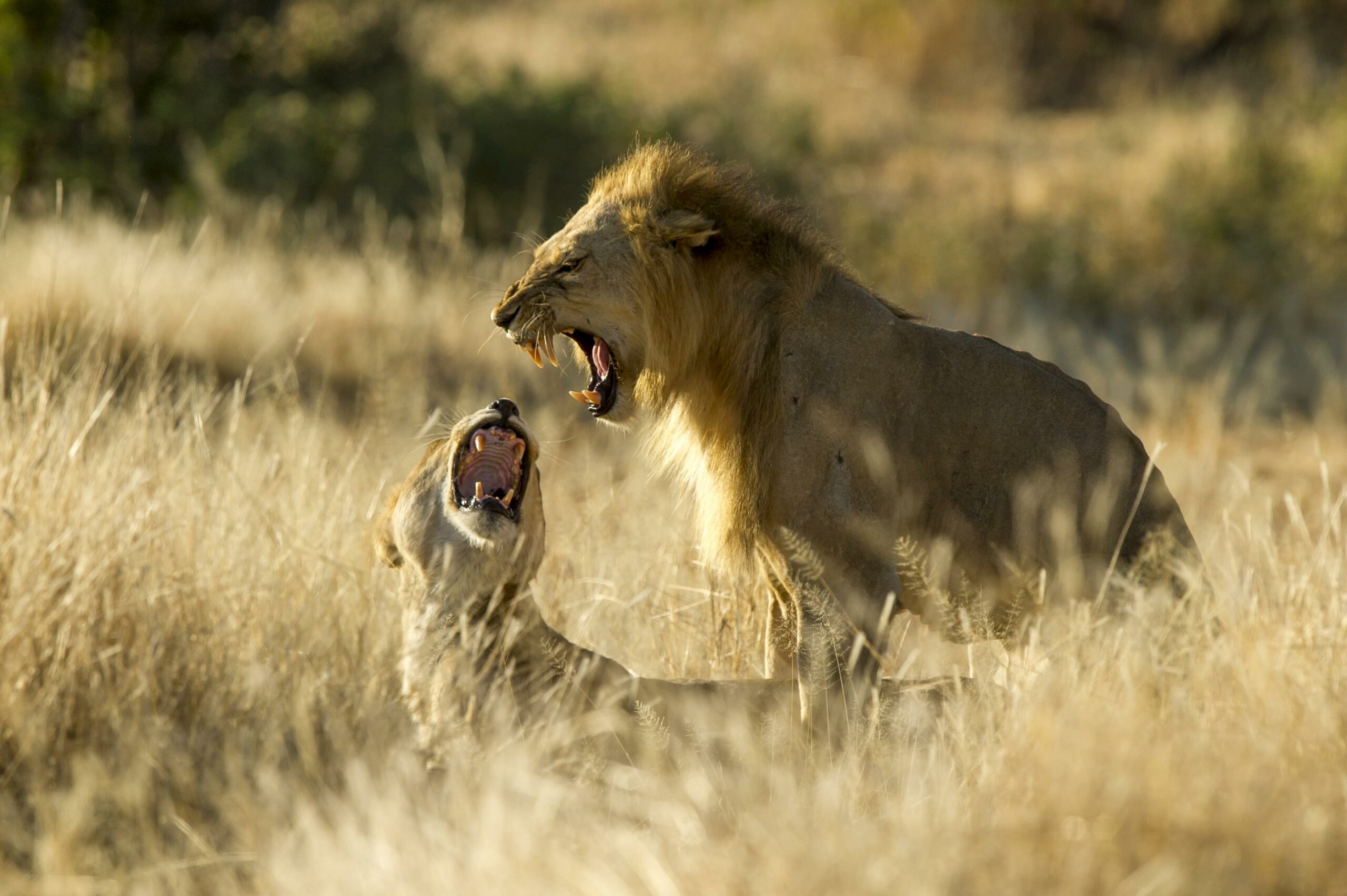
Predators also thrive in Ruaha National Park, with lions roaming the vast expanse, leopards gracefully navigating the riverine forests and cheetahs patrolling the grasslands. Giraffes, zebras, hippos and crocodiles add to the rich array of wildlife in the area.
Bird enthusiasts will be delighted to hear of the park’s diverse range of avian inhabitants. Over 570 species can be seen above the landscape. African fish eagles, kingfishers, bee-eaters and bateleurs are just a few of the bird species you can spot during your visit.
With such a sensational variety of landscapes to explore and wildlife to see, Ruaha is certainly one of the best national parks to visit in Tanzania.
Summary
Tanzania is without a doubt one of the best family safari destinations in Africa. The country boasts an unparalleled variety of national parks to explore. From one of the largest intact volcanic calderas on the planet to sparkling lakes home to tree-climbing lions, there is something for everyone to enjoy.
With so much to see in this magnificent corner of Africa, you simply cannot go wrong with a safari adventure in Tanzania.
Embark on a wildlife adventure of a lifetime on a safari to Tanzania. Check out our wonderful selection of itineraries and accommodation and discover why so many travellers view Tanzania as one of the most incredible safari destinations in the world. Get in touch today to start planning your African adventure.
Some images used in this blog are the property of our partners. Please contact us for more details.
The Best Time of Year for Safari in Tanzania
Tanzania is one of the best places to go on a safari in the world. The country’s vast savannahs, national parks and game reserves are home to many of the most remarkable animal species on the planet, including cheetahs, lions and gazelles.
In addition to the sensational wildlife, this African gem is the proud host of one of nature’s most amazing natural phenomena, the Great Migration. The magnificent spectacle marks the 480-kilometre circular journey made by over 1.5 million wildebeests, through Tanzania’s Serengeti National Park and the Masai Mara in Kenya. There are few more incredible experiences to be had than witnessing this phenomenon first-hand.
Tanzania offers a luxury safari experience like no other, and is the ultimate destination for a bucket list family holiday, a trip with friends or an adventurous couples getaway. The country is home to 22 national parks and seven UNESCO World Heritage Sites, leaving much to explore during your stay.
One thing to bear in mind while planning a trip to Tanzania is that your safari experience will vary significantly depending on when you choose to visit. While the country lies close to the Equator and boasts eight hours of sunlight all year round, temperatures and rainfall can differ hugely from month to month.
In this article, we share all you need to know about when to go on safari in Tanzania.
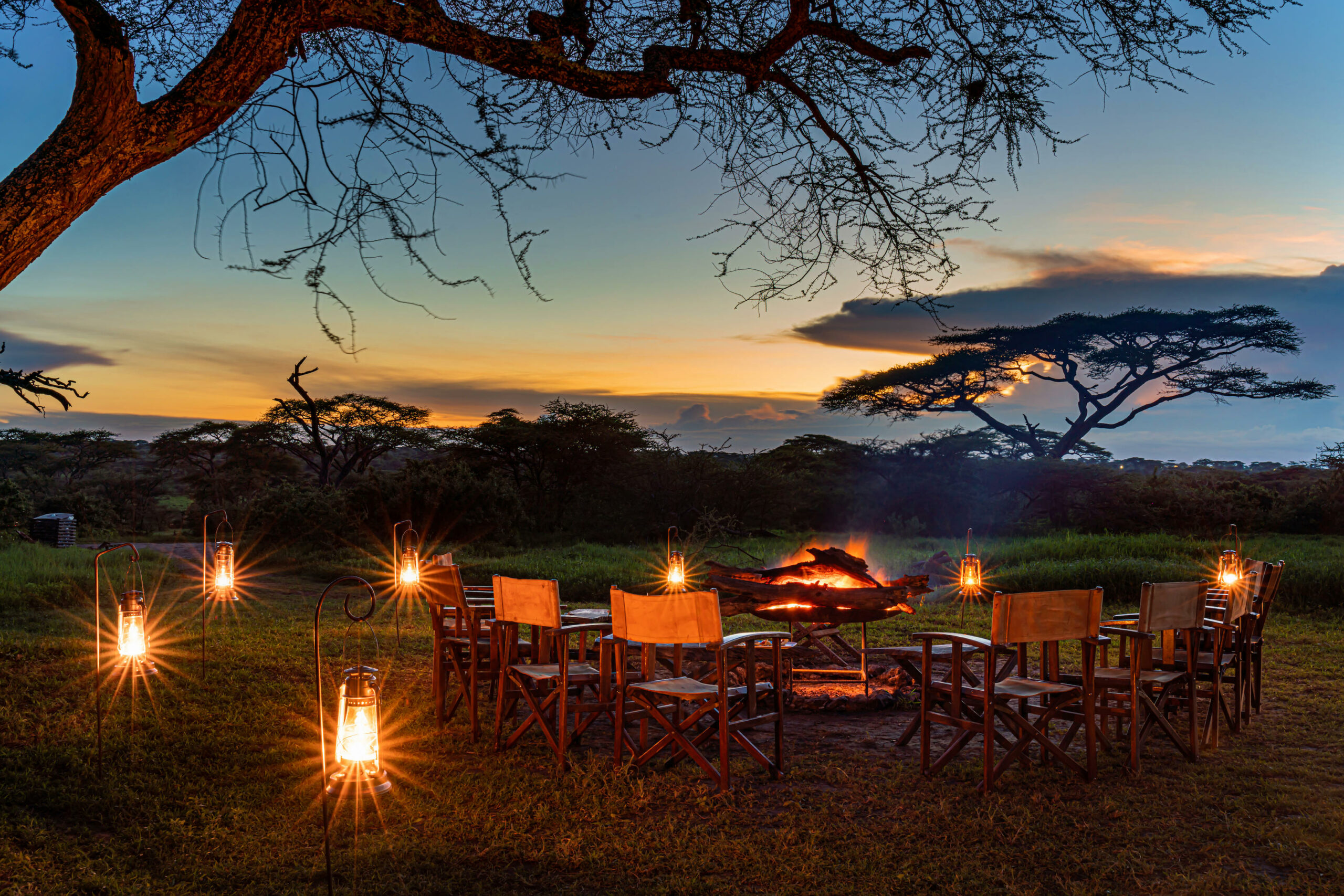
What is the Weather Like in Tanzania?
Tanzania has two distinct seasons, the rainy season and the dry season. Each one offers very different safari experiences and weather conditions. You might want to get clued up on what kind of climate to expect while planning your trip to Tanzania.
Green Season in Tanzania
Many wonder when the green season is in Tanzania. This period runs from November until May and comprises two stages, the first of which is the ‘short rain’. This season takes place in November and December and tends to see only light rainfall.
One thing to be aware of, however, is that these showers can be quite unpredictable. The second category is the main or long rainy season which occurs during April and May. Tropical showers are more common during this period and humidity levels are high. Temperatures usually hover around 30°C.
Dry Season in Tanzania
The dry season in Tanzania extends from June to October. Temperatures are slightly cooler over this period, with figures around 28°C. Rainfall is infrequent and the days are characterised by clear blue skies and plenty of sunshine.
It can get a little cold at nighttime and in the early morning in the dry season, but all in all, many view this as the best time to go on a safari in Tanzania.
When is the Best Time to Go On Safari in Tanzania?
The question of when is the best time to go on a safari in Tanzania often comes down to a matter of personal preference. If it is your first time and you’re looking for the best weather and the easiest wildlife tracking conditions, you may wish to stick to visiting during the dry season.
On the other hand, if you are hoping to see the landscape at its quietest and most peaceful, whilst securing the best value, you might want to opt for the green season. We have shared some key things to know about the best time to go on a safari in Tanzania below.
June to September
June to September is often said to be the best time of year for safari in Tanzania. Falling in the dry season, you will not need to worry too much about rain showers and can expect blue, sun-soaked skies. As an additional benefit, the conditions for wildlife viewing will be in their prime.
Hosts of animals can be spotted clustering around watering holes while the sparse vegetation makes it much easier to see creatures throughout parks and reserves. You will have the highest chance of catching a glimpse of “the big five” between June and September.
This group includes elephants, buffalos, rhinos, leopards and lions. With so many of Africa’s most famous creatures on full display, June to September is certainly one of the best times to visit Tanzania for a safari holiday.
While the wildlife spotting opportunities are wonderfully exciting, there is another key benefit to visiting the country during this period: the Great Migration. Watch in awe as millions of wildebeests thunder through the landscape.
Catching this incredible spectacle is sure to impress kids and adults alike. The Great Migration is one of the primary reasons why many see June to September as the best time to do a safari in Tanzania. One downfall of visiting during this period, however, is that it falls under the peak tourist season.
As a consequence, the parks and reserves will be busier, prices will be higher and you will need to book further in advance.
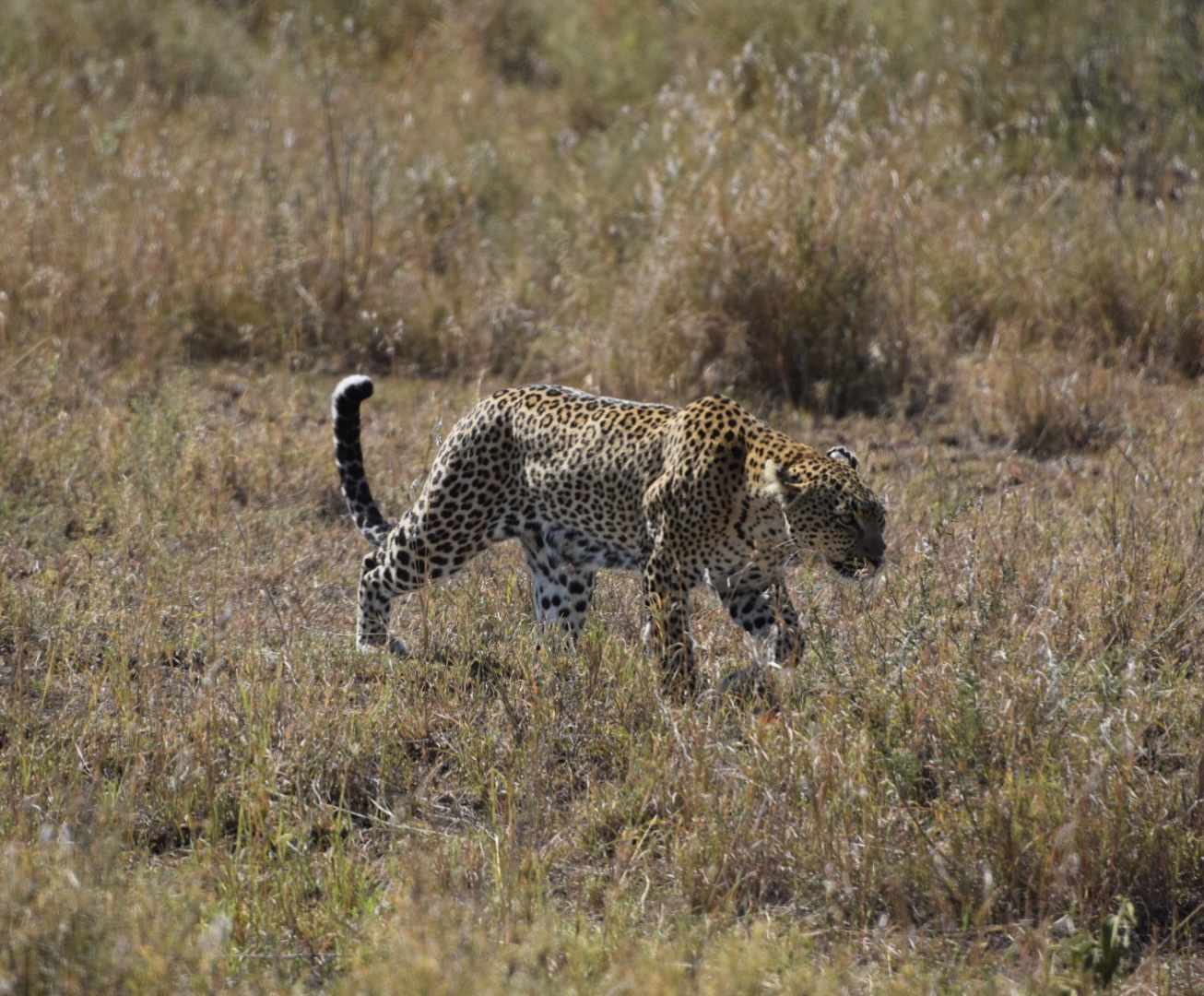
October to December
October to December is one of the best times to go on safari in Tanzania. You will be treated to slightly warmer temperatures, fewer crowds and limited rainfall. These pleasant conditions provide the perfect weather for going on a safari.
November marks the beginning of the Tanzanian rainy season. However, showers tend to be short and periodic, primarily only taking place in the evening. So, as long as you plan your days accordingly, the weather is unlikely to cause any disruption to your adventure.
Another reason why October might be the best time of year for safari in Tanzania is that the jacaranda trees come into bloom, beautifully adorning the landscape with flourishing purple flowers.
December also offers a unique, colourful beauty as the flame trees come into bloom, decorating the area with dazzling red blossoms. Additionally, the festive season is also a fantastic time to go birdwatching in Tanzania as many migratory species arrive in the area.
While the thriving vegetation makes for beautiful scenery, it makes it a little more difficult to spot creatures, as they lurk amongst the vegetation and tall grasses.
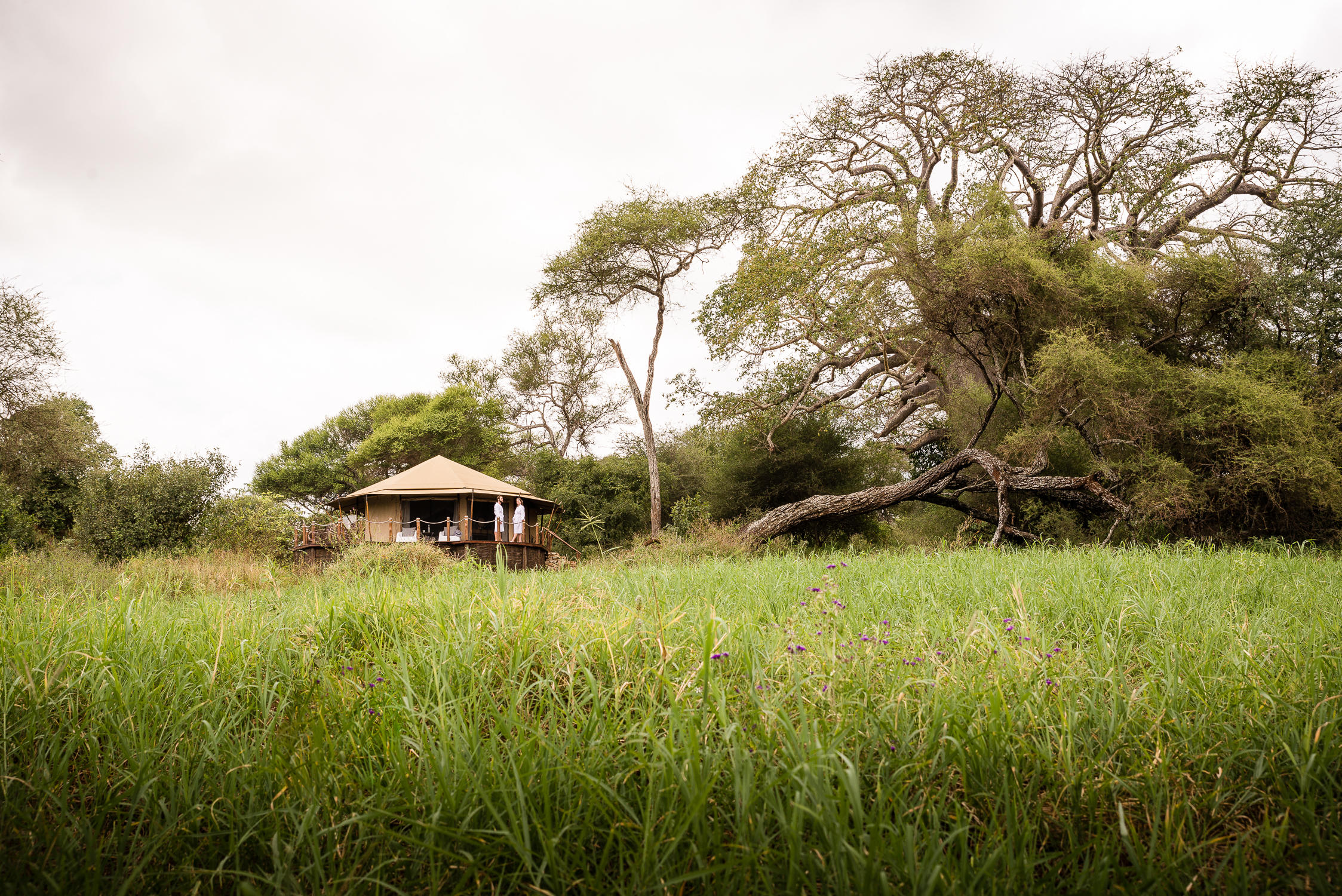
January to February
January and February are two of the best times to do a safari in Tanzania as you will be able to see the landscapes in a whole new light, cloaked in flourishing green vegetation. Temperatures also climb higher, with average figures closer to 30°C.
You will want to raise your eyes to the skies as many migratory birds arrive in the parks during this period. One of the primary reasons why many see January and February as the best time of year to safari in Tanzania is that this is peak calving season.
You will be able to see all sorts of newborn creatures at this time of year, including baby wildebeests. Watch as the adorable hoofed creatures stumble and take their first steps under the watchful eye of their mothers..
Predator action also tends to reach new heights in January in February, with lions, cheetahs and leopards just some of the creatures to be seen prowling the landscape. The heat is one of the main drawbacks of going on a safari holiday to Tanzania during these months.
Be sure to pack plenty of suncream, hats and breathable clothing to stay as comfortable as possible during your stay.
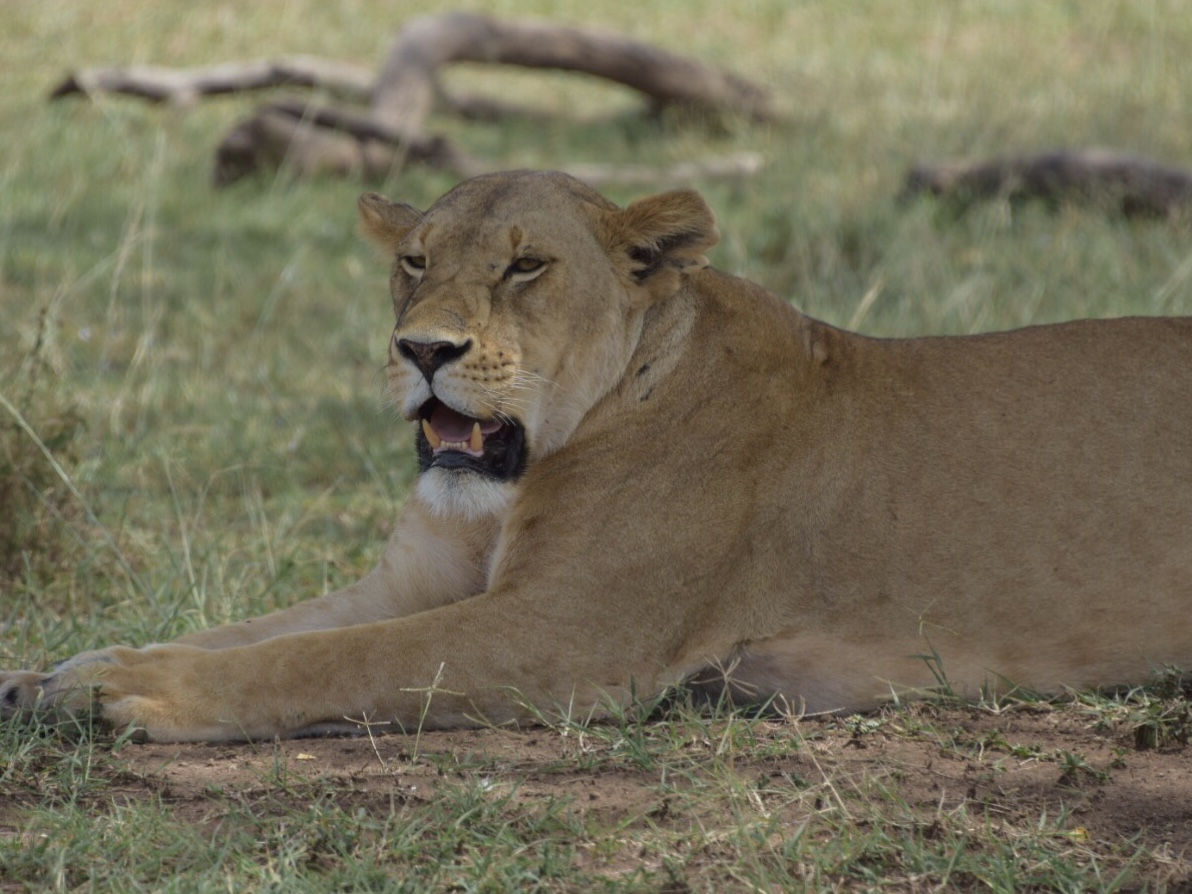
March to May
March to May offers the best time of year to go on safari in Tanzania if you want to see the parks at their quietest. This period falls under one of the quietest visiting seasons as many travellers are put off by the reports of rain
After all, March, April and May fall under the country’s wettest season, when showers are long and commonplace. You may also find it difficult to stay in the best safari lodges in Tanzania during this period, as many shut up shop due to the lack of visitors.
That being said, if you are able to secure accommodation and are adaptable enough to not mind having to accommodate potential schedule adjustments due to the rain, March to May might be an ideal time to visit.
You will get to see the parks in a way that many miss out on, with thick grassy plains, thick woodlands, gushing rivers and gorgeous colourful flowers taking over the parks. With very few choosing to visit during this period, you will be able to enjoy having the landscapes almost entirely to yourselves.
While this picturesque scenery comes at the cost of making the animals harder to spot, this is nothing that an experienced safari guide cannot handle. You will also be able to enjoy lower prices during this time.
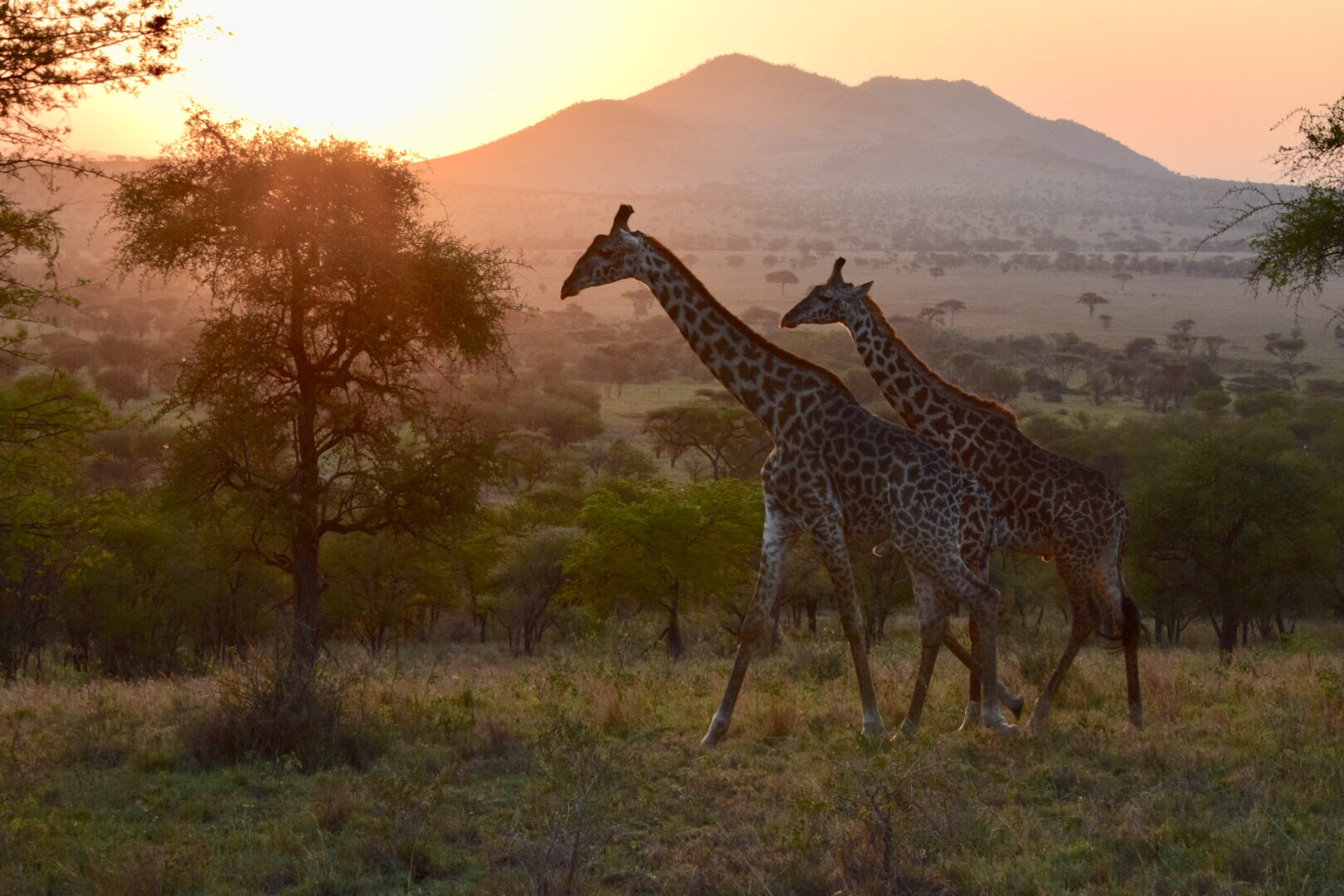
What to Pack for Safari in Tanzania
If you’re wondering how to plan a safari in Tanzania then you are also likely wondering what to pack. We have outlined some essentials below.
Layers of Clothing
One of the important things to remember is to bring layers. Temperatures often drop significantly at nighttime and in the early hours. This means you will want some extra layers to pull on for evening sundowners and morning or nighttime game drives.
A waterproof coat or jacket is a must. The last thing you want is to find yourself caught in a sudden rain shower. To ensure the weather doesn’t dampen your experience, do not forget to pack a light waterproof coat or jacket.
Sun and Bug Protection
One of the most important things to remember when packing for a safari in Tanzania is sun cream. You will be spending long hours outside under the African sun and do not want to end up getting burnt.
To ward off insects and remain as comfortable as possible, you will also want to bring insect repellent or bug spray.
Summary
Tanzania is a spectacular safari destination, perfect for families, friends and couples. An unspoilt wildlife paradise, you will be able to tick off seeing everything from lions to zebras and elephants to wildebeests in this natural utopia. With so many exciting creatures to see, it comes as no wonder why Tanzania is one of the best family safari destinations in Africa.
However, the experience you have in this magnificent corner of the world highly depends on when you choose to visit. You may want to prioritise seeing baby animals, colourful flowers or migrating wildebeests. Whenever you choose to go on a safari in Tanzania, prepare to be taken on a truly unforgettable adventure amidst glorious natural surroundings.
Wanting to set off on a safari holiday to Tanzania? Take a look at our terrific range of safari itineraries and accommodations in the country, or get in touch with our experts for help planning a spectacular trip to this natural paradise.
Some images used in this blog are the property of our partners. Please contact us for more details.
Where to Stay in Tanzania for Safari
Tanzania is a tapestry of breathtaking landscapes, spanning from arid savannahs to lush woodlands. The beauty of the country has been capturing the hearts of nature enthusiasts for decades.
Hiding amongst the glorious beautiful natural surroundings, you’ll find some of the world’s most celebrated creatures such as cheetahs, elephants and giraffes. Offering stunning scenery and incredible wildlife, this magnificent East African paradise is a wonderful place to explore.
In fact, a safari in Tanzania provides the ultimate bucket list family holiday. However, with so many destinations to investigate and animals to see, planning a luxury adventure to this country can seem a daunting task – especially when it comes to finding the right accommodation.
We know how important it is to find the perfect place to stay. After a day of exploring the untamed landscape, you will want to return to a peaceful sanctuary where you can relax and rejuvenate before going on another adventure the following day.
If you’re planning a trip to Tanzania, you’re likely to be wondering what the best places to stay in the country for a safari are. In this article, we share recommendations of the finest lodges and camps in the region, from lavish lodges balanced on the edge of a crater to lush private homes.
In doing so, we hope to inspire you and help you on your way to planning your dream safari in Tanzania.
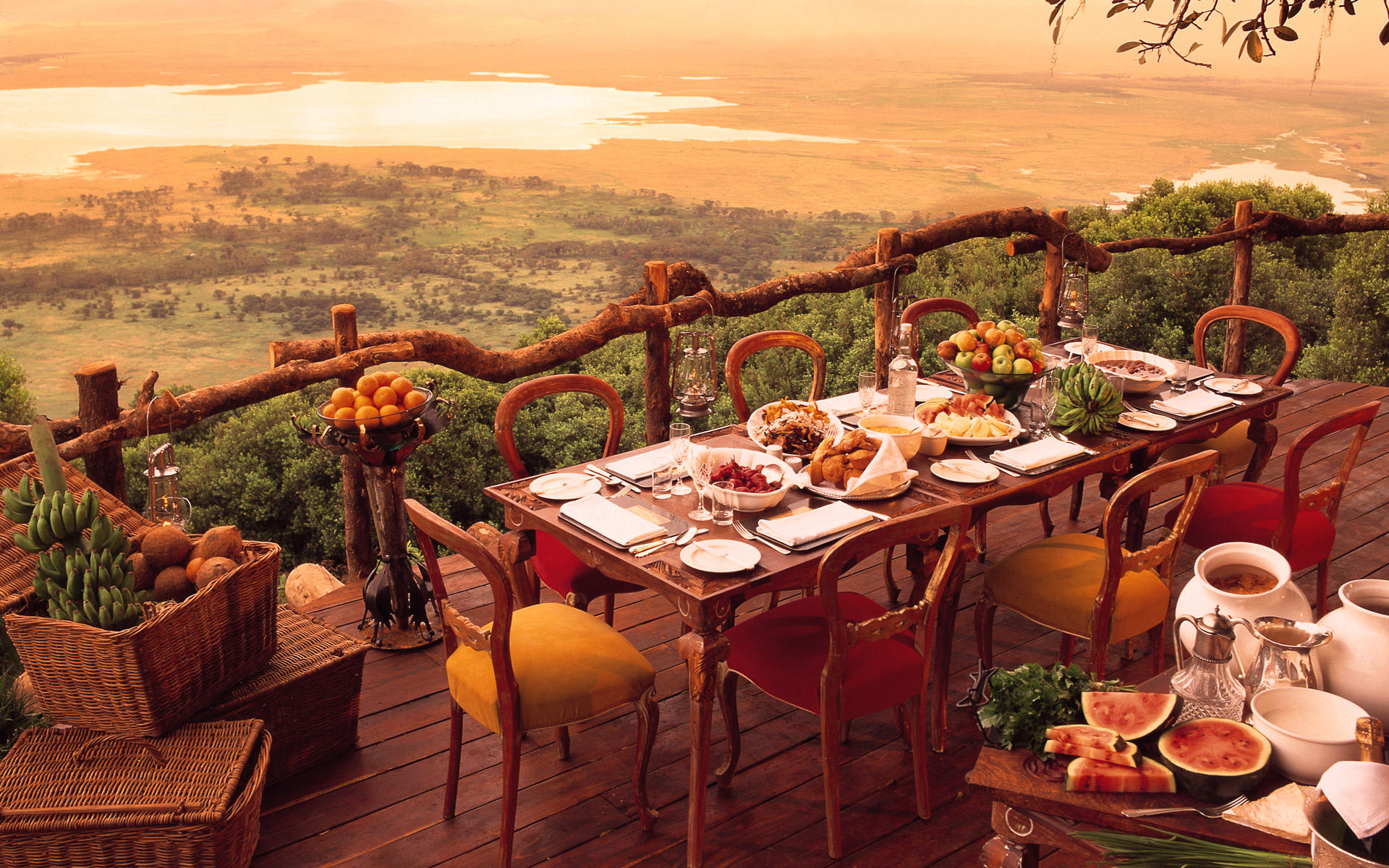
1. andBeyond Ngorongoro Crater Lodge
andBeyond Ngorongoro Crater Lodge is one of the best places to stay on a luxury safari in Tanzania. The chic establishment offers the best of both worlds, providing complete luxury while immersing guests in the magnificent East African landscape.
The lodge lies perched on the edge of an ancient caldera that traces back almost three million years old. Amongst the gorgeous scenery, you will find endangered black rhinos, giant tusked elephants, lions and flamingos.
You can expect to be sleeping in the lap of luxury amidst the untamed surrounding landscape of the lodge. The chateau-like accommodation effortlessly blends stylish, Victorian furnishings with vibrant African touches.
You’ll have your choice of where to stay amongst the thirty suites that are spread across its three camps. The bedrooms showcase a wonderfully decadent design, while banana leaf ceilings and grass roofs never leave you feeling too cut off from the marvellous natural scenery.
You won’t need to worry about a thing during your stay, with private butlers on-hand to cater to your every need. While gazing over at the Ngorongoro Crater at sunset, you will be able to hear and see the chants of Maasai warriors.
When it comes to things to do, you can set out on game drives to the crater floor, in the capable hands of an expert guide. You’ll also be able to enjoy gorge hikes, wine tastings and private sundowners while staying in the wonderful andBeyond Ngorongoro Crater Lodge.
2. Mkombe’s House
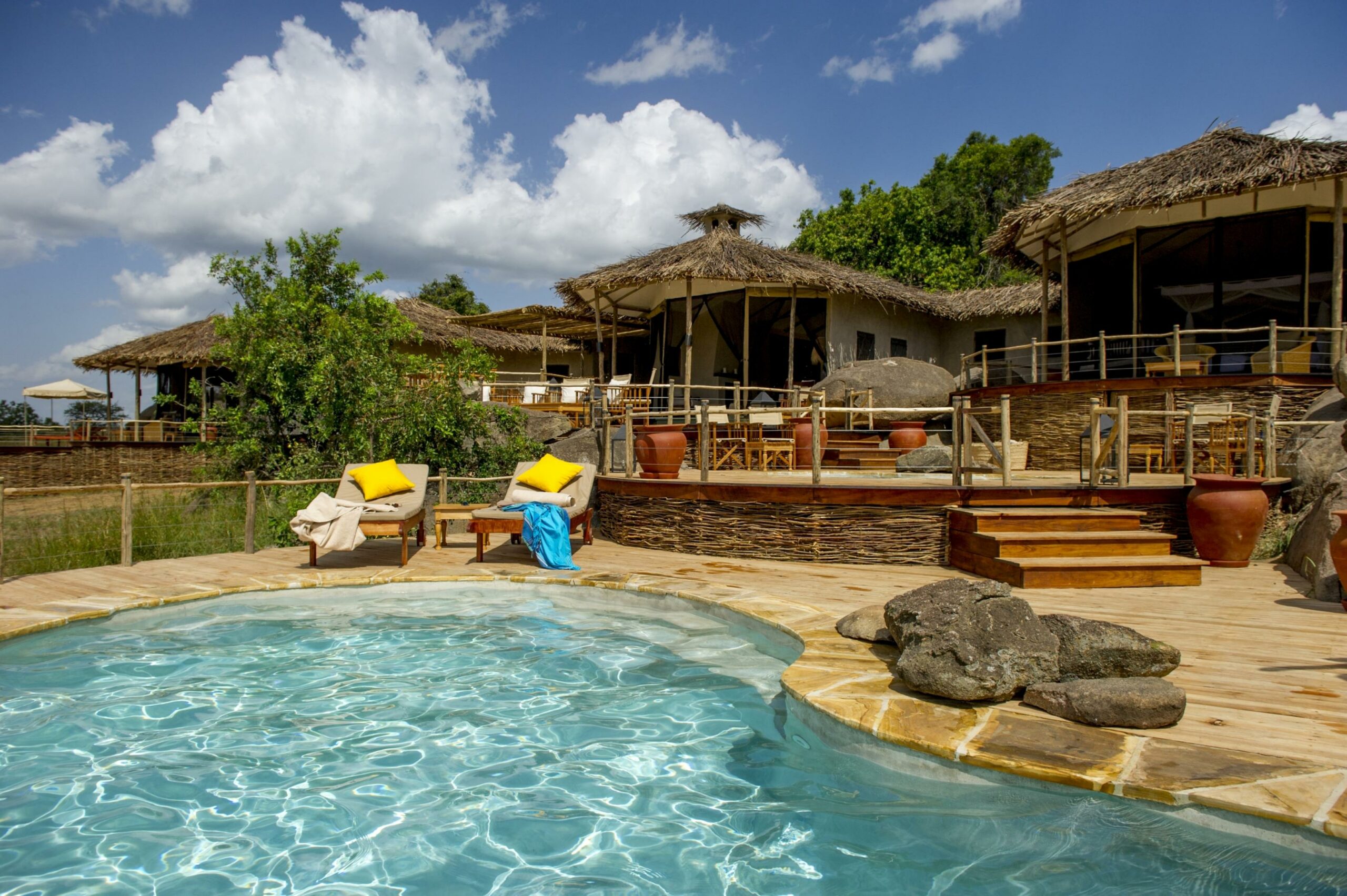
Mkombe’s House is another spectacular Tanzania safari lodge. The gorgeous exclusive-use property is the only one of its kind in the Serengeti and offers a wonderful home away from home for those exploring the area.
The lodge is situated in a coveted corner of the Serengeti near the river crossing of the Great Migration, one of the world’s most incredible natural phenomena. Mkombe’s House was created with young families in mind, with safety and privacy at the forefront of its design.
It is self-contained and offers an abundance of private activities. Plus, the dining menu is completely customisable which comes in very handy when feeding the little ones or dealing with selective eaters. This is the perfect place to stay for those travelling with kids.
That being said, Mkombe’s House also warmly welcomes adult-only groups looking for a touch of seclusion during their safari getaway. The property comprises four stylish bedrooms, a lounge area, dining rooms, a swimming pool and a plunge pool.
The gorgeous home boasts glorious views over the northern Serengeti and makes a wonderful base for going on safari drives and game viewing and witnessing the crossings of the Mara River. Enjoy privately guided tours during your visit, led by a highly trained resident in the area.
Set off on bush walks during the day, spotting spectacular animals such as gazelles and zebras. Families will also be able to make use of a plethora of child-friendly offerings during their stay such as the toddler pool and flexible scheduling.
3. Jabali Private House
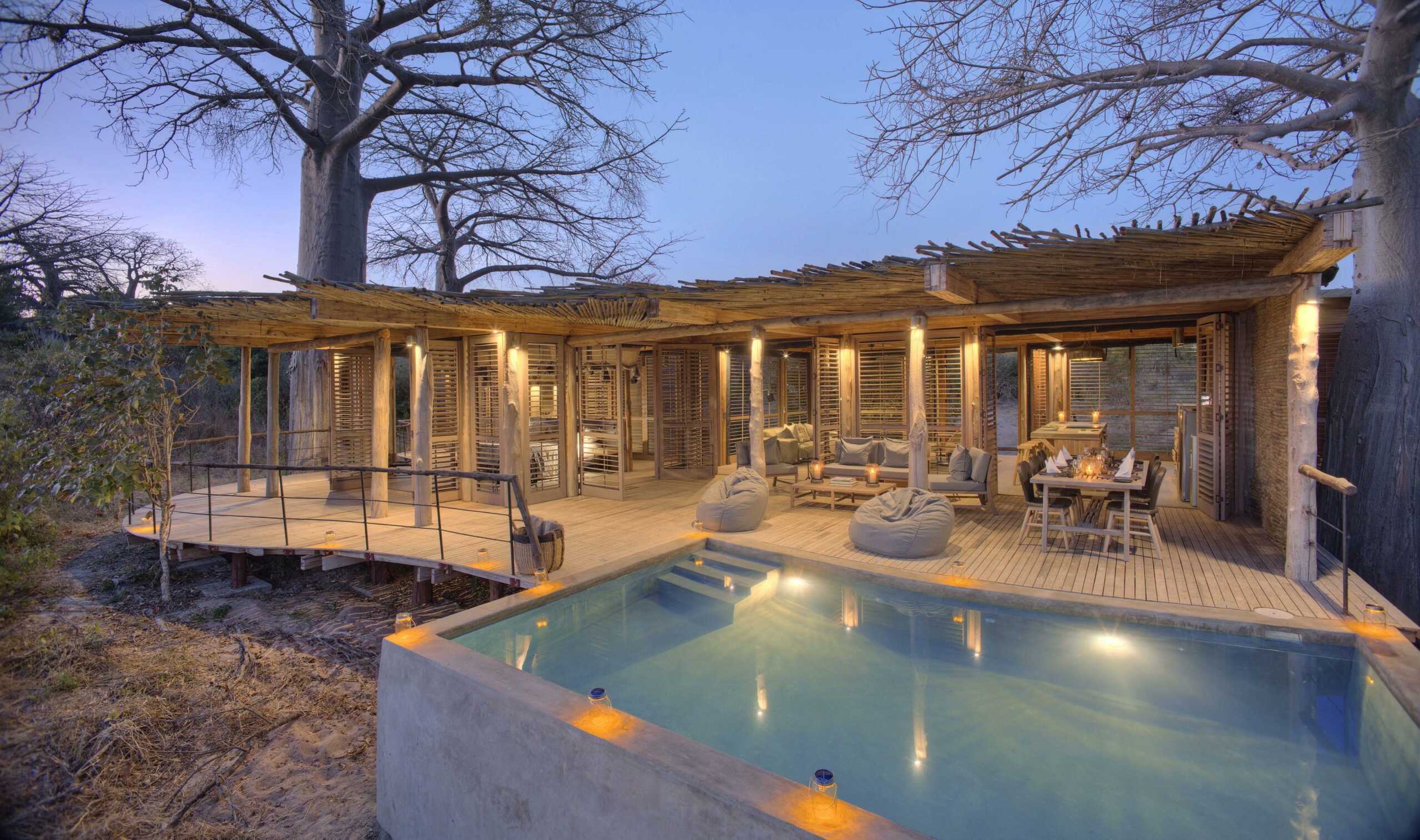
Serving up seclusion and sophistication amongst the glorious landscapes of Ruaha National Park, Jabali Private House is a wonderful accommodation for those seeking a luxurious stay during their safari adventure.
This spacious three-bedroomed accommodation features a lounge, dining area, private pool and marvellous views. It is another wonderful place to stay for those going on Tanzania safari tours as a family.
Ruaha is among the largest national parks in Tanzania and is a picture of beauty, with sun-bleached grassy plains and ancient baobab trees. What’s more, the area is known for its dense population of wild lions.
Prepare to be left in awe as you cross paths with large prides of these majestic felines during walking tours and game drives. Other animal residents include cheetahs, leopards and wild dogs. You’ll also want to turn your gaze to the skies from time to time to catch a glimpse of some of the area’s 570 bird species.
Enjoy complete freedom and flexibility during your stay, with your own private team of staff and personal safari guide and game-viewing vehicles. You will have the freedom to embark on adventures whenever you please, without being limited by the schedules of others.
This proves especially helpful for those travelling with young children as it can be difficult to anticipate when everyone will be ready. After the excitement of the day, return to the lush property for a spa treatment or a dip in the pool.
Alternatively, you can set off on another adventure with a night safari drive. Doing so offers a unique and exciting safari experience. A completely different range of animals will emerge as the nocturnal wildlife steps into action.
4. Chem Chem Lodge
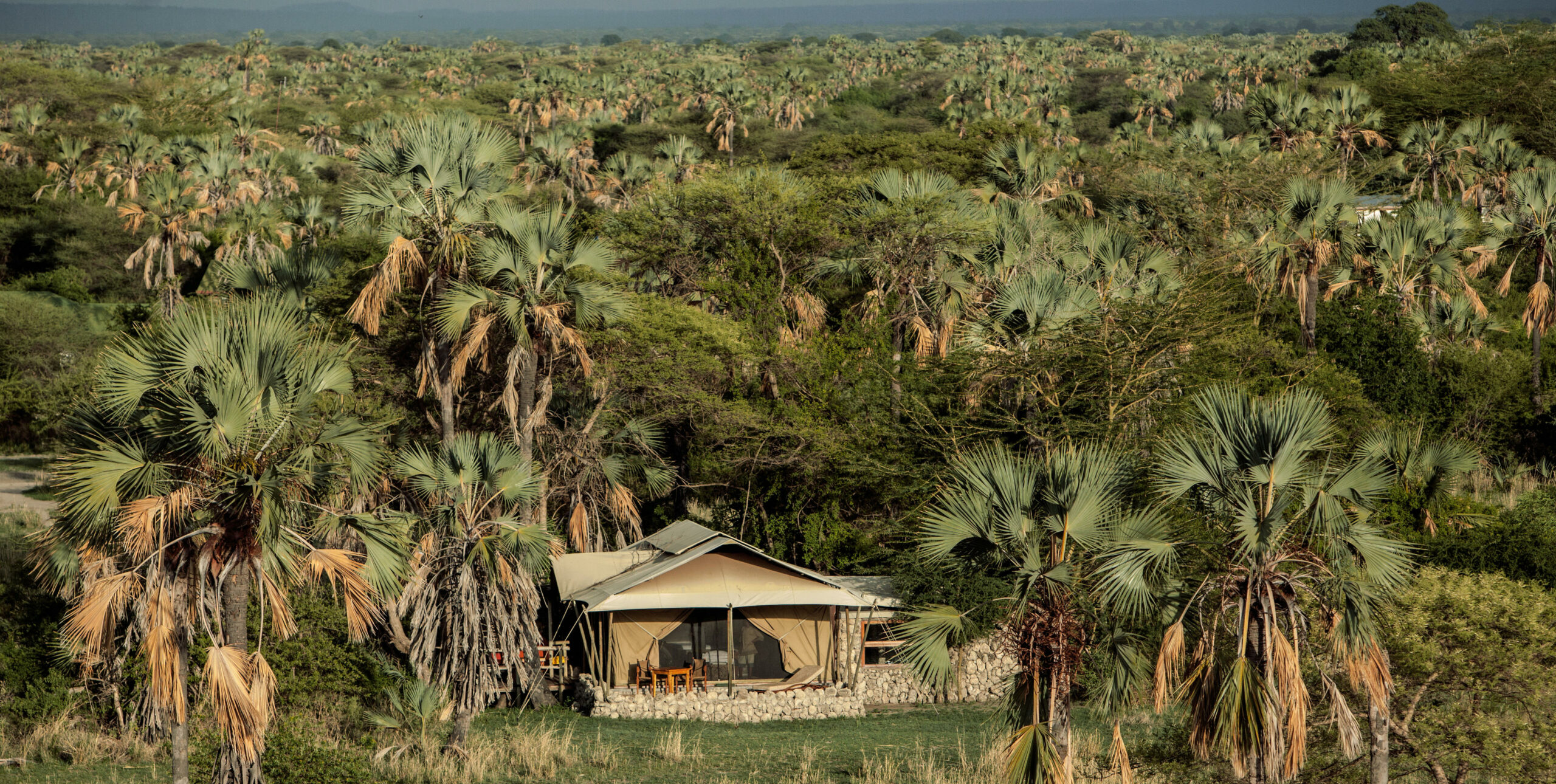
Chem Chem Lodge is a fantastic place to stay for those on an African safari in Tanzania. This lavish eco-lodge is located in an incredible area: an elephant corner between the national parks of Lake Manyara and Tarangire.
The accommodation provides a Tanzania camping safari experience like no other, with sunrise hill climbs, helicopter excursions and hot air ballooning as just a few of the excursions on offer.
You will also be able to uncover the beauty of the landscape in the company of those who have lived there for centuries on a bush walk alongside a Maasai warrior. Prepare to be treated to glorious views during your stay, with spellbinding vistas over the palm-dappled plains available throughout the property.
If you’re looking for the best place to stay in Tanzania for families, you’ll be pleased to discover the child-friendly safari expeditions provided at Chem Chem Lodge. During these adventures, the little ones are invited to learn bush skills from Maasai warriors, meet the local wildlife and take part in cooking classes.
The accommodation itself is a tranquil oasis, with eight tented suites, a swimming pool, spa and gym facilities. Chem Chem Lodge lives and breathes the slow safari way of life, with a peaceful ambience and lots of opportunities for quiet moments of reflection.
Tarangire National Park is a spectacular destination to explore on a safari holiday in Tanzania. You’re likely to come across ancient baobabs, huge herds of elephants and river snakes during your visit.
Elephants are often seen migrating across the golden plains, while zebras, lions and antelopes also frequent the area. A tranquil patch of paradise nestled within an incredible wildlife haven, Chem Chem Lodge is an example of Tanzania safari accommodation at its finest.
5. Greystoke Mahale
Seeking a safari and beach holiday in Tanzania? Look no further than Greystoke Mahale. The wonderful camp lies in a magical spot on the sandy shores of Lake Tanganyika, where crystal-clear waters rub shoulders with a flourishing forest.
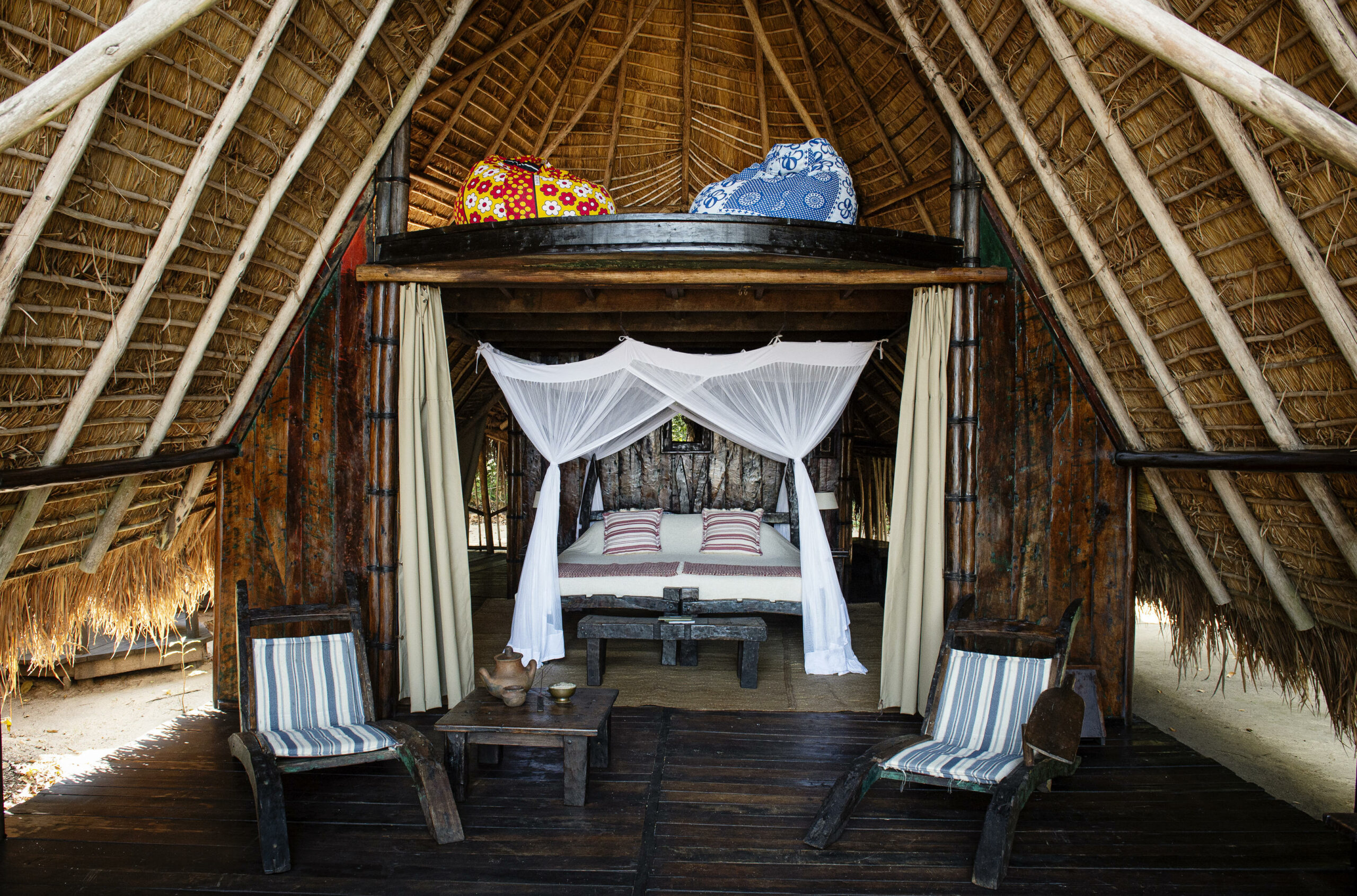
Greystoke Mahale comprises six thatched open-fronted bandas with ensuite bathrooms and an upstairs relaxation deck. The design of the guest area is partly inspired by traditional Tongwe architecture and features a bar, dining area, library and cosy sitting areas.
The quirky rooms at the lodge showcase a charming rustic design, constructed from reclaimed dhow wood and featuring an idyllic thatched roof. Amidst these enchanting surroundings, you will feel a world away from the stresses of everyday life.
Without any road access, the only way to reach the camp is by floating up aboard a boat on its twinkling waters. Take in spectacular views over the lake and forested peaks along the way. Amongst the flourishing landscape of the lodge lies a dense population of wild chimpanzees.
Embark on the Tanzania safari of a lifetime, heading in to see these marvellous creatures in their natural habitat. After checking out the chimps, you can return for a kayak on the lake or a swim in the pools by the waterfalls.
You may also want to do some fishing during your stay or set off on a forest hike to see the area’s flourishing population of birds and butterflies. In the evening, sit down to an exquisite meal in the enchanting surroundings of Lake Tanganyika.
Then, head for a freshly-prepared cocktail at the open-air bar and listen to the landscape come alive with the sounds of the nocturnal animals.
Summary
As you can see, there is a marvellous array of luxury safari accommodations in Tanzania. From lakeside bandas to exclusive-use homes, the variety of places to stay in the area is second to none. No matter where you choose to lay your head, prepare to enjoy the experience of a lifetime, encountering some of the planet’s most extraordinary creatures in this glorious unspoilt paradise.
Looking for a luxury Tanzania safari lodge for your African adventure? Check out our terrific range of safari experiences and accommodations in Tanzania, or get in touch with our experts at Coral Tree who can help you plan your dream trip to this magnificent corner of Africa.
Some images used in this blog are the property of our partners. Please contact us for more details.
The 3 Best Luxury Lodges Near Kruger National Park for Families
Take the kids on the adventure of a lifetime with a family holiday to Kruger National Park in northeastern South Africa. The glorious untamed landscape sprawls over 20,000 square kilometres and is an unspoilt tapestry of savannahs, woodlands and riverine forests.
Famed as one of the largest and most highly renowned game reserves in Africa, there are few better destinations to set off on a wildlife safari than Kruger National Park. The area is home to an exceptional array of species including lions, hippopotamuses and giraffes.
With so many magnificent creatures to see, exploring Kruger is sure to be an unforgettable experience for every member of the family, young and old, big and small. While the prospect of going on a wildlife safari in such a highly-renowned park is incredibly exciting, planning the holiday can seem a daunting task.
One important factor in planning a family safari trip is deciding where to stay with the little ones. To make the process as easy as possible for you, we have put together a list of the best safari lodges near Kruger National Park for families to stay.
Family Safaris Near Kruger National Park
Kruger National Park is one of the best places to go on a family safari in the world. Catching the wonder in your child’s eyes as they gaze over some of the world’s most glorious creatures in an awe-inspiring landscape is a truly heartwarming experience. Not to mention the little ones’ excitement as they track the prints of some of their favourite animals.
Even teenagers are sure to enjoy themselves on such a thrilling family holiday as they will have the incredible experience of spotting the biggest and best predators in the animal kingdom. Engaging in such special activities with your children creates a unique bond as you forge unforgettable memories together that will last a lifetime.
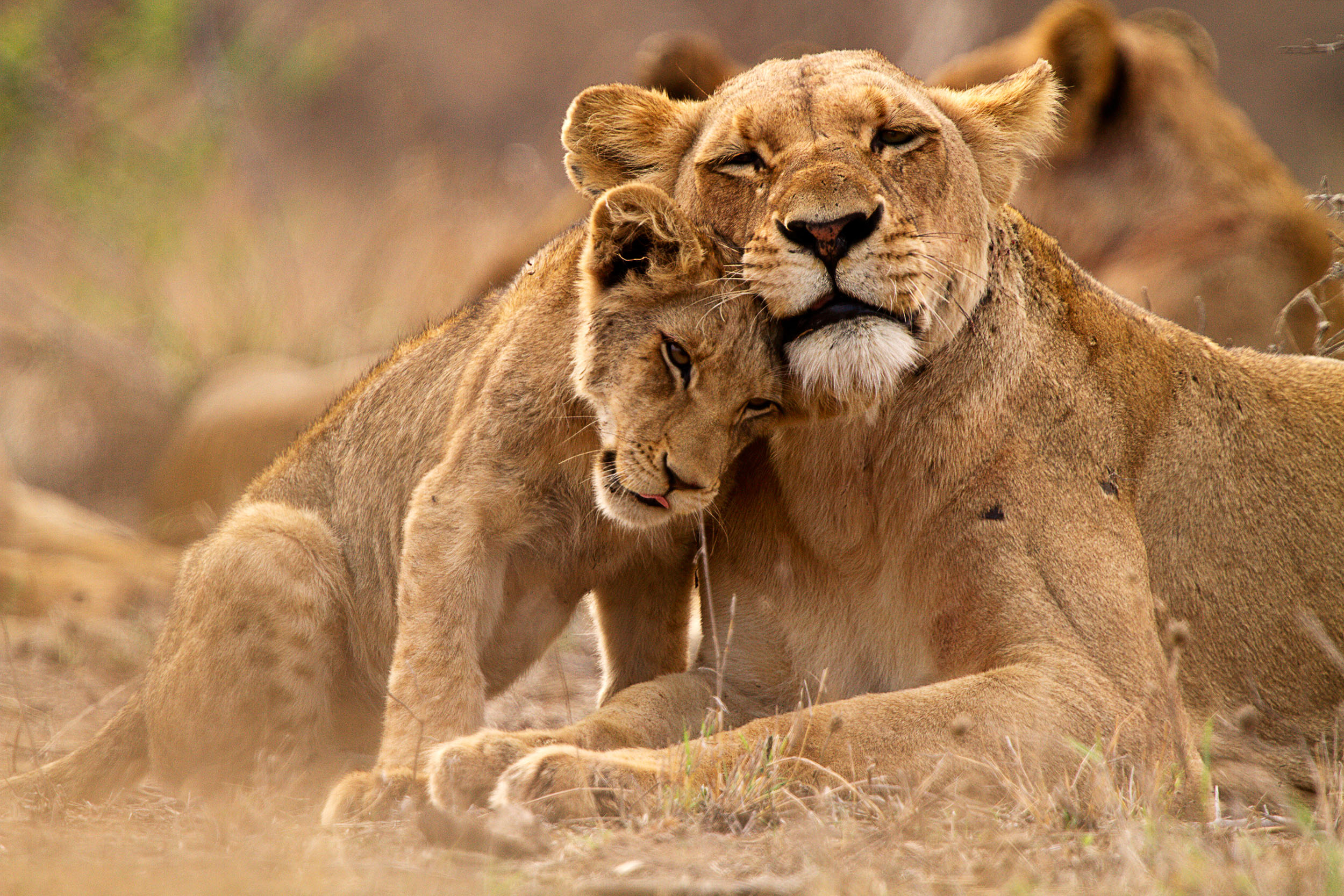
Kruger National Park is a particularly excellent place to embark on a family safari as all of the animal kingdom’s most iconic creatures thrive here. The park is home to over 12,000 elephants, 27,000 African buffalo and 2,800 lions and is regarded as one of the best places in the world to see a leopard.
What’s more, you’ll also find a phenomenal selection of luxury game lodges in greater Kruger National Park offering utmost comfort amidst the sensational landscape.
Best Time to Visit Greater Kruger National Park For Families
Timing is everything when it comes to organising a trip to Greater Kruger National Park with the kids. So, one of the first things to consider when putting together your itinerary is to consider the best time to go on a safari holiday according to your family’s needs and preferences.
The dry months of May to September can be a wonderful time to explore the marvellous landscape of Greater Kruger National Park. These months are South Africa’s winter season, when the animals often gather around the waterholes during this period, making them very easy to spot.
However, the flourishing vegetation and birdlife activity found between the summer months of November and February also offers great conditions for exploring the area. If you’re wanting the family to see the unspoilt landscape at its very quietest, you may alternatively opt to visit during the low season months of March and April.
The Best Luxury Lodges Near Kruger National Park for Families
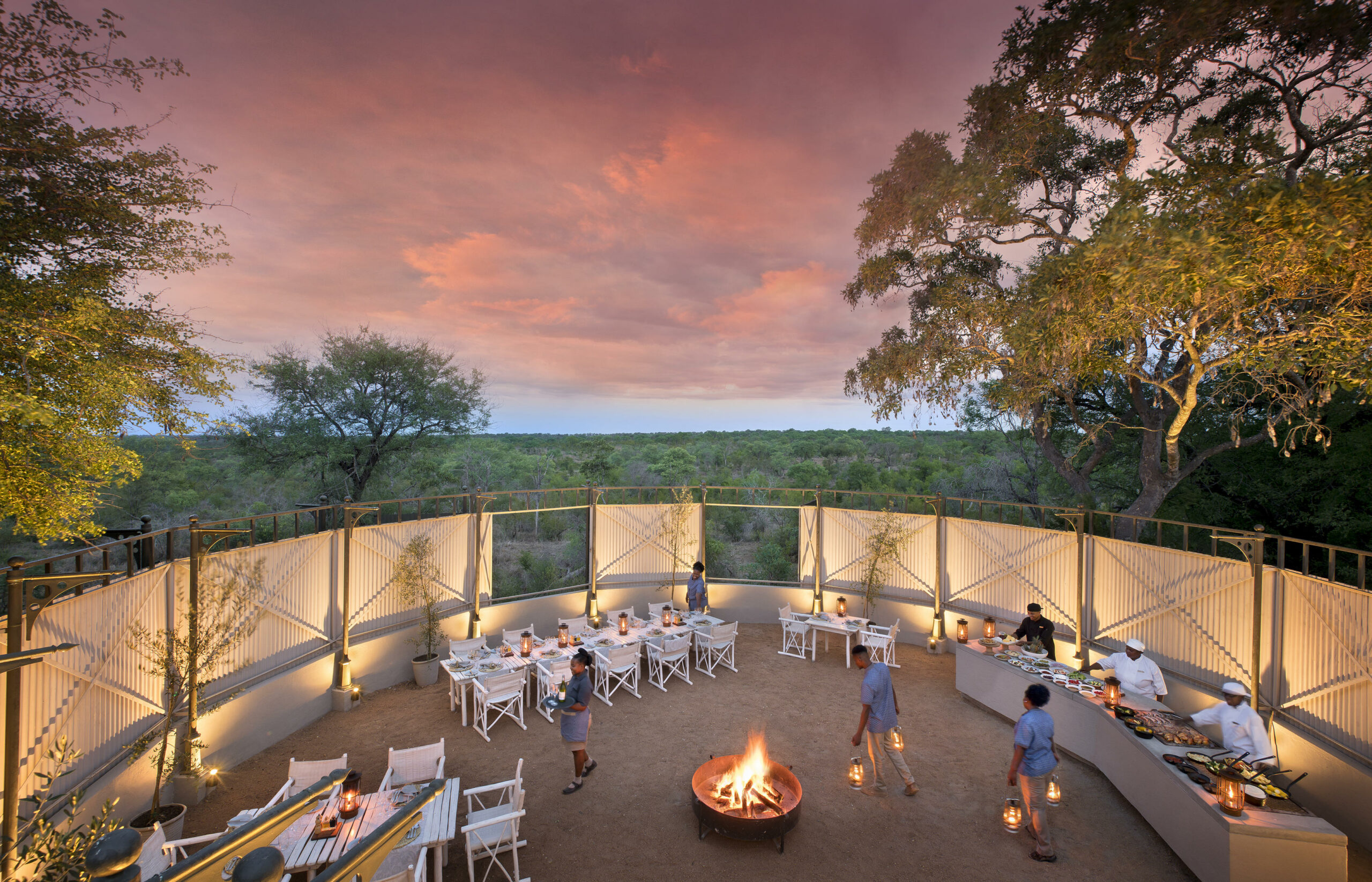
We have gathered together some key information on some spectacular family-friendly accommodation options in the area. Consider this a map of the finest Greater Kruger safari lodges for you to check out during your stay.
-
andBeyond Kirkman’s Kamp
Nestled within the glorious landscapes of the Sabi Sands Game Reserve, andBeyond Kirkman’s Kamp is one of the best luxury game lodges near Kruger National Park. The lush accommodation is located in one of the finest wildlife viewing spots in the whole of South Africa.
The lodge is home to twelve intimate cottages, each of which boasts magnificent views over the Sand River, an area renowned for its rich elephant population. When it comes to sleeping arrangements, families with children aged sixteen and below can opt for a triple room that offers plenty of space for all.
This is certainly one of the best luxury resorts near Kruger National Park for those wishing to be truly immersed in the wildlife of the area. The Sabi Sands Game Reserve in which the cottages lie shares an unfenced boundary with Kruger National Park.
As a consequence, the accommodation sees a constant stream of extraordinary creatures passing by, including cheetahs, lions and rhinos.
While the majesty of the landscape speaks for itself, the guides at andBeyond Kirkman’s Kamp have a special talent for conveying the distinctiveness of the area to young children. Little ones between the ages of three and twelve can take part in the WILDchild programme.
The activities of the children’s club vary depending on the season but can include everything from frog safaris to croquet and bug collecting to baking with the chefs in the kitchen. But don’t worry adults, you will be equally well cared for at this luxury lodge.
Unwind after a day of exploring the reserve with a dip in the on-site pool. Alternatively, you may wish to sustain the excitement with a tournament on the tennis courts. Teenagers and parents will also be able to go on walking tours and pamper themselves with wellness treatments.
With so many adult and child-friendly services on offer, it’s no wonder why andBeyond Kirkman’s Kamp is regarded as one of the best safari lodges in Kruger National Park.
-
Lion Sands River Lodge
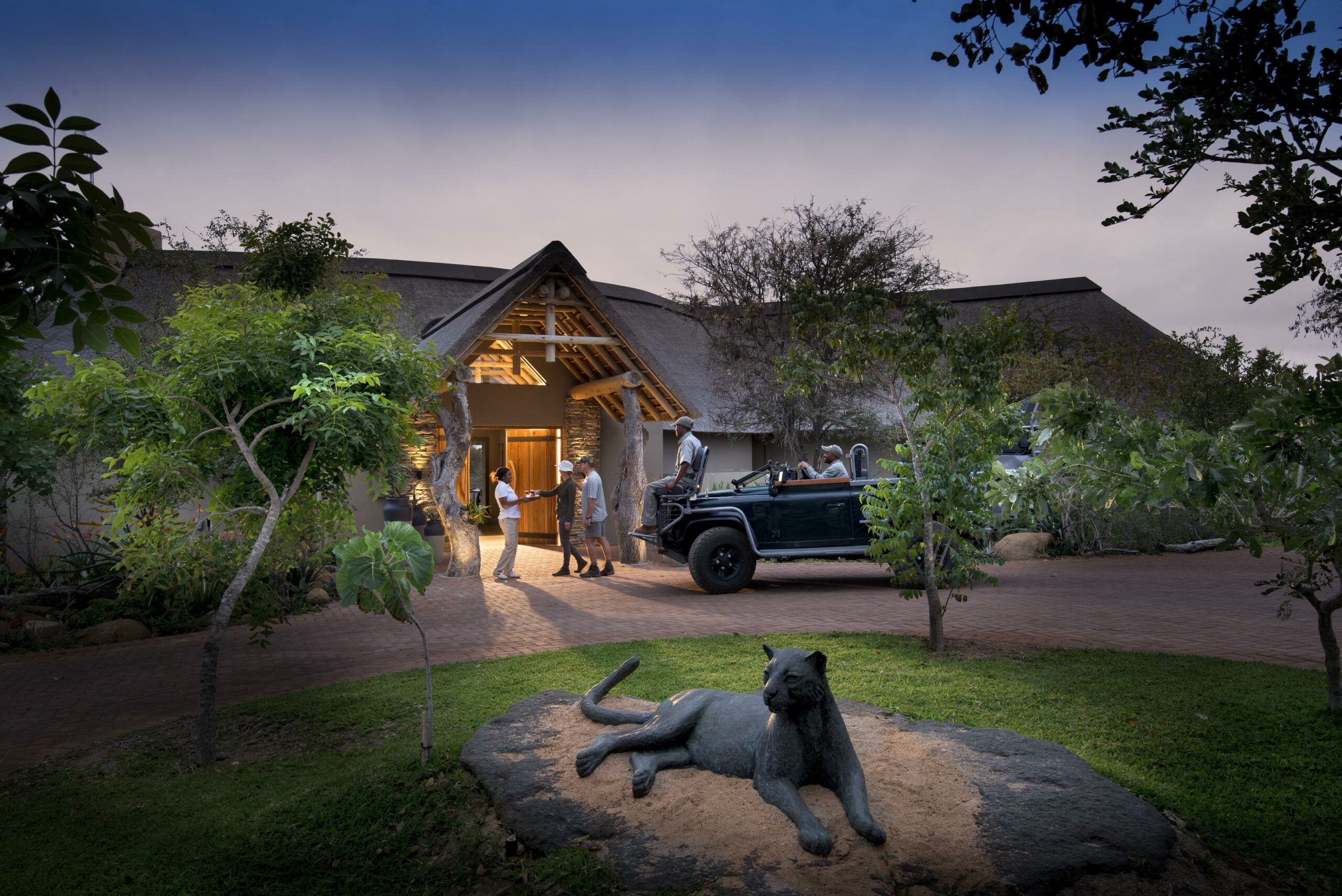
Lion Sands River Lodge is certainly one of the most incredible places to stay on a family safari to Kruger National Park. It offers the best of both worlds, serving up terrific wildlife sightings alongside a luxurious stay.
You will find this lodge in a stunning area of Sabi Sands Game Reserve. The site shares an unfenced border with Kruger National Park. So, a glorious array of creatures are constantly passing through the area as they roam freely between the protected areas.
The lodge itself delivers style and sophistication on the banks of a river. While this location offers stunning scenery, it also makes the accommodation better suited to families with older children, ten years and upwards. The lavish suites are soaked in natural light and exude a peaceful ambience.
The high thatched roof and rustic wooden accents provide a natural backdrop for the crisp-white furnishings, creating a stunning contrast. The sleek suites are exclusive and stylish, exuding a peaceful atmosphere with draped bedrooms and open seating areas, complete with a fireplace.
In the evenings, these tranquil communal areas offer an excellent place for families to relax and unwind. Throughout your stay, you and the family will be taken on daily safaris and guided walks to see the unique wildlife and landscapes of the area, including the Big Five.
Lion Sands River Lodge has dedicated childcare facilities and safari programmes to keep the little ones entertained. Upon returning from a wildlife adventure, you can refresh and rejuvenate in the on-site swimming pool, health centre or gym facility. Alternatively, you can let your hair down in the private lounge and bar.
However you choose to spend your time at the Lion Sands River Lodge, you’ll be left with no confusion as to why many view it as the best family accommodation in Kruger National Park. Its chic design serves up style and elegance, all the while remaining accessible and well-equipped for the little ones.
-
Rockfig Safari Lodge
Family-owned and run, Rockfig Safari Lodge is a fantastic place to stay near Kruger National Park with children. Its six plush suites offer a cosy, intimate ambience while the exceptional on-site service guarantees that your every need is taken care of.
Set out on bi-daily game drives to explore the surrounding landscape of the Timbavati Private Nature Reserve, which lies adjacent to Kruger National Park. Without any age restrictions for guests, any and all families are welcome at this lush establishment.
Timbavati Game Reserve is famed for its population of white lions and outstanding leopard sightings. Despite all of the incredible animals lying just a stone’s throw away from the accommodation, guests need not worry, as a protective fence encircles the establishment to prevent any unwanted intrusions!
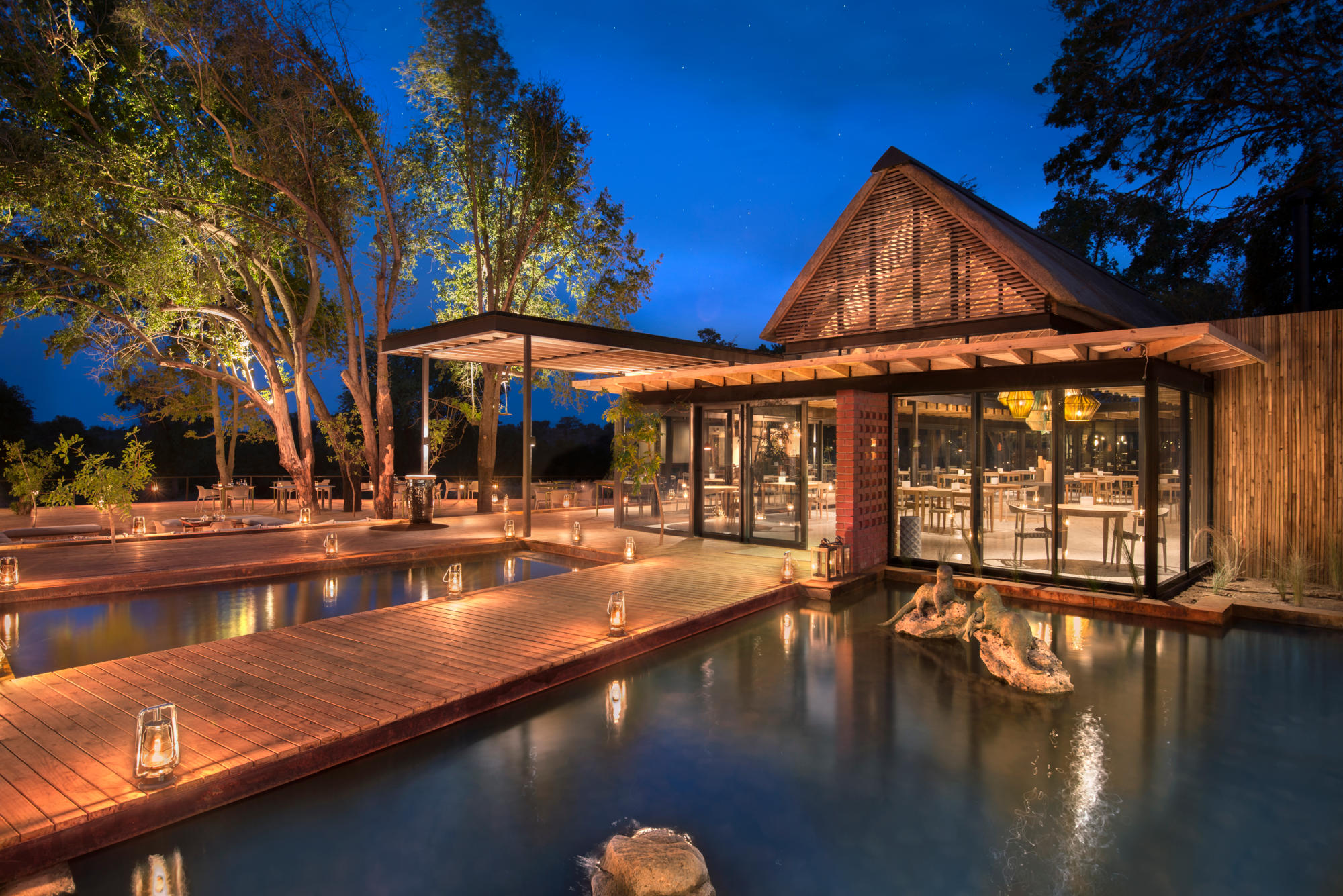
Rockfig Safari Lodge’s design seamlessly merges indoor and outdoor spaces, resulting in a chic accommodation that perfectly complements the surrounding untamed landscape. Its chalet-like suites feature a stylish colour scheme inspired by the local birdlife and vegetation.
Notable features include indoor and outdoor showers, a private verandah and bespoke watercolour paintings. Another highlight is the glorious uninterrupted views over the Timbavati bushveld.
Yet, it’s not just the amenities that make this accommodation one of the best lodges near Kruger National Park. The accommodation provides terrific walking safaris during which you can enjoy the thrilling immersive experience of exploring Timbavati on foot.
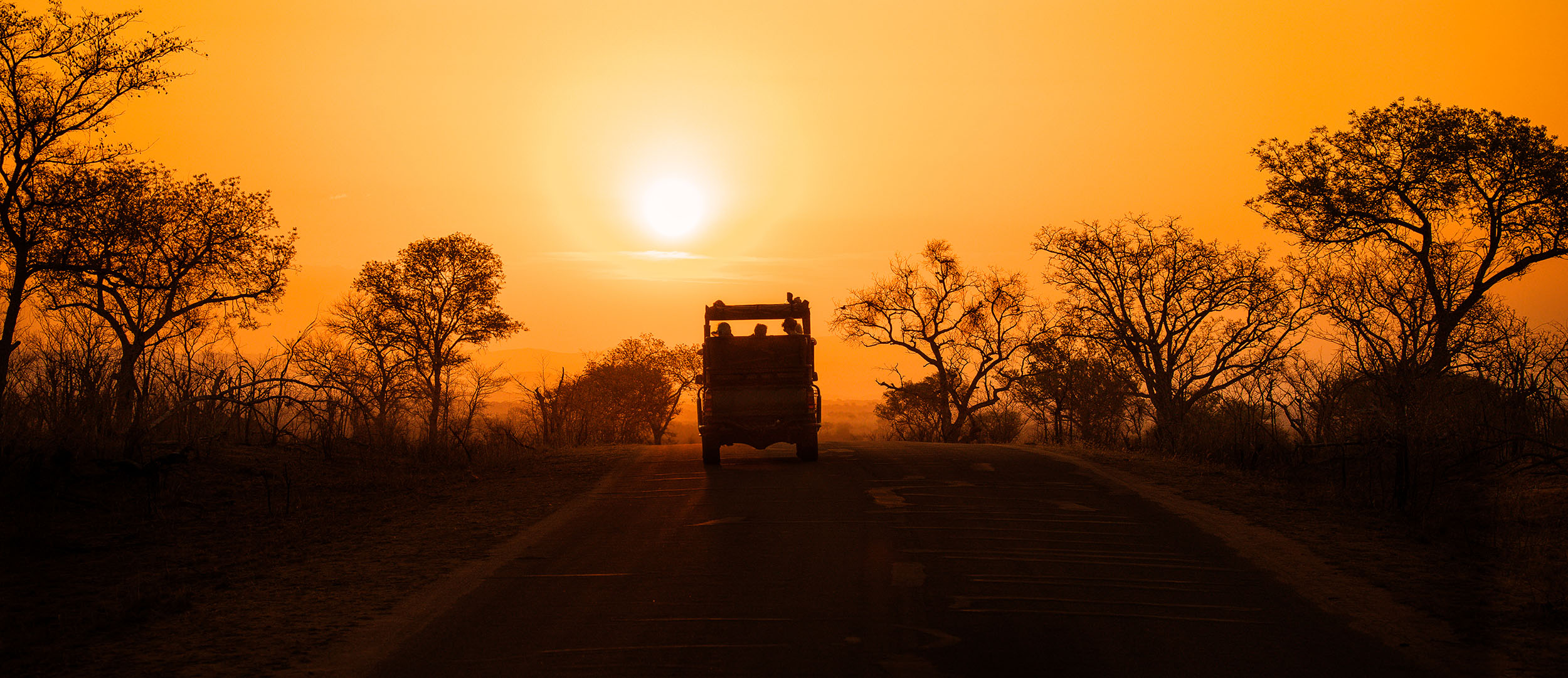
Despite offering a thrilling experience, the tours are completely safe. You will be in the capable hands of expert rangers and trackers who will be constantly interpreting the animal tracks, signs and sounds around you. This experience can be enjoyed by children fourteen years and over.
Fret not if your little ones are too young for this. Your stay includes a private safari vehicle that gives you and your family the freedom to explore the area at your own pace, regardless of anyone’s age.
When it comes to dining, you can choose to eat in the stylish communal dining area with its long wooden table or in the seclusion of the private suites.
Summary
The glorious landscape of Kruger National Park represents a spectacular corner of the world where many of nature’s most unique and fascinating creatures roam free. With such a vast array of sensational wildlife to see, the area is a wonderful place to explore with children.
Every day of your safari is an opportunity for unforgettable family adventures, as you check off one incredible animal after the next on an epic holiday like no other. While the experience is made all the more special in the company of your children, this often makes the planning process take that much longer.
You may be concerned about the availability of kid-friendly activities, suitably sized suites or childminding services. Fortunately, there is an exceptional selection of luxury accommodations in Greater Kruger National Park that are fully equipped for your stay.
Discover an excellent range of family-friendly lodges in this untamed landscape, each offering its own unique blend of luxury and adventure. From glamorous safari camps where adults can unwind with spa treatments while kids go on bug-collecting expeditions, to sleek riverfront suites with children’s safari programs and babysitting services, there’s something here for everyone to enjoy.
Wanting to go on a family adventure to one of South Africa’s top wildlife destinations? Check out our brilliant range of lodges near Kruger National Park. Alternatively, get in contact with experts at Coral Tree to speed up the planning process. We have a fantastic range of safari experiences and packages to choose from.
The 6 Best Places to Visit in Botswana
Botswana is a landlocked wildlife haven in the centre of Southern Africa. The country’s sprawling expanses are protected spaces, where some of the world’s most remarkable natural species run free in abundance.
Welcome to the land of lions, leopards and antelopes, where you will come face-to-face with creatures and landscapes that you have thus far only encountered in movies and television programmes. An expert guide will lead you through the most spectacular areas and top wildlife-spotting locations on a Botswana safari.
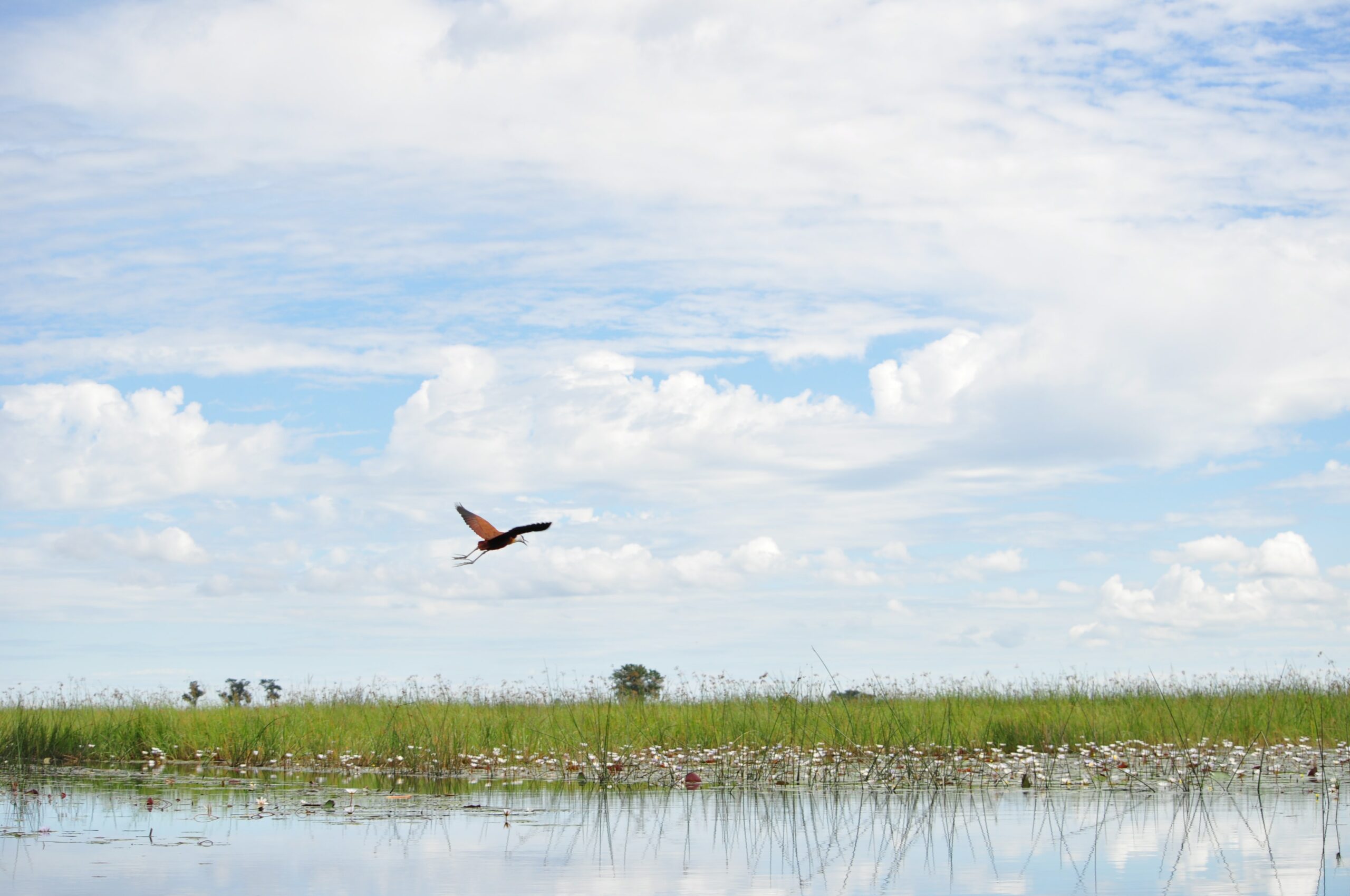
In the north of the country lies the glimmering waterways and verdant floodplains of the Okavango Delta. In this tranquil oasis, you will find creatures such as crocodiles, hippos and a wonderful array of birdlife.
The Central Kalahari Game Reserve serves up a completely different landscape to explore. Located in the heart of Botswana, it is a sandy sea of wilderness studded with salt pans and vast plains, home to black-maned lions, cheetahs and zebras.
These gorgeous areas are among the top places to visit in Botswana and make fantastic destinations to explore on an African safari. With so many terrific reserves to fit into your trip, planning a holiday to this remarkable country can seem like a daunting task.
You might be struggling to work out where to start and which game reserves to prioritise when crafting your itinerary. To make matters easy and have you organising your wildlife escape in no time, we have put together a list of the six best places to visit in Botswana.
1. Okavango Delta
The Okavango Delta is one of the most amazing must-see places in Botswana. The vast, inland basin has been nicknamed the “Jewel of the Kalahari” as it is a glimmering oasis amidst the arid terrain of the Kalahari Desert.
Rain pours down over the Angolan highlands every summer, causing the Okavango River to swell and eventually overflow into the surrounding desert. The phenomenon creates a stunning spectacle as the river overspills to fill the delta and form a mesmerising maze of sparkling channels, lagoons and islands that cover up to an area of 20,000 square kilometres.
Easily one of the best places to go in Botswana, the Okavango Delta is nothing short of breathtaking, offering an unspoilt and untamed display of wilderness at its finest. In fact, it is the world’s largest inland delta and makes a wonderful destination for a family safari.
Teeming with wildlife, you will encounter a mirage of unique creatures during your visit, including a sensational array of birdlife and endangered species such as the African wild dog, cheetahs and white rhinoceros.
To explore these wondrous waterways in all of their glory, you might want to book a boat safari. Float alongside waterlilies, butterflies and reed banks in areas inaccessible by road or foot, as some of the world’s most incredible creatures come to greet you by the waterside.
Offering a fantastic blend of adventure and serenity, boat safaris provide a terrific way to explore this remarkable corner of the world. Alternatively, you may wish to reel in the sights of the Okavango Delta on a fishing safari, bringing the family to take home a new skill along with unforgettable memories.
2. Chobe National Park
As the country’s first national park, Chobe is one of the most interesting places to visit in Botswana. It is home to one of the largest concentrations of rare game species in the whole of Africa. The area is named in homage to the Chobe River, which runs along its northern border.
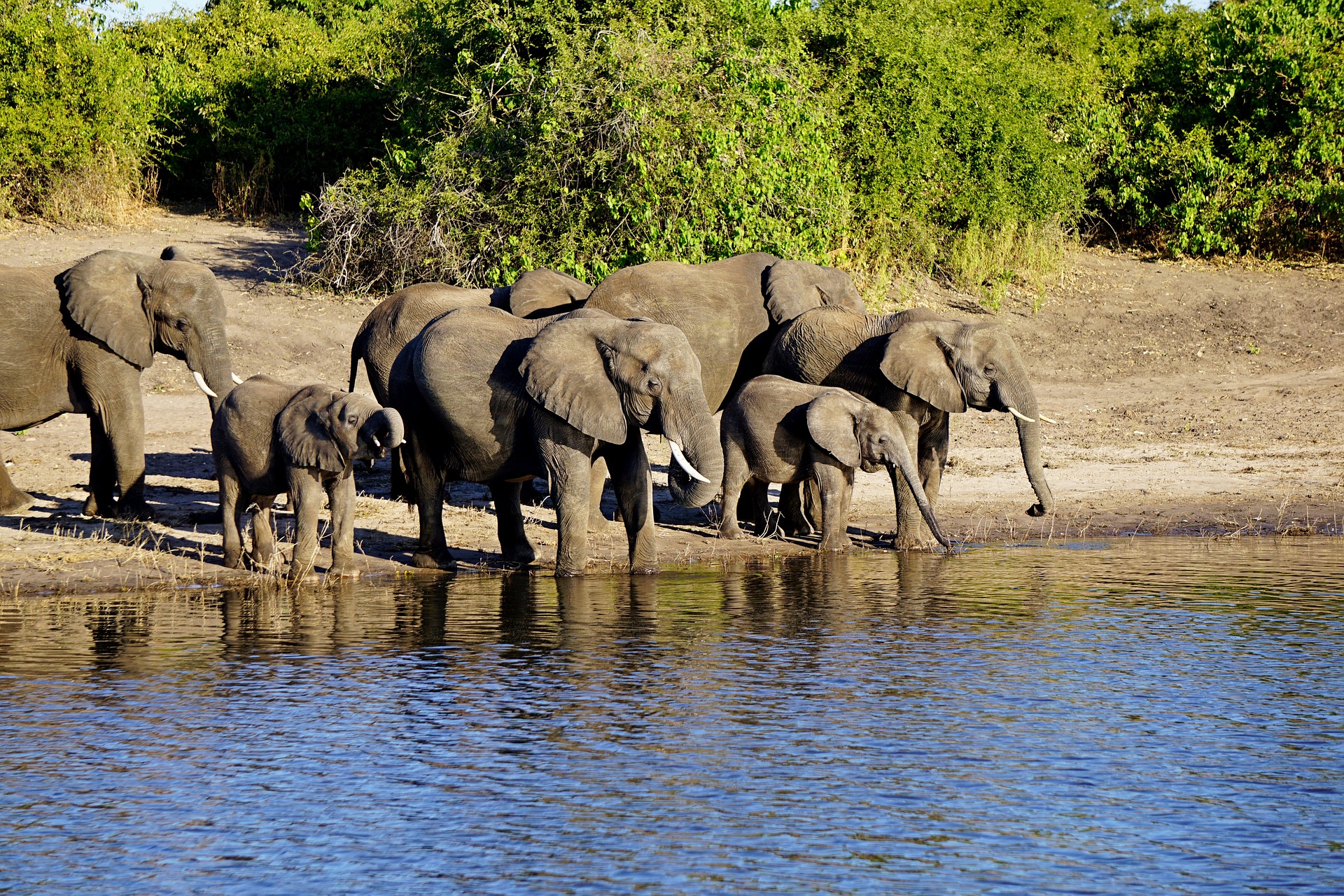
Bursting with wildlife, you can expect to cross paths with hippos, buffalos, cheetahs, antelopes and crocodiles during your visit to this natural paradise. Yet, it is the elephants that often steal the show as they show up in their masses, with numbers reaching tens of thousands during the dry season.
Chobe is brimming with these spectacular trunked creatures, creating a magnificent place for all of the family to explore. The park spreads over 10,700 square kilometres and comprises four distinct ecosystems including rivers, flood plains, marshland, grasslands, savannah and woodland.
Whichever animals you are looking to see during your trip, you are sure to find them amidst the wonderful landscape of Chobe National Park, as it is one of the finest Botswana safari holiday destinations.
Take a boat safari through Chobe National Park to enjoy the surreal experience of ticking off the Big Five – lions, leopards, elephants, rhinoceros and Cape Buffalo – from the area’s most iconic feature, the Chobe Water. The majestic waterway provides a wonderful route during the dry season between April and October, as many of the area’s most glorious creatures can be spotted by the water’s edge.
Fantastic predators also dominate Chobe National Park. The area is famed for its big cat population, home to cheetahs, lions and leopards, as well as wild dogs, hyenas, giraffes and huge numbers of hippos.
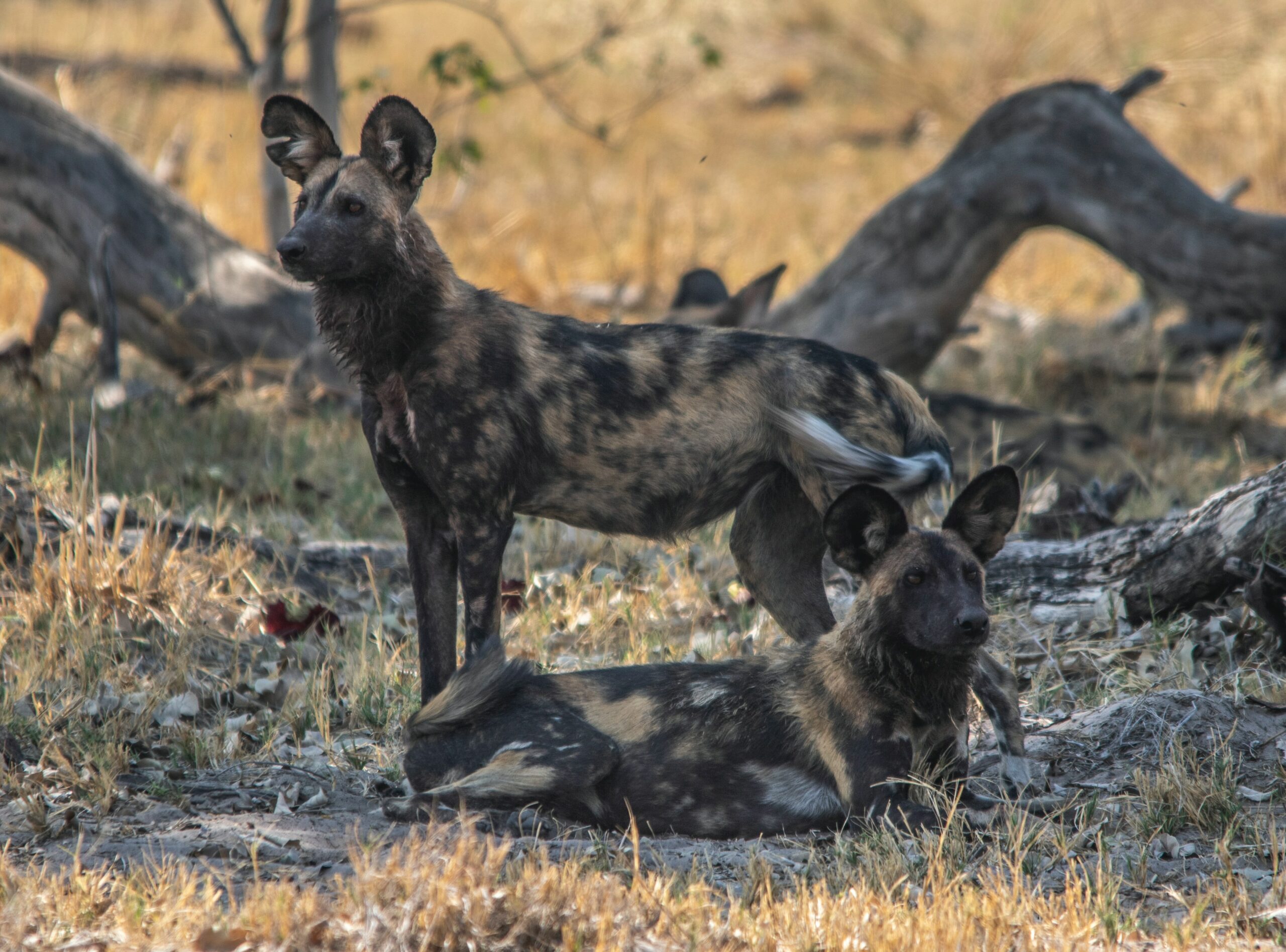
3. Moremi Game Reserve
Situated in the heart of the Okavango Delta, Moremi Game Reserve is a wildlife lover’s paradise. Renowned for being one of the most beautiful protected sites in the continent of Africa, the park stretches for 5000 square kilometres and is one of the oldest protected areas of the delta.
The local BaTawana people founded the reserve in 1962 out of concern over the impact that natural and man-made threats were having on the environment and wildlife. They maintained it for many years, protecting it to ensure the landscape and its creatures could endure and thrive.
Moremi Game Reserve boasts a rich and diverse ecosystem, with residents including antelopes, wildebeests, zebras and hyenas. Elephants, wild dogs and jackalopes are also often seen in the area.
What’s more, an incredible array of animal residents extends from the ground to the sky. Bountiful species of birdlife soar above including southern carmine bee-eaters, salty egrets and green-winged pytilia. You will also find geese, ducks and herons waddling around.
Truly one of the most breathtaking places to see in Botswana, Moremi is a spellbinding tapestry of mopane woodland, acacia forests, lily-covered wetlands, floodplains and lagoons. Exploring these magnificent landscapes offers a magical wildlife experience like no other.
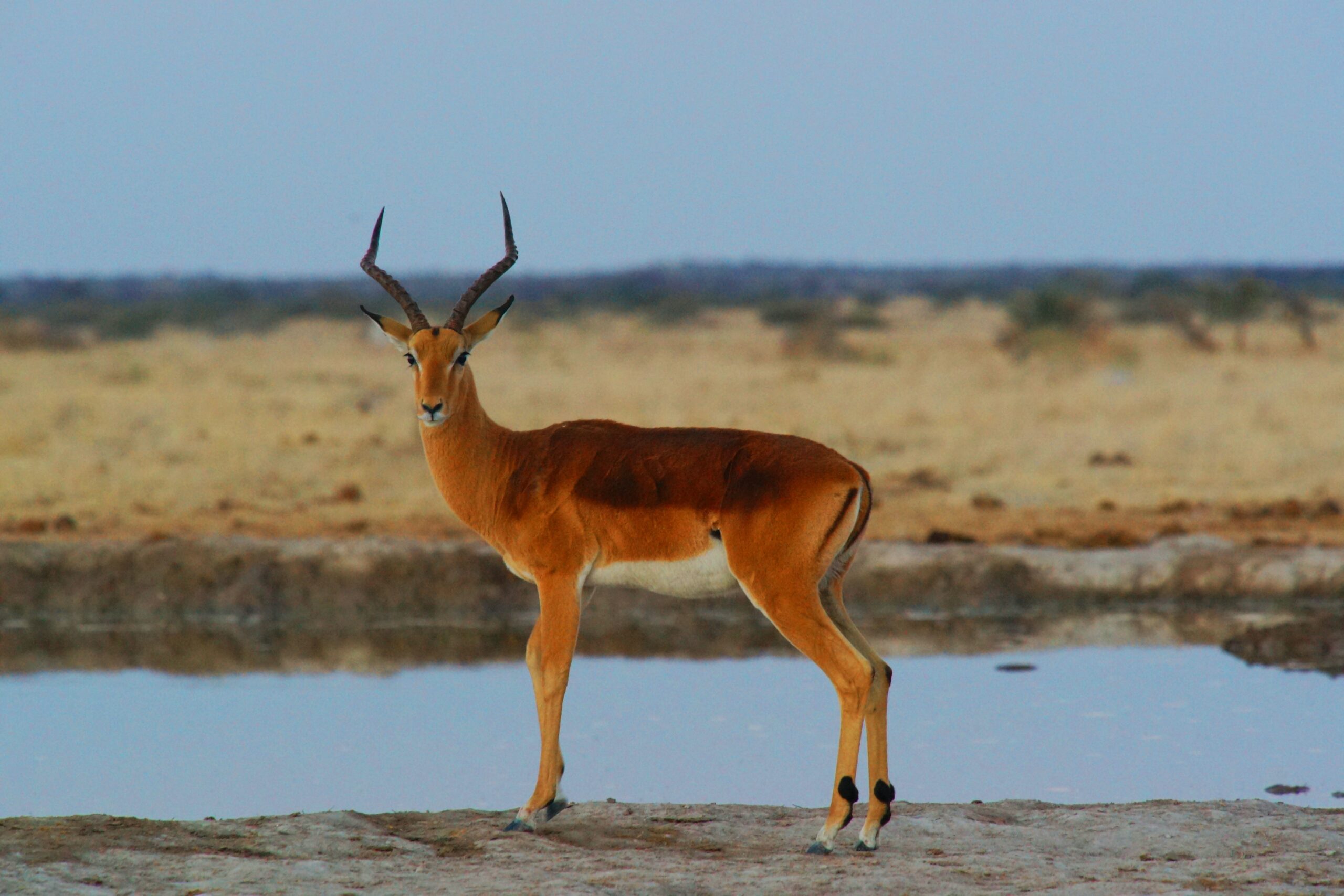
4. Central Kalahari Game Reserve
Central Kalahari Game Reserve is one of the most beautiful places in Botswana and a dream-worthy place to explore on an African safari holiday.
The Central Kalahari Game Reserve covers a dazzling area in a largely unpopulated area in the middle of the Kalahari Desert where the delta meets the desert. Thanks to its remote position, it sees a fraction of the number of visitors as other reserves in the country.
What’s more, only a select number of visitors are permitted to enter the park every year to protect the landscape and the balance of the ecosystem. So, you can expect to feel like you’ve hit the jackpot by embarking on what might as well be a private exploration of one of the world’s most sensational landscapes.
At 52,800 square kilometres, the park is one of the largest game reserves on the planet and certainly one of the best places to go in Botswana for a glimpse of its glorious wildlife scene. Glimmering salt pans and fossilised river valleys cross paths with semi-arid grassland and bushveld in this unique spot.
Within these fascinating landscapes, you’ll find flourishing herds of antelope, black-maned lions, meerkats and hyenas, along with thousands of other creatures as they live undisturbed in this peaceful oasis. Prepare to see everything from zebras chomping on fresh grass to cheetahs sprawling out to catch the sun’s rays.
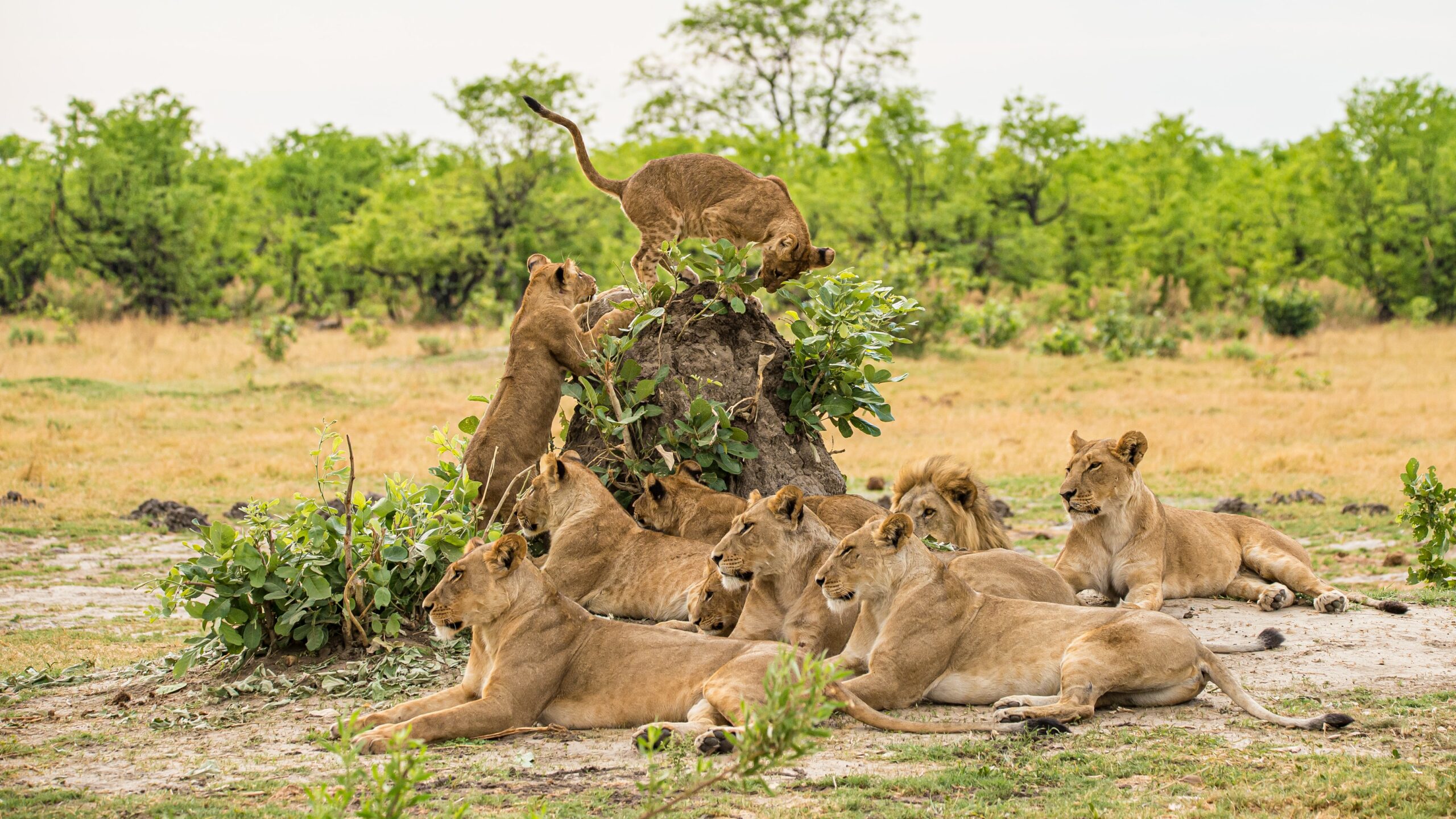
5. Linyanti Wildlife Reserve
If you’re looking to really get away from the crowds on your African safari holiday, Linyanti Wildlife Reserve might just be the place for you. It is one of the most exclusive and least visited concessions on the continent.
The picturesque private reserve extends over 308,000 acres of swampland in a rather under-the-radar and difficult-to-reach area in the North East of the country. Those who venture to this unspoilt haven will be treated to an incredibly tranquil and authentic safari experience.
Offering a medley of swamps, riverine forests and sprawling grassland, Linyanti is one of the most fascinating holiday destinations in Botswana. Within this serene landscape lives a profusion of wonderful wildlife, including herds of elephants and buffalos that often gather by the river to welcome you to the area.
Linyanti is also renowned for its numerous lion prides and home to one of the country’s largest elephant populations. You may also cross paths with wild dogs and leopards on a wonderful adventure in one of the most incredible places to visit in Botswana.
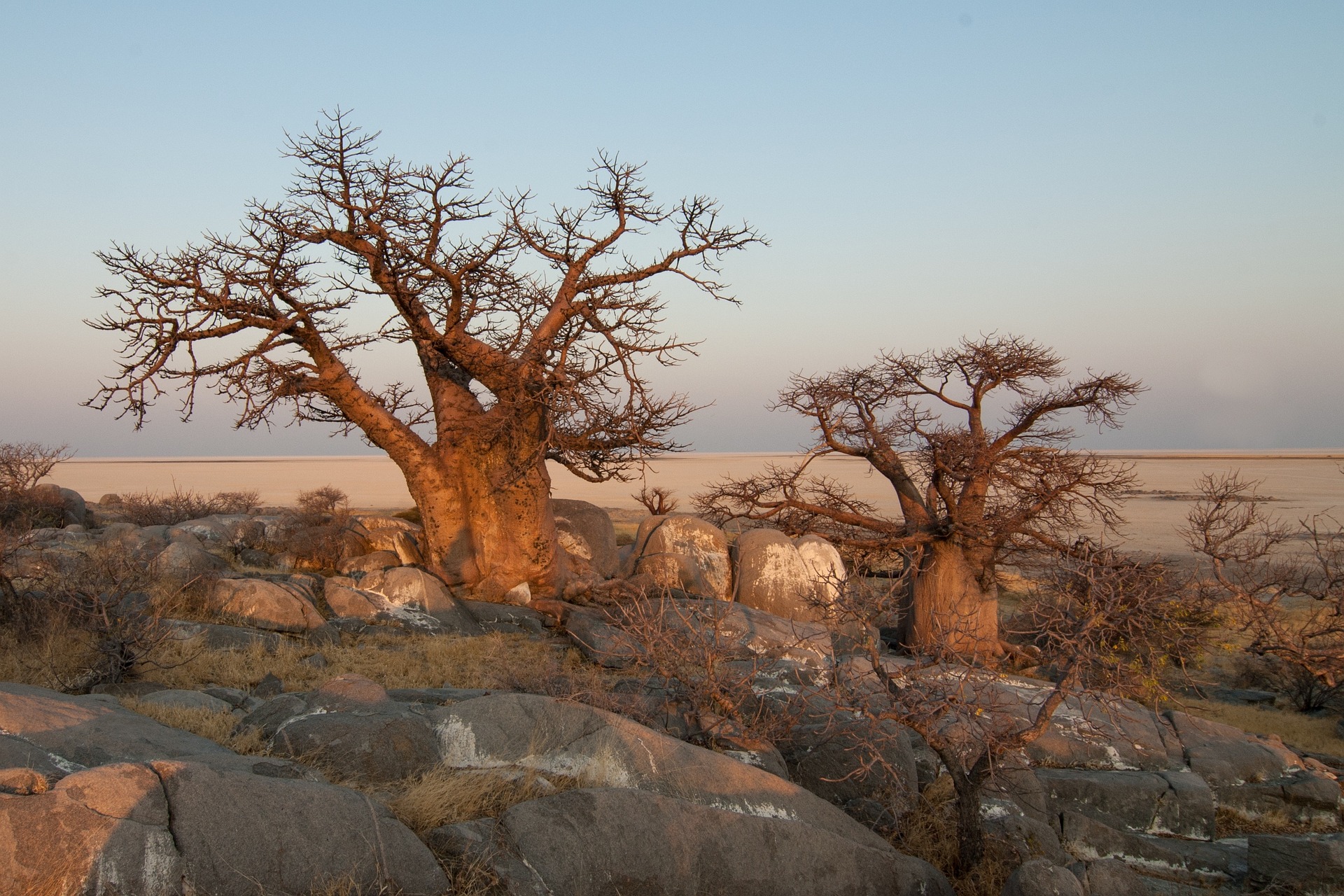
6. Makgadikgadi Pans National Park
Makgadikgadi Pans National Park is an extraordinary landscape situated in the middle of the dry savanna of northeastern Botswana. Translating to “vast lifeless land”, this quiet paradise is one of the largest salt flats in the world and a sensational place to explore.
While the ethereal white expanse appears as dry as a bone but once stood as a huge lake several centuries ago. The salt-encrusted landscape now lies largely bereft of vegetation, bar clumps of beautiful baobab trees huddling together and punctuating the arid landscape.
Offering unique, lunar-like terrain, Makgadikgadi Pans National Park is without a doubt one of the most interesting places in Botswana. While you might not encounter as many animal creatures as in the other parks on the list, you will see one of the most extraordinary natural sites in the world.
What’s more, you can still encounter an impressively diverse variety of wildlife species depending on when you visit. During the rainy season from December until March, the Boteti River turns into a wildlife haven as the landscape springs to life as the area begins to flourish with emerald vegetation and the pans fill with water.
The rain and green pastures draw in vast herds of oryx, impalas and springbuck, along with water birds such as flamingos. What’s more, the conditions also trigger the annual migration of wildebeests and zebras. Catching this phenomenon is certainly one of the most dazzling things to see in Botswana.
Summary
Botswana is brimming with spectacular landscapes and incredible wildlife species that offer phenomenal displays of nature at its finest. From the shimmering waters of the Okavango Delta to the otherworldly terrain of Makgadikgadi Pans National Park, the country offers a highlight reel of the world’s most magnificent creations.
Wherever you decide to explore on your African safari, prepare to be left in awe by the phenomenal range of animals and scenery that you encounter during your stay.
What are you waiting for? Get in contact with experts at Coral Tree to start planning your luxury family adventure and turn dreams of seeing these glorious creatures into a reality. We have a fantastic range of safari experiences and packages to choose from.
Some images used in this blog are the property of our partners. Please contact us for more details.
Where to Stay in Cape Town for Families: Best Neighbourhoods and Hotels
Cape Town is one of the most spectacular cities in the world to visit with children. Art, culture and a sensational food scene rub shoulders with glorious natural sites such as the emblematic slopes of Table Mountain and the crashing waves of the Atlantic and Indian Oceans.
Since Cape Town ticks so many boxes, it can be difficult to know where to start when planning a trip to this bustling city, especially for those travelling with children. Many visitors also wonder where to stay in Cape Town when they’re going to be with their family.
Perhaps you’re looking for a child-friendly base right amidst the hustle and bustle of the city. Or you might be wanting to stay a little bit removed from the action and instead opt for a peaceful suburb on the outskirts.
There is a wonderful selection of luxury accommodation in the city to choose from that caters just as perfectly to adults as children. In this article, we outline where to stay in Cape Town for families, to help ease the process of booking a family holiday to this magnificent South African city.
The Best Areas to Stay in Cape Town
If you want to know where to base you and your family for a trip to the city, here are three of the best areas to stay in Cape Town.
1. V&A Waterfront
For anyone wondering where to stay in Cape Town with family, Victoria and Albert Waterfront in City Bowl is a natural choice. The harbour forms the beating heart of the city, so lodging here will leave you with some of Cape Town’s finest attractions right on your doorstep. After a wonderful night’s sleep in one of the area’s fantastic hotels, you can meander down to one of the nearby restaurants for some breakfast.
V&A Waterfront is also home to some of the best things to do with kids in Cape Town. Check out the sensational marine diversity that exists within the waters surrounding the city by visiting the Two Oceans Aquarium. Watch the kids gaze over in wonder as they meet eyes with incredible species such as sharks, penguins and octopuses. Afterwards, you can head on to enjoy various other local attractions such as taking a ride on the Cape Wheel or the Jolly Roger Pirate Boat.
Staying at Victoria and Albert Waterfront will also leave you in a handy location for getting the ferry to Robben Island Museum, a must-visit on any Cape Town tour. The islet used to operate as a prison and held anti-apartheid activists, including the former president, Nelson Mandela.
Visiting Robben Island Museum is one of the best things to do in Cape Town with family, especially for those with older children. It offers a sobering experience that helps visitors understand the city’s complex history.
Victoria and Albert Waterfront also offers another key benefit beyond its convenient location: spellbinding views. The azure waters of the oceans lap peacefully in the harbour, lulling the boats as Table Mountain stands tall in the background.
So, if you’re looking for a stunning setting close to many of the top things to do in Cape Town with family, V&A Waterfront might just be the place for you.
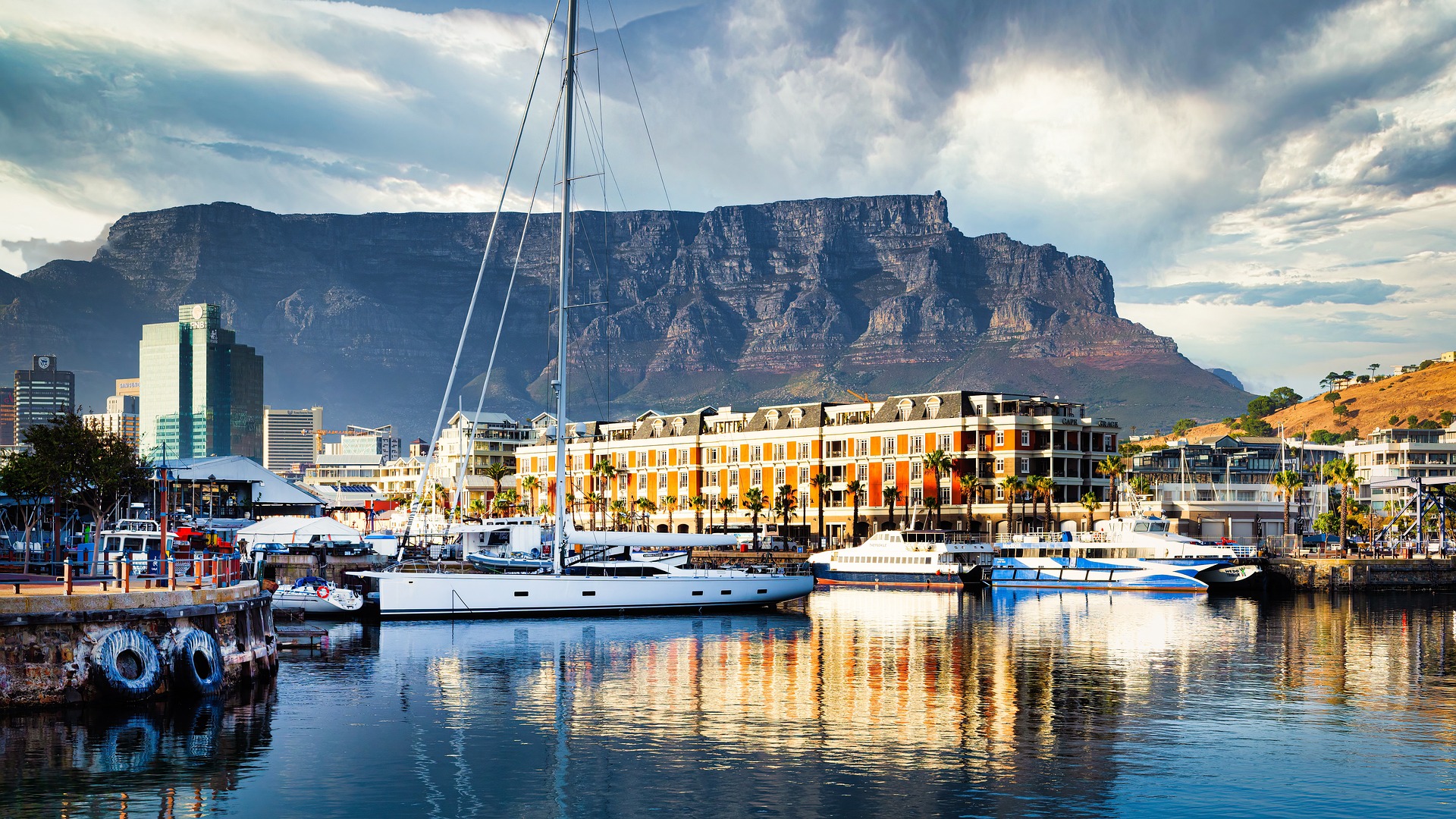
2. Clifton and Camps Bay
Still wondering where to stay in Cape Town with kids? Clifton and Camps Bay is another spectacular option. These two sought-after neighbourhoods are situated in a stunning location overlooking the Atlantic Ocean.
One of the most wonderful things to do with children in Cape Town is to head to some of its gorgeous nearby beaches, many of which just so happen to be located in Clifton and Camps Bay. Expect fine, white sand coastlines with transparent waters, set against a glorious backdrop of mountains and palm trees.
Spend an evening bonding with the kids on the shoreline, watching the sun set over the electric-blue ocean waters. This makes the perfect setting for taking a family photo to remember the trip.
You’ll also find that this area is a wonderful place to explore. The coastlines are home to an abundance of different plant species along with interesting wildlife such as caracals, chacma baboons and rock hyraxes.
What’s more, these beautiful suburbs lie a mere 15-minute drive from the centre of Cape Town.

3. Green Point
Green Point is situated on the northern side of Cape Town and is a trendy place to stay with family. It is in a fantastic location, with the city centre within walking distance and other great attractions such as Mouille Point beach also just a short stroll away.
Narrow little lanes and classic Victorian houses make up the area, creating a safe, stylish environment.
One of Green Point’s biggest claims to fame is that it is home to the iconic Cape Town Stadium. Built for the World Cup in 2010, its futuristic UFO-like design is a truly fascinating sight to see and is sure to capture the attention of both adults and kids alike.
The famed landmark also lies a short 20-minute walk from V&A Waterfront, so you can head in to enjoy the harbour’s buzzing attractions or a bite to eat whenever you wish.
The area is also close to the Atlantic Seabord’s beaches where you can pop for a swim in azure waters. In this way, Green Point offers a happy medium, as a peaceful oasis just a stone’s throw away from some of the city’s top sites.
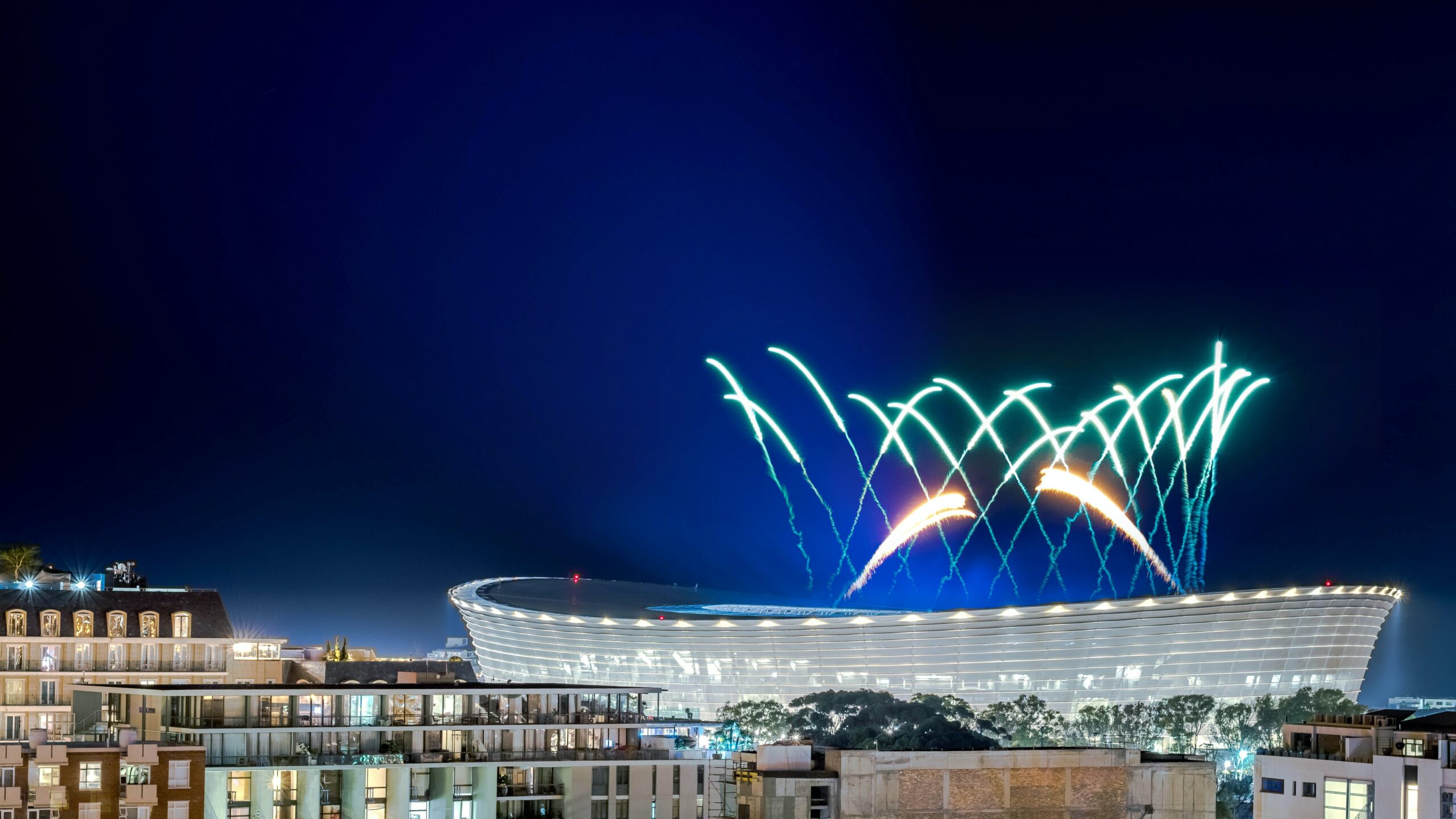
The Best Hotels in Cape Town
The glorious city of Cape Town is home to a spectacular collection of hotels that offer luxury alongside child-friendly amenities. An important part of choosing where to stay in Cape Town for families is picking the best hotel. We have shared a few of our favourites below.
1. Belmond Mount Nelson Hotel
Belmond Nelson Hotel is not only one of the most iconic hotels in Cape Town, but the entire African continent. The glamorous accommodation has a striking pink exterior that is sure to catch your attention.
This blush paradise is drenched in luxury with palm-fringed gardens and an art-deco facade. The hotel’s charm certainly hasn’t gone unnoticed over its 100 years of service, having greeted many prestigious guests, including John Lennon, Leonardo di Caprio and Sir Winston Churchill.
While there is no doubt that the Belmond Mount Nelson Hotel offers a lavish stay, it also happens to be one of the best places to stay in Cape Town for families. This peaceful oasis has a terrific selection of family suites and interconnecting rooms offering light, airy spaces where everyone can relax and be together.
You can also opt to stay at one of the hotel’s eight Victorian cottages for a truly enchanting experience. Each charming lodge is complete with a four-poster bed, a cosy fireplace and Venetian mirrors. Located in a secluded garden paradise, these little havens make wonderful places to stay in Cape Town with kids.
The hotel is also chock-full of kid-friendly activities. You and the family can revitalise your bodies in the morning with a rally on the tennis courts or a rejuvenating yoga class, before venturing out to explore the sites of the city.
Parents can wind down in the evenings with a wellness treatment at the hotel’s on-site spa. Embrace complete serenity with an aromatherapy massage before heading for a steam at the Finnish sauna. Whilst you’re away, you can drop the little ones off at the hotel’s kids club free of charge, where they can make new friends and enjoy some fun activities.
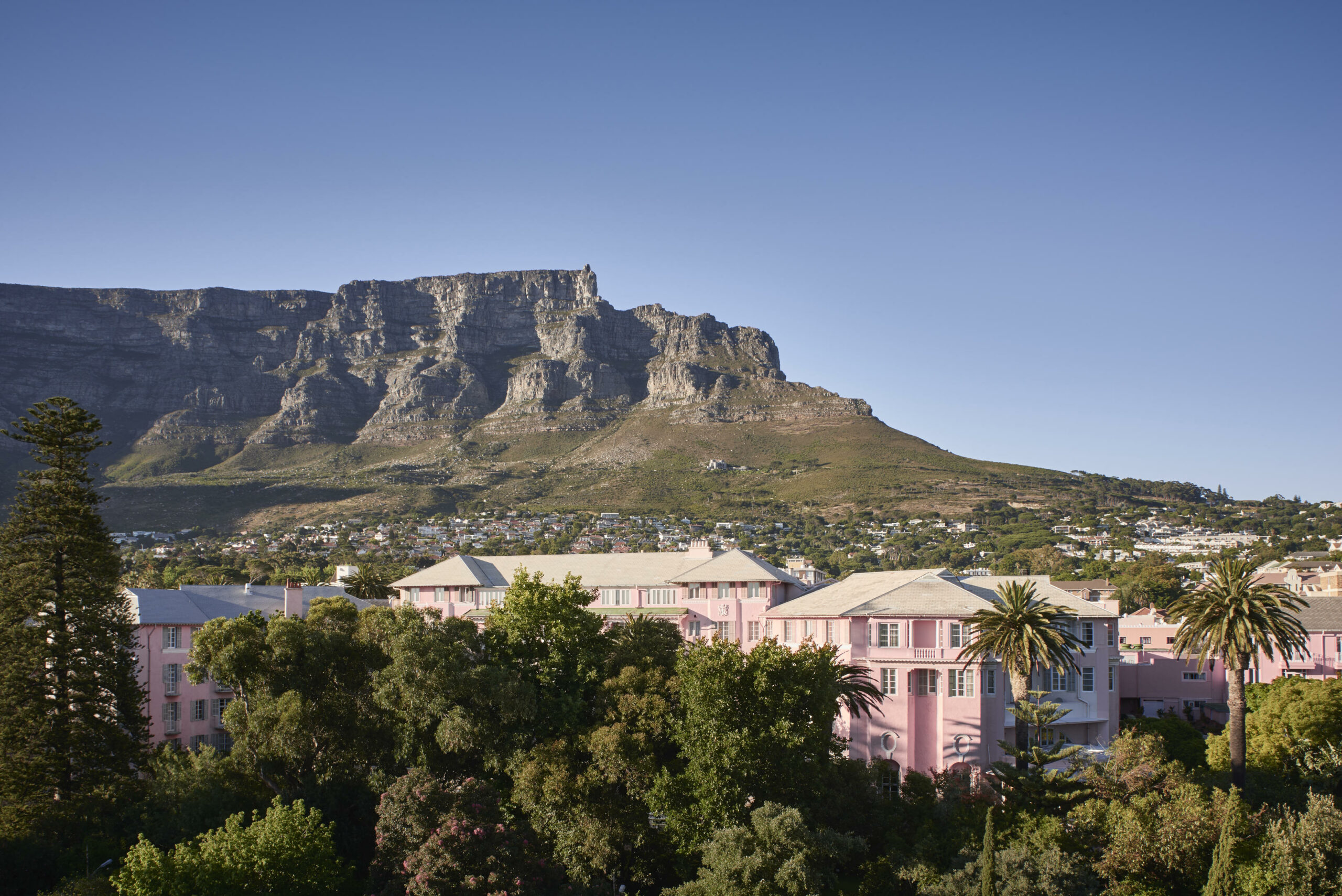
2. One & Only Cape Town
If you’re wondering where to stay in Cape Town with kids, One & Only offers some of the largest rooms and suites in the city. This luxurious accommodation is located by the trendy Victoria & Alfred Waterfront, tucked by the cliffs of Devil’s Peak and Lion’s Head.
The hotel is divided into two sections, one of which is The Spa Island. Located on its very own private island surrounded by waterways and lush vegetation, the wellness centre offers a sensational spa experience.
Marina Rise is the second section of the hotel which has just over ninety stylish rooms. Choose between suites with jaw-dropping balcony views over the surrounding mountainscape and marina.
One & Only also offers a host of child-friendly amenities. There is a kid’s clubhouse for the little ones that offer a superb range of activities and is fully supervised by an experienced childcare team. Also catering to an older audience, One & Only offers a daily programme for teenagers so they can enjoy age-appropriate activities and socialise with fellow teens.
When it comes to dining, you’ll have three gourmet restaurants to choose from in this spectacular hotel. They even offer family-friendly meals for the younger ones.
On the topic of amenities, you’ll also be able to enjoy a rally on the tennis courts together and engage in a bit of friendly competition in the games room. Adults and older children will also be able to work up a sweat in the gym and indulge themselves with some spa treatments in the wellness centre.
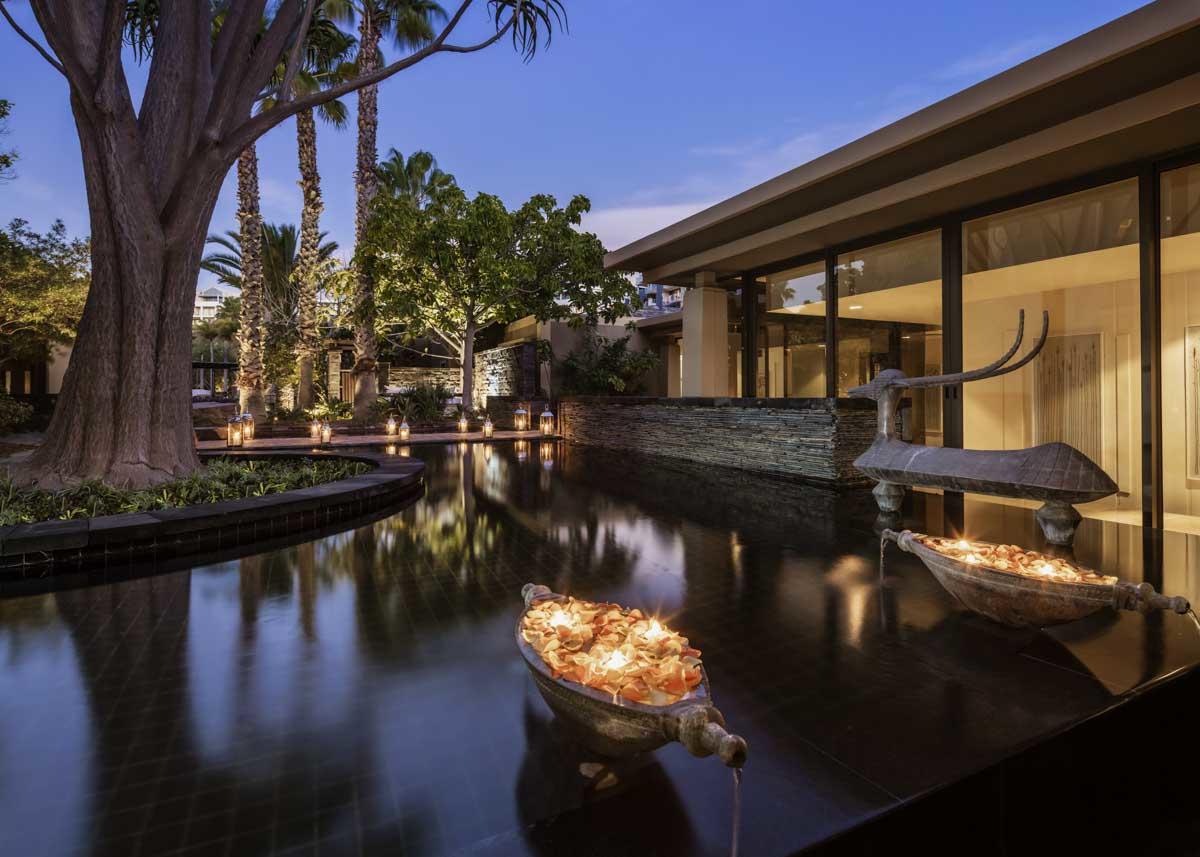
3. Cape Grace
If you’re looking for somewhere to stay in Cape Town with children, Cape Grace is a fabulous option. Backdropped by Table Mountain, it makes a wonderful place to stay with children of any age.
In fact, Cape Grace lies on a private quay along the Victoria & Alfred Waterfront, leaving you a stone’s throw away from some of the best restaurants and attractions in the city.
Each of its suites offers a divine combination of elegance and sophistication, with everywhere you look meticulously decorated to reflect the charm and beauty of the local heritage. Gaze over the rare fabrics, fascinating artefacts and indigenous antiques that decorate the hotel’s magnificent interior.
The beautiful sights continue when you make your way to the rooftop terrace where you will be greeted with incredible views over Table Mountain.
A sublime selection of food and drink is also served in the award-winning on-site restaurant, Signal Restaurant and Bascule Bar. Here you can sit down to a fine dining meal where families are warmly welcomed, with staff on-hand to cater to children and varying meal times.
When it comes to activities for kids in Cape Town hotels, Cape Grace offers a fantastic selection. From gingerbread baking to making African arts and crafts, there are plenty of fun and unique things for the little ones to get up to.
Childminding and babysitting services can also be arranged. Meanwhile, the adults can relax and recuperate with a dip in the pool or a treatment at the spa.
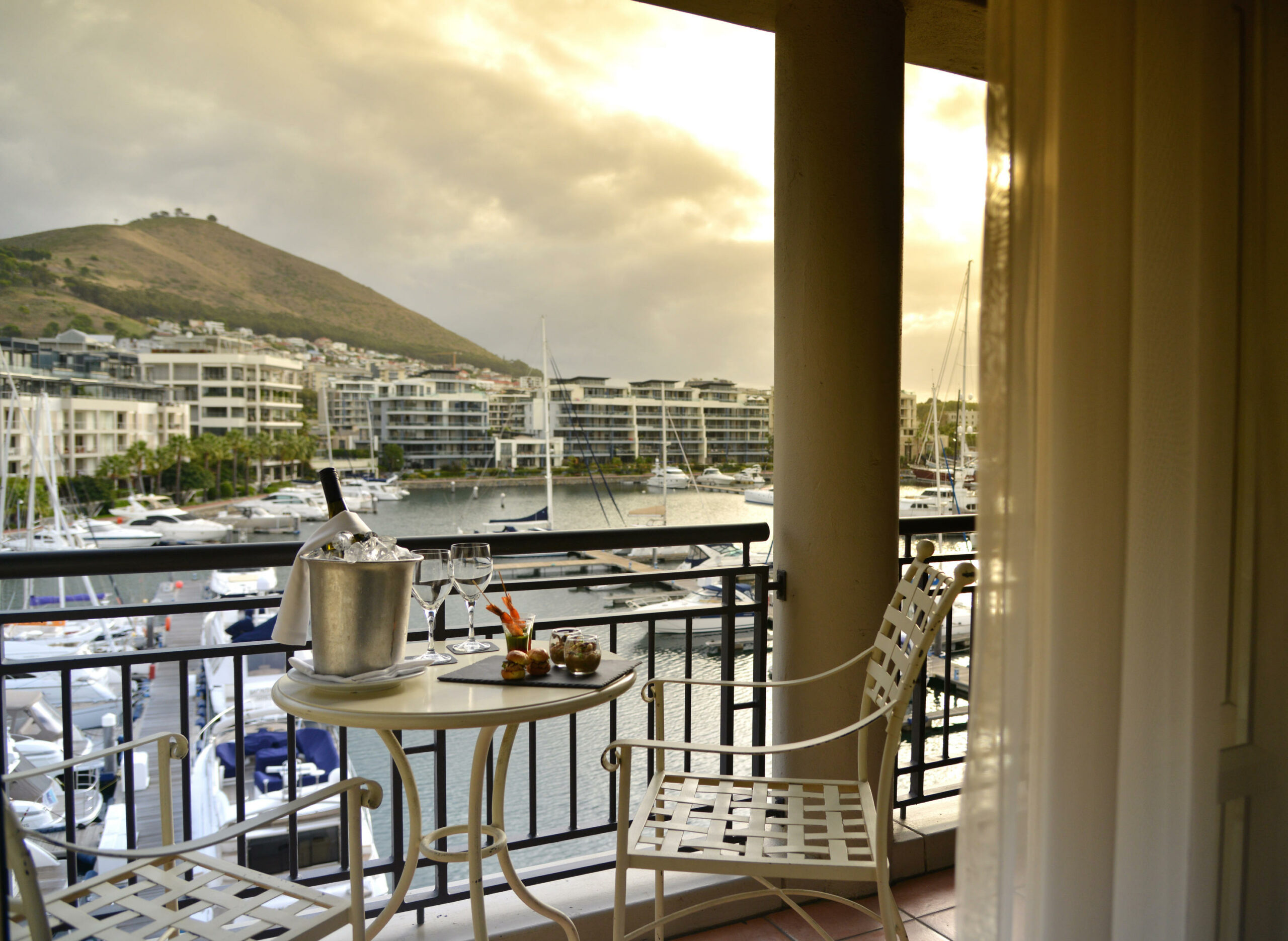
Summary
There are so many fun things to do in Cape Town with kids that lie just a short distance away from some of the city’s most lavish hotels. When thinking of where to stay in Cape Town, you may be dreaming of staying in an enchanting cottage or one of the biggest suites in the city with spellbinding views over the harbour. Whatever your plans, prepare to be impressed by the wonderful selection of places to stay in Cape Town.
Hundreds of sensational experiences lie just around the corner on a holiday with Coral Tree. Check out luxury accommodation in Cape Town and get ready to see why the city has taken the hearts of so many travellers.
Some images used in this blog are the property of our partners. Please contact us for more details.
Public vs Private Game Reserves in Kruger National Park: What’s Best for Families?
Planning a safari holiday with the family can seem like a mammoth task, especially when you’re hoping to visit such an iconic area such as Kruger National Park. This sensational site is one of the largest parks on the African continent.
Thus, the important act of deciding between public and private game reserves can get lost amid the excitement of being able to share the experience of seeing some of the world’s most glorious creatures with the little ones.
However, it’s important to consider such matters when planning a safari trip to Kruger National Park – especially with children! You’ll want to set them up for the most unforgettable adventure possible, while also ensuring comfort and safety while exploring this magnificent corner of the world.
Therefore, it’s important to get clued up on the difference between private and public game reserves, especially considering Kruger National Park is home to some of the best safari game reserves in South Africa.
In this article, we clear up any uncertainty around these two different approaches to help you plan the most spectacular family safari possible to Kruger National Park.
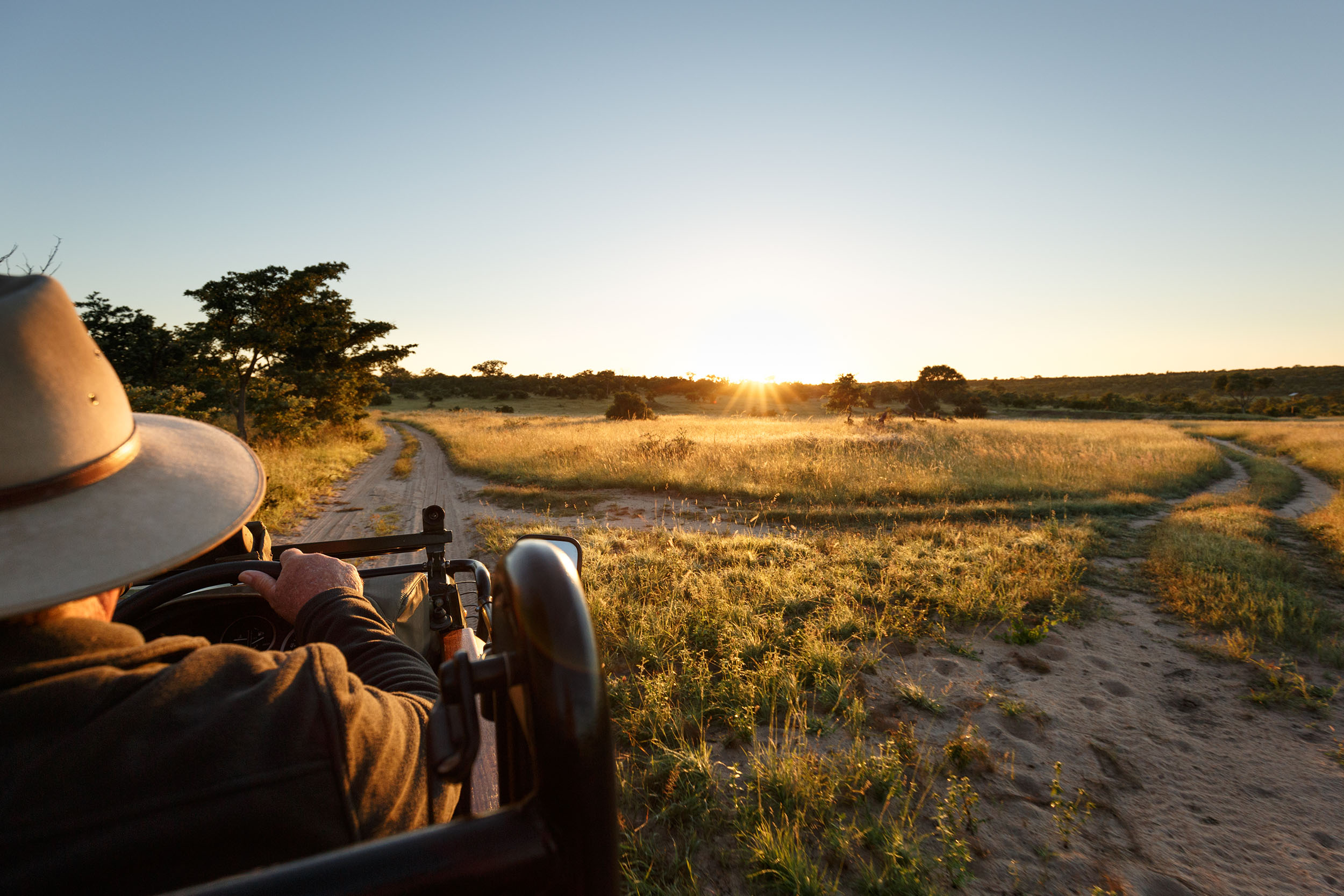
What is the Difference Between a Private and Public Game Reserve?
Let’s start with the basics: what is the difference between a private and public game reserve?
As you might expect, a private game reserve is privately owned and managed. In contrast, national parks such as Kruger are government-owned and operated and are more affordable to visit.
Both adhere to the same principles, rules and regulations when it comes to conservation and wildlife protection. However, their approaches differ in regard to matters such as the number of visitors allowed at any given time.
While we’re on the topic, we might as well clear up another thing: what is a concession? Well, a concession is a designated private area within a national park or on its outskirts.
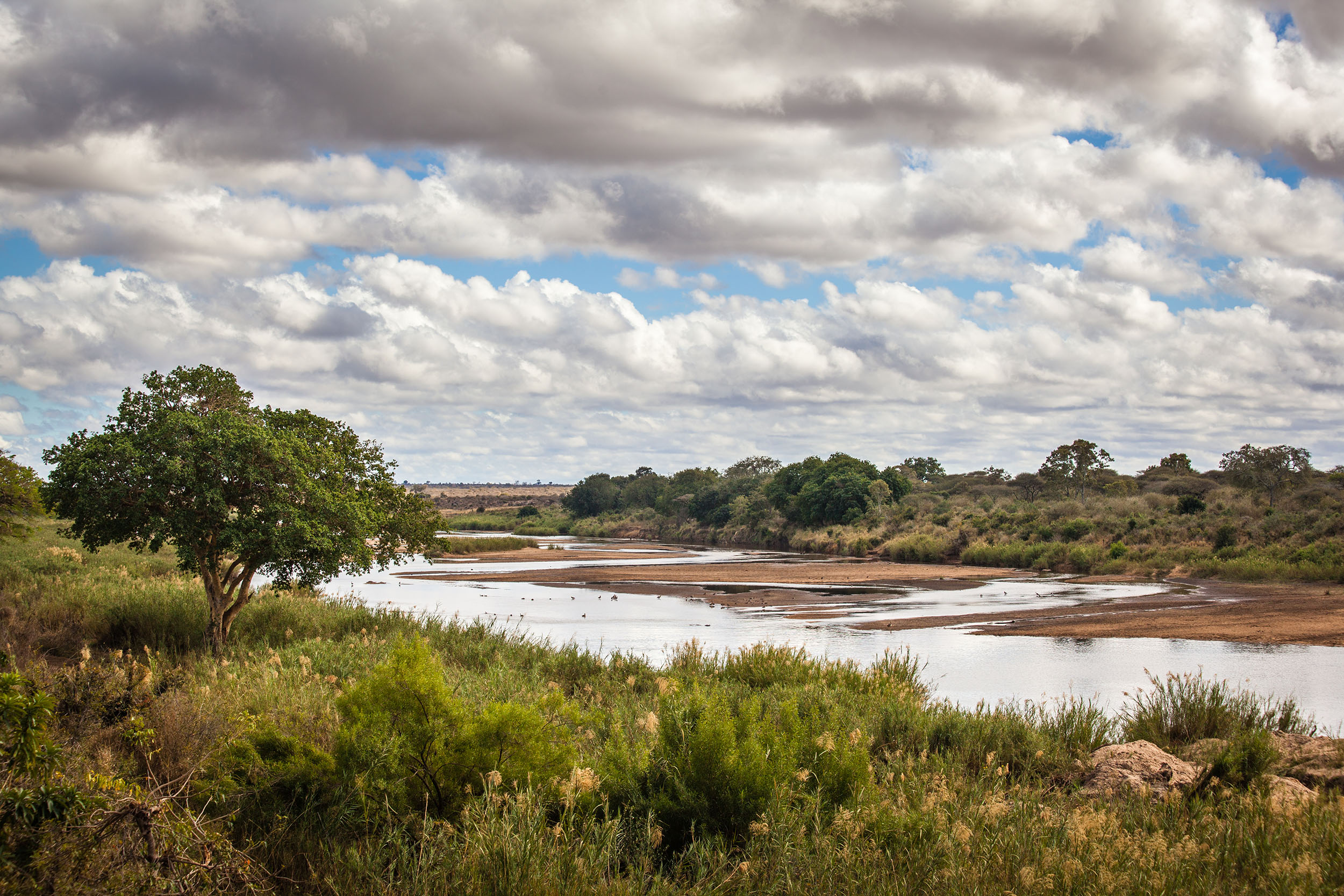
What Does This Mean for Visiting Kruger National Park?
Kruger National Park is 19,485 km² and is the largest national park in South Africa. The scope of the park includes the concessions that lie inside it as well as those in its surrounding areas. Some of these concessions are private game reserves.
While a few of the concessions are fenced off, many of them are not separated from the park by any physical boundary, allowing for a free flow of animals between areas and boosting the genetic diversity of species.
Which is Best for Families: Private or Public Game Reserves in Kruger National Park?
The decision of whether to go for a public or private game reserve in Kruger National Park can dramatically shape your experience.
Whichever you choose can determine everything from how long you have to queue to get to sites, to the flexibility you have to decide when to do so. Thus, it is important to consider the unique wants and needs of your family when making your decision.
Crowd Control
-
Public Game Reserves
Without any capacity limits in place, there tends to be a higher influx of vehicles and visitors in public game reserves. As a consequence, you and the family may have your views and photographs obstructed by other cars and visitors.
Off-road game viewing is also not permitted which you may find an issue with if you were picturing being able to go off-piste on your wildlife safari.
-
Private Game Reserves
Private game reserves in Kruger National Park have restrictions in place that limit the number of visitors allowed inside the reserve at any given time. The reasons behind this are both for the benefit of the wildlife and the visitor experience.
Putting these limits in place reduces the amount of human traffic. In doing so, this offers visitors a more authentic, uninterrupted adventure of the landscape and its animals.
However, this also works to protect the integrity of the ecosystem and minimise the disturbance to wildlife. If you’re wanting the little ones to feel like one of the lucky few to be seeing such animals in person, perhaps you should consider a private game reserve in Kruger National Park.
However, you and the kids will only be allowed access to a private game reserve if you stay in a luxury lodge in Kruger National Park. Thus, if you’re content with paying a little extra to stay in lavish accommodation and have a more tranquil safari experience, private game reserves may be the way forward.
Activities
-
Public Game Reserves in Kruger National Park
Public game reserves in Kruger National Park have designated opening and closing times. Thus, you and the children will need to take your game viewing during the daytime.
However, this may not be an issue for your family if this is when you would prefer or are planning to conduct your investigation of the animals in Kruger National Park anyway.
-
Private Game Reserves
Kruger National Park holidays to private game reserves can provide more flexibility in terms of timings. Private game reserves do not have set opening and closing times. This opens up a wealth of opportunities for seeing wildlife at different times of the day.
Along with having more choice over when you see them, you may also be able to take night game drives. Doing so introduces you to a whole new array of wildlife that you would otherwise miss out on seeing as there are a plethora of nocturnal animals in the park that only rear their heads after sunset.
You may also be able to take walking safaris in Kruger National Park in a private game reserve which allows you and the kids to enjoy a wider selection of wildlife activities during your trip.
Accommodation
-
Private Game Reserves
If you are dreaming of luxury then private game reserves in Kruger National Park may be the best option for you and your family. On top of high-end accommodation, you will find a wealth of wellness facilities.
On-site spas and plunge pools are common luxuries in private game reserves in South Africa. So you and the family can rejuvenate yourselves after a day of outdoor adventure before doing it all again tomorrow.
-
Public Game Reserves
While the standard of accommodation tends to be very high in public game safaris, you might not see the same array of luxury amenities and facilities. Yet, this of course comes with lower prices.
If you and the children are simply focused on exploring the landscape without looking for these extra touches, then a public game reserve might be the best option for you.
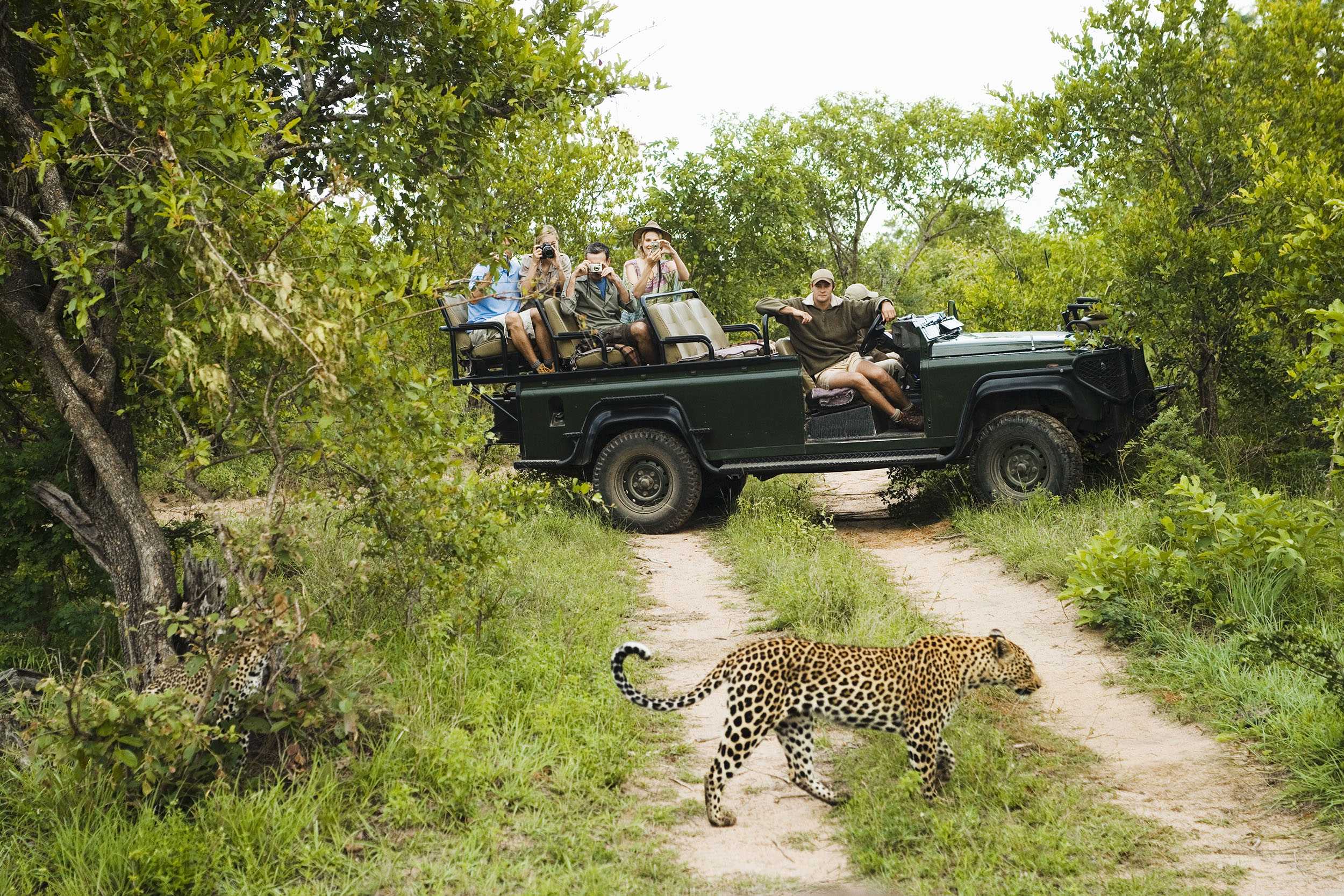
Driving
-
Public Game Reserves
Public game reserves tend to centre around self-driving. So you will need to either rent a car yourself or join a tour bus if you’re leaning towards going to a public game reserve in Kruger National Park.
Many experienced safari travellers enjoy having the freedom of using their own car to explore the parks at their discretion. One thing to keep in mind is that you will be limited to marked paths that you need to stay on during expeditions.
-
Private Game Reserves
In Kruger National Park’s private game reserves, game drives tend to be conducted by teams of professional rangers and trackers. Some accommodations also offer the opportunity for guests to rent cars onsite.
Specialist guides will be able to veer off the roads in search of the finest safari experiences to be had in the area. They will get you as up close and personal with the wildlife as possible, without compromising the animal’s safety.
Along with bringing you closer to the action, you will also be able to get uninterrupted photos. What’s more, the expert drivers will be extremely knowledgeable about the wildlife and tell you all about the lives of the animals you come across.
Child-Friendly
-
Public Game Reserves
There aren’t any age limits in public reserves in Kruger National Park. Therefore, you won’t need to worry about checking this and will be free to bring the kids along for the adventure.
-
Private Game Reserves
One thing to keep in mind while you search for the best private game reserves in Kruger National Park is that not all of them are child-friendly. Several opt for an adult-only approach, so you need to be careful and have this on your radar when organising your family holiday.
On the flip side, many private game reserves in Kruger National Park offer children’s programmes that take kids on special game drives, bush walks and provide educational talks that tell them all about the animals and the landscapes in the area.
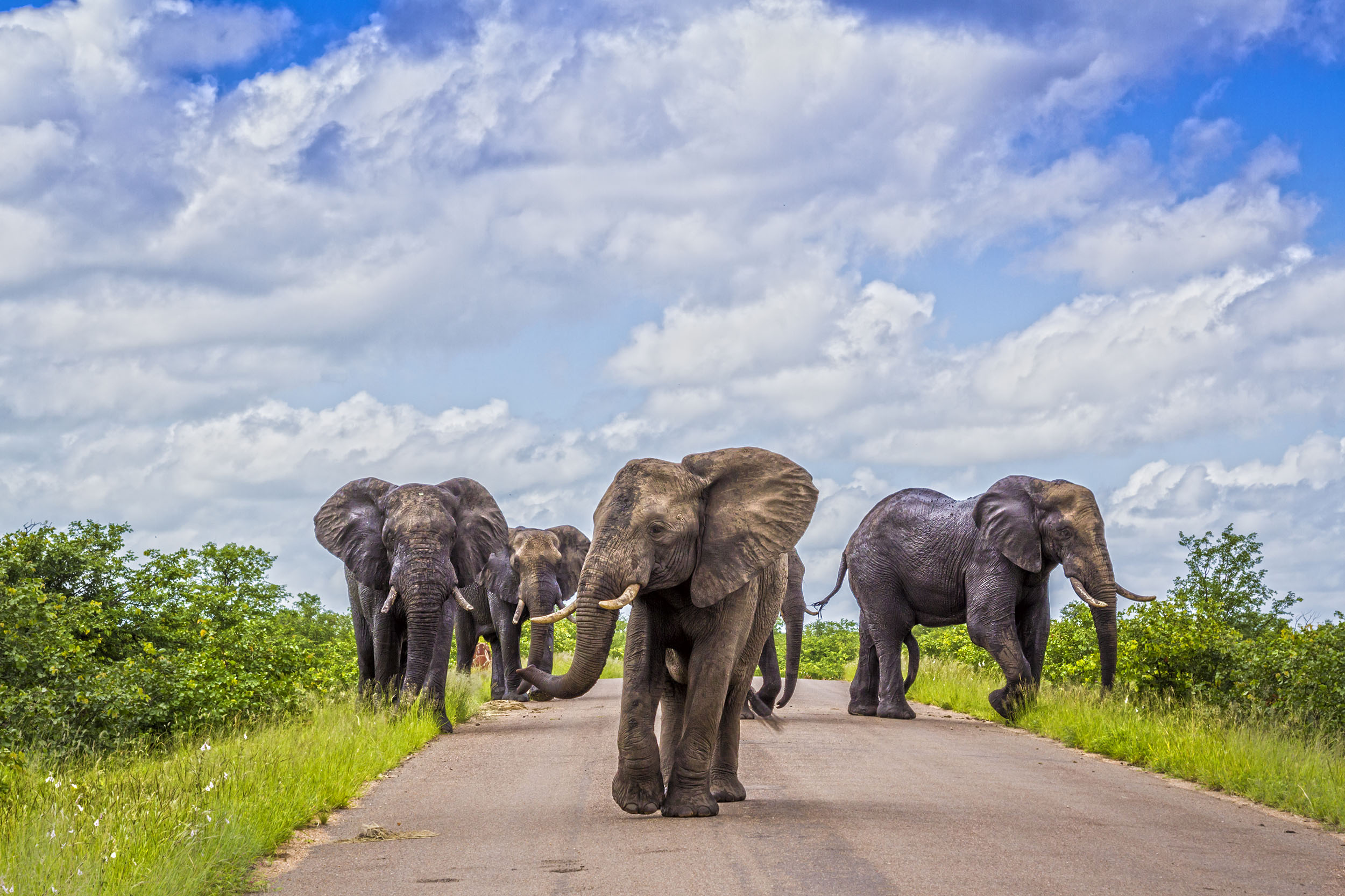
So, Which is Best for Families?
Well, it all comes down to the personal preferences and priorities of your family. If you’re simply seeking to explore game reserves in Kruger National Park without worrying about added extras or luxuries, then going public might be the best for you.
You and the children can have the unforgettable experience of investigating the glorious local wildlife all the while enjoying a more affordable price tag.
On the other hand, if you are imagining having the freedom of deciding when to go on safari rides and stay in lavish accommodation, it might be best to have a look at the best private game reserves in Kruger National Park.
Along with staying in elegant and comfortable accommodation, you will be able to enjoy luxuries such as spas, pools and high-end cuisine.

Summary
Deciding where to stay on a family holiday in Kruger National Park is a huge decision. A lot of the decision depends on what kind of freedom you are looking for from your trip.
Are you wanting to be at the liberty to drive yourself or more concerned about not having to share the roads with others? Craving a lavish getaway with the children and wishing to be taken around on a private guide safari? Or just seeking a family adventure, irrespective of luxury?
Along with ticking off members of the Big Five such as lion, leopard, rhino, elephant and buffalo, other residents include hippopotamus, zebra and giraffe. So, a trip to this unique destination is set to be an unforgettable adventure for adults and children alike.
Of course, there are benefits to both. It is simply a matter of which is the best fit for your family. There are plenty of public and private game reserves near Kruger National Park to choose from, so no matter where you choose to stay, prepare to have the most sensational experience exploring this wildlife haven with your family.
If you’re wanting to go on a wildlife adventure with the kids and wondering where to start, Coral Tree has a fantastic range of luxury South Africa family safari tours on offer that take you to see all of the country’s most spectacular animals. Get in contact to start planning your trip to this unspoilt paradise.
Some images used in this blog are the property of our partners. Please contact us for more details.