Our Favourite Safari Books for Children
Getting ready for a family safari is all part of the adventure, and there’s no better way to get little explorers excited about what’s to come than with a few good books. Whether it’s spotting their first elephant, learning to recognise animal footprints or discovering the wonderful wildlife of Africa, books can help bring the safari experience to life long before you set off.
We’ve gathered together some of our favourite books and activities for children of all ages, from beautifully illustrated first books and much-loved animal stories to interactive wildlife guides and journals.
Some are perfect for bedtime reading, others for keeping curious minds busy on the journey, and a few are worth packing in your safari bag to take out into the bush.
Most importantly, we hope they inspire a little curiosity, a sense of adventure and a lifelong love of Africa’s wild places.
Little Wild Eye – My First Safari Concertina Book
Suitable from Birth
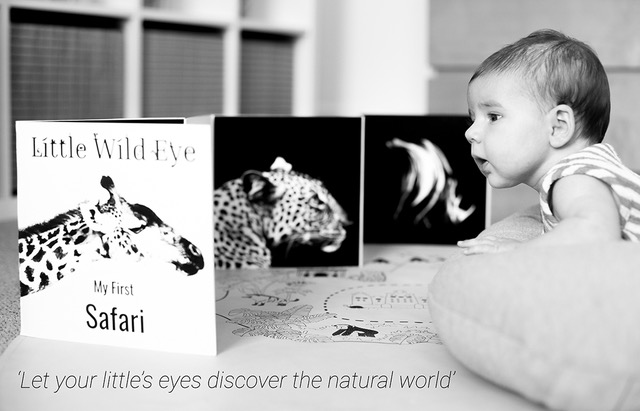
A first safari book doesn’t get much more special than this!
Created by Coral Tree’s very own team members, Little Wild Eye’s My First Safari is a beautiful concertina book featuring 13 original photographs of African wildlife from Cameron Anderson Raffan’s photography collection.
Designed with newborns in mind, its striking black-and-white imagery helps stimulate developing eyesight, while the clever concertina format makes it perfect for tummy time or sharing together.
A lovely introduction to Africa’s natural world from the very beginning and a stunning keepsake for animal loving parents to enjoy alongside their little explorers.
Axel Scheffler’s Flip Flap Safari
Suitable for Ages 2-5
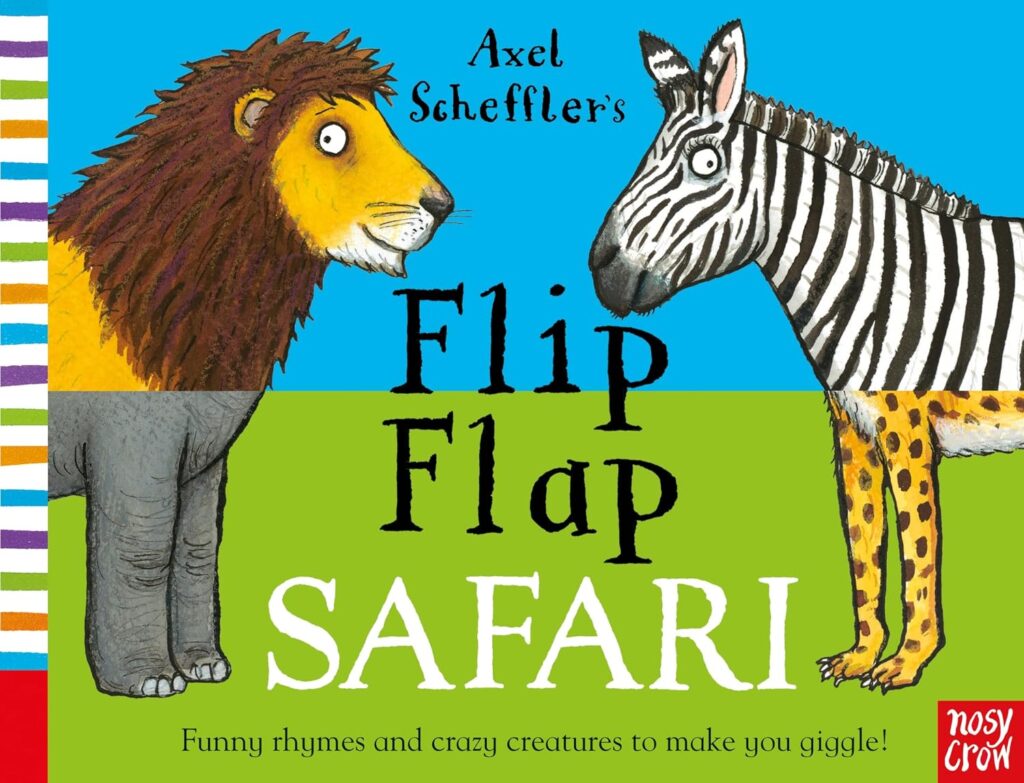
A wonderfully silly introduction to safari animals, this interactive book lets little ones mix and match different animal heads, bodies and legs to create some rather unusual creatures! What do you get when you cross an elephant with a lion? An elephon, of course!
With over 121 possible combinations, playful rhymes and Axel Scheffler’s brilliant illustrations, it’s a fun way to introduce younger children to some familiar African animals.
The Go-Away Bird by Julia Donaldson and Catherine Rayner
Suitable for Ages 2-6
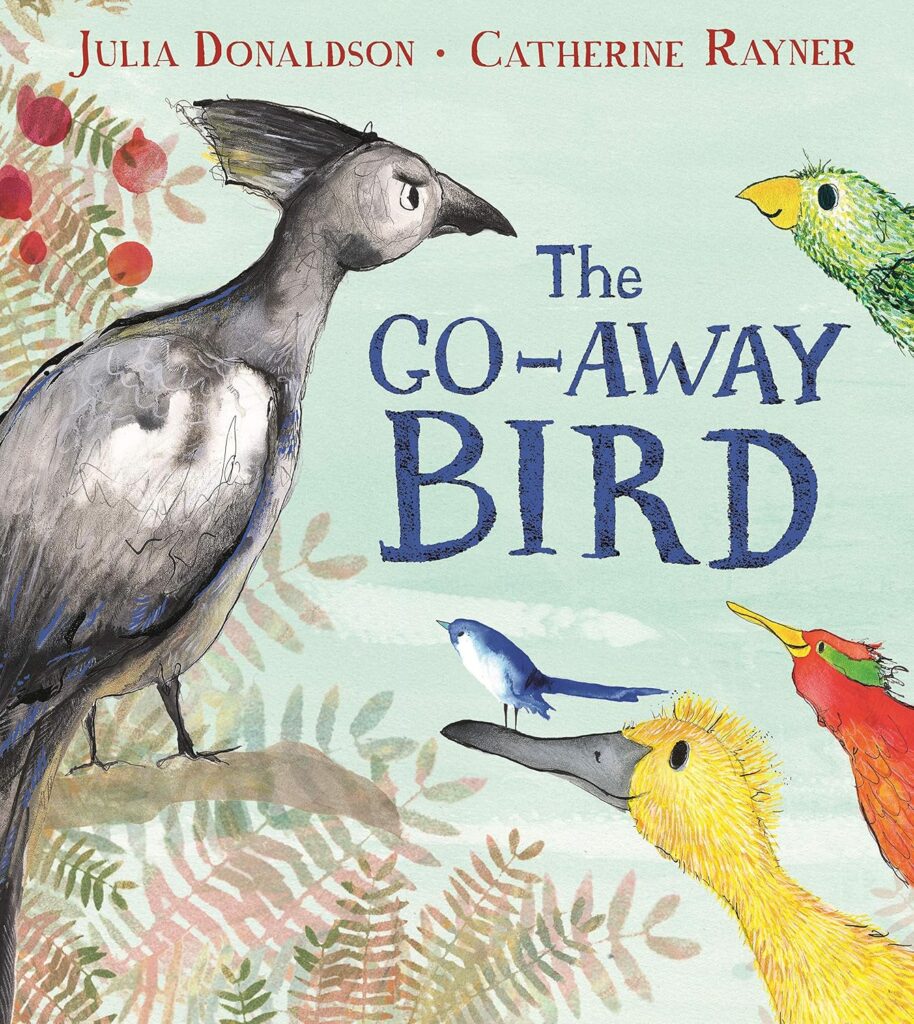
Inspired by a real Go-away bird spotted by Julia Donaldson on safari in South Africa, this charming rhyming story follows a rather grumpy bird who would much rather be left alone. When the other birds come looking for friendship, she sends them away, only to discover that sometimes we all need a little help from our friends. Beautifully illustrated by Catherine Rayner, it’s a lovely story to share with younger children and a fun introduction to one of Africa’s distinctive birds.
This has been a much loved Coral Tree family favourite for years.
The Ugly Five by Julia Donaldson and Axel Scheffler
Suitable for Ages 3-6
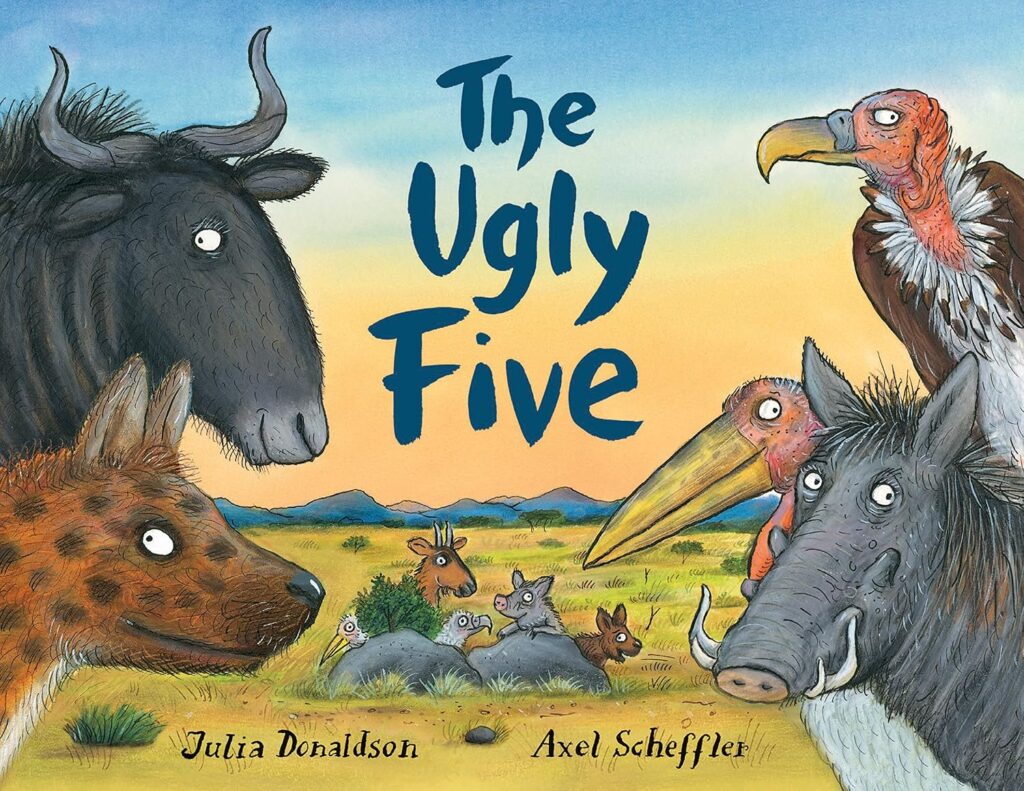
Move over Big Five, it’s time to meet the Ugly Five! This wonderfully funny rhyming story introduces children to five of Africa’s less conventionally handsome animals: the wildebeest, warthog, vulture, hyena and marabou stork. As they proudly celebrate their unusual looks, their little ones remind them that they’re perfect just as they are.
With Axel Scheffler’s wonderfully characterful illustrations and Julia Donaldson’s infectious rhymes, this is a lovely way to introduce children to some of the less familiar faces of the African bush.
Handa’s Noisy Night by Eileen Browne
Suitable for Ages 3-7
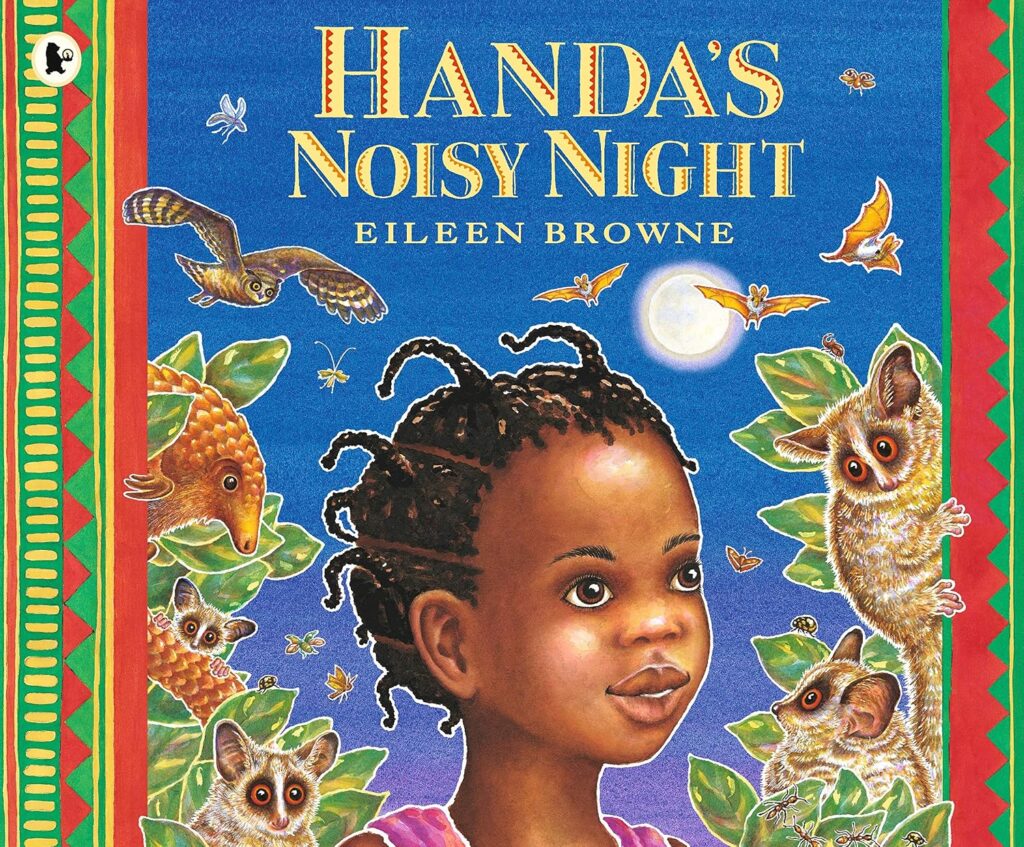
Join Handa and her friend Akeyo for an exciting sleepover in Kenya, where strange noises outside their hut keep the girls guessing. Is it their family making all that snorting, chattering and squeaking?
Readers get to discover the real culprits hiding in the illustrations, from a snorting pig to a rattling porcupine and squeaking bats. A lovely read-aloud story that introduces children to some of Africa’s more unusual nocturnal wildlife, with plenty of opportunities to make the animal noises along the way!
Coral Tree Tip! We love books like this for starting conversations about the people, traditions and everyday life of the countries you’re visiting, as well as the wonderful wildlife. It’s a lovely way to help children get to know a little more about Africa before they arrive.
We All Went on Safari by Laurie Krebs
Suitable for Ages 4-7
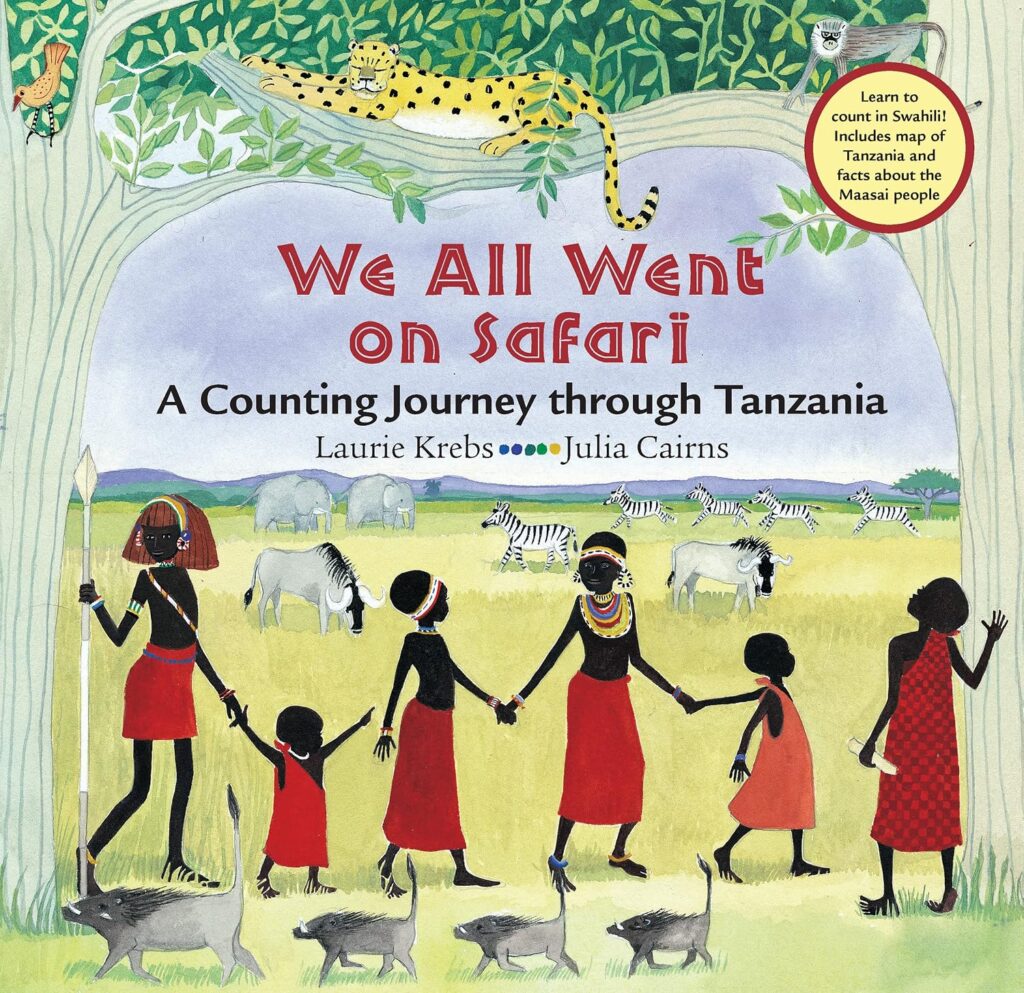
Take a counting journey across the grasslands of Tanzania with Arusha, Mosi, Tumpe and their Maasai friends.
As they travel through the savannah, children encounter elephants, lions, giraffes and plenty more wildlife, counting from one to ten in both English and Swahili.
The colourful illustrations bring the journey to life, while the additional animal facts, map and introduction to Maasai culture make this much more than a counting book.
A wonderful way to introduce little ones to Tanzania and the magic of an African safari.
Zwela Journals: The African Safari Journal
Suitable for Ages 6-12
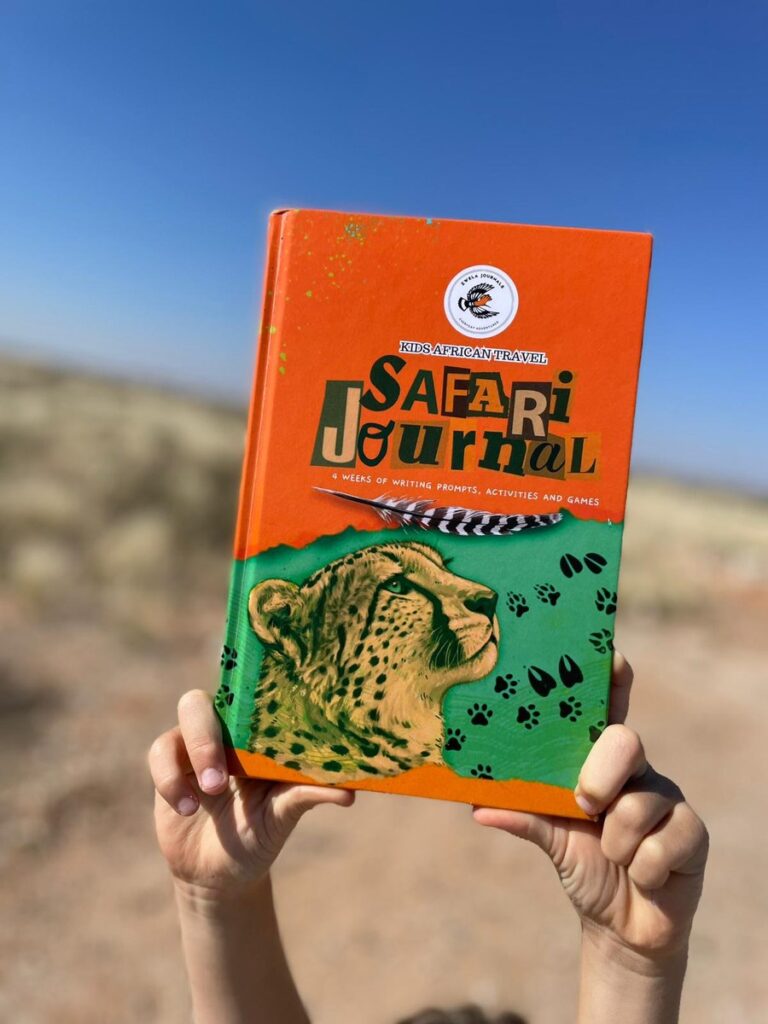
Part wildlife guide, part activity book and part personal diary, the African Safari Journal by Zwela is a lovely companion for children heading off on their own safari adventure.
Covering eight African countries, it introduces young explorers to the continent’s wildlife, birds, landscapes and cultures, with animal identification pages, wildlife checklists and fascinating facts to discover.
There are also four weeks of guided journal prompts, quizzes, word searches and drawing activities, giving children plenty of ways to record their sightings and remember their adventures long after they’ve returned home.
Coral Tree Tip! We think a safari journal is one of the loveliest things to pack for little explorers. It’s a great way to encourage children to really look at the world around them, get curious about the wildlife they spot, and fill their pages with drawings, memories and little discoveries along the way to keep long after the adventure.
We especially love that Zwela Journals was created by parents with safari experience of their own, who know just how special these adventures can be for the whole family.
For budding naturalists: East Africa Wildlife – A Folding Pocket Guide
A useful companion for children exploring East Africa
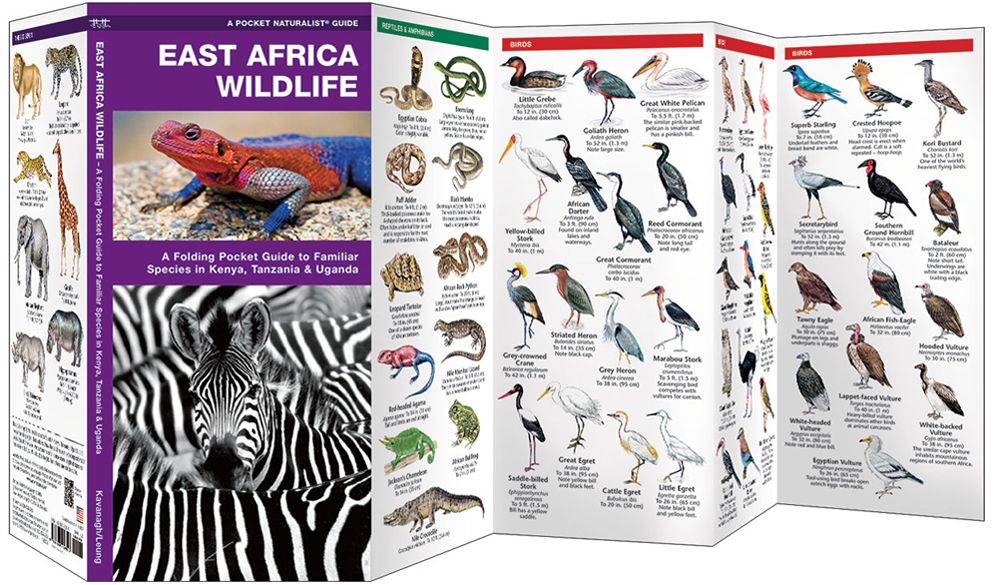
For families heading to Kenya, Tanzania or Uganda, this pocket-sized wildlife guide is a useful addition to the safari bag. Featuring illustrations and information on more than 120 familiar and less commonly spotted species, it covers mammals, birds and reptiles found across the region.
Small, lightweight and laminated, it’s easy to keep close at hand on game drives, giving children the chance to look up the animals they’ve spotted, learn a little more about them and start building their own wildlife knowledge.
For budding trackers: African Animal Tracks – A Folding Pocket Guide
A useful guide for older children and curious young explorers
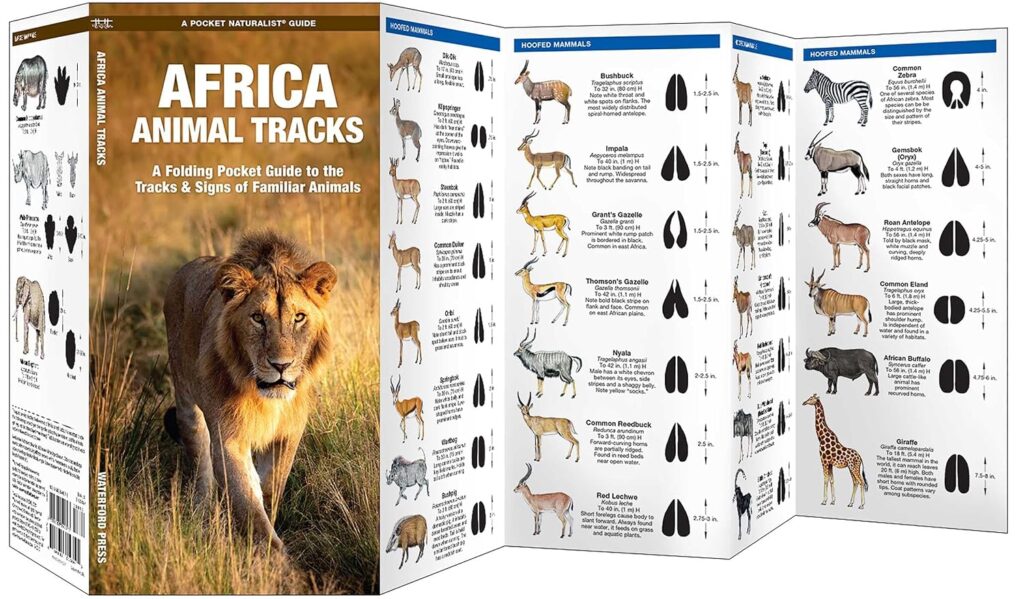
There’s so much more to a safari than spotting animals! This handy folding pocket guide introduces children to the fascinating world of animal tracking, helping them recognise footprints and other signs left behind by wildlife.
Featuring illustrations of more than 80 African species and their tracks and signs, it’s a brilliant way to encourage children to look a little closer at their surroundings and discover what might have passed by, even when the animals themselves are nowhere to be seen.
Particularly fun to take out on game drives or bush walks with an experienced guide.
For curious naturalists: Wildlife of Southern Africa – A Field Guide to the Animals and Plants of the Region
A useful guide for older children and budding naturalists
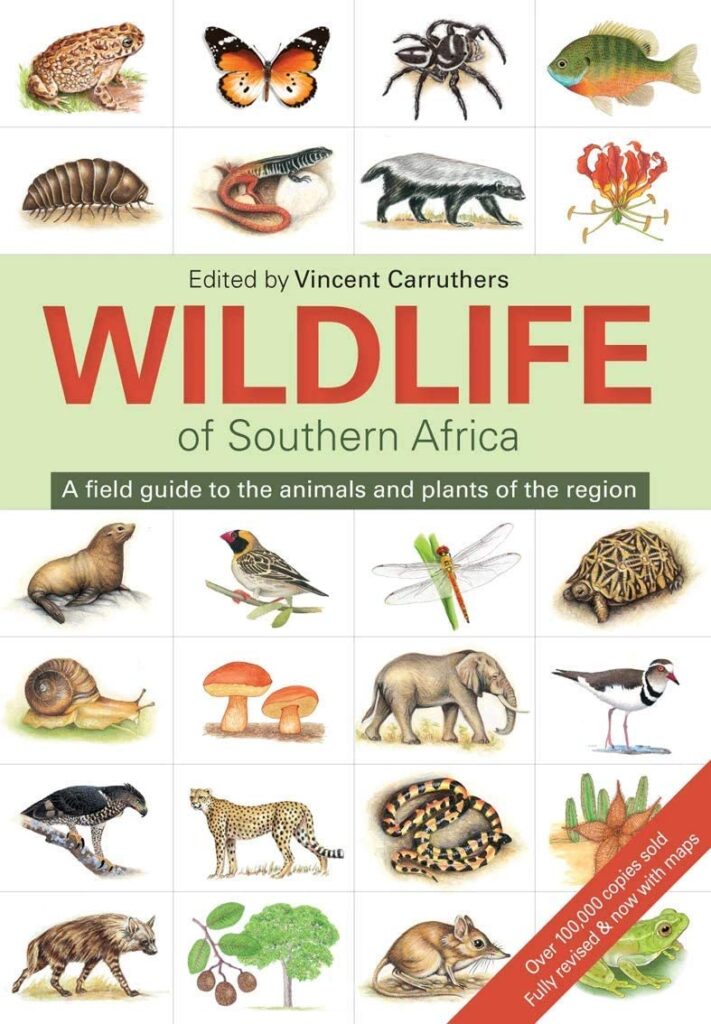
For children who want to discover everything the African bush has to offer, this comprehensive field guide goes well beyond the Big Five.
Covering more than 2,000 species, from mammals, birds and reptiles to insects, wildflowers and trees, it’s packed with detailed colour illustrations, fascinating information and helpful identification tips.
A brilliant companion for curious young naturalists who enjoy looking a little closer at the world around them, and a useful reference to keep close at hand on safari.
Coral Tree Tip! Keep a pencil handy so children can jot down the date and location alongside each animal or bird they spot. It’s a lovely way to turn a simple wildlife guide into a personal safari keepsake and remember exactly where they saw their very first leopard!
For bird lovers: Pocket Guide Birds of Southern Africa by Ian Sinclair
A useful guide for older children and budding birdwatchers
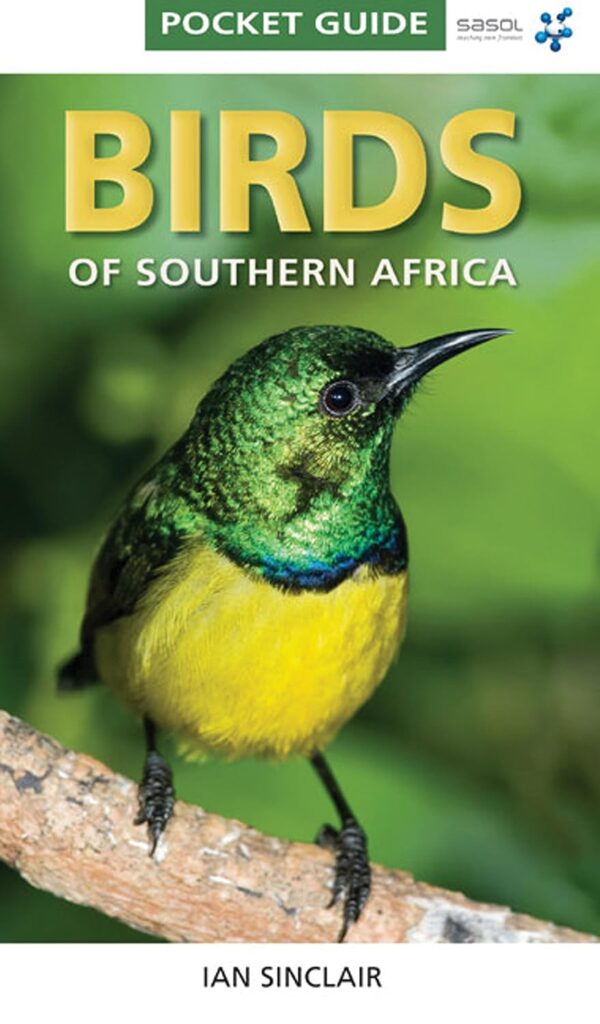
Africa’s birdlife is every bit as fascinating as its larger wildlife, and this handy pocket guide is a great introduction for children who enjoy spotting and identifying birds.
Covering around 500 species found across Southern Africa, it features photographs, key identification details, distribution maps and information about when different birds are most likely to be seen.
A particularly useful guide for families travelling to South Africa, Botswana, Namibia or other Southern African destinations, and a lovely way to encourage children to look beyond the Big Five.
National Geographic Kids: How to Draw Safari Animals
Suitable for ages 6+
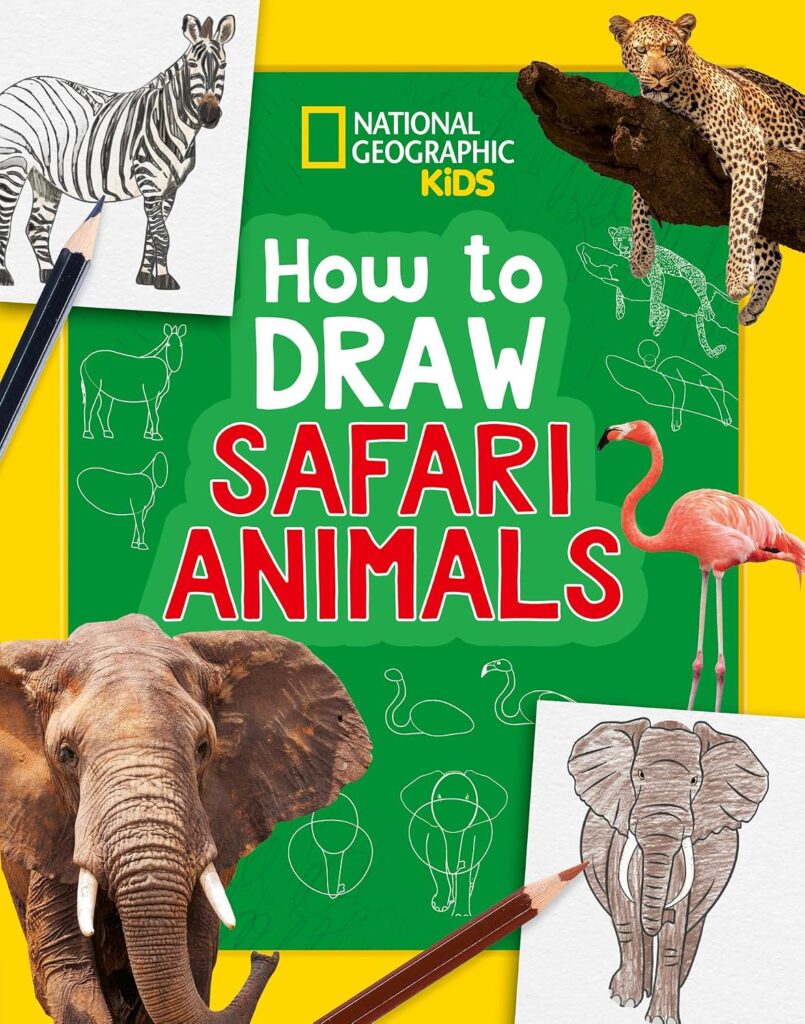
For budding artists and animal lovers, this step-by-step drawing book is a brilliant way to get creative before a safari. With easy-to-follow instructions, children can learn to draw some of their favourite African animals, including lions, hippos, giraffes and zebras.
Alongside colourful photographs and fascinating facts about the real animals, it’s a lovely activity book to keep little hands busy on the journey and perhaps inspire a few safari sketches along the way.
Coral Tree Tip! Activity books are a great little travel companion, keeping curious minds busy during long flights and providing some fun downtime back at the lodge between game drives.
Top Trumps: Africa’s Wildlife
Suitable for ages 6+
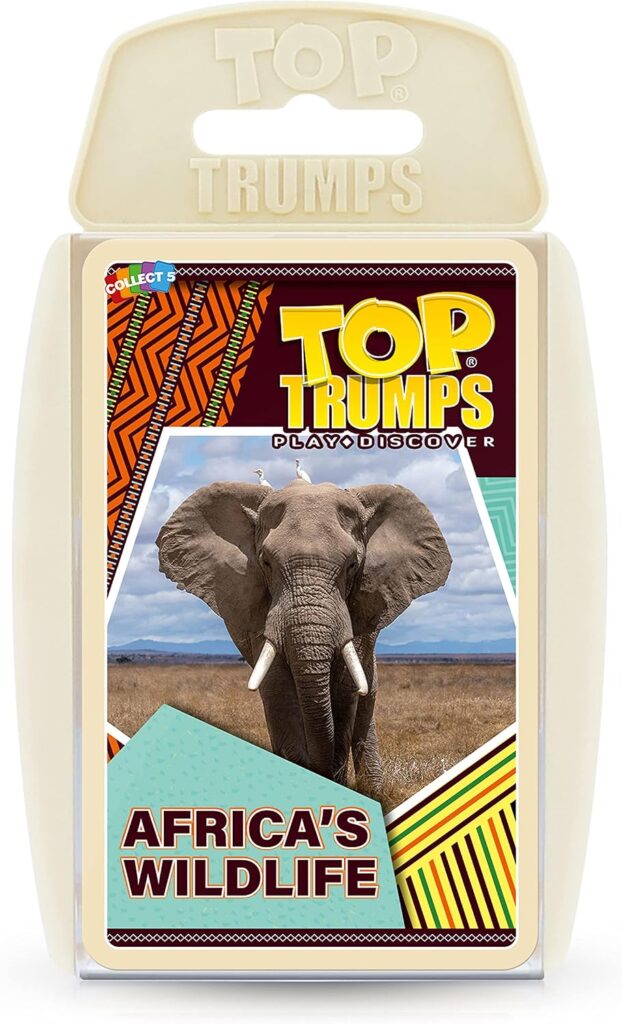
A safari-inspired twist on a family favourite, Africa’s Wildlife Top Trumps is a brilliant little game to pack for the journey or enjoy back at camp.
Featuring 30 of Africa’s most fascinating creatures, from elephants and lions to warthogs and African penguins, each card reveals interesting facts and compares animal characteristics including size, speed, intelligence and danger.
A fun way for children (and grown-ups!) to learn a little more about Africa’s wildlife while enjoying some friendly competition.
These are just the starting point for a little inspiration. Whether it’s discovering new animals, learning to recognise footprints or simply enjoying a story set in the African bush, we hope they spark plenty of curiosity and anticipation. After all, there’s nothing quite like seeing the wildlife you’ve read about come to life before your eyes!
Just as every young explorer has their own favourite animals and ideas of adventure, we believe every family safari should be unique. Our dedicated team draw on their first-hand experience, personal insights and carefully chosen recommendations to create tailor-made safaris that are as individual as the families travelling.
Get in touch for a friendly chat and let us help you start planning your own unforgettable African adventure.
Some images used in this blog are the property of our partners. Please contact us for more details.
Notes from the Field - Malawi
Our Senior Sales Consultant Cameron Raffan shares his recent discoveries from his latest trip to Malawi.
Thirteen years after my last visit to Malawi, I returned in November 2025 to discover how much had changed. With remarkable conservation achievements, beautiful lakeside retreats and some of Africa’s lesser-explored landscapes, I wanted to see whether Malawi deserves a bigger place on the African safari map.
Known as the Warm Heart of Africa, Malawi has a warmth, diversity and sense of adventure that set it apart from more established safari destinations.
Having spent much of my career guiding safaris, managing lodges and exploring Africa’s wilderness areas, I was particularly interested in the restoration of Malawi’s wildlife.
African Parks has achieved extraordinary conservation success in Liwonde National Park and Majete Wildlife Reserve. But conservation success and a rewarding safari experience aren’t necessarily the same thing. I wanted to see what these destinations could genuinely offer our clients.
Over nine nights, I travelled from Lilongwe to Lake Malawi, through Liwonde, Zomba and Majete, before finishing among the beautiful tea estates of Thyolo.
What I discovered was a wonderfully contrasting country, with some real surprises along the way.
Lilongwe: A Warm Welcome to Malawi
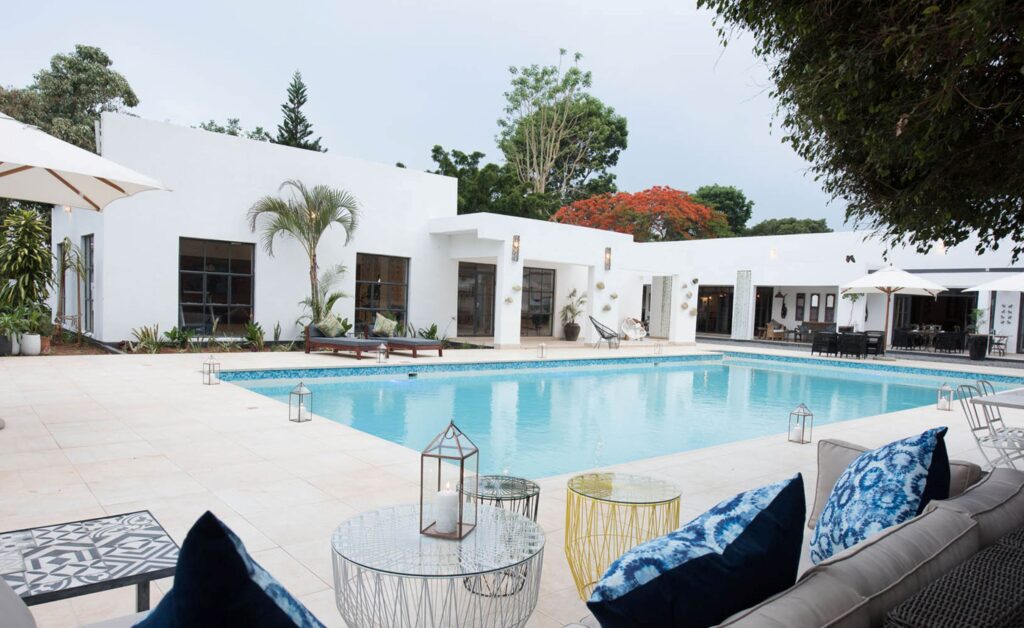
My journey began at Latitude 13°, a stylish hotel in Lilongwe with the atmosphere of a private members’ club.
It’s a comfortable, welcoming place to settle in after an international flight, and somewhere I would happily recommend for a first night before heading out to explore the country.
Travelling Through Malawi: The Journey Is Part of the Experience
One of the things I enjoyed most about Malawi was travelling overland.
Unlike destinations where light aircraft transfers are almost essential, much of Malawi can be explored by road, passing through rural communities, mountain landscapes and beautiful stretches of countryside.
The scenery along the escarpments is extraordinary, although road conditions require some patience. Certain stretches towards Lake Malawi are badly potholed, making journeys slow and bumpy.
We travelled with our local partners, Crafted Africa, whose exceptionally well-prepared vehicles made a real difference. With extended fuel capacity, they’re equipped for a country where fuel availability can occasionally be unpredictable.
For families especially, careful route planning, suitable vehicles and realistic journey times are essential.
Lake Malawi: Beautiful Beaches and Island Adventures
Lake Malawi is one of the country’s greatest attractions, offering sandy beaches, warm tropical surroundings and a wonderful variety of water-based activities.
I explored two very different properties, each with its own appeal.
The Makokola Retreat: A Fantastic Family Escape
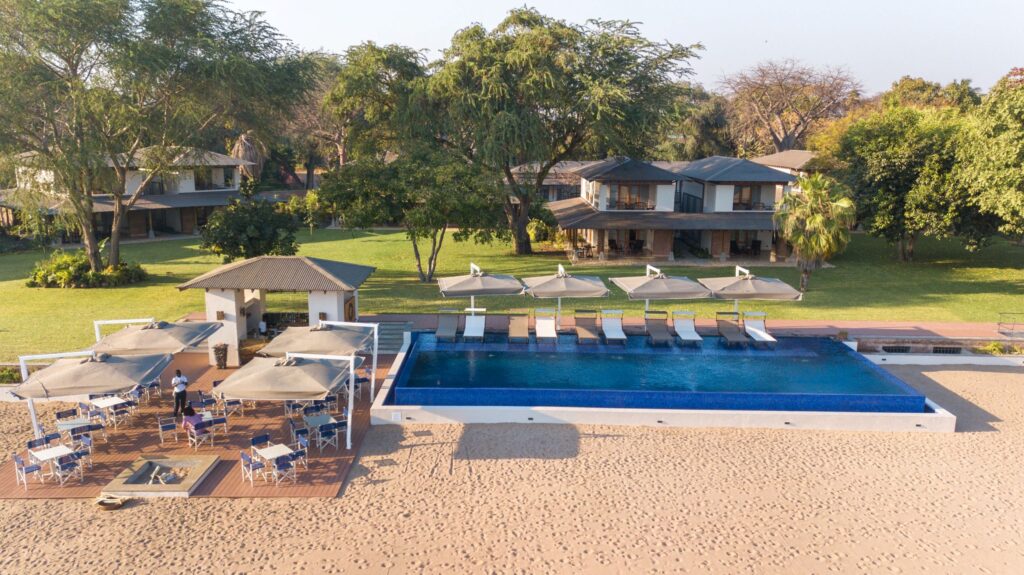
I absolutely loved The Makokola Retreat.
Set among beautiful tropical grounds beside a wonderful sandy beach, this is somewhere I could easily imagine spending several days with my own family.
The resort offers an excellent range of activities on land and water, the grounds are beautifully maintained and the food was superb.
What impressed me most was how easily it caters for different ages and interests. Parents can enjoy some downtime while children have plenty to keep them entertained.
For families looking to combine a Malawi safari with a beach holiday, Makokola would be very high on my list.
Mumbo Island: A Genuine Destination Experience
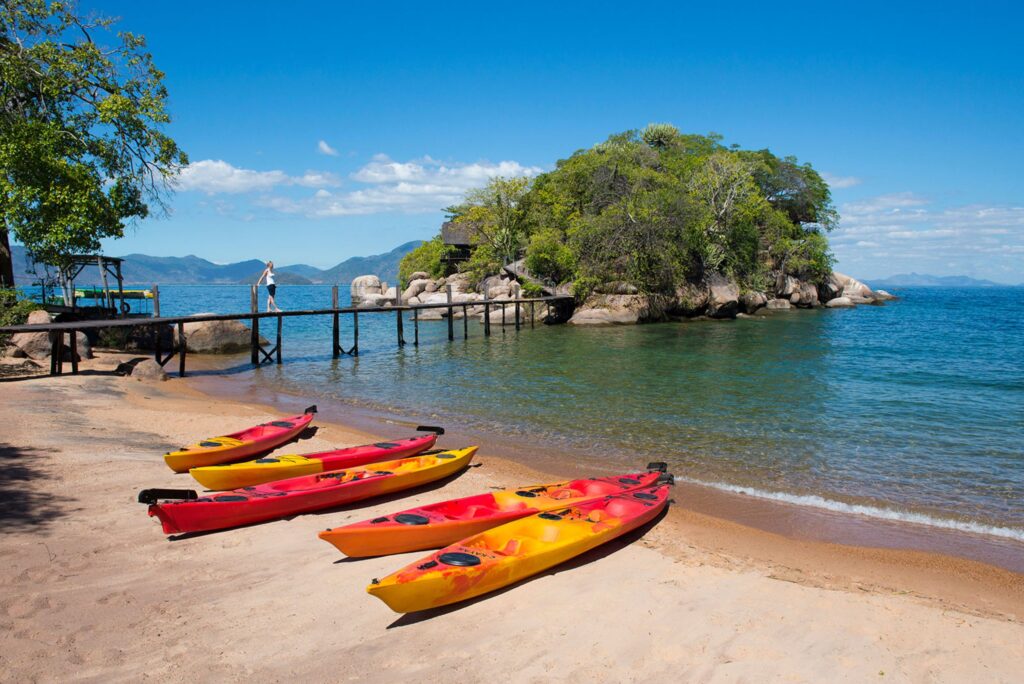
Mumbo Island had been on my bucket list since I first heard about it in 2011.
The location is extraordinary. This tiny island in Lake Malawi National Park is surrounded by clear water, rocky shores and an incredible diversity of colourful freshwater fish.
Snorkelling among Lake Malawi’s endemic cichlids was a real highlight, as was watching African fish eagles swooping towards the water during our catamaran excursion.
Mumbo isn’t somewhere you visit for polished luxury, It’s a destination experience.
The opportunity to explore a beautiful island, snorkel, kayak and enjoy its remarkable natural surroundings is what makes it special.
For adventurous families, couples and nature lovers, Mumbo offers something wonderfully different.
Liwonde National Park: Malawi’s Safari Success Story
Liwonde was one of the destinations I was most excited to revisit.
African Parks has transformed the park through wildlife protection and reintroductions, including lions, cheetahs, rhinos and African wild dogs.
But how would the game viewing compare with Africa’s better-known safari destinations?
Kuthengo Camp: An Authentic Safari Experience
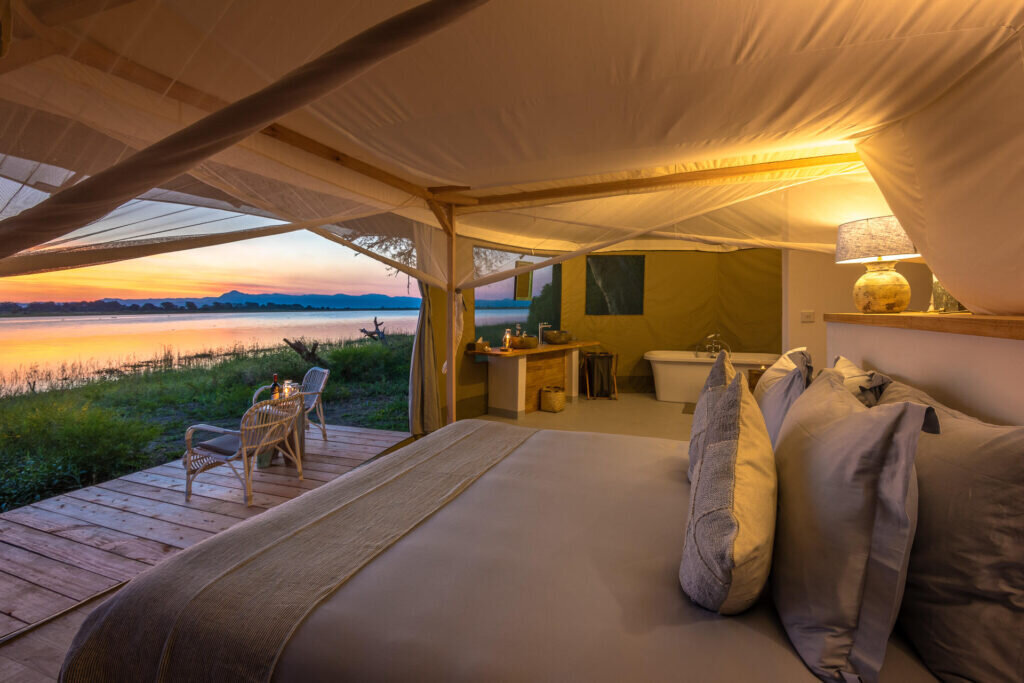
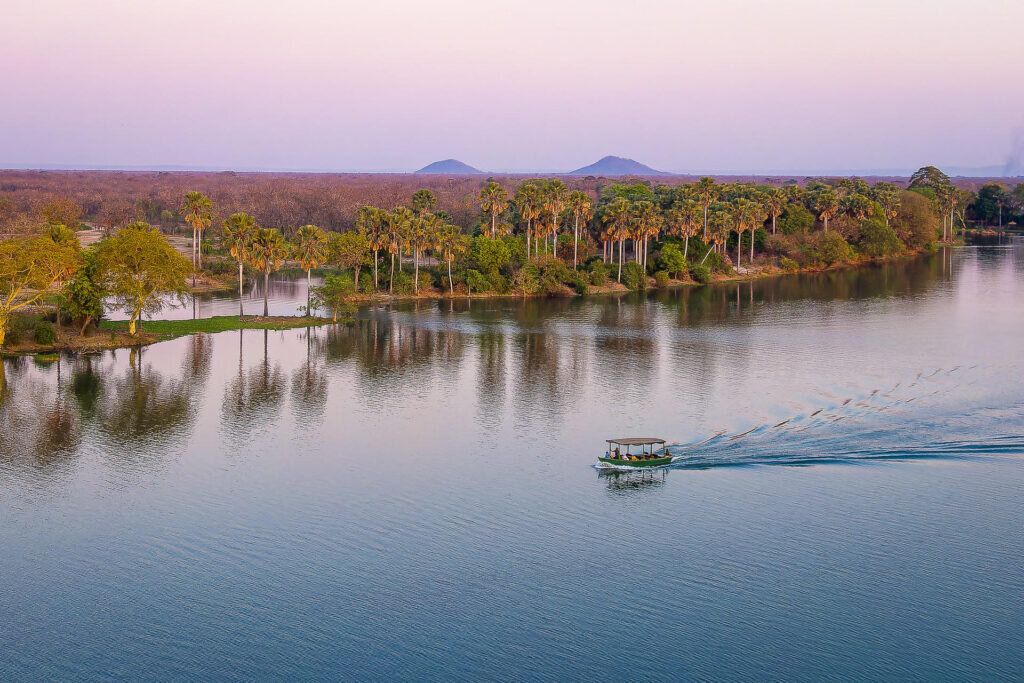
My first stop was Kuthengo Camp, a beautiful little property on the Shire River.
This is exactly the style of camp that appeals to me: intimate, authentic and wonderfully connected to its surroundings.
Wildlife moves through the camp, the main area overlooks the river and there’s a lovely sense of privacy.
Activities include game drives, boat safaris and guided walks.
Kuthengo sits further north than Mvuu, away from some of the park’s principal game-viewing areas. It’s an important consideration, although the camp’s atmosphere and beautiful setting offer plenty in return.
For travellers who appreciate smaller, traditional safari camps, Kuthengo has enormous appeal.
Mvuu Lodge and Camp: Excellent Wildlife Access
Further south, Mvuu Lodge and Mvuu Camp benefit from excellent access to some of Liwonde’s most productive wildlife areas.
Both offer a wonderful variety of activities, including boat safaris, game drives and a superb woodland wildlife hide.
The two properties cater to different budgets and preferences.
Mvuu Camp represents excellent value, particularly for families seeking an accessible and activity-rich safari.
Mvuu Lodge is the more exclusive option, offering greater comfort and privacy, particularly suited to couples. Significant renovation work was taking place around the time of my visit, however; since my return, they have completed a newly built suite the sits on a private end of the river perfect for a romantic Honeymoon.
The Wildlife: Elephants, Lions and Extraordinary Birdlife
So, what about the wildlife?
The elephants were absolutely outstanding.
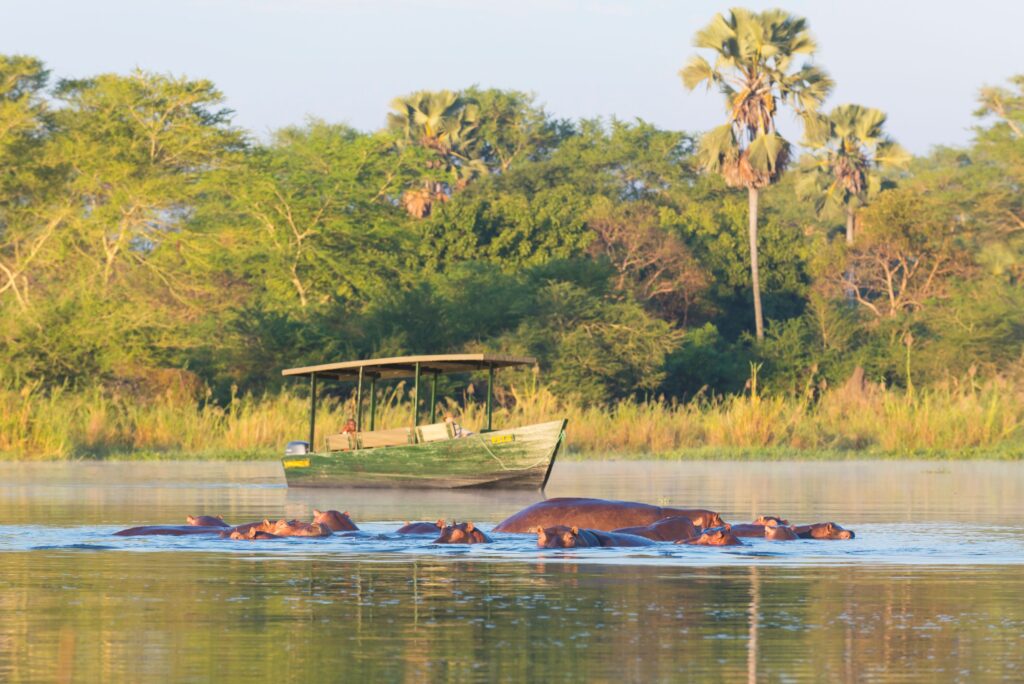
Some of my favourite encounters happened from the boat on the Shire River, watching elephants along the banks at wonderfully close quarters.
We enjoyed lovely lion sightings too. Cheetahs and rhinos remained elusive, although there was plenty of evidence of their presence. The wild dog reintroduction has faced greater challenges.
The birdlife was phenomenal, with riverine habitats, floodplains and woodland providing exceptional diversity.
I came away genuinely impressed.
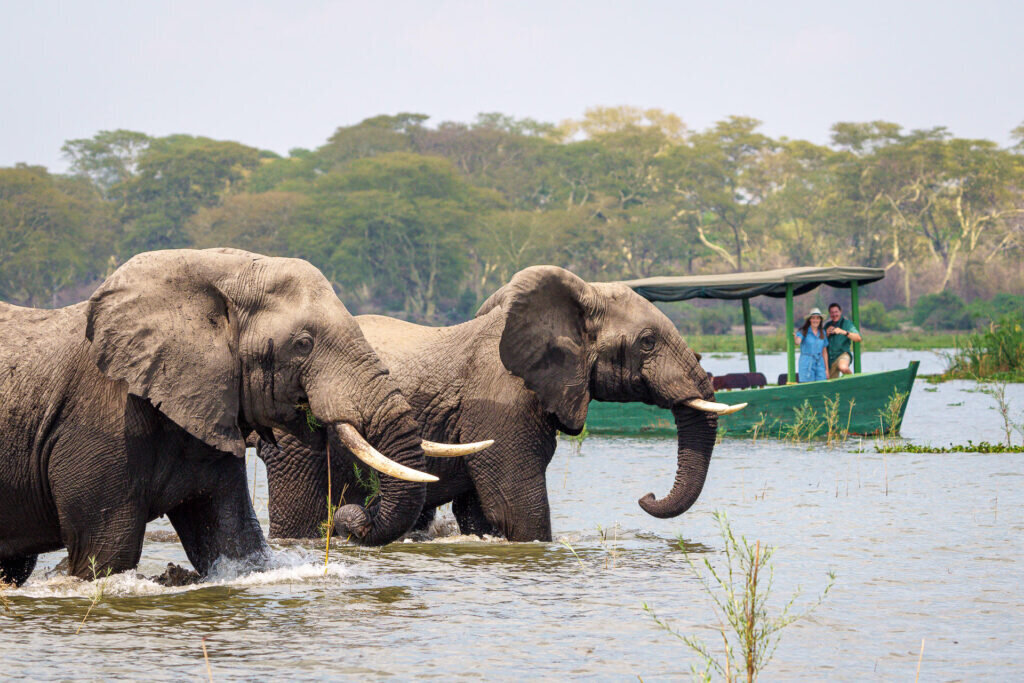
Liwonde absolutely holds its own as a standalone safari destination.
For first-time safari travellers, it offers an exciting introduction to African wildlife. For those who have already experienced the Serengeti, Maasai Mara or Kruger, it offers something refreshingly different.
It may not deliver the same intensity of big-game sightings, but its river experiences, atmosphere and diversity are tremendous.
Zomba Plateau: History, Hiking and Birdwatching
Leaving Liwonde, we travelled south towards Zomba, Malawi’s former capital.
This is a wonderful destination for introducing history, culture and outdoor adventure into a holiday.
The town has colonial-era architecture and bustling markets, while the magnificent Zomba Plateau offers forest trails, mountain scenery and excellent hiking.
We stayed at Kefi Hotel Café, a convenient base for exploring the area.
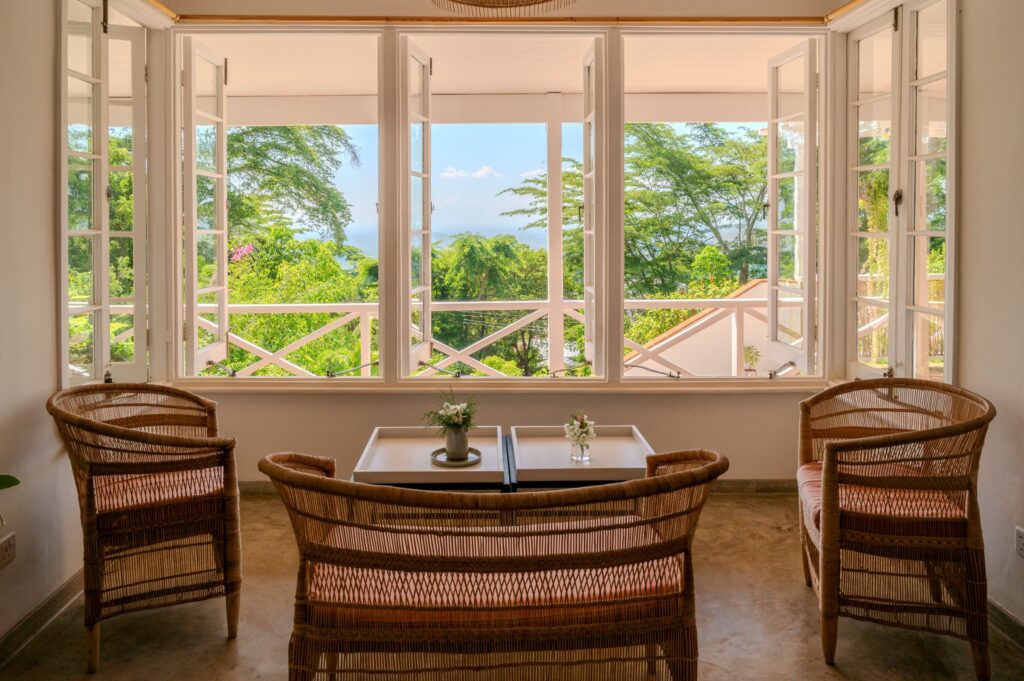
I also visited Zomba Forest Lodge, a charming, homely property with a strong connection to the surrounding ecology and conservation.
For travellers wanting to immerse themselves in the forests of the Zomba Massif, it’s a lovely option.
As a keen birder, I was particularly interested in the area’s specialist forest species, including the Yellow-throated Apalis, Malawi’s only endemic bird.
Zomba deserves serious consideration for anyone interested in birdwatching, hiking or experiencing a different side of Malawi.
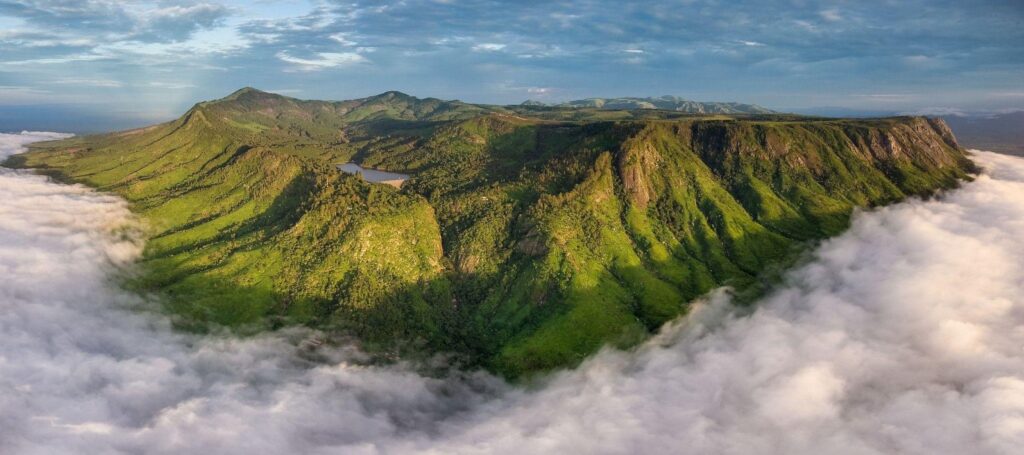
Majete Wildlife Reserve: Remarkable Conservation and a Challenging Safari
Majete was another destination I was particularly keen to explore.
Since African Parks began managing the reserve in 2003, an extraordinary restoration programme has returned numerous wildlife species, transforming what had become a severely depleted ecosystem.
The conservation achievement is remarkable. But the safari experience requires a little more explanation.
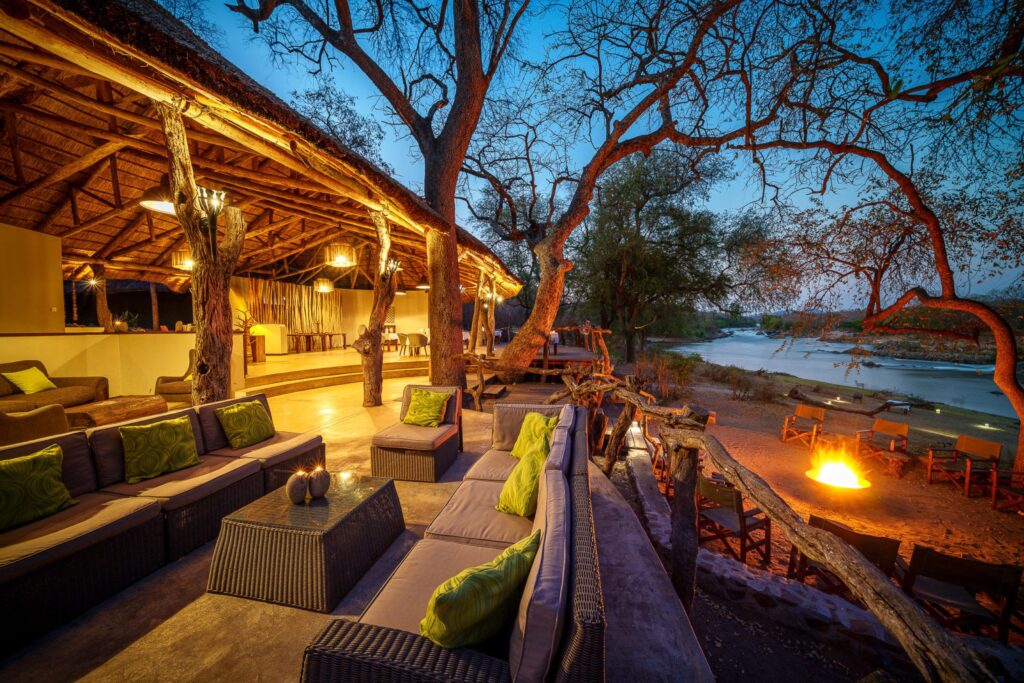
Mkulumadzi: One of Malawi’s Finest Safari Lodges
We spent two nights at Mkulumadzi, and what a beautiful lodge it is.
In terms of design, setting and atmosphere, I would comfortably place Mkulumadzi alongside some of the finest safari lodges I’ve visited anywhere in Africa.
The bush chalets blend beautifully into their surroundings, and the property offers a wonderful balance of luxury, privacy and wilderness.
It could hold its own in almost any of Africa’s major safari destinations.
The Reality of Game Viewing in Majete
Wildlife viewing, however, was challenging.
Much of Majete is covered in dense woodland and bush, making sightings considerably harder than in the open landscapes of the Serengeti or Maasai Mara.
We spent considerable time tracking lions along the road network, eventually locating them feeding deep in the vegetation.
We were incredibly close, but the dense bush prevented a clear view.
Personally, I enjoyed the challenge. Tracking wildlife, interpreting signs and working with a knowledgeable guide are all part of what I love about being in the bush.
But this isn’t necessarily the experience every safari traveller wants.
Sightings can depend heavily on the road network, watering holes and patience.
The birdlife was excellent, and exploring the lower Shire River landscapes added another dimension.
Would I recommend Majete? Absolutely, but to the right traveller.
For a first-time safari focused on frequent big-game sightings, I would generally prioritise Liwonde.
For experienced safari travellers who enjoy tracking, conservation and simply being immersed in wilderness, Majete offers a rewarding escape.
Thyolo Tea Estates: The Perfect Ending
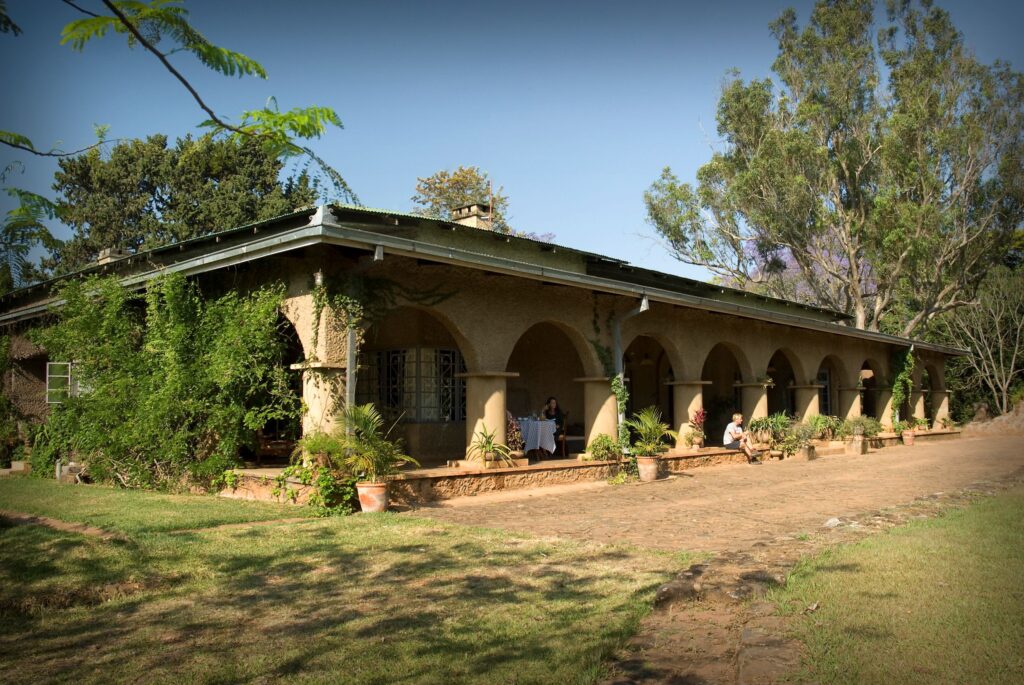
Our final night was at Huntingdon House, set within the beautiful Satemwa Tea Estate in Thyolo.
I absolutely loved it.
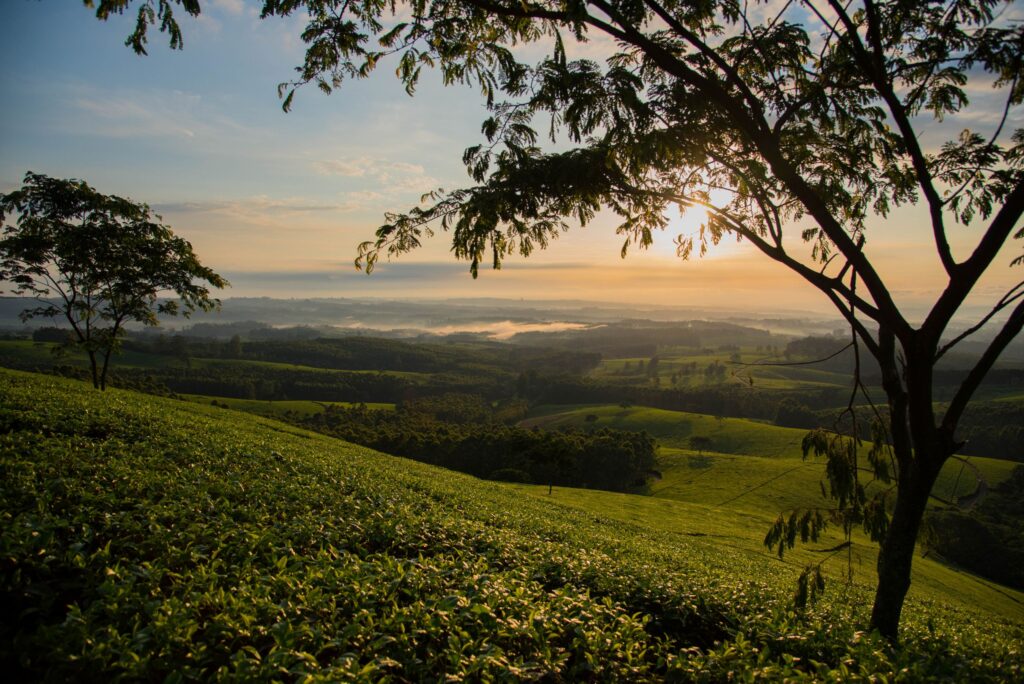
Having previously lived in Sri Lanka and worked around tea estates, these landscapes hold a particular appeal for me.
Huntingdon House is full of character, with beautiful grounds, excellent food and all the quirks of a historic colonial-era estate house.
One of my favourite moments of the journey was enjoying sundowners among the tea plantations, overlooking the surrounding highlands.
Our excellent guide brought the estate’s history and tea production to life.
The area’s remaining pockets of indigenous highland forest also offer rewarding opportunities for specialist birdwatching.
Huntingdon House works beautifully at either end of a southern Malawi itinerary, and was the perfect finish before flying out of Blantyre.
Is Malawi a Good Alternative to Kenya or Tanzania?
Having experienced Malawi again, I believe it offers a compelling alternative for travellers seeking something different.
A carefully planned Malawi safari and beach holiday can combine outstanding elephant encounters, authentic safari camps, beautiful lakeside accommodation, mountain hiking, specialist birdwatching and fascinating cultural experiences.
Importantly, much of this can be achieved without needing expensive internal flights.
Can Malawi Offer Better Value?
It certainly can, depending on accommodation choices and how the journey is arranged.
Malawi won’t replace Kenya or Tanzania for travellers whose priority is the Great Migration or consistently high densities of big game.
But for families looking for wildlife, adventure and beach relaxation, it can be a fantastic option.
A combination of Mvuu Camp and The Makokola Retreat, for example, offers excellent safari activities followed by a relaxed lakeside holiday.
For experienced travellers, combining Kuthengo, Majete and the Thyolo tea estates creates something entirely different.
The flexibility to balance affordable accommodation with more exclusive experiences is one of Malawi’s greatest strengths.
How Long Should You Spend in Malawi?
My nine-night journey was an intensive exploration of several destinations and properties.
For most clients, I would recommend a slower pace.
Ten to fourteen nights gives you time to enjoy a safari and lake combination properly, with opportunities to introduce Zomba, Majete or the tea estates depending on your interests.
Choosing which destinations to leave out is often just as important as deciding what to include.
Final Thoughts: Why Malawi Deserves More Attention
Returning to Malawi was something I’d wanted to do for a long time.
I arrived with fond memories, plenty of curiosity and a fairly critical eye when it came to the wildlife.
I left genuinely impressed.
The transformation of Liwonde and Majete is extraordinary, the accommodation can be exceptional, and the diversity of experiences is remarkable.
One day we were watching elephants from a boat on the Shire River. Another we were snorkelling among colourful fish in Lake Malawi. Then we were hiking through mountain forests, tracking lions or enjoying sundowners overlooking tea plantations.
It’s this variety that makes Malawi so special.
For families, it offers wildlife, adventure and lakeside relaxation. For experienced safari travellers, there are new landscapes to explore.
For birders and nature lovers, it is a destination deserving far more recognition.
Malawi won’t be right for every safari holiday, but for the right traveller, it can be absolutely exceptional, get in touch now for a friendly chat to start planning your dream safari.
Some images used in this blog are the property of our partners. Please contact us for more details.
Notes from the Field - Uganda
What is Uganda really like on the ground?
Our very own Senior Sales Consultant, Rosanna Pile, recently travelled through the country and came back with plenty to share.
From thrilling wildlife encounters, discovering new lodges to unforgettable moments in the forest, here’s her first-hand account of travelling through Uganda.
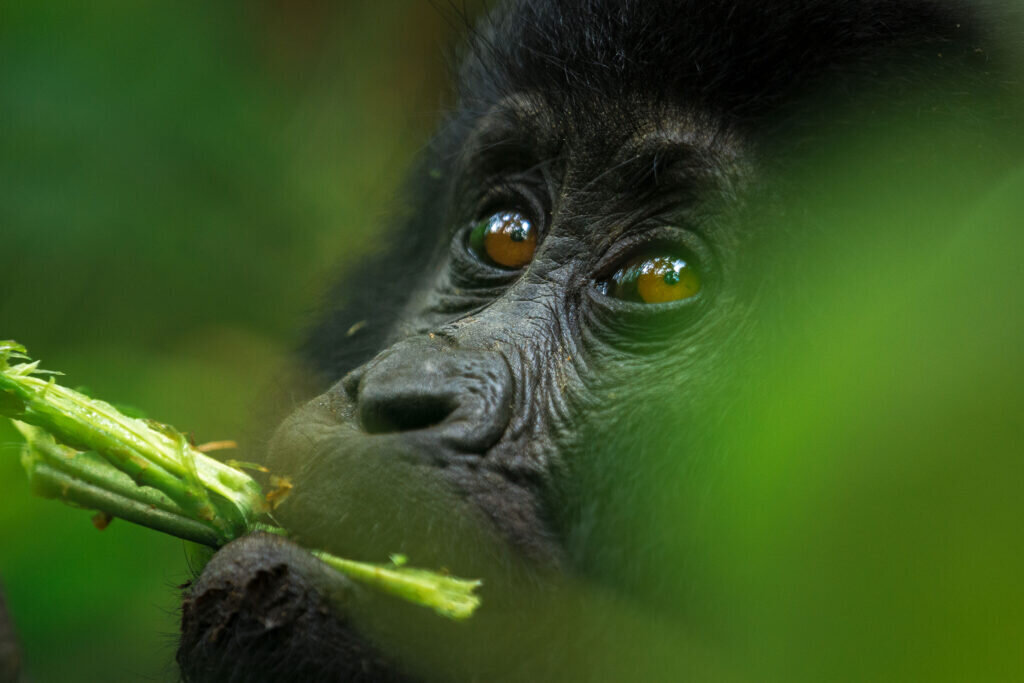
When most travellers dream of Uganda, two iconic images instantly spring to mind: deep, mist-wrapped rainforests and the soul-stirring eyes of a mountain gorilla. And while standing just meters from these gentle giants is unquestionably one of planet Earth’s ultimate bucket-list privileges, focusing solely on primates misses half the magic of this extraordinarily varied country.
I recently embarked on a fact-finding journey through Uganda to explore its rich tapestry of landscapes, wildlife, and luxurious new retreats.
From tracking white rhinos on foot and witnessing the thunderous power of Murchison Falls to discovering Asilia’s breathtaking new sanctuary perched on the edge of Bwindi Impenetrable Forest, Uganda proved itself to be a country with surprises around every corner.
On foot with Rhinos and High in the canopy at Budongo Forest
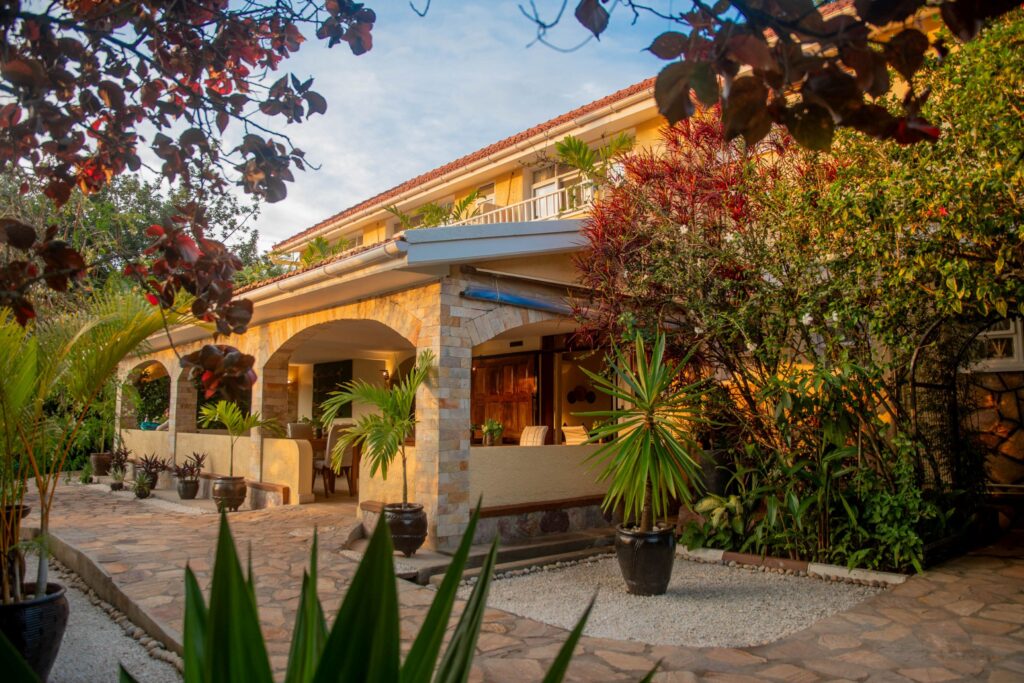
My journey began with a peaceful overnight stay at Karibu Entebbe, a charming boutique hotel within easy reach of the airport and the perfect spot to brush off the flight before setting out. The following morning, I set off with my private guide on a four-day overland expedition organized by the wonderful team at Experience Uganda.
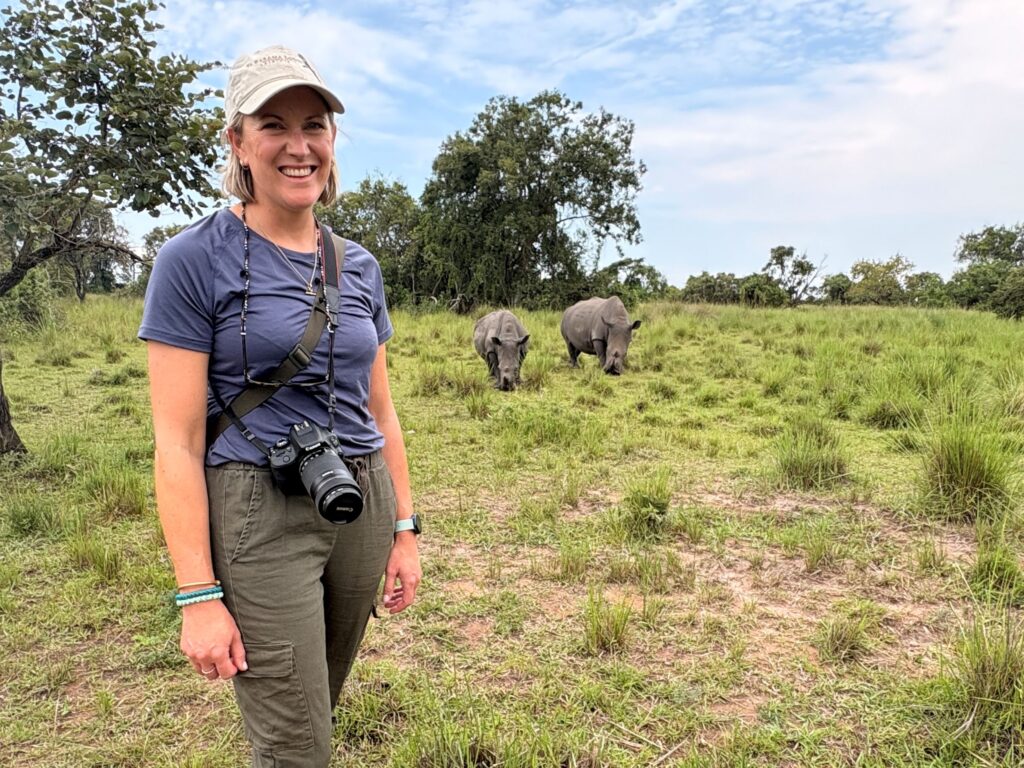
Leaving the bustle of Entebbe behind, our first destination was the Ziwa Rhino Sanctuary. Established in 2005 to reintroduce Southern White Rhinos back into the wild, the project started with just six rhinos and has flourished to around 50 today.
Accompanied by one of the sanctuary’s dedicated rangers, we set off on foot into the bush. There is a heart-pounding thrill to tracking these gentle giants on foot, and coming face-to-face with them in their natural habitat was an unforgettable start to the trip.
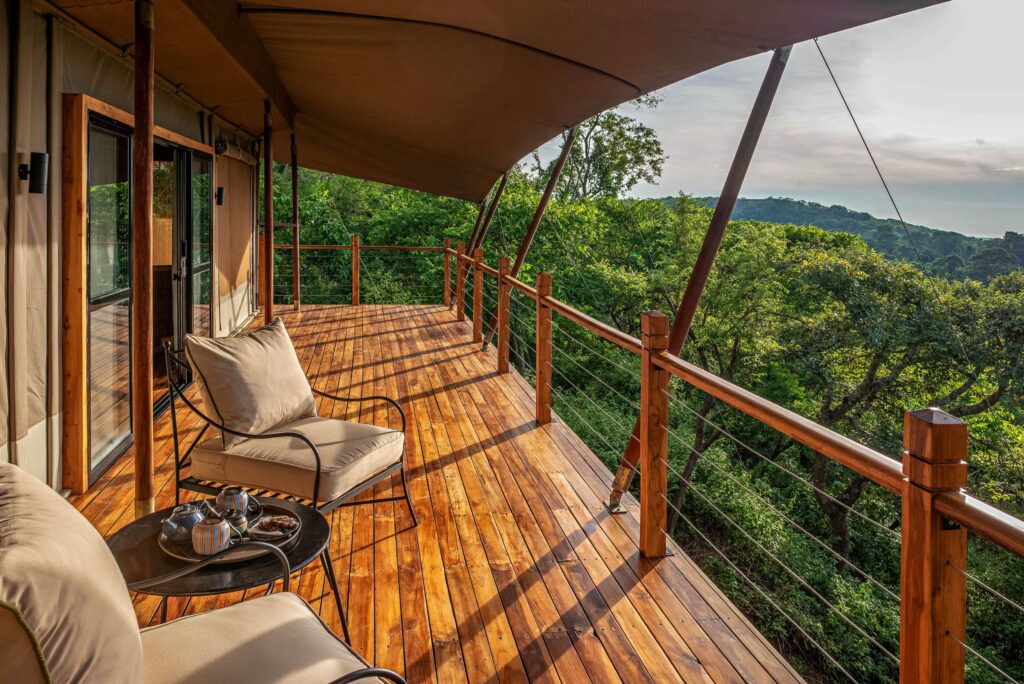
Back on the road, we arrived at the beautiful new Padibi Lodge by Great Lakes, situated right on the fringe of the sprawling Budongo Forest. It is an intimate, beautifully finished base that places you directly on the doorstep of one of East Africa’s most vibrant ecosystems.
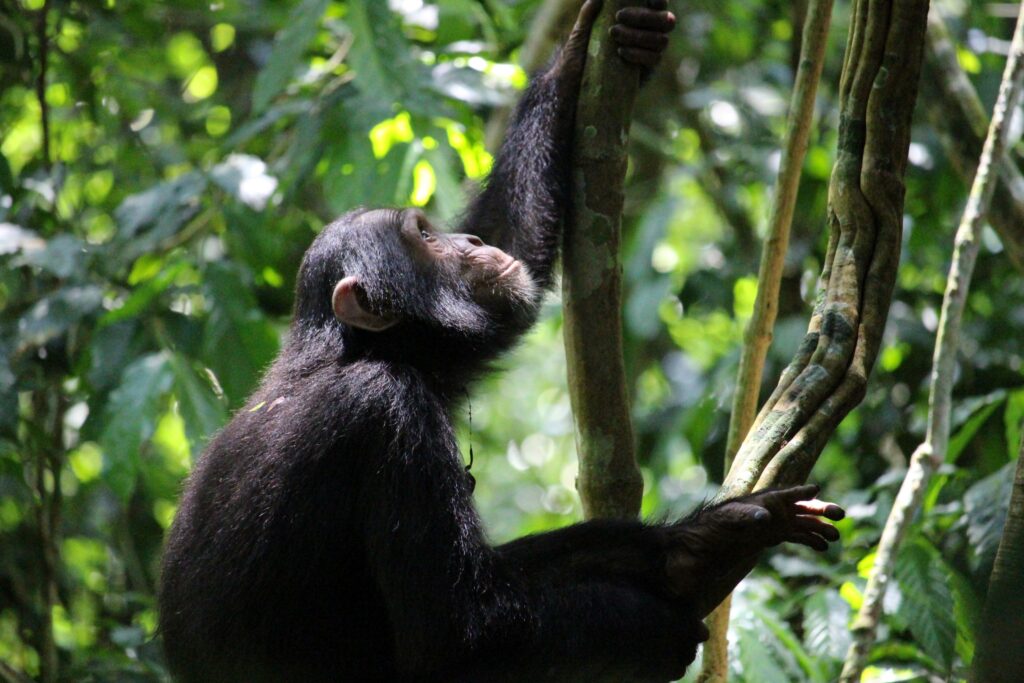
The following morning brought my first Uganda primate encounter: chimpanzee trekking in Budongo Forest.
A scenic 50-minute walk through the lush undergrowth brought us within ten meters of a wild chimp community. For two mesmerizing hours, we followed them through the canopy as they played, groomed, and communicated, very loudly, with each other.
The sheer volume of their calls was staggering; drum-like hooting echoed through the trees as they coordinated movements to nearby feeding areas. It was raw, energetic, and completely spellbinding.
Game Drives and Roaring Waters at Murchison Falls
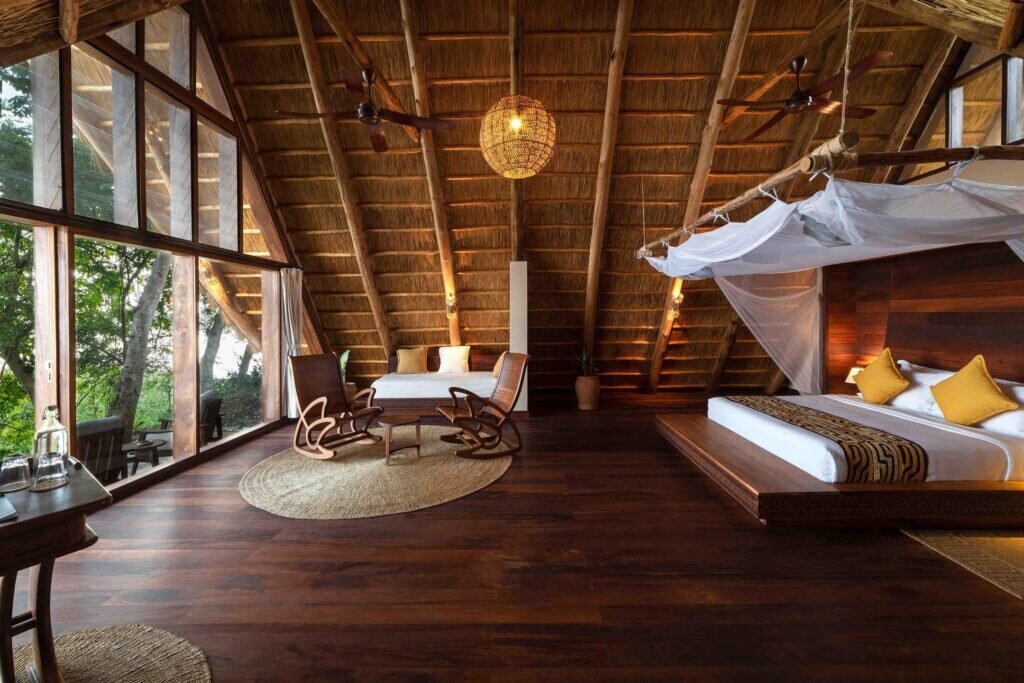
From Budongo, a short one-hour drive brought us to the shores of the Victoria Nile and the Nile Safari Lodge. Featuring exceptionally spacious timber suites, a stunning open-sided dining area, and an infinity pool directly overlooking the river, it is a magnificent lodge from which to explore Murchison Falls National Park.
That afternoon, we ventured out into the park for a game drive into the Murchison Falls National Park. The sheer diversity of wildlife was fantastic and delightfully unexpected: within a few hours, we spotted lions lounging in the shade, herds of giraffe silhouetted against the setting sun, elephants, impala, and even a rare, elusive striped hyena.
The following morning started early, always my favourite time of day in the bush. Watching the landscape come alive as the sun rises, topped off with a delicious breakfast spread served right in the middle of the savannah, is hard to beat.
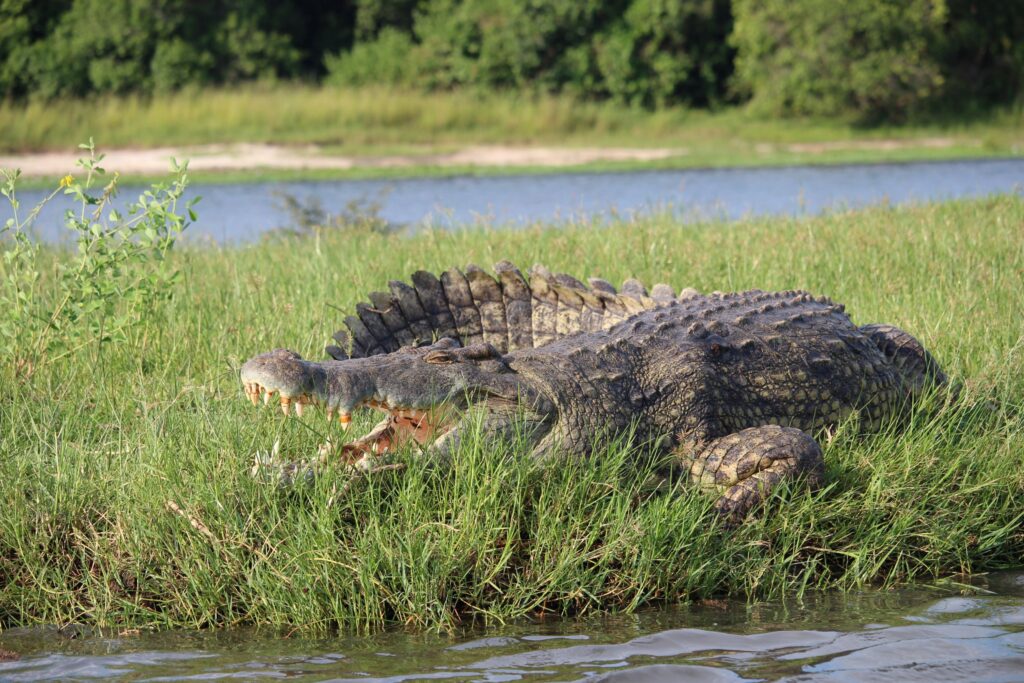
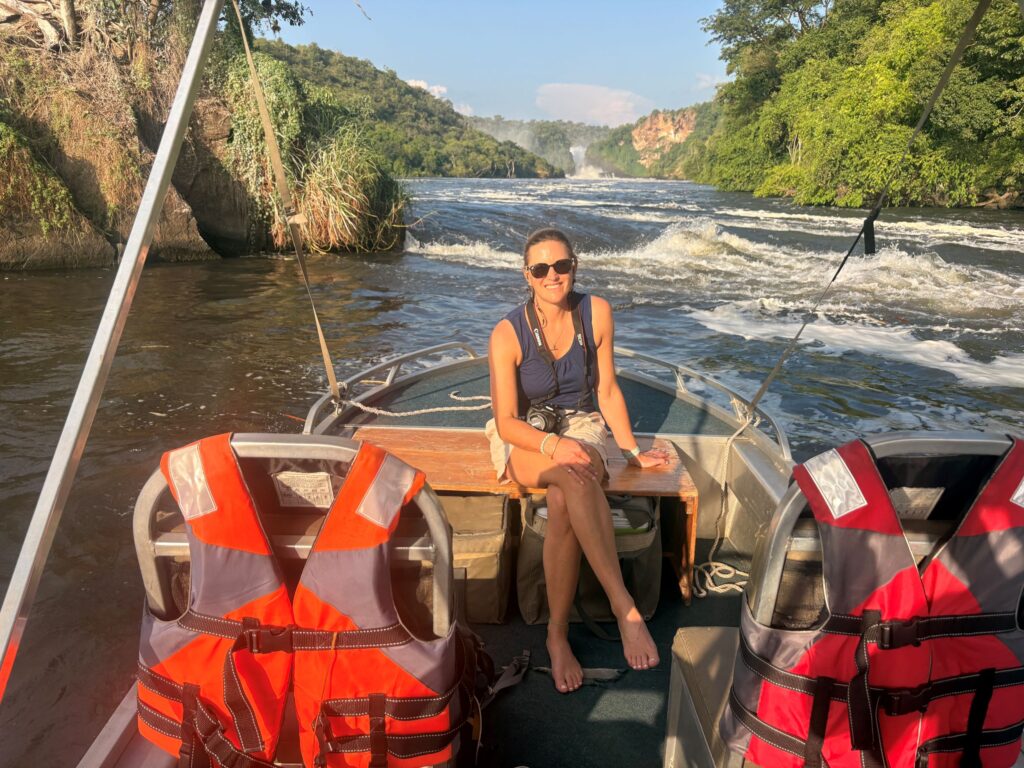
After lunch and an hour relaxing at the lodge, I boarded a private boat for a sundowner river cruise along the Victoria Nile. We floated lazily past wallowing hippos, Nile crocodiles, water buffalo hiding in the reeds, and an unbelievable array of birdlife.
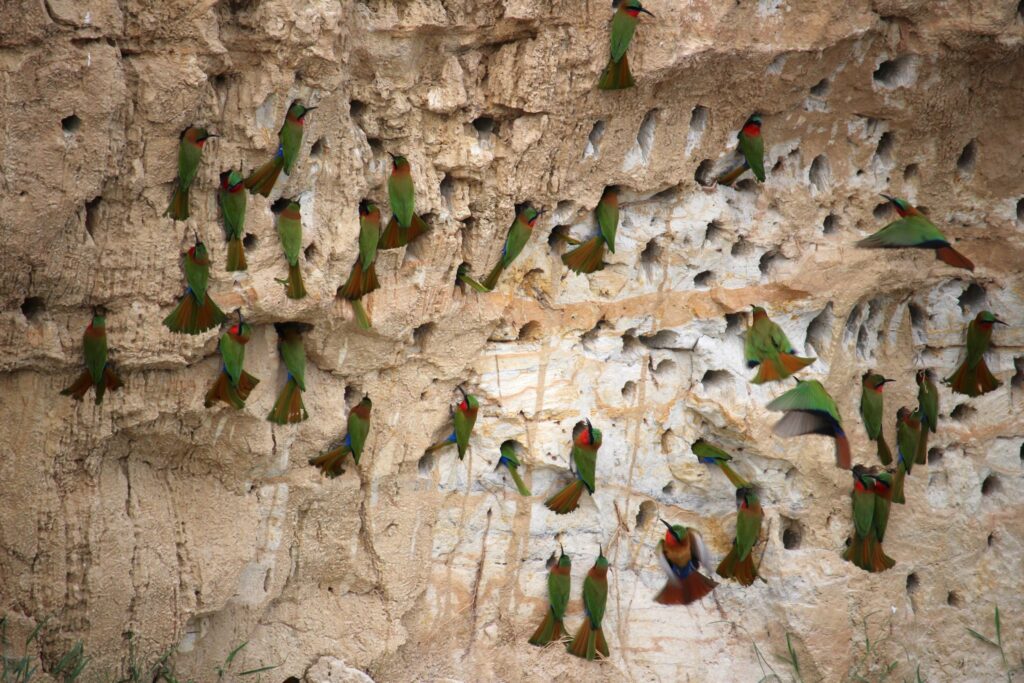
My personal highlight, sitting quietly on the water, watching vibrant, red-breasted bee-eaters darting in and out of the riverbanks.
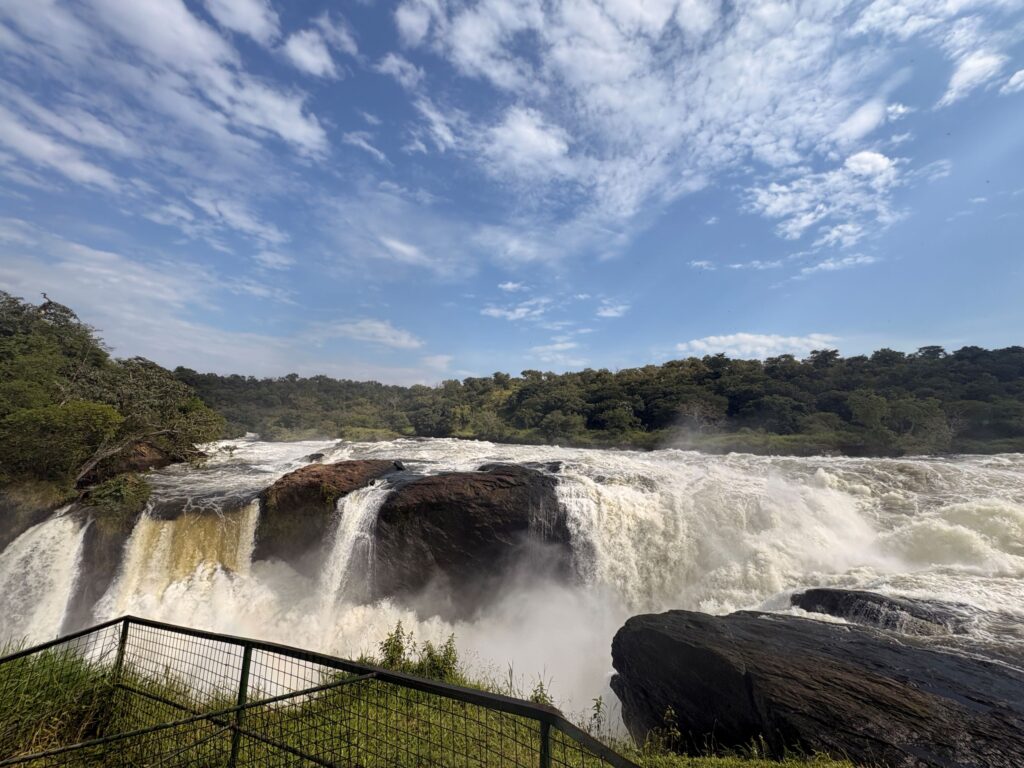
As we drifted further upstream, a deep, rumbling thunder began to vibrate through the air. Suddenly, the legendary Murchison Falls burst into view.
Known as the most powerful waterfall in the world, the entire width of the massive Nile River is violently squeezed through a narrow seven-meter rocky gap, churning into a frothing cauldron of spray and rainbows.
Before bidding farewell to Nile Safari Lodge the next day, I took a guided walk to the top of the falls.
Standing at the brink, gazing down into the roaring “Devil’s Cauldron” and taking in views of the adjacent Uhuru Falls framed by dazzling rainbows, was a true highlight of the northern circuit.
Into the Mist at Asilia’s Erebero Hills
Leaving Murchison behind, I returned to Entebbe for the night before catching a short scenic flight to Kihihi airstrip, the gateway to the legendary Bwindi Impenetrable National Park.
The two-hour drive from the airstrip up towards Bwindi gives you a real sense of rural Ugandan life.
We wove through bustling villages, passed terraced hillsides dotted with tea and coffee plantations, and drove alongside traditional brick kilns smoking by the roadside.
Soon, the smooth tarmac gave way to classic, rich orange dirt roads. As our vehicle climbed steadily into the highlands, the air grew noticeably crisp and cool.
Just as we reached the forest boundary, a gentle mountain rain began to fall. In that exact moment, the famous phrase Gorillas in the Mist shifted from a catchy book title to a tangible, breathtaking reality.
Bwindi Impenetrable Forest consists of two large green forest zones connected by a narrow neck of protected land. The winding mountain road to Erebero Hills takes you right through this narrow strip, offering unbelievable views on either side where rich emerald-green tea plantations cover the valleys.
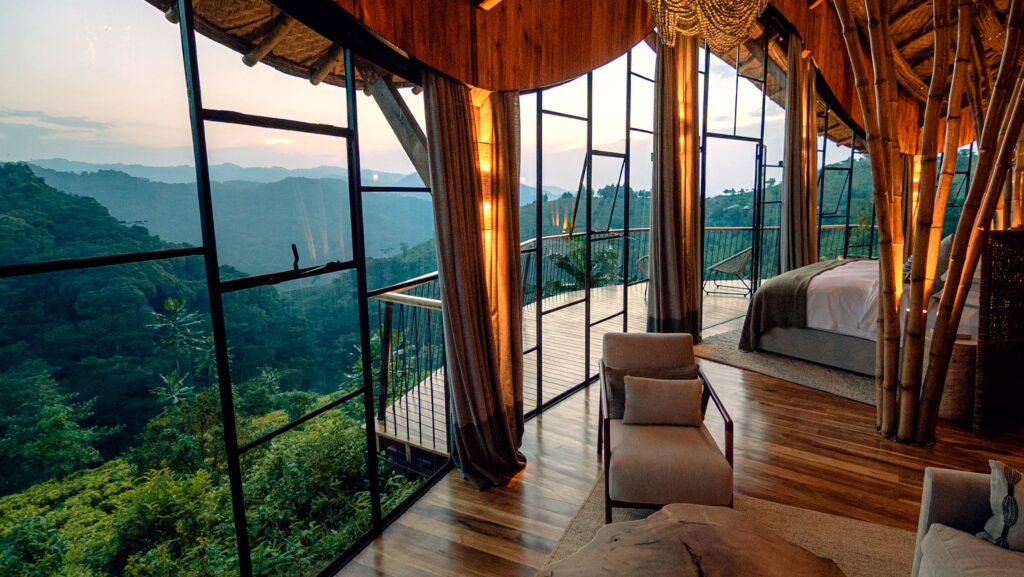
Then, as we crested a final ridge, we arrived at Erebero Hills, Asilia’s very first lodge in Uganda.
In the local language, Erebero translates to “a place where you can see far,” and the location lives up to its name in every way.
Perched dramatically on the hillside, the lodge looks directly across a deep valley where the ancient trees of Bwindi rise up like dense, towering florets of broccoli on the opposite slope. Architecturally, it is an absolute masterpiece, featuring eight intricately eco designed forest suites with uninterrupted, sweeping views across the misty forest canopy.
The Main Event: Gorilla Trekking in Ruhija
Waking up early to the sounds of the forest certainly set the scene for the day ahead, mountain gorilla trekking in the Ruhija section of Bwindi.
After a briefing at the headquarters, and some entertaining dancing, we were given our gorilla family: the Happy group (a dynamic breakaway group from the famous Orunzogo family).
Accompanied by local porters, whose steady hands and encouragement proved invaluable as we navigated the steep forest slopes, we trekked upward through dense vegetation for an hour and a half.
Eventually, the nearby park rangers who monitor the troop called out from the bush ahead. A few steps through the thick foliage, and there they were…
Our very first sighting took our breath away: a massive, majestic silverback sat quietly in a small clearing, keeping a watchful, protective eye over a mother cradling her tiny infant. Moments later, the family’s playful toddlers stole the show tumbling over vines, wrestling in the leaves, and chasing each other up low-hanging branches.
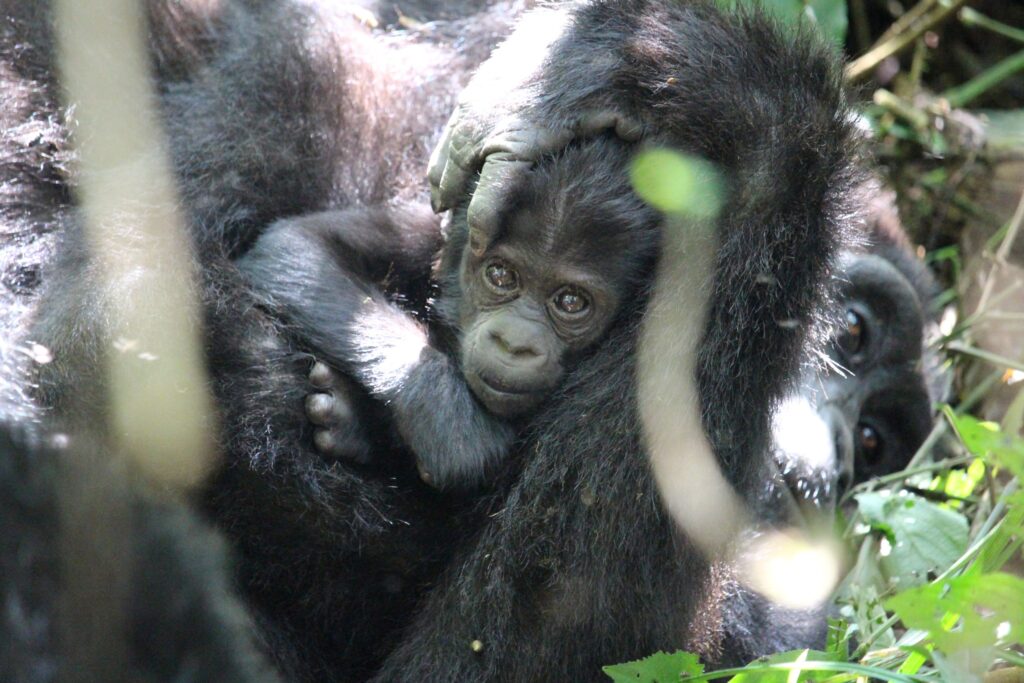
For one full hour, we sat in spellbound silence, absorbing the privilege of sharing the same mountain air with these incredible creatures. Gorilla trekking is truly a once-in-a-lifetime adventure. Nothing compares to the heart-pounding, humbling magic of standing just meters away from a gorilla family in the wild.
Beyond the unforgettable thrill, every trekking permit directly supports local conservation, funding dedicated rangers, anti-poaching patrols, and the critical protection of the ancient forests these gorillas call home.
Returning to Erebero Hills mid-afternoon, brimming with joy and awe, we spent the remainder of the day indulging in soothing foot massages by the stunning pool to revive our weary feet.
Beyond the Gorillas: Swamps, Endemics, and Cultural Heritage
While the gorillas are the undeniable stars, staying at Erebero Hills opened our eyes to the rich, often overlooked layers of Bwindi.
We embarked on an energetic 12 km walk into the Mubwindi Swamp, an absolute paradise for birdwatching enthusiasts.
Bwindi is home to numerous Albertine Rift endemics, and we were treated to clear sightings of the rare African Green Broadbill, a species endemic to this specific pocket of the park! Alongside it, our guides pointed out the striking Rwenzori Batis and the vibrant Cinnamon-chested Bee-eater.
It was a long trek with several steep climbs but infinitely rewarding.
Perhaps the most poignant chapter of our journey was spending time learning about the Batwa people, the indigenous hunter-gatherers who were the original custodians of the forest before it was designated a national park.
Because the Batwa no longer live inside the national park boundaries, Asilia has partnered with Change a Life Bwindi on an inspiring long-term project to support sustainable livelihoods, reforestation, and education in the region.
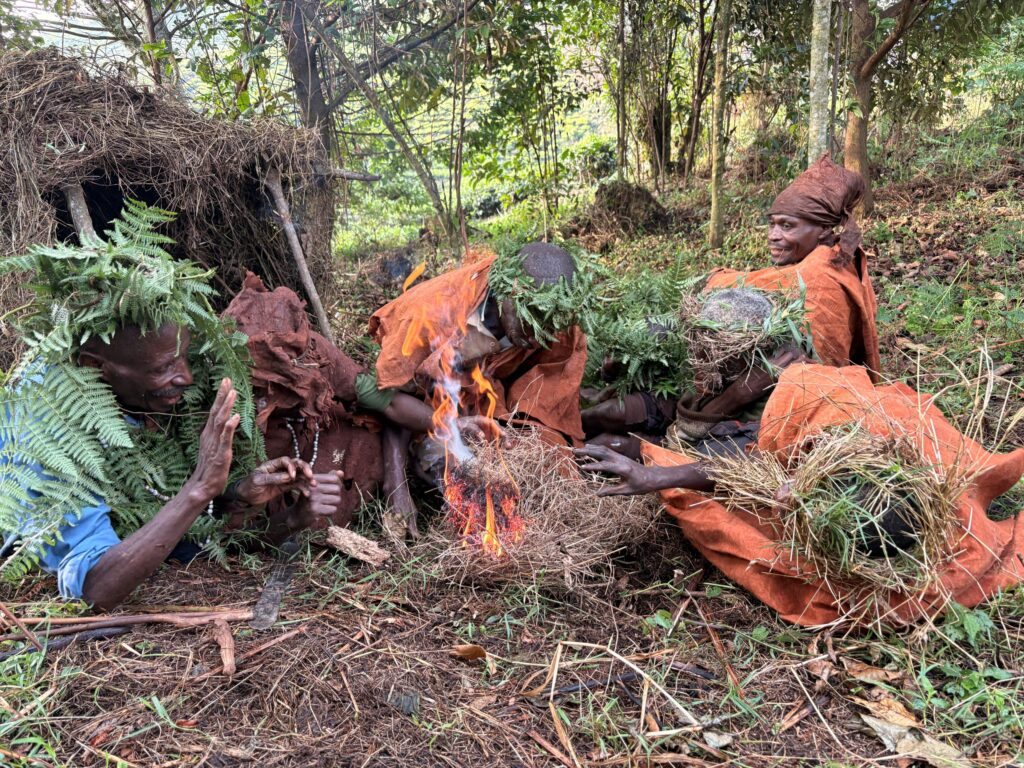
Through the Batwa Cultural Experience, guided directly by community members, we gained profound insight into a way of life shaped by the forest over thousands of years.
They demonstrated how various forest roots, leaves, and bark provide powerful natural remedies, shared traditional tracking techniques, and explained how their ancestors lived in complete, sustainable harmony with nature.
Leaving with a Soulful Passion for Uganda
As our light aircraft lifted off the runway at Kihihi for the flight back to Entebbe, I looked down at the rich green folds of Uganda fading into the distance.
Sitting meters away from a silverback gorilla or listening to chimps call through the rainforest canopy are bucket-list moments that will stay with me forever.
But Uganda’s true magic lies in everything that happens between those moments: the roar of Murchison Falls, the vibrant green tea plantations, the warm local villages, and the deep cultural heritage of the Batwa people.
Uganda is so much more than a primate destination, it is one of Africa’s most complete, captivating, and soulful journeys get in touch now for a friendly chat to start planning your dream safari.
Some images used in this blog are the property of our partners. Please contact us for more details.
The Art of Safari - What's your style?
There’s no such thing as a ‘standard’ safari.
A tailor-made African safari holiday can be as adventurous, luxurious, immersive or relaxing as you want it to be.
Whether you’re planning a family safari, a romantic honeymoon, a multi-generational adventure or your very first safari in Africa, the beauty is that your experience can be designed around you.
Africa has a way of getting under your skin. The wide-open spaces, glittering night skies and extraordinary wildlife can make everyday life suddenly feel very far away. Around a simple campfire, beneath a sky full of stars, people often tell us that their lives have been thrown into sharp perspective.
You feel very small in a big, wild world.
And somehow, that’s part of the magic.
A journey through Africa has a way of humbling you. It allows you to cast off the attachments and responsibilities of everyday life and reconnect with something much more instinctive – with nature, with the people around you and, perhaps most importantly, with yourself.
It can feel a little like coming home.
So, when we’re helping you plan your African safari, we don’t always start with where?
We start with why?
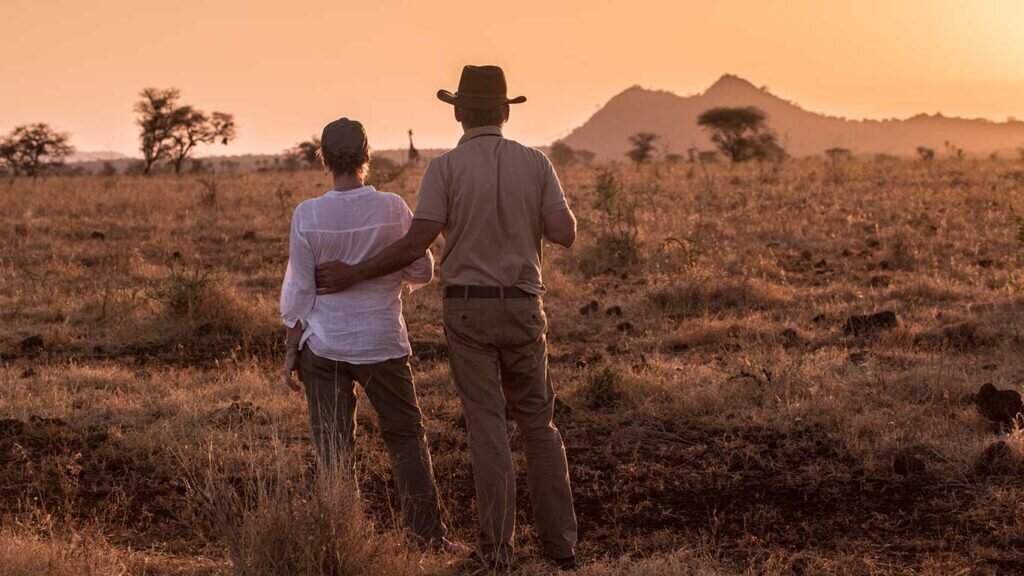
How do you want to feel?
Perhaps you want to reconnect with nature and give your children the freedom to experience the wild away from screens and schedules.
Perhaps you’re looking for the ultimate wilderness adventure, with heart-in-your-mouth wildlife encounters and exhilarating activities.
Maybe you’re dreaming of precious family time, sharing extraordinary experiences that you’ll still be talking about around the dinner table years later.
Or perhaps you want to disappear completely. A beautiful, intimate retreat where days unfold slowly, with nothing more pressing than deciding whether to have your G&T before or after your afternoon game drive.
It could be all of these things.
From making eye-to-eye contact with our closest cousins on a gorilla trekking safari, to sipping a crisp G&T as the African sun sinks over the savanna from your luxury lodge, there are countless ways to experience Africa.
Once we know your ‘why’, we can work out the ‘how’.
Here are just some of the elements that can shape your tailor-made safari.
Where will you stay?
Your accommodation can completely change the feel of your safari. From beautifully designed luxury lodges to intimate mobile camps, the right place to stay is an important part of creating your perfect African safari holiday.
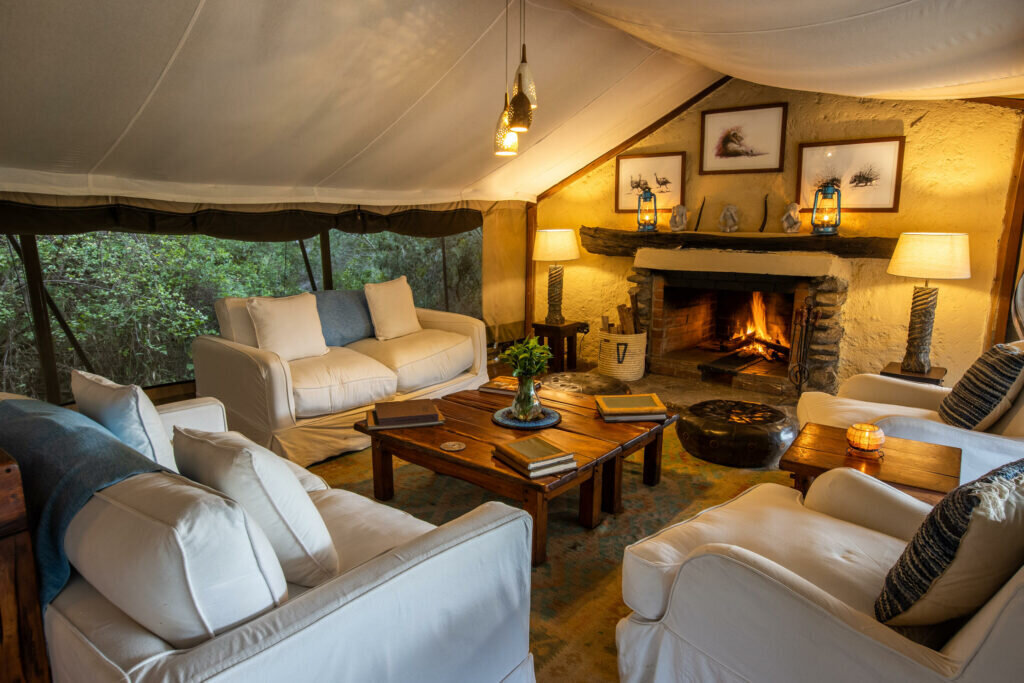
Permanent Tented Camp
Don’t let the word tent fool you.
Permanent tented camps can be wonderfully luxurious spaces, often with proper beds, en-suite bathrooms, hot showers and private decks overlooking the wilderness.
The beauty is being immersed in nature while retaining all the comforts you’d want after a day exploring. You may fall asleep to the distant call of an owl or wake to the sounds of the bush coming alive.
Our Top 5 Tented Safari Camps for Families
Luxury Safari Lodge
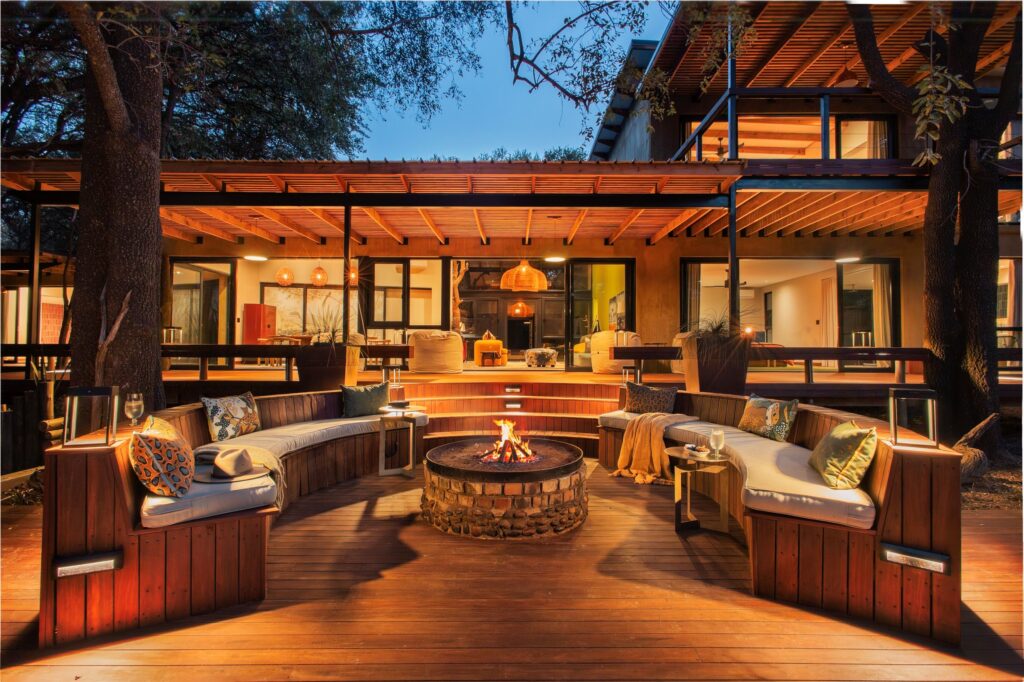
For those who love their creature comforts, a luxury safari lodge can offer the ultimate combination of wilderness and indulgence.
Think beautiful interiors, exceptional food, swimming pools, spa treatments and spectacular views, all with wildlife right on your doorstep.
The 5 Best Safari Lodges for families in East Africa
Mobile Safari Camp
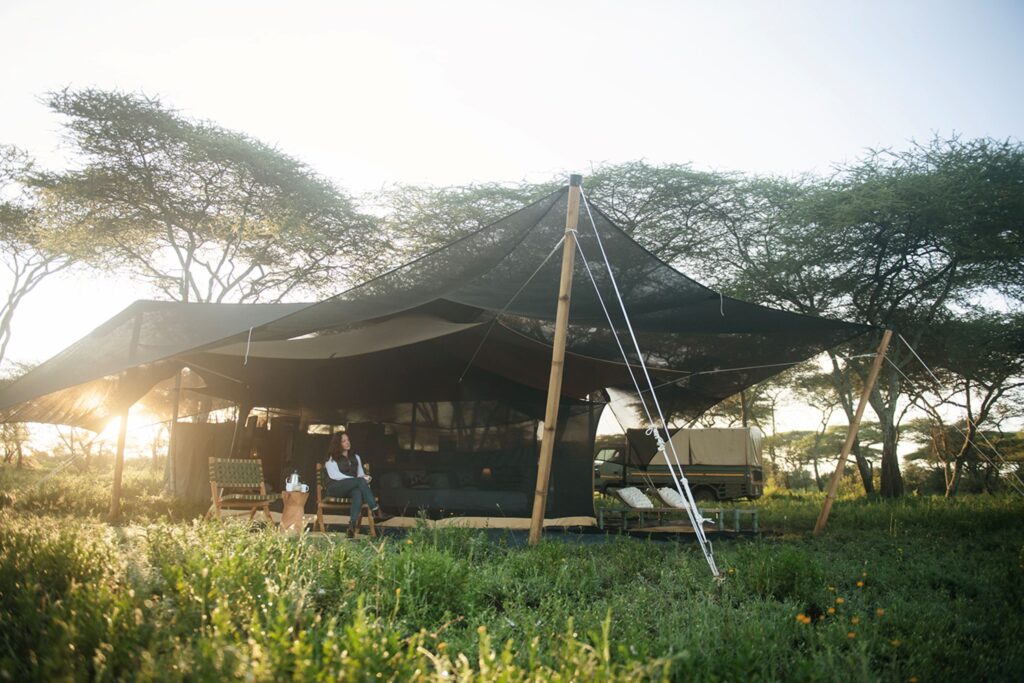
For the more adventurous, a mobile safari offers an experience closer to the way safari was originally enjoyed.
Your camp moves with you, allowing you to explore different areas while keeping the luxury element. With fewer permanent structures and a wonderfully intimate atmosphere, it’s a fantastic way to feel genuinely connected to the landscape.
Safari Lodge or Tented Camp? Which one is right for your Family?
Fly-In Safari
Sometimes the most extraordinary places are the hardest to reach.
Domestic charter flights and small aircraft can whisk you from one wilderness area to another, landing on remote airstrips that bring some of Africa’s most exclusive and untouched destinations within reach.
And for those looking for something truly unforgettable, there are also helicopter safaris, taking the concept of ‘game drive’ to an entirely different level.
Self-Drive Safari
For independent spirits, self-drive safari holidays in South Africa and Namibia can be an incredible adventure.
You set the pace, choose where to stop and have the freedom to explore together as a family. It can be a wonderfully rewarding way to travel and a fantastic opportunity for some serious family bonding along the way.
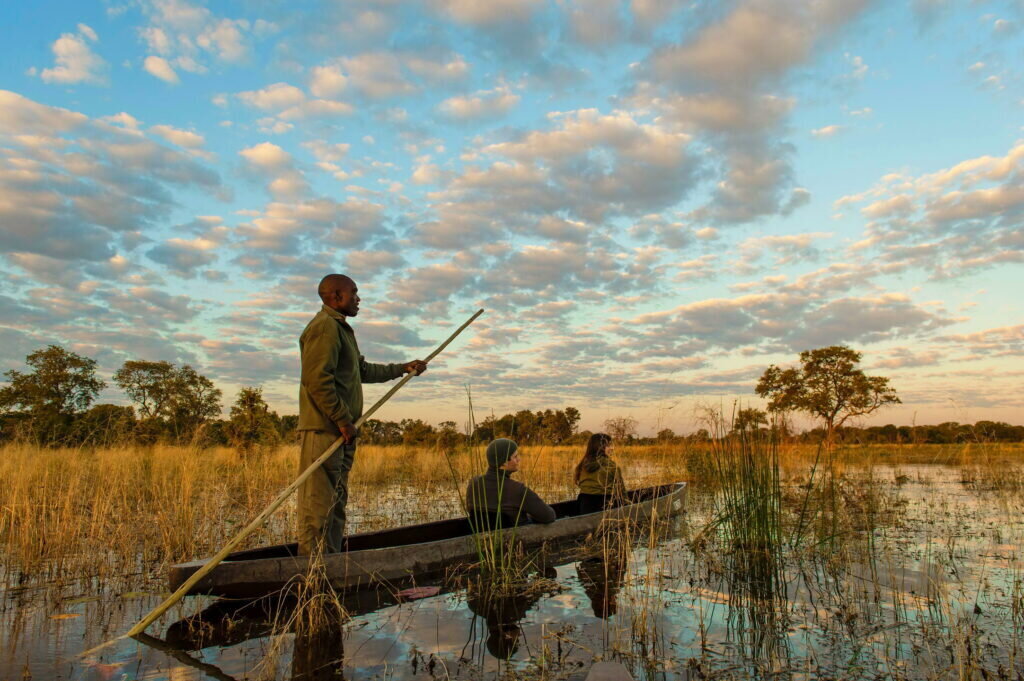
Water-Based Safari
Africa isn’t all about the savanna.
From the Okavango Delta and its waterways to the great rivers, lakes and Indian Ocean coastline, water can become a central part of your safari.
Canoeing, boating, fishing and simply watching wildlife from the water offer a completely different perspective.
What do you want to experience?
The best safari isn’t necessarily about ticking off the ‘Big Five’. It’s about choosing experiences that make your heart beat a little faster.
Game Drives
The classic safari experience, heading out with an expert guide in search of wildlife.
Every drive is different, and half the thrill is never knowing what might appear around the next corner.
Night Drives
As the sun disappears, an entirely different world awakens.
Night drives offer the chance to see nocturnal creatures and experience the bush in a completely different atmosphere, often with only the beam of a spotlight illuminating the darkness.
Walking Safaris
Leave the vehicle behind and experience Africa on foot.
A walking safari brings you closer to the smaller details of the wilderness tracks, plants, insects and birds while giving you a much more intimate understanding of the landscape.
Once-in-a-Lifetime Wildlife
Have a particular wildlife dream?
Perhaps you want to witness the extraordinary spectacle of the Great Migration, spend hours watching elephants, discover rare predators or indulge a lifelong passion for birding.
Your wildlife wish list can help shape the entire itinerary.
Active Adventures
Safari can be as energetic as you want it to be.
Gorilla trekking, horse riding, white-water rafting, volcano hikes, fishing and helicopter excursions can all be woven into your journey for those who want a little more adrenaline.
Mokoro & Canoe Safaris
Glide quietly through waterways in a traditional mokoro or canoe, often getting wonderfully close to wildlife without the sound of an engine.
It’s peaceful, immersive and a beautiful way to experience the rhythm of the African wilderness.
Boat Safaris
From rivers and lakes to the waterways of the Okavango Delta, boat safaris offer a completely different perspective on wildlife, particularly elephants, hippos, crocodiles and an extraordinary variety of birdlife.
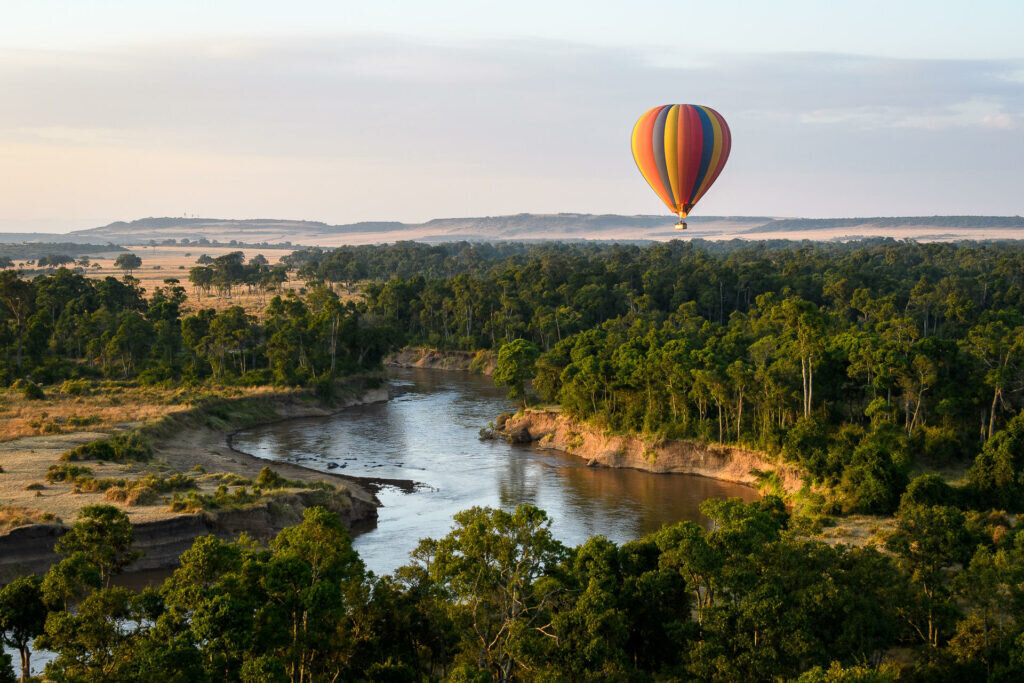
Balloon Safaris
There are few better ways to appreciate the scale of Africa than from above.
Drifting silently over the savanna as the sun rises, watching the landscape slowly come to life below you, is one of those experiences that stays with you long after you return home.
Cultural Connection
Africa is about so much more than wildlife.
Meeting local communities and learning about the people, traditions and cultures of the places you visit can add another deeply meaningful dimension to your journey, creating connections and memories that go far beyond the safari vehicle.
Who are you travelling with?
The people you travel with will shape your safari just as much as the destination.
Family Safari Holidays
A family safari holiday can be extraordinary for children. Seeing animals in the wild, learning from expert guides and spending uninterrupted time together creates memories that are difficult to replicate anywhere else.
We’ll consider ages, interests, travel pace and family-friendly camps to make sure everyone gets something from the experience.
Couples & Honeymoon Safaris
From a private bush camp and candlelit dinners beneath the stars to a beach escape afterwards, a safari honeymoon makes for an unforgettable adventure.
It can be adventurous, indulgent, intimate or all three.
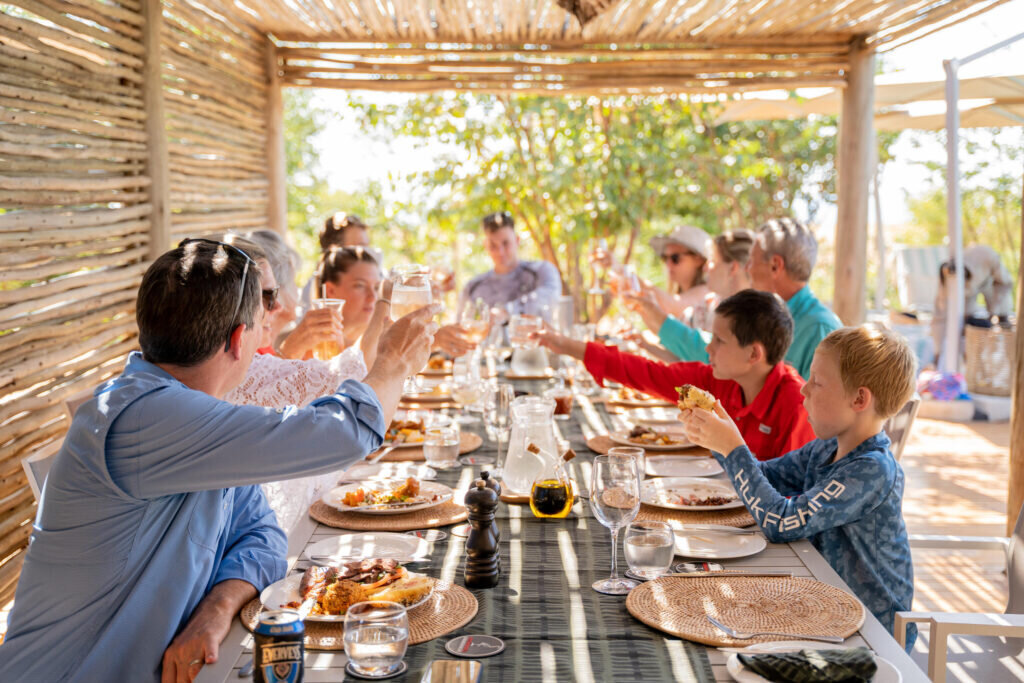
Multi-Generational Safaris
Three generations travelling together?
Africa can be a wonderful way to bring the whole family together.
The key is finding the right balance of activities, accommodation and pace so that grandparents, parents and children can all enjoy the journey in their own way.
Safari Holidays for Retired Travellers
Perhaps now is the time for that long-dreamed-of African adventure.
With the right planning, safari can be wonderfully comfortable and unhurried, with exceptional guides, beautiful accommodation and the option to tailor the level of activity to suit you.
Solo Safaris
Travelling alone can be a wonderfully sociable way to experience Africa. Many camps offer communal dining and shared game drives, making it easy to meet fellow travellers, swap stories and make new friends along the way.
With welcoming camps, expert guides and small groups, solo travel gives you the chance to enjoy an incredible adventure at your own pace, while sharing the experience with like-minded travellers.
So, what’s your safari style?
Perhaps it’s an adventurous family road trip through Namibia.
Perhaps it’s a private tented camp in the heart of the wilderness.
Perhaps it’s gorilla trekking followed by a few blissful days beside the Indian Ocean.
Or maybe it’s simply sitting quietly with the people you love, watching the sun set over the savanna, knowing that for a little while there is nowhere else you need to be.
There is no right way to do safari.
There’s only your way.
And that’s where we come in.
We don’t believe in simply booking an African safari holiday. We believe in understanding what you want to feel, who you’re travelling with and what will make the journey genuinely special to you then crafting your African adventure around it.
Because the best safari isn’t the one with the longest list of experiences.
It’s the one that feels like it was made just for you.
Not sure what your safari style is yet? That’s exactly what we’re here for. Get in touch now for a friendly chat to start planning your dream safari.
Some images used in this blog are the property of our partners. Please contact us for more details.
Typical Day on Safari: What to Expect from Sunrise to Sundowners
From adventure seeking early morning game drives and lazy afternoons to sundowners beneath African skies, discover what a day on safari is really like.
If you’ve never been on safari before, you may wonder what a typical day on safari actually looks like.
Do you spend all day in a vehicle? What time do you get up? What happens between game drives? And, perhaps most importantly for families, will the children enjoy the rhythm of safari life?
The wonderful thing is that safari days tend to have a natural rhythm rather than a rigid timetable.
There are early starts and exciting wildlife encounters, but also plenty of time to relax, swim, read, explore camp and simply enjoy being in the bush.
And while every safari is different, this is a little taste of what to expect on an African safari.
What time do you get up on safari?
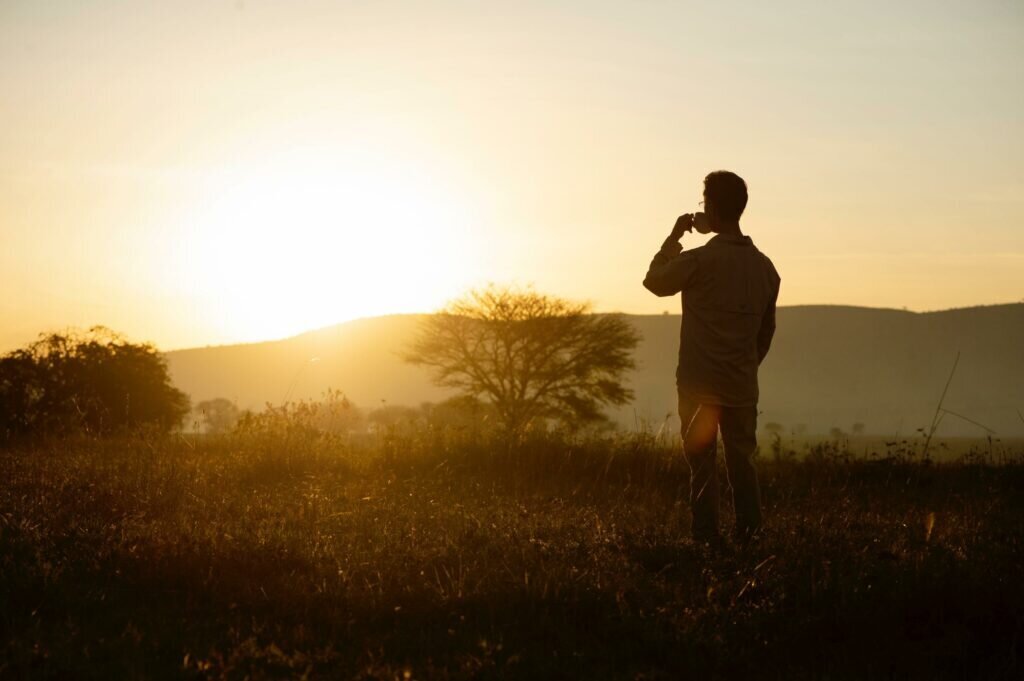
Safari often starts early, but there is something rather magical about being woken as the African bush comes to life.
Depending on your lodge, camp and the time of year, you might be up before sunrise, with a quick cup of tea or coffee before heading out on your morning game drive.
The cooler early hours are often a wonderful time for wildlife, and the changing light can make for some spectacular sightings.
For families, we can always consider the age of your children and how they cope with early mornings when planning your itinerary.
With private guiding, there is usually much more flexibility to shape the day around your family.
The morning game drive
Your first game drive of the day might begin with no particular plan beyond seeing what the bush has in store.
Perhaps your guide knows where a pride of lions was seen the previous evening.
Perhaps you follow fresh tracks across the road or stop to watch elephants making their way towards water. Sometimes the most memorable sightings are completely unexpected.
A typical safari game drive isn’t simply about ticking animals off a list. Your guide will help you understand what you’re seeing, reading tracks, identifying calls, explaining animal behaviour and revealing the smaller details that might otherwise go unnoticed.
Depending on the camp and your destination, you may return for breakfast, enjoy a picnic or even stop for a bush breakfast in a beautiful spot.
What happens between safari game drives?
This is something many first-time safari travellers don’t realise, you don’t spend the whole day on safari in a vehicle.
After the excitement of the morning, there is usually time to slow down. You might have lunch, relax beside the pool, read on your veranda, watch elephants from camp or simply have a siesta.
For children, this downtime can be particularly important. They can swim, play, draw, read or enjoy some of the activities offered by family-friendly camps and lodges.
It is this balance between adventure and relaxation that makes a family safari holiday work so beautifully.
There is always something happening, but there is also time to do absolutely nothing.
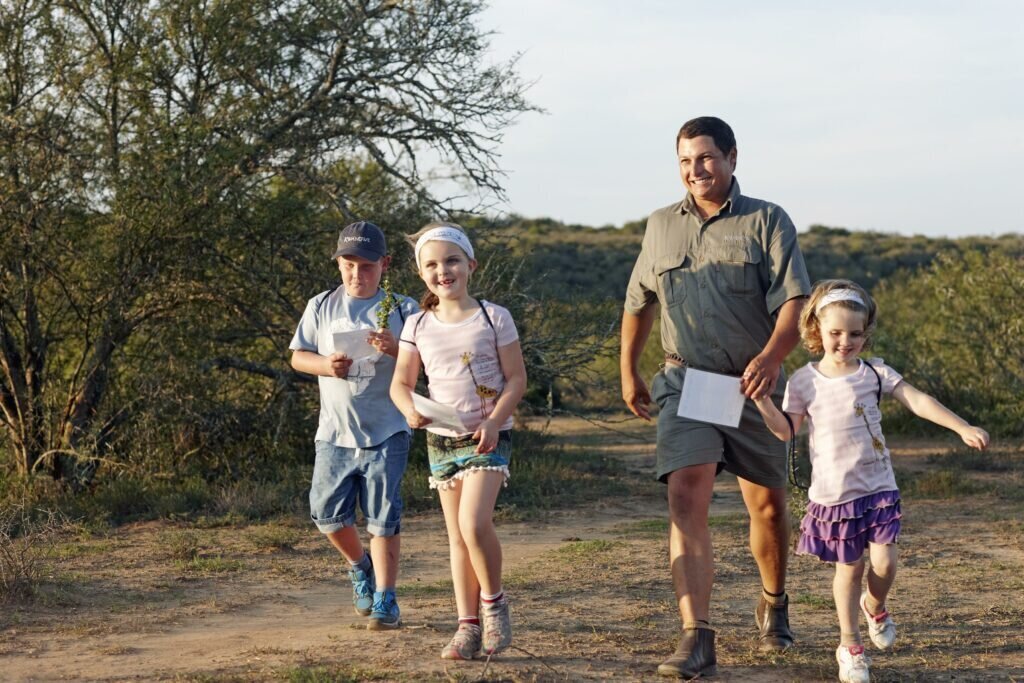
The afternoon game drive
Later in the afternoon, it’s time to head out again.
As the heat begins to soften, wildlife becomes active once more and the landscape takes on that beautiful golden glow that makes an afternoon African safari game drive so special.
You might spend time tracking animals, stop to watch a herd of elephants or simply sit quietly and see what appears.
The pace is rarely hurried. A good guide knows that sometimes the best thing to do is stop, switch off the engine and wait.
For families, this can be one of the loveliest parts of the day, everyone is together, phones are forgotten and there is a shared sense of anticipation about what might appear around the next corner.
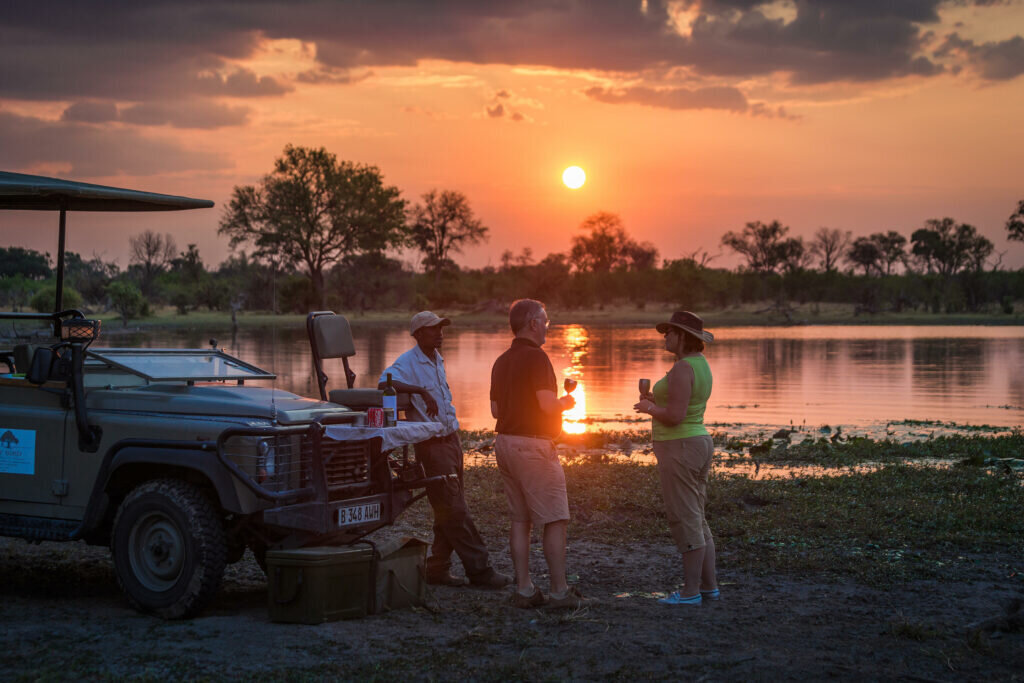
Sundowners in the African bush
As the sun begins to set, your guide may find a beautiful spot to stop for sundowners.
There is something wonderfully simple about standing together as the sky changes colour, with nothing but the sounds of the bush around you.
For children, it can become a highlight in itself, a chance to stretch their legs, have a drink and watch the sun disappear over the horizon.
And then, as darkness falls, the experience changes again.
What happens after the game drive?
Back at camp, there may be dinner around the fire, stories with your guide or time to sit beneath an extraordinary African night sky.
Depending on your destination and camp, you may also have the opportunity to enjoy a night game drive, looking for nocturnal animals such as civets, genets, bush babies and owls.
Some camps offer activities for children in the evenings too, from learning about stars and wildlife to making crafts or enjoying stories around the campfire whilst toasting marshmallows.
Eventually, you’ll head to bed, perhaps to the distant call of a hyena or the sounds of the bush outside your tent.
And then, tomorrow, you get to do it all again.
What is a typical day on safari like with children?
A safari with children doesn’t have to mean following a strict schedule. In fact, we believe the best family safaris are those where the pace has been carefully considered around your particular family.
You might enjoy a shorter morning game drive followed by a swim, spend a full day exploring with a picnic lunch, or swap a game drive for a walking, boating or cultural experience.
Private guiding can be particularly valuable for families because it gives you greater freedom to decide how you’d like to spend your day.
You can follow the wildlife when the excitement is high, but also return to camp when younger legs, or tired parents, have had enough!
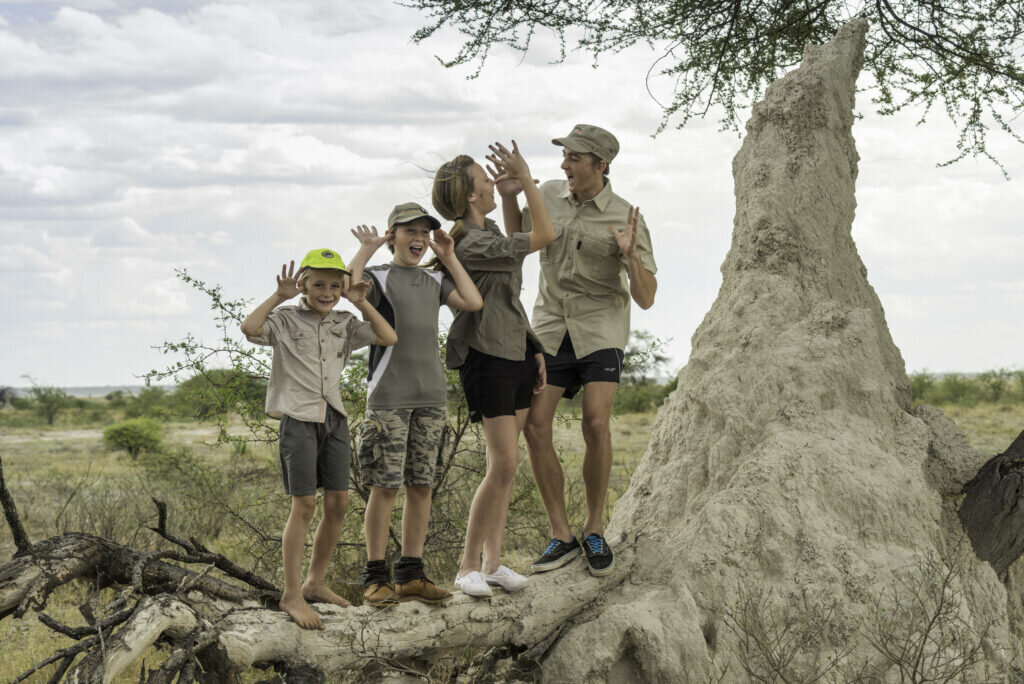
Does every safari follow the same routine?
Not at all. A typical day on safari can look very different depending on where and how you travel.
A walking safari in Zambia, a mokoro excursion in Botswana, gorilla trekking in Rwanda or a family safari in South Africa will each have their own rhythm.
That’s part of what makes safari so special. There is no guarantee of exactly what the day will bring, and that’s rather the point.
When you travel with Coral Tree, we’ll help you choose the right combination of destinations, camps, activities and pace for your family.
Whether you dream of tracking lions at sunrise, floating through the Okavango Delta, meeting local communities or simply having time together beneath African skies, we’ll create a safari that feels entirely your own.
Because a safari isn’t just about where you go. It’s about how you experience it.
Talk to our family safari specialists and we’ll help you work out exactly what you’ll need for your particular adventure.
Some images used in this blog are the property of our partners. Please contact us for more details.
When Is the Best Time to Go on Safari? A Month-by-Month Guide
When is the best time to go on safari?
It is one of the first questions we are asked when a family starts planning an African adventure and understandably so.
Africa’s seasons can have a huge influence on the landscape, wildlife, weather, availability and price of your safari.
The good news is that there is something extraordinary to see throughout the year.
Perhaps you want to witness the Great Migration, watch thousands of newborn animals taking their first wobbly steps, experience Botswana’s Okavango Delta in flood or enjoy superb Big Five viewing in a quieter private reserve.
Choosing the right month can help you make the most of it.
And while the classic dry-season months are often considered the best time for an African safari, they aren’t necessarily the best choice for every family.
We often find that the quieter shoulder and green seasons can offer wonderful wildlife experiences, fewer visitors and some very attractive rates.
Here’s our guide to the best time to go on safari in Africa, month by month.
Understanding Africa’s Safari Seasons
Before looking at individual months, it helps to understand the three broad seasons you’ll hear us talk about when planning a safari.
Peak Season
Peak season generally coincides with the drier months, when vegetation is thinner, wildlife tends to gather around reliable water sources and game viewing can be particularly rewarding. In much of Southern Africa, this is roughly May to October, while Kenya and Tanzania have their main dry season between June and October.
July to September are particularly popular for Kenya and Tanzania family safaris, thanks to excellent wildlife viewing and the possibility of witnessing the Great Migration in the Masai Mara and northern Serengeti.
Peak season can mean higher prices and greater demand, particularly during school holidays, but the experience can be exceptional.
Shoulder Season
Shoulder season sits between the main wet and dry periods and can be a wonderful sweet spot. Weather can be more changeable, but there are often fewer visitors, greater availability and attractive seasonal rates.
May, June, October and November can be particularly interesting depending on the destination.
For families with some flexibility, shoulder-season travel can offer an excellent balance between wildlife, value and having a little more space to yourself.
Green Season
Green season brings rain, lush landscapes, dramatic skies, newborn animals and wonderful birdlife. Wildlife can be more dispersed and vegetation thicker, but the rewards can be extraordinary and camps are often quieter.
It’s particularly rewarding in South Africa, Tanzania’s southern Serengeti and parts of Botswana, depending on the experience you’re looking for. The green season can also be an excellent time for photography, with beautiful light and vibrant landscapes.
For families who don’t mind the possibility of a rain shower, green-season safari holidays can offer excellent value and a very different perspective of Africa.
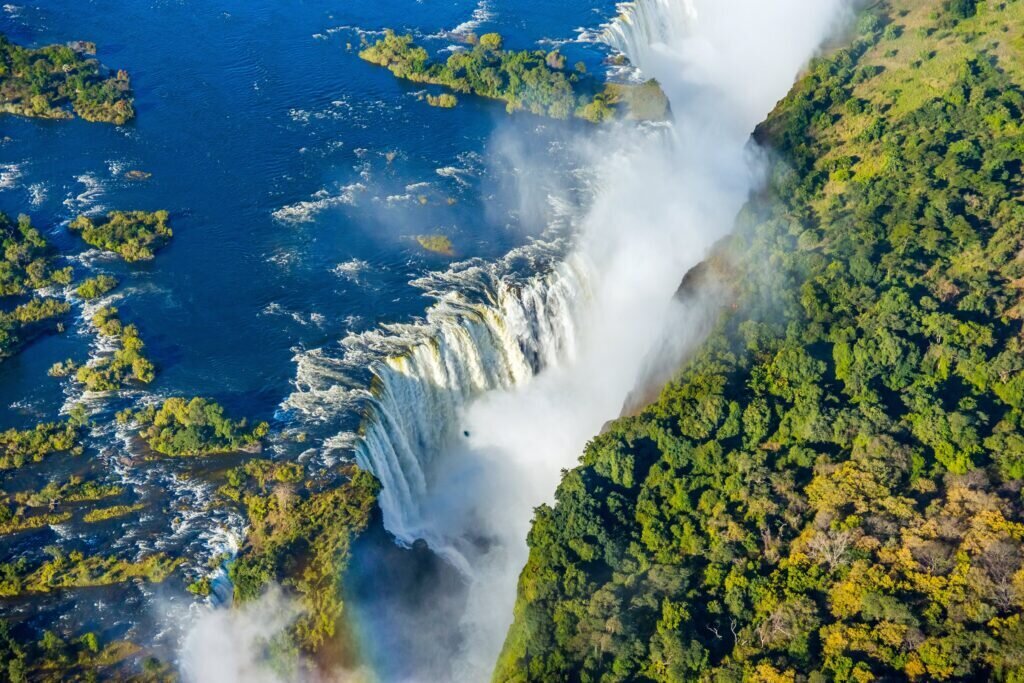
The Best Time to Go on Safari: Month by Month
January – Newborn Animals and Green Landscapes
Best for: Tanzania, South Africa, Kenya, Uganda and Rwanda
January is a wonderful month for families who want to see Africa at its greenest.
In Tanzania’s southern Serengeti, the Great Migration calving season gets underway, with vast numbers of wildebeest gathering on the short-grass plains to give birth. Newborn animals inevitably attract predators, making this an exciting time for families interested in predator sightings and the circle of life.
South Africa is lush and green, with excellent birdlife and plenty of young animals. Kenya can also offer very good wildlife viewing during its relatively dry January period.
Best time of year for a safari in Tanzania.
February – Calving Season at Its Best
Best for: Tanzania, Kenya, South Africa, Uganda and Rwanda
February is one of our favourite months for experiencing Tanzania’s Great Migration calving season.
The southern Serengeti becomes a nursery, with enormous herds of wildebeest and zebra and predators following closely behind. For children, seeing newborn animals can be a particularly memorable part of a safari.
South Africa remains green and vibrant, while Uganda and Rwanda can also be rewarding for primate experiences.
March – Wildlife, Calving and Green-Season Adventures
Best for: Tanzania, South Africa and Namibia
March can still offer excellent opportunities to see the final stages of Tanzania’s calving season, although the herds begin moving north as the season progresses.
South Africa remains lush and offers good general wildlife viewing, while Namibia can be considered for families interested in landscapes and a self-drive family safari, although conditions are warmer and more changeable than in the dry season.
March is also a good month to consider if you’re looking for fewer visitors and don’t mind some rain.
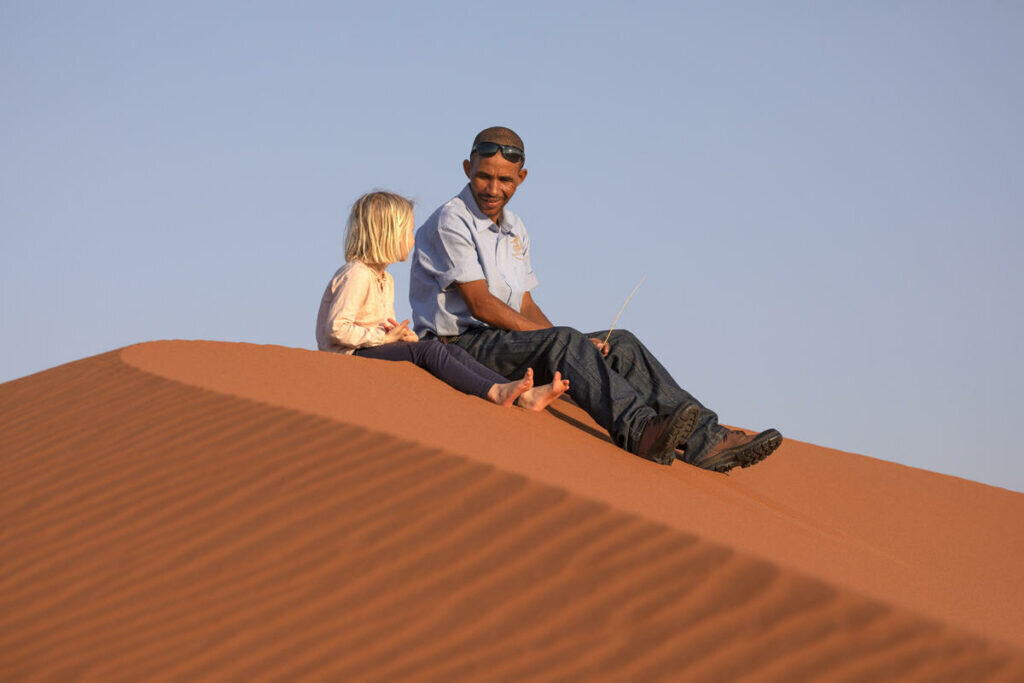
April – A Quieter Side of Africa
Best for: South Africa, Botswana, Zimbabwe and parts of Southern Africa
April is one of those months we would encourage flexible families not to overlook.
The rains are beginning to ease in Southern Africa, landscapes can remain beautifully green and there are fewer visitors than during the main dry season.
It can be an attractive time for South Africa family safaris, particularly if you want to combine wildlife with Cape Town and the coast.
East Africa’s long rains make April less suitable for some safari areas, although conditions vary considerably by location.
Looking for malaria free family Safari – check out our guide.
May – The Beginning of the Classic Safari Season
Best for: Botswana, South Africa, Namibia, Zimbabwe and Zambia
May marks an exciting transition in Southern Africa. The rains have eased, temperatures become more comfortable and the bush begins to dry out.
This is an excellent time for a safari in Botswana, South Africa, Zimbabwe or Zambia, with good wildlife viewing and fewer visitors than during the height of the season.
For families looking for value without moving too far into the wet season, May can be a particularly attractive choice.
June – Dry-Season Safari Begins
Best for: Botswana, Kenya, Tanzania, Namibia, Zambia, Zimbabwe and South Africa
June is a fantastic all-round safari month.
In Southern Africa, the dry season is gathering momentum and wildlife becomes increasingly concentrated around water. Botswana’s Okavango Delta is beginning to fill, creating the extraordinary waterways for which the region is famous.
In East Africa, the dry season begins to provide excellent game viewing, and the Great Migration is moving North through the Western Corridor of the Serengeti.
June can also be an excellent month for families wanting to avoid the very highest peak-season prices of July and August.
July – Peak Safari Season and the Great Migration
Best for: Kenya, Tanzania, Botswana, Zambia, Zimbabwe, Namibia and South Africa
July is one of the most popular months for an African safari — and for good reason.
The weather is generally dry across many key safari regions, wildlife viewing is excellent and the Great Migration is moving towards the Masai Mara, with river crossings becoming possible as the season progresses.
Botswana’s Okavango Delta is also spectacular as floodwaters transform the landscape into a maze of channels and islands.
July is peak season, however, so early planning is particularly important for families travelling during the school holidays.
Best time of year for Kenyan Safari.
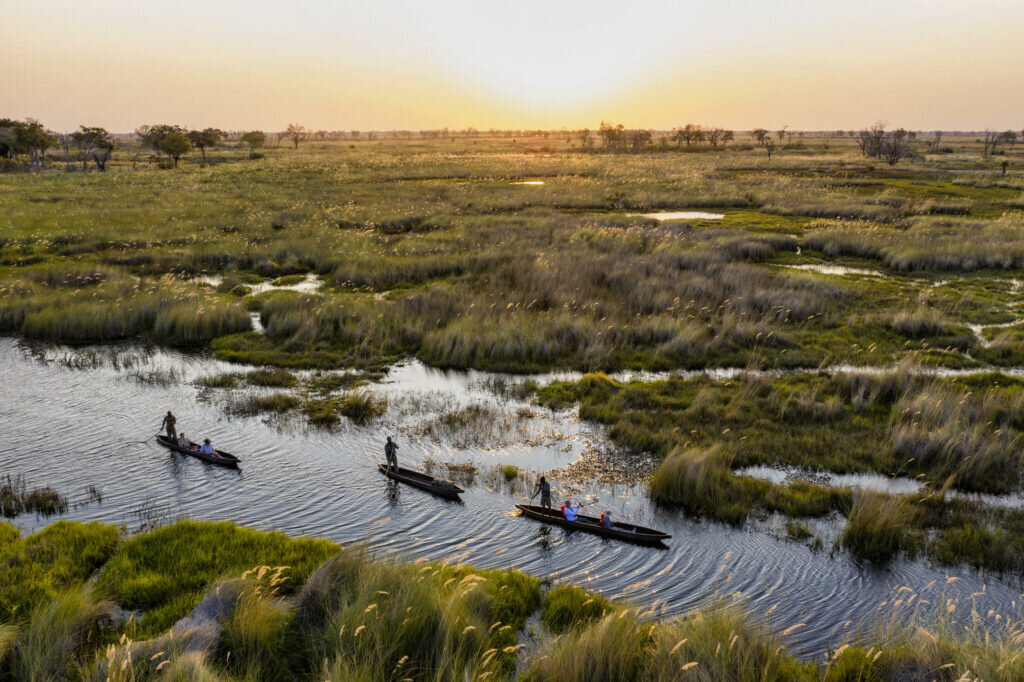
August – Wildlife at Its Finest
Best for: Kenya, Tanzania, Botswana, Zambia, Zimbabwe, Namibia and South Africa
August is arguably one of the most sought-after safari months.
The Masai Mara and northern Serengeti can offer spectacular Great Migration viewing, while Botswana’s waterways are in full flood and wildlife is concentrated around permanent water sources.
For families, private guiding and private conservancies can be especially valuable at this time of year, allowing you to enjoy the incredible wildlife while having more flexibility and space away from busier areas.
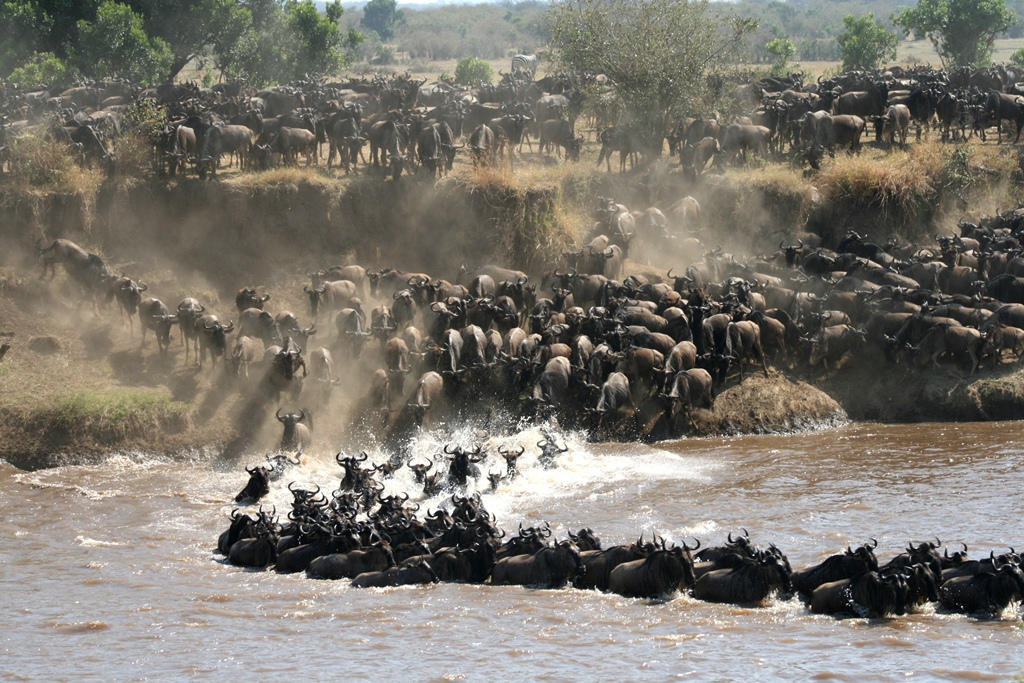
September – Exceptional Wildlife and Fewer Crowds
Best for: Kenya, Tanzania, Botswana, Zambia, Zimbabwe, Namibia and South Africa
September continues to offer exceptional dry-season wildlife viewing.
The Migration may still be moving between the northern Serengeti and Masai Mara, while Botswana remains superb for elephants and water-based experiences.
For families able to travel outside the main school-holiday period, September can be a lovely alternative to August, with slightly less pressure on availability.
October – Dry-Season Wildlife and Great Value Opportunities
Best for: Tanzania, Kenya, Botswana, Zimbabwe, Zambia and South Africa
October can be a spectacular month for wildlife as the dry season reaches its peak in many areas.
In Botswana and Zimbabwe, wildlife is increasingly drawn to remaining water sources. Tanzania and Kenya can continue to offer excellent game viewing, while the Great Migration may still be in the northern Serengeti or Masai Mara.
It can also be a useful shoulder-season option for families looking for exceptional wildlife during Half-Term without travelling in the busiest summer months.
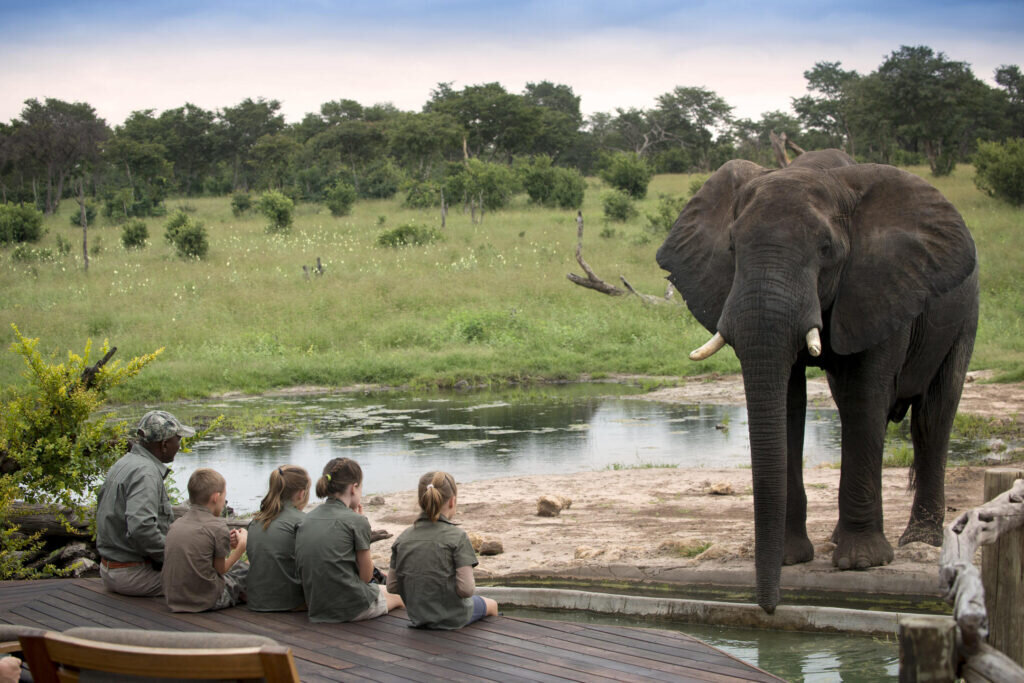
November – Green Season Begins
Best for: South Africa, Tanzania, Kenya and Botswana
November brings the first rains to many parts of Southern Africa, transforming dry landscapes almost overnight.
This is a beautiful time to experience green-season safari, with fresh vegetation, young animals, migratory birds and dramatic skies. Kenya and Tanzania can also be rewarding during the short rains, and game viewing can remain excellent.
For families looking for a quieter safari and potentially better-value rates, November is well worth considering.
December – Festive Safari Adventures
Best for: Tanzania, Kenya, South Africa and Botswana
December is a wonderful time for a family safari, particularly if you’re tied to the Christmas holidays.
Tanzania’s southern Serengeti begins to prepare for the calving season ahead, while Kenya can offer good wildlife viewing during its short-rains period. South Africa is green and vibrant, and a safari can combine beautifully with Cape Town and the coast during the country’s Summer.
Christmas and New Year are popular and considered peak season price wise, however, so we recommend planning well ahead.
So, When Is the Best Time to Go on Safari?
If you want classic dry-season wildlife viewing, June to October is a very strong choice across many of Africa’s best safari destinations.
If you’re hoping to see the Great Migration river crossings, July to September is generally the key window, although the Migration is constantly moving and timing is never guaranteed.
For the Tanzania calving season, look to late January to early March.
For Botswana’s Okavango Delta in flood, June to September is particularly special.
And if you’re looking for lower-season safari prices, fewer visitors and lush green landscapes, the green and shoulder seasons are well worth exploring.
Ultimately, the best time to go on safari is the time that matches your family, your school holidays, your budget and the experiences you most want to share.
That’s where we come in. We know that planning a safari isn’t simply about choosing a month on a calendar. It’s about understanding how the different regions work together and finding the right combination of wildlife, weather, accommodation and experiences for your particular family.
Talk to our experienced team about when to go on safari and we’ll help you find the perfect time and place for your African adventure.
Some images used in this blog are the property of our partners. Please contact us for more details.
Safari Packing List for Kids - What to Pack for a Family Safari
Swap the everyday for wild spaces, dusty trails and endless adventure…
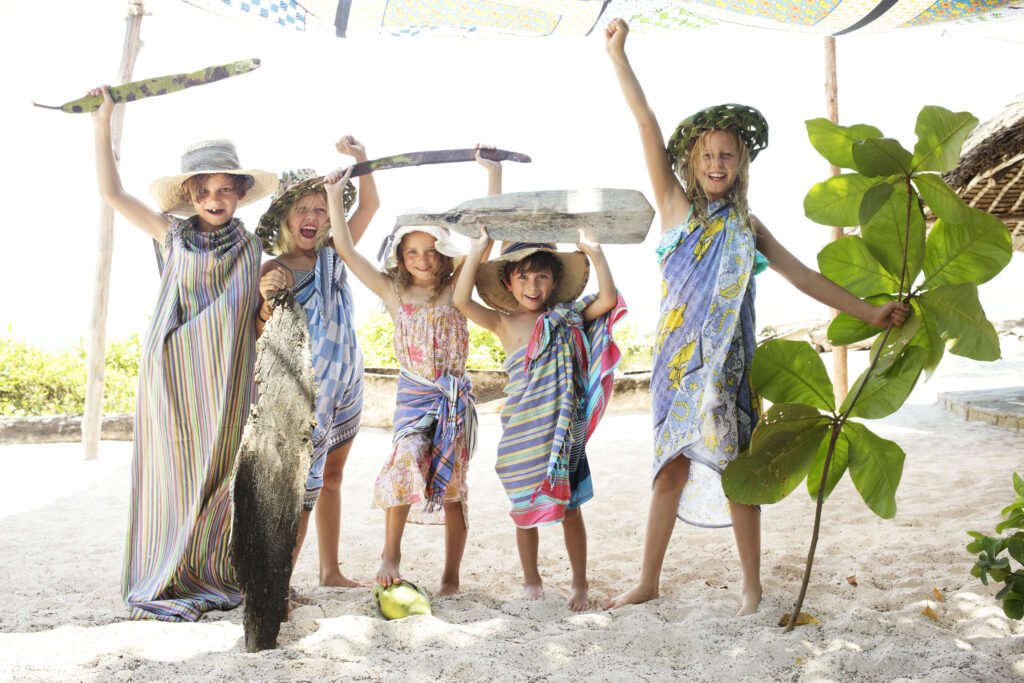
A safari with children is an invitation to let go, get outside and embrace a little wildness.
Dusty toes, wind in your hair on an open-sided game drive, evenings around the campfire beneath a sky full of stars and the simple freedom of being surrounded by nature.
For children especially, Africa is a place that seems to tap straight into their natural instinct to explore, discover and ask questions.
Safari life is wonderfully informal and there is no need to pack an outfit for every occasion or worry about keeping everyone pristine. Children can get messy and wonderfully absorbed in their surroundings.
The good news is that what to pack for a safari with kids is much simpler than you might think. Most camps offer laundry, days are spent outdoors and the focus is on comfort and practicality. A few well-chosen layers, comfortable shoes, sun protection and some things to keep curious minds engaged will go a long way.
We’ve put together our safari packing list for kids with the practical essentials, a few things that can make life easier and some of our favourite ideas for helping children get the most from their adventure from nature journals and binoculars to favourite snacks and their very own head torch.
Every family and itinerary is different, of course, so think of this as a helpful guide rather than a strict checklist. Once we’ve designed your safari, we’ll talk you through exactly what you’ll need for your particular trip.
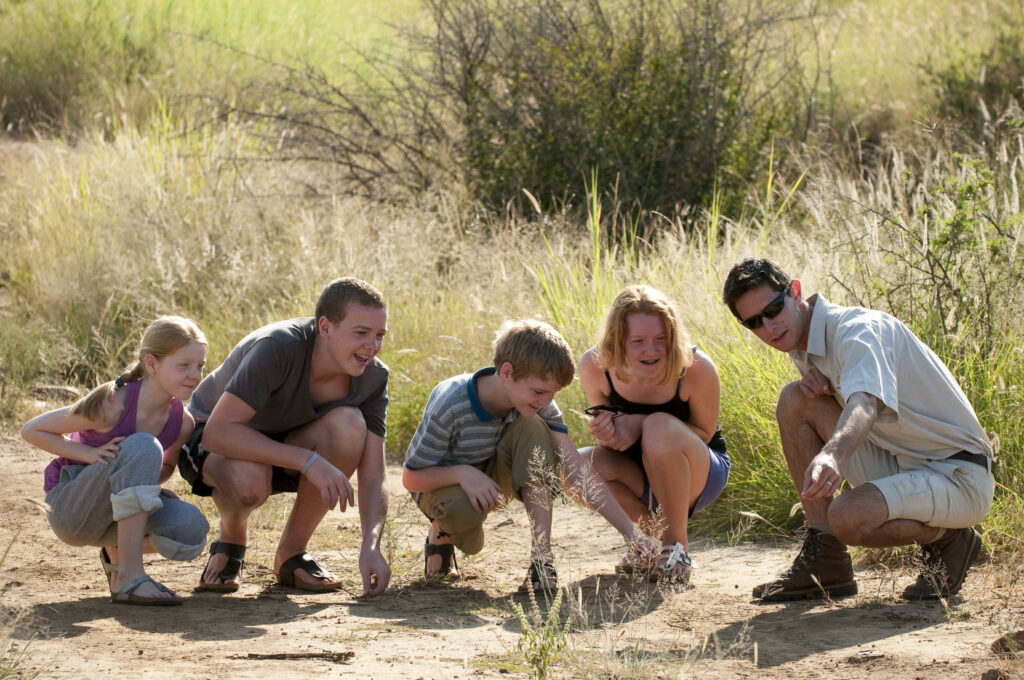
Travel Documents
Make sure you have passports, tickets, travel insurance details and your safari itinerary easily accessible, along with any visas/e-visas and medical documents required for the countries you’re visiting.
For families travelling with children, there can be additional documentation to consider. Depending on your destinations and circumstances, you may need birth certificates or other documentation when travelling with children.
Don’t worry about working it all out yourself. As part of our tailor-made service, we’ll advise you on the documentation and entry requirements you’ll need for your family and itinerary, including visas and any additional paperwork.
Comfortable Clothes and Layers
The key is comfortable clothing that can be layered and easily adapted as temperatures change throughout the day.
A hat is essential, ideally one that has a chin strap or string for younger children, wide brimmed or a peaked cap.
Wraparound sunglasses can also be particularly useful on dusty game drives in open vehicles, protecting little eyes from the sun and dust.
Comfortable footwear such as trainers or hiking shoes are usually more useful than heavy walking boots. They’re ideal for running around camp, bush walks and protecting little feet from thorns.
Flip flops or sandals are useful around the pool, in your room or for beach extensions.
Warm and cool clothes
Don’t underestimate how chilly an early morning game drive can feel. A cosy fleece and warm hat or buff are essential for dawn and dusk, particularly for younger children.
Layers are your best friend because temperatures can change quickly over the course of a day. Zip-off trousers can work particularly well, while lightweight puffa jackets are brilliant for safari because they pack down small but provide plenty of warmth.
Lightweight windproof jackets are also the perfect way to keep warm in an open vehicle and for the occasional rain shower.
As a very general guide, you can expect temperatures around 10–14°C (in the 50s°F) at night around 22–31°C (in the 70s or 80s°F) during the day, although this varies considerably between destinations and seasons.
For little ones, a fleece onesie over their pyjamas can be a game-changer for those early morning drives, helping you get everyone out the door and into the bush without any chilly negotiations!
And don’t worry about packing a fresh outfit for every day. Most camps and lodges offer complimentary laundry services.
Swim Gear
Many safari lodges and camps have swimming pools, and some safari destinations offer wonderful opportunities for river or lake activities.
If you’re adding a beach stay to your safari, rash vests are particularly useful for children in the strong African sunshine.
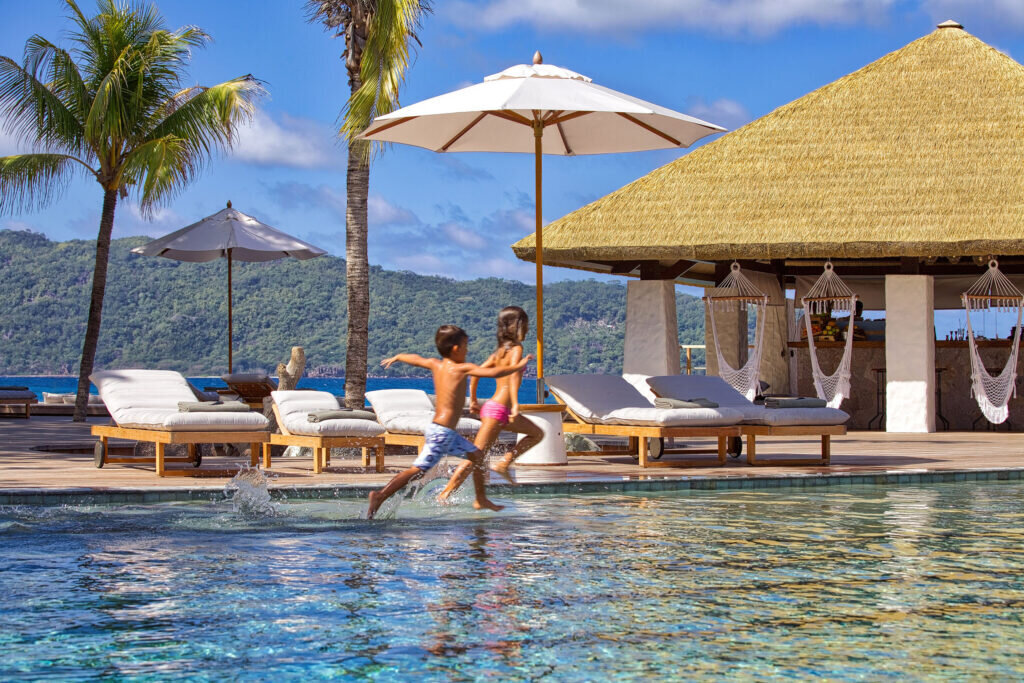
First Aid Kit & Health Essentials
A small family first-aid kit is always useful. Child-friendly or natural sunscreen, high-factor lip balm with SPF, wet wipes, plasters, personal medication and rehydration salts.
Eye drops are also a great addition for dusty game drives and days in the sun!
Insect repellent with 30-50% DEET is effective however there are natural alternatives we can advise that work well if you would prefer to avoid DEET.
If you’re travelling in a malaria area, we’ll discuss this with you as part of your safari planning. Most camps and lodges have mosquito nets over the beds, and your accommodation will advise on the precautions appropriate for that particular destination.
For any specific medical or malaria advice, we recommend speaking to your doctor or travel health professional before travelling.
Discover our malaria free destinations perfect for family safaris.
Entertainment for Downtime
One of the lovely things about safari is that children often need far less entertainment than they do at home. There is plenty to look at, listen to and discover.
That said, a few familiar comforts can make longer journeys and quiet afternoons easier.
For little ones, this might be a favourite toy, sticker books or activity books.
Older children may enjoy card games, books or a small travel game that the whole family can play together.
Tablets can be useful for long journeys, particularly with teenagers, although we’d always suggest preloading anything you might need. Wi-Fi can be slow or unavailable in remote camps, so Kindles, Yoto players and other preloaded devices can be useful, and don’t forget your headphones!
A flexible Frisbee or small soft ball is another simple favourite. It’s perfect for downtime and can quickly turn into a family game around camp.
Nature Journal & Children’s Field Guides
If there is one thing we’d particularly encourage you to pack for children on safari, it’s a notebook or nature journal.
Safari is such an extraordinary opportunity for children to slow down and really observe the world around them. They can sketch the animals they see, make notes about their sightings, stick in a fallen feather or leaf, add Polaroid photographs or simply write down something funny their guide told them.
Some children will turn it into a beautiful wildlife diary; others might prefer a simple tick list of everything they’ve spotted.
A child-friendly wildlife field guide can be a wonderful companion too, helping children identify animals, birds, plants and insects and encouraging them to ask their guide questions.
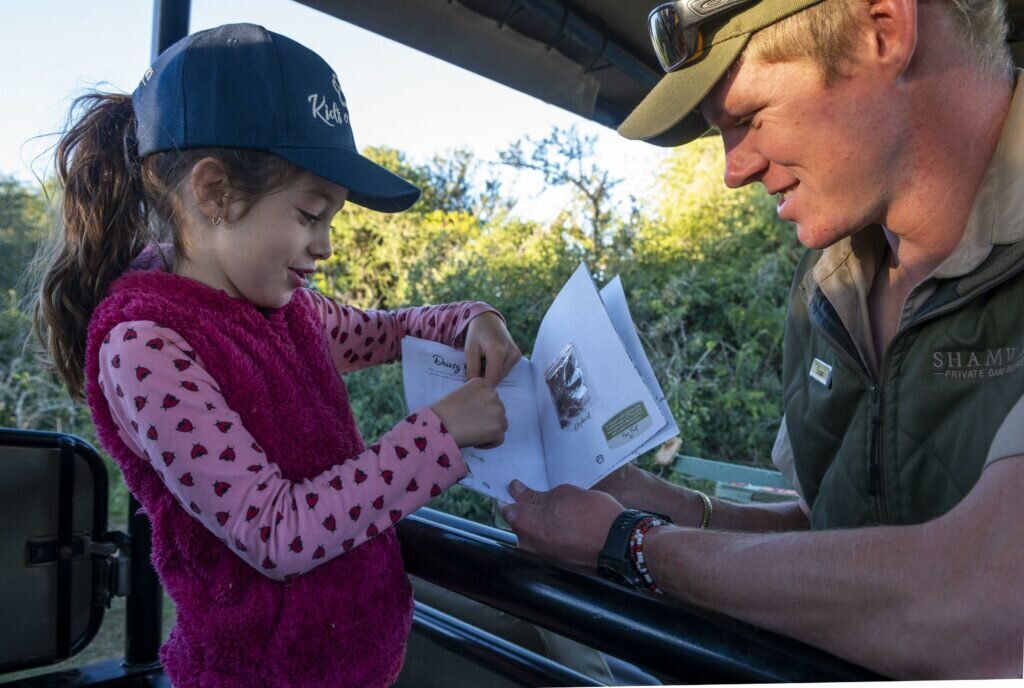
Cameras and Binoculars
Children don’t need expensive equipment to enjoy photography or wildlife watching.
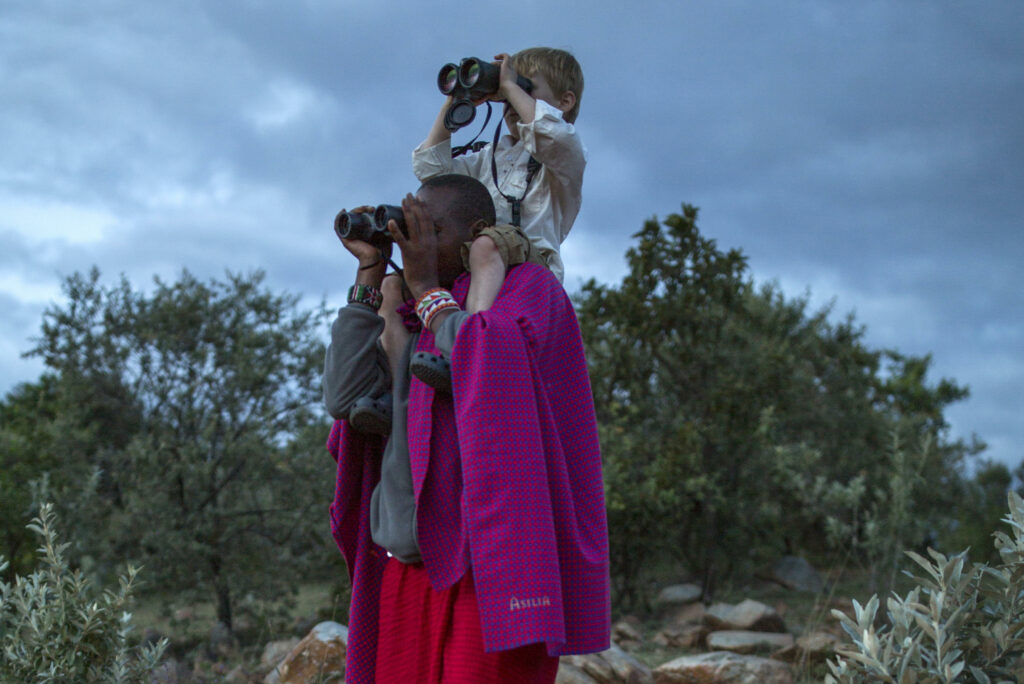
A simple, easy-to-use camera can give them their own way of capturing the experience, while a pair of binoculars makes it much easier to spot distant animals and birds.
An instant Polaroid-style camera can be particularly fun. Adding to their nature journal or a lovely way of encouraging interaction and communication when visiting local villages or communities, where sharing a photograph can become a memorable part of the experience.
Torches
A small torch is useful around camp, but children absolutely love having their own head torch.
They are brilliant for finding your way around camp or back to your tent after dinner, and for spotting some of the smaller nocturnal creatures that come out after dark.
A rechargeable night light can also be a lovely addition for younger children who are not used to sleeping in a tent or unfamiliar room. It can make bedtime feel that little bit more familiar.
Snacks!
Never underestimate the importance of a few favourite snacks!
Safari lodges are generally very good at catering for children and will happily accommodate individual preferences and dietary requirements. However, having a few familiar snacks from home can be reassuring, particularly for younger children or during long transfers.
Refillable Water Bottles
Most camps provide water bottles for game drives and walks, but younger children may find it easier and more comfortable to have their own familiar bottle.
A Little Day Backpack
We love giving children their own small day backpack for safari. It encourages a little independence and means they can carry the things they need for the day themselves.
Depending on their age, this could contain their binoculars, water bottle, nature journal, field guide, pencil case and a couple of favourite snacks.
It becomes their own little safari kit and gives them a sense that they’re part of the adventure rather than simply being passengers.
Electronics and Charging
Don’t forget the practical technology!
A plug adaptor, portable battery charger and spare batteries can all be useful, particularly if you’re travelling between remote camps.
Most camps have charging stations, although power supplies can occasionally drop or charging points can be limited when everyone returns from a game drive at the same time.
Much of East Africa uses the same three-pin plug as the UK, although this varies by country, so we’ll advise you on what you’ll need for your particular itinerary.
Don’t Overpack!
This is probably our most important piece of packing advice.
Safari is wonderfully relaxed and informal, and most camps offer laundry, so you really don’t need to take everything the children own.
Soft-sided luggage is usually required for light-aircraft flights, and luggage allowances can be surprisingly restrictive.
The exact requirements vary depending on your itinerary, so we’ll advise you on luggage allowances and what to bring once we’ve planned your safari.
For the wider list of clothing and essentials you’ll need for your trip, take a look at our Complete guide to what to pack for a safari.
The Most Important Thing to Pack? Curiosity.
Of course, the practical things matter. But if there is one thing we’d encourage every child to bring, it’s curiosity.
Bring the binoculars. Pack the notebook. Let them ask their guide a hundred questions. Encourage them to look at the tiny things as well as the elephants and lions.
Some of the moments they remember most may not be the Big Five sightings at all. It might be finding a chameleon, learning how dung beetles navigate, hearing a lion roar in the darkness or discovering their first constellation in an African night sky.
That’s the magic of a family safari. With a little thoughtful packing, everyone can be comfortable, prepared and ready to enjoy every moment.
Planning an African safari with children? Check out our complete guide.
Talk to our family safari specialists and we’ll help you work out exactly what you’ll need for your particular adventure.
Some images used in this blog are the property of our partners. Please contact us for more details.
African Family Safari Holidays: The Complete Guide
African Family Safari Holidays – The Complete Guide
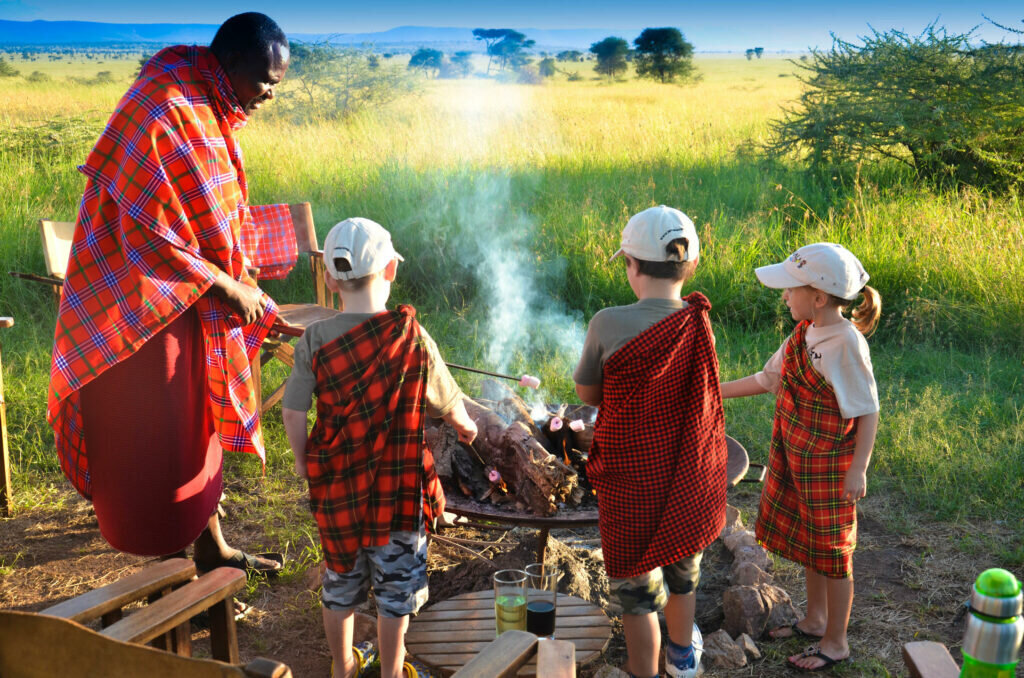
A family safari holiday is one of the most extraordinary adventures you can share. Watching your children’s faces as they see their first elephant, lion or giraffe in the wild, learning to track animals with an expert guide or waking up to the sounds of the African bush are memories that stay with you forever.
But planning an African family safari holiday can feel daunting. Which country is best? What age should children be? How much does a family safari cost? Is a safari safe for children? And how do you create an itinerary that works for everyone?
The good news is that there is no single formula for the perfect family safari. The best African family safari holidays are carefully designed around your family your children’s ages, interests and energy levels, the time of year you want to travel and the kind of adventure you want to share.
From classic Big Five Safaris and malaria-free safari destinations to safari and beach holidays, cultural experiences, hiking, cycling and horse riding, Africa offers extraordinary possibilities for families.
Why Choose a Family Safari Holiday?
A family safari is far more than a holiday spent looking for animals. It is a chance to slow down, step away from the distractions of everyday life and spend real, uninterrupted time together. To share an adventure, discover something completely new and create the kind of memories that become family stories for years to come.
Not All Classrooms Have Walls…
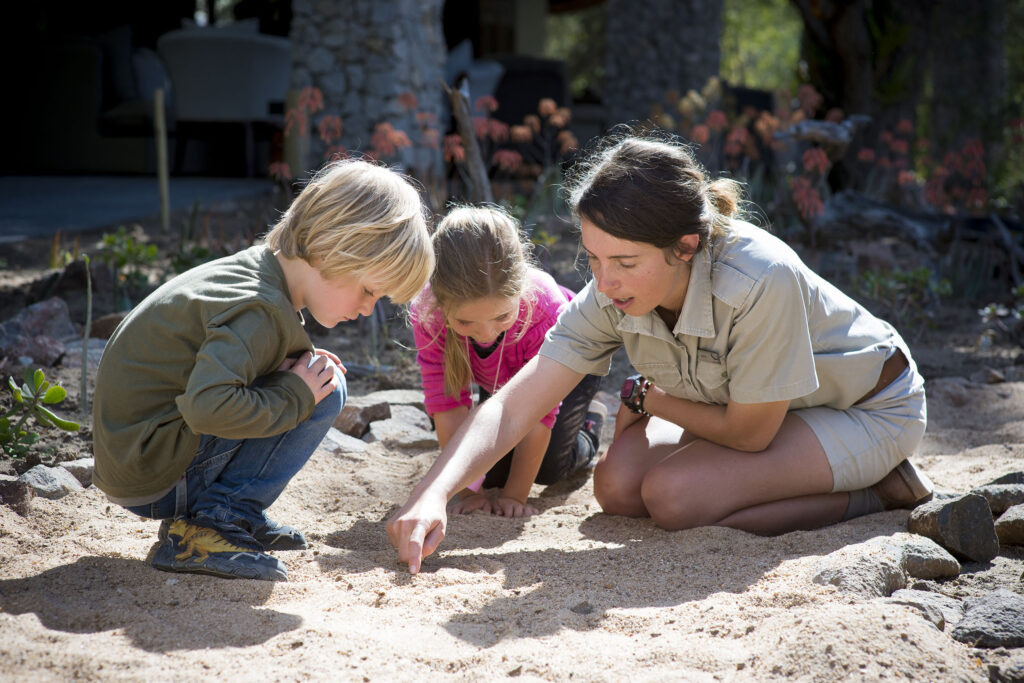
On safari, learning happens naturally. Children can discover how ecosystems work, how communities live alongside wildlife and why conservation matters, all while experiencing it first-hand. They can learn to identify animal tracks, discover how dung beetles navigate, watch elephants at a waterhole and understand how a guide reads the landscape.
But perhaps the greatest gift of a family safari is the time spent together. There is something wonderfully bonding about sharing new experiences, whether that is watching your first wild elephant, whispering over lion cubs hidden in the grass, spotting hippos from a boat or following tracks through the bush.
There are mornings spent watching the world wake up, afternoons with nowhere to be and evenings beneath a sky full of stars. From sleeping under canvas and learning bush skills to sharing a quiet moment watching wildlife at a waterhole, a safari creates space for families to reconnect, slow down and experience something extraordinary together.
These are not just holidays. They are the stories your family will tell for years to come.
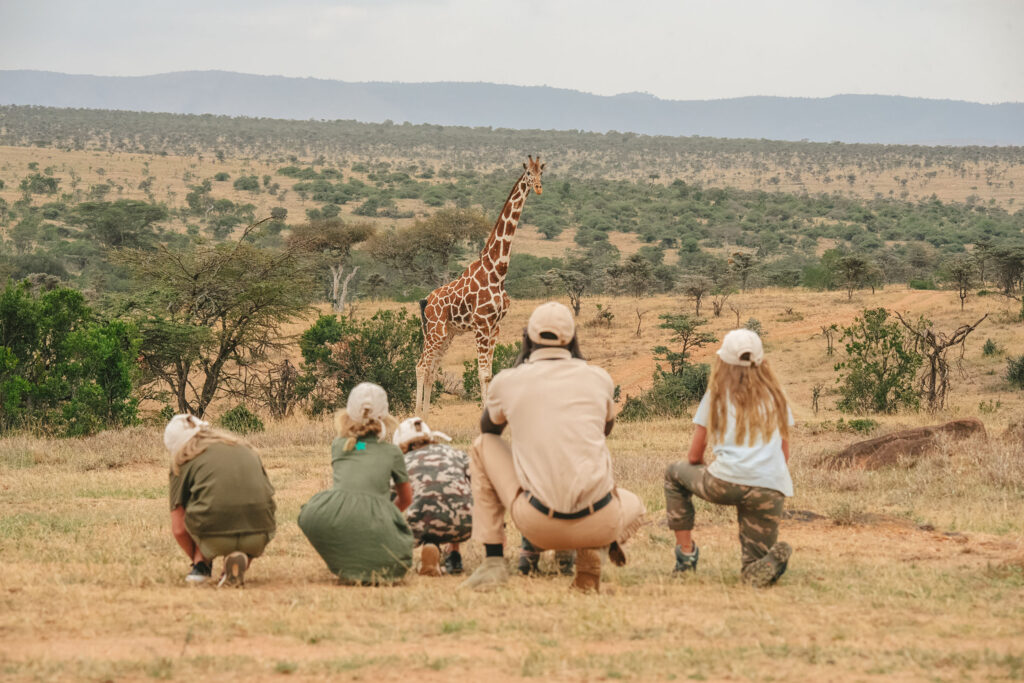
Which African Countries Are Best for Families?
From classic Big Five adventures and family-friendly self-drive journeys to remote wilderness, waterways and unforgettable primate encounters, Africa offers an extraordinary variety of family safari experiences. The best destination is the one that matches the kind of adventure your family would most love to share.
Discover our top three best family safari destinations
South Africa
South Africa is often an excellent choice for younger children, with relatively straightforward logistics, excellent infrastructure and the opportunity to combine safari with Cape Town, the coast and other experiences. There are also several malaria-free safari options.
Explore our round up of the Best Safari Game Reserves in South Africa
Kenya
Kenya offers classic African wildlife, the Masai Mara and wonderful opportunities to combine safari with cultural experiences, the coast, walking and cycling.
Our top things to do in Kenya for a unique family safari experience
Tanzania
Tanzania is ideal for families looking for extraordinary wildlife and classic East African landscapes, with the option to combine a Tanzania family safari with the beaches of Zanzibar.
Why Tanzania luxury safari holidays are perfect for families
Botswana
Botswana offers exceptional wilderness, waterways and unique experiences such as mokoro excursions, making it particularly appealing to families with older children and teenagers.
Explore the best places to visit in Botswana with children
Malawi
Malawi is a wonderful choice for families who want variety, combining safari in places such as Liwonde National Park with the beaches and water-based activities of Lake Malawi.
Zambia and Zimbabwe
Zambia and Zimbabwe are excellent for families seeking a more adventurous safari, with opportunities for walking, canoeing, boating and fishing alongside traditional game drives.
Discover what makes family safaris in Zambia so special
Uganda and Rwanda
Uganda and Rwanda offer extraordinary primate experiences, including gorilla and chimpanzee trekking, although age restrictions and the physical demands of these activities need careful consideration.
Read our first hand account of what a primate safari entails when Rosanna Pile visited Uganda.
Namibia
Namibia is a fabulous destination for families looking for quality time together, with the freedom and adventure of a self-drive road trip through some of Africa’s most spectacular landscapes.
Our guests share their Namibia family safari experience
Having lived and worked extensively throughout Africa, we can help you look beyond the obvious choices and find the destination that best suits your particular family.
What Is the Best Age for a Family Safari?
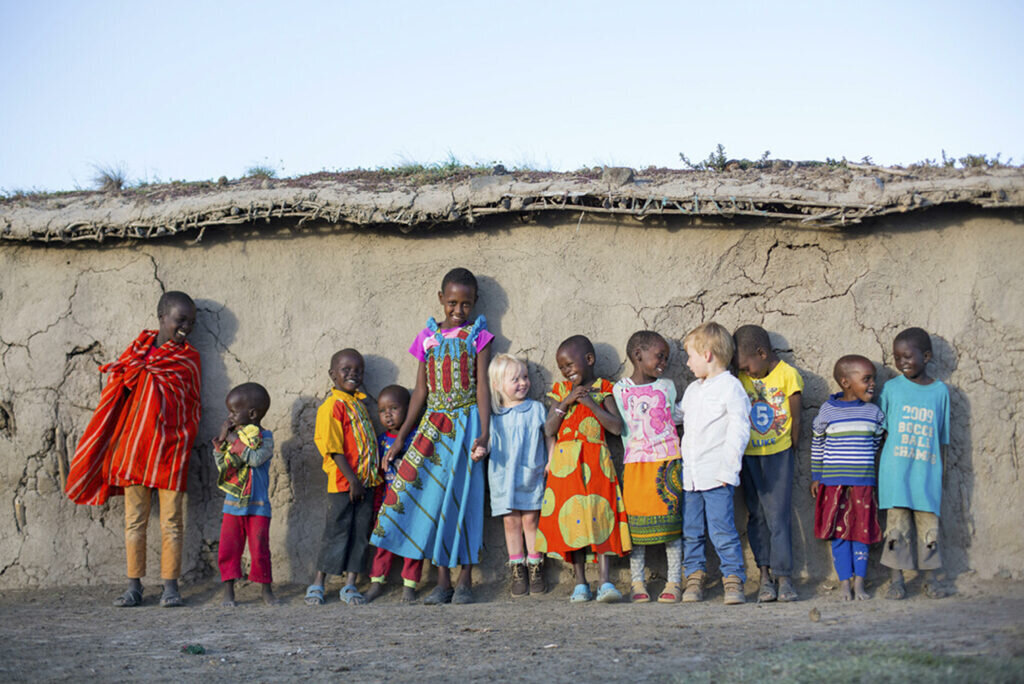
Children of all ages can have an extraordinary experience, but the destination, accommodation and activities should be tailored to their age, personality and interests.
Children Aged 0–5
A safari with babies, toddlers and preschool-aged children is possible with careful planning. Shorter travel times, flexible private vehicles, family-friendly accommodation, swimming pools and plenty of downtime can all make a difference. A malaria-free safari may also be an important consideration for some families.
Read our story of how we planned a Masai Mara safari holiday with a toddler
Children Aged 6–12
This is a wonderful age for a family safari. Children are old enough to appreciate what they are seeing while still retaining an enormous sense of wonder. Tracking animals, wildlife photography, junior ranger activities, boat trips and cultural experiences can all add variety.
Family Safari with Teenagers
Teenagers can be fantastic safari companions. Depending on the destination and age restrictions, they may be ready for walking safaris, canoeing, mountain biking, horse riding and more challenging hikes. A safari can also offer a welcome opportunity to disconnect from screens and experience something genuinely different.
Our guide to African safari holidays with teenagers
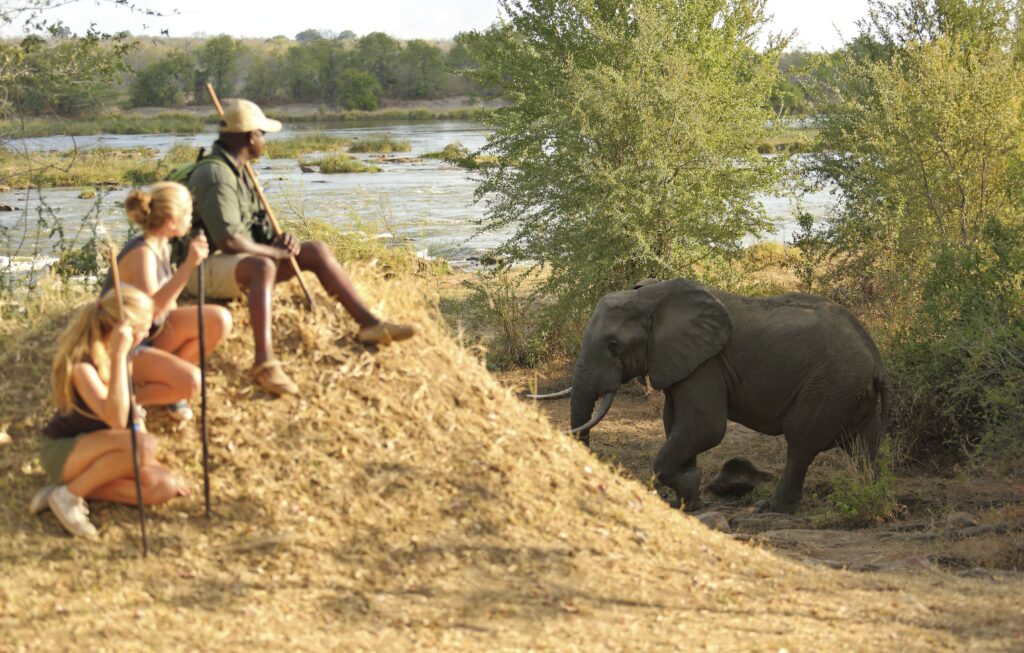
Multi-Generational Family Safaris
A safari can be a wonderful way to bring several generations of a family together, from grandparents and parents to children and teenagers. The key is creating the right balance of activities and downtime, with comfortable accommodation, a relaxed pace and experiences that everyone can enjoy together. Private vehicles, family villas or exclusive-use properties can work particularly well, allowing each generation to enjoy the safari in their own way while sharing those unforgettable moments together.
When Is the Best Time to Go on a Family Safari?
The time of year you choose can shape your safari experience in wonderfully different ways, from peak-season wildlife viewing and dramatic river crossings to lush green landscapes, newborn animals and quieter camps.
Peak season often offers reliable weather and excellent wildlife viewing, but demand and prices are usually higher.
Green season can bring lush landscapes, newborn animals, excellent birdlife, fewer visitors and potentially lower prices.
Shoulder season can offer an excellent balance between value, availability and wildlife viewing, and it is always worth asking about seasonal offers.
If your family is tied to school holidays, booking early is particularly important. If you have more flexibility, green-season and shoulder-season specials can sometimes offer excellent value.
See our destination guides to discover the best time to visit some of Africa’s most popular family safari destinations:
Discover the best time to go on a safari in Kenya and what each season has to offer.
Find out the best time to safari in Botswana and choose the season that’s right for your family.
What Can Children Do on Safari?
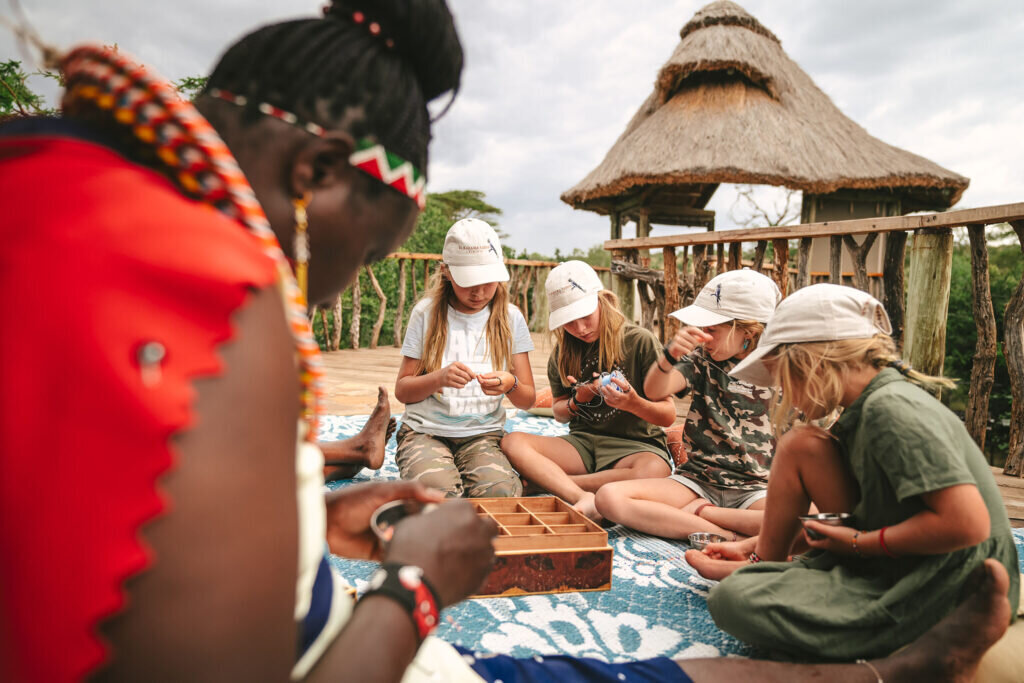
A family safari does not have to mean sitting in a vehicle for hours every day. Depending on the destination and the ages of your children, activities can include game drives, walking, boat safaris, fly camping, wildlife tracking, junior ranger activities, cultural experiences and photography.
Swimming and downtime are just as important too. A pool, a lazy afternoon or time to read and play can be every bit as valuable as another game drive.
We always look for ways to create variety and make sure the safari works for the whole family.
Malaria and Safety Considerations
Is an African safari safe for children? Yes. With the right destination, accommodation, experienced guides and sensible precautions, a safari can be a safe and hugely rewarding family holiday.
The key is choosing an experience appropriate for your children’s ages and interests, from flexible private game drives for younger children to more adventurous walking, canoeing or horse-riding experiences for older children and teenagers.
Malaria risk varies considerably across Africa, and some safari destinations are malaria-free or low risk. This can be an important consideration for families with young children.
Explore our favourite lodges and locations for Malaria-free family safaris
Family Safari and Beach Holidays: What Else Can You Add?
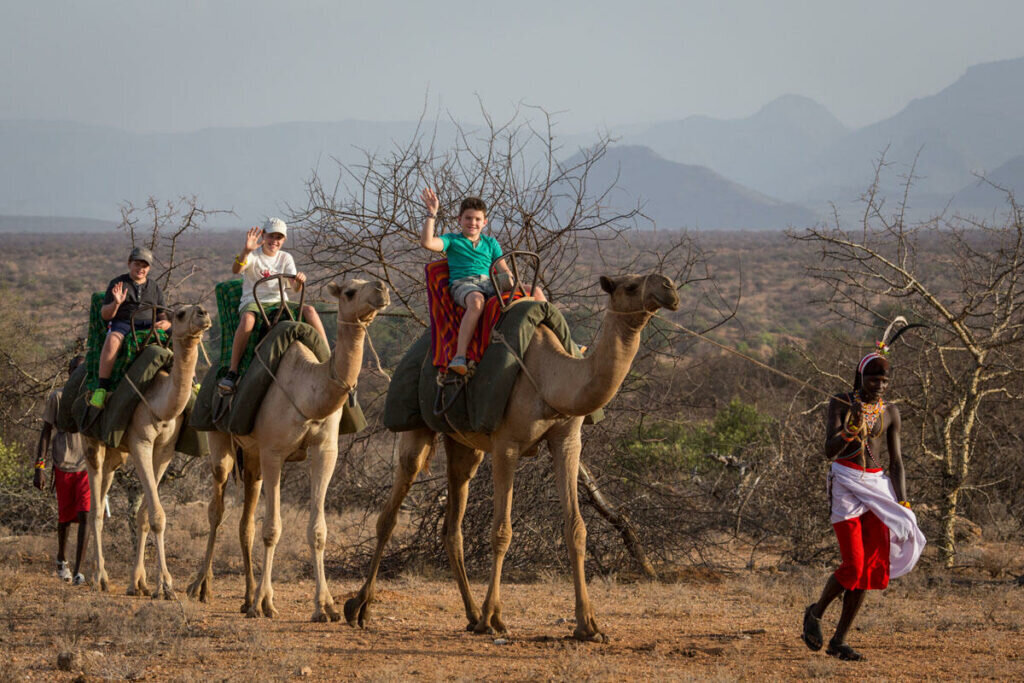
A safari does not have to be your entire holiday. Many families love combining wildlife with other experiences to create a varied itinerary that keeps everyone engaged.
Safari and beach holidays are a classic combination, from Tanzania and Zanzibar to Kenya and the coast, South Africa and Mozambique or safari and Lake Malawi. A city experience can introduce children to another side of Africa, whether exploring Cape Town, Nairobi or Johannesburg.
For active families, cycling, hiking and horse riding can all add another dimension. Depending on the destination, families may ride across open plains, along beaches or through forests, hike through mountains and rainforests, or cycle through rural landscapes and along lakeshores.
Cultural experiences can also be incredibly meaningful, offering opportunities to learn about local crafts, food, music, conservation and traditional ways of life.
We love creating itineraries that combine different experiences and landscapes, so that every member of the family has something to look forward to.
Tented Camp or Safari Lodge?
Choosing the Right Family Safari Accommodation
The right accommodation can make a huge difference to a family safari. A property that is perfect for a couple may not be right for a family with young children.
When choosing accommodation, consider family rooms or interconnecting rooms, private villas, exclusive-use houses, age restrictions, private vehicles, children’s activities, swimming pools and the overall atmosphere of the property.
There is also a difference between a lodge that technically accepts children and one that genuinely understands families. This is where our expert advice can be particularly valuable, we know the properties that truly welcome families and the ones that will work best for your particular children.
Safari Lodge or Tented Camp? What’s right for your family?
Discover our favourite Kenya safari lodges for all types of families
How to Choose the Right Family Safari Itinerary
The best family safari itinerary is not necessarily the one that visits the greatest number of places. Moving too often can be exhausting, particularly for younger children.
A well-designed itinerary should consider travel time, variety, the pace of the trip, the ages and interests of your children, the season and your family’s individual travel style.
You might combine game drives with walking, boat trips, cultural activities, beach time, swimming, city experiences and plenty of time simply to relax.
The best itinerary is the one that feels like your family, and we are here to listen and help craft your ideal trip.
Browse our luxury family safari packages for itinerary inspiration
How Much Does a Family Safari Cost?
Family safari costs vary considerably depending on the destination, season, accommodation, number of nights and activities. The biggest factors include the country you visit, internal flights and transfers, private or shared vehicles, park and conservation fees and the level of accommodation.
The style of safari you choose can also make a significant difference. Private guiding, exclusive-use accommodation and stays in private conservancies or private game reserves often come at a premium, but they can offer a more personal and flexible experience, away from the busier tourist routes. In these quieter, more remote places, you may have greater freedom to shape each day around your family and enjoy a real sense of space and exclusivity.
It is also important to consider meals, activities, transport, tipping, travel insurance and visas where applicable, and to compare like with like, as different safari prices can include very different things.
We will to talk you through all the options, helping you understand where it is worth investing and where you can make savings, so that together we can create a family safari that suits both your family and your budget.
Family Safari Packing List
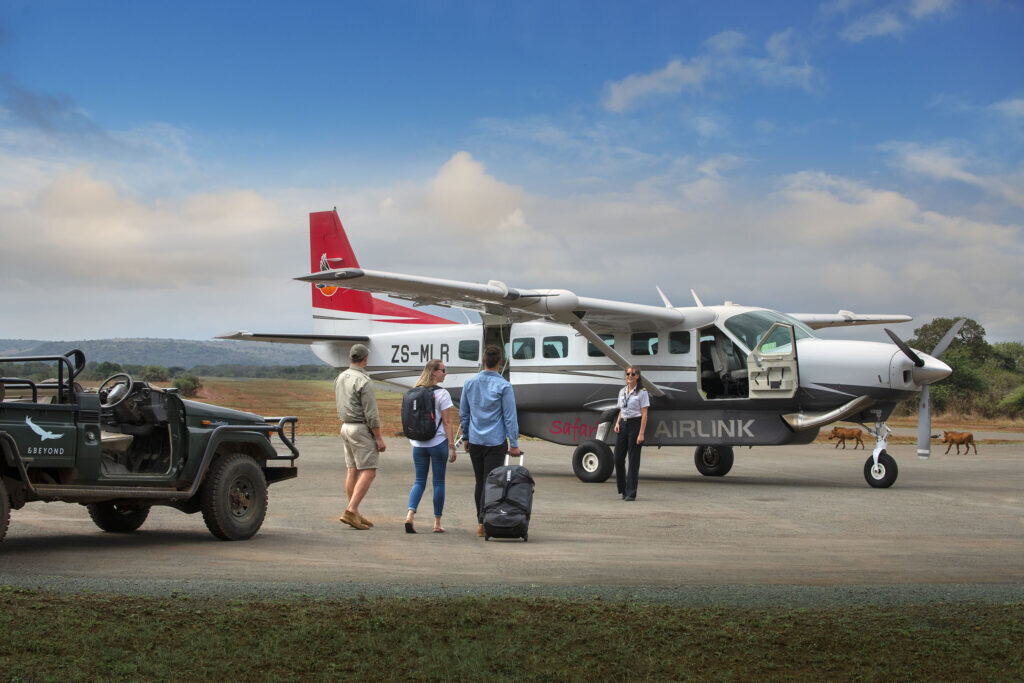
Packing for a safari is relatively straightforward. Lightweight layers, comfortable walking shoes, a warm fleece or jacket, a hat, swimwear, sunglasses and a lightweight waterproof jacket are all useful.
Binoculars, a camera, reusable water bottle, small day bag, head torch, sun cream and insect repellent are also worth considering.
For children, favourite snacks, books, a wildlife journal, coloured pencils, a camera, headphones and a small comfort item for younger children can all be useful.
Try not to overpack. Many lodges offer laundry services, and luggage restrictions on light aircraft can be strict.
Find out our team’s favourite books to inspire and educate children heading on Safari.
Tipping on Safari
Tipping is an important part of safari culture, but practices vary between countries, lodges and camps.
Some properties operate a general staff tip, while you may also wish to tip your private guide separately. Guides, trackers, camp staff, transfer drivers and porters may all be tipped depending on the destination and circumstances.
It can sometimes feel a little confusing knowing who to tip and how much, but don’t worry we will be very happy to talk this through with you before you travel.
Your Perfect Family Safari Is Unique to You
The best family safari holidays are not necessarily the most expensive or the most ambitious. They are the ones that get the balance right: the right destination, accommodation, guide, pace and mix of adventure and downtime.
For one family, that might mean a malaria-free safari in South Africa followed by Cape Town and the coast. For another, it could be the Serengeti and Zanzibar. Another family might prefer the waterways of Botswana, the wilderness of Zambia or the combination of safari and lake time in Malawi.
We have spent decades living and working in Africa, and we are also parents. We understand that a family safari needs to work for everyone.
Every Coral Tree family safari is individually designed around your family, your interests and the way you want to travel. We take the time to get to know what excites you, what your children will enjoy and how you want your holiday to feel, before using our first-hand knowledge of Africa to create something completely bespoke.
Because Africa is not one destination. And your family is not like any other.
Speak to an African family safari expert
If your dream is to experience the wonders of Africa with your loved ones, then please get in touch.
We’d love to help.
Request a free consultation
Some images used in this blog are the property of our partners. Please contact us for more details.
Safari Lodge or Tented Camp... Which should you choose?
Safari Lodge or Tented Camp: Which Is Right for Your Family?
One of the joys of planning a family safari is choosing where you’ll stay. Whether you’re dreaming of sundowners on a private veranda or falling asleep to the sounds of the wild just beyond your canvas walls, your safari accommodation will shape your entire experience.
At Coral Tree Travel, we specialise in matching each family with the perfect blend of adventure and comfort. Two of the most popular—and wonderfully different—options are safari lodges and tented camps. Both offer unforgettable access to Africa’s wilderness, but each delivers a unique atmosphere.
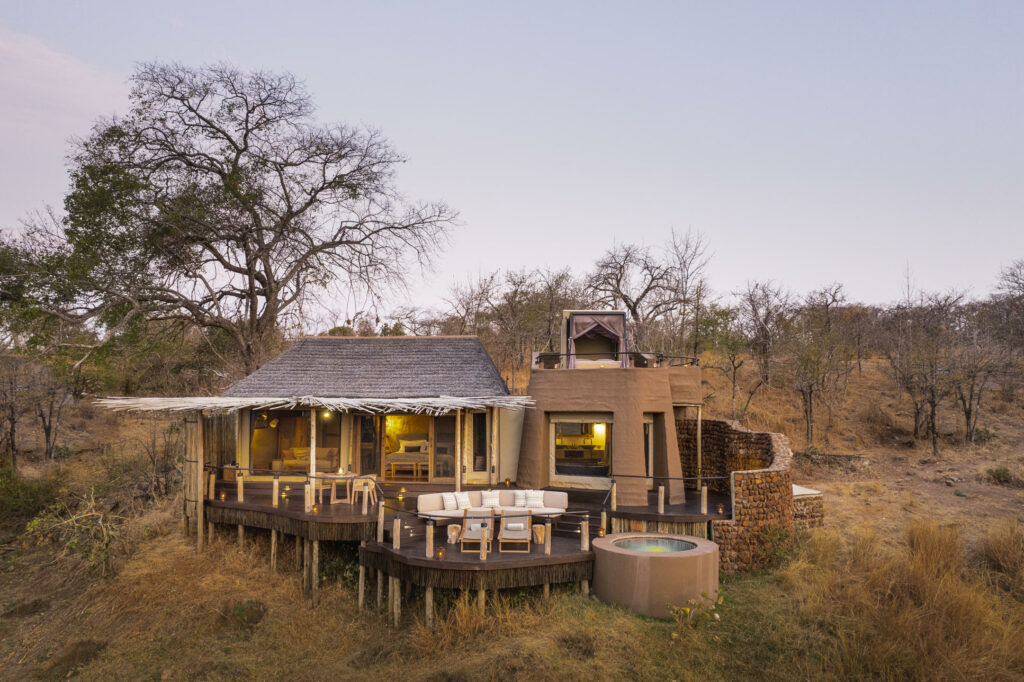
Safari Lodges: Effortless Luxury in the Heart of Nature
Safari lodges are permanent structures, often tucked into hillsides or overlooking waterholes, designed to offer style, comfort, and plenty of space to relax. Think beautiful stone or timber buildings with thatched roofs, generous rooms (often with interleading suites for families), and inviting shared spaces like pools, lounges, and fire pits.
For families, lodges can feel like home — just with giraffes on the doorstep. With chefs who cater to all dietary needs, babysitting services, and even dedicated kids’ activity programs at some properties, they’re a fantastic option for those travelling with little ones or teens.
Expect warm hospitality, excellent guiding, and thoughtful touches throughout. If you’re seeking a seamless, high-comfort base from which to explore, a safari lodge might be your ideal match.
Read our guide to the best safari lodges for families for more inspiration.
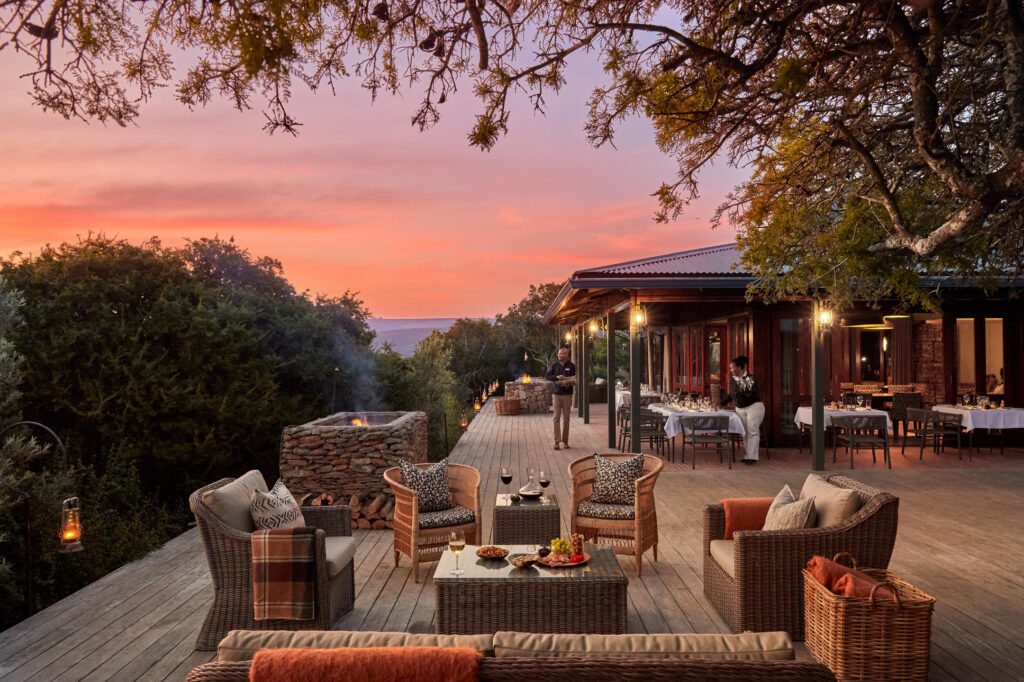
Tented Camps: Wildly Special, Deeply Immersive
Tented camps offer a different kind of magic. Designed to blend effortlessly into their surroundings, these camps bring you closer to nature without compromising on comfort.
Most have proper beds, flushing toilets, and hot showers – some even feature clawfoot bathtubs and private plunge pools!
But it’s the experience that sets them apart. At a tented camp, you’ll drift off to sleep with the night chorus of the bush just outside, and wake to birdsong and golden morning light filtering through canvas walls. It’s peaceful, personal, and wonderfully atmospheric.
Many tented camps are smaller and more intimate, which suits families looking for quality time in a quieter setting. Some camps can even be booked exclusively for your group—perfect for multi-generational adventures or milestone celebrations.
Read our guide to the best tented camps for families for ideas of where to experience the wild.
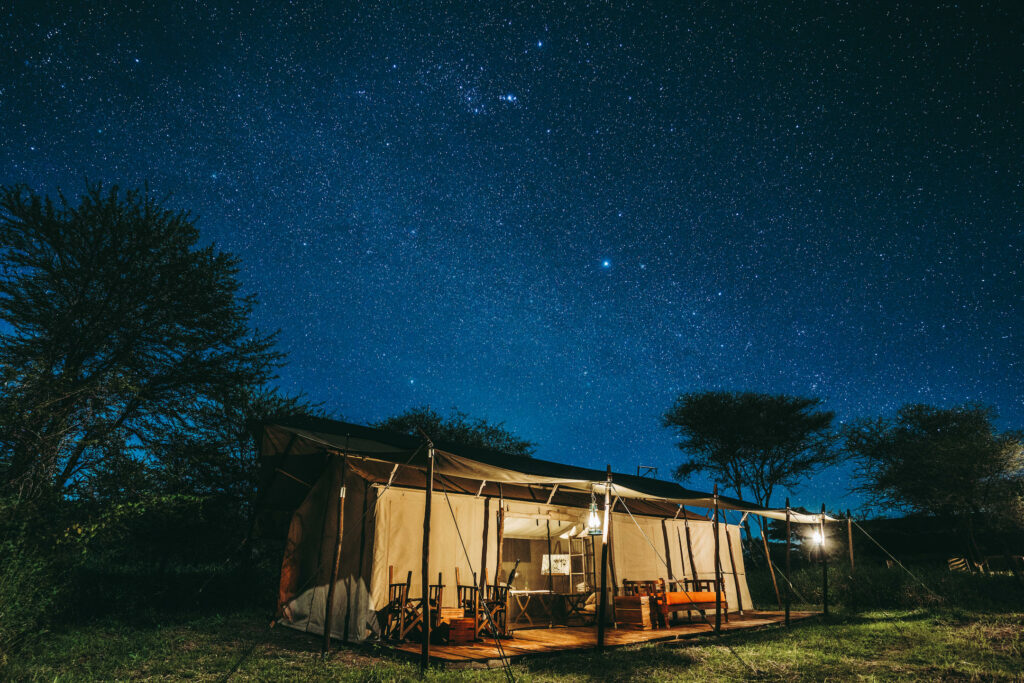
So… Which Should You Choose?
Here’s the good news – you don’t have to choose just one.
Many of our tailor-made safaris combine both styles, offering families the best of both worlds: the ease and space of a lodge, and the wild, soulful beauty of a tented camp.
Whether your family prefers the soft luxury of a safari lodge or the adventurous spirit of a tented camp, we’ll help you find the perfect fit.
Because no matter where you rest your head, it’s the time spent together—exploring, learning, and sharing stories under starry skies—that will stay with you forever.
Request a free consultation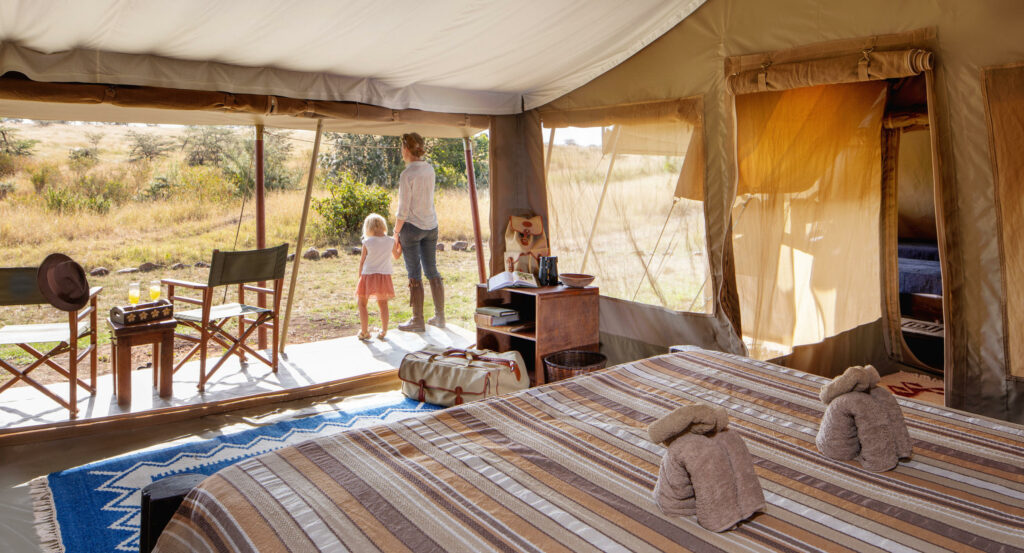
Some images used in this blog are the property of our partners. Please contact us for more details.
Best Family Safaris in 2026
Best Family Safari Destinations for 2026 & 2027
A family safari offers the perfect opportunity to bond, learn, and immerse yourself in the wild wonders of nature.
Families seeking unique experiences and unforgettable memories can explore a variety of safari destinations that cater to both adventure and comfort.
From iconic wildlife reserves to pristine wilderness areas, here are our choices for the best family safaris in 2026 & 2027.
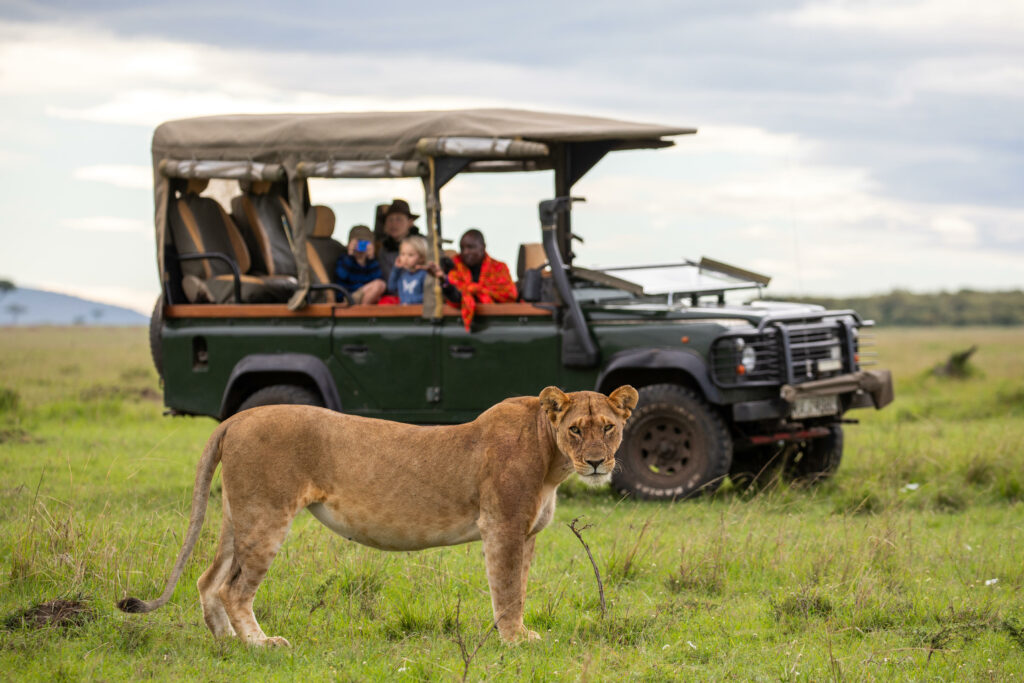
Kenya
Kenya is one of the most famous safari destinations in the world, and it’s also a fantastic choice for families.
With excellent air access from Europe and North America, it’s convenient to get to and has a phenomenal variety of pristine wilderness areas, epic landscapes and fascinating culture.
Top of the list for many families is the Masai Mara, known for its incredible wildlife diversity, and offering a truly immersive experience. In 2026, the Mara will continue to be a prime location to witness the awe-inspiring Great Migration (from July to early October) where millions of wildebeest, zebras, and gazelles cross to and from Tanzania in search of greener pastures.
Here at Coral Tree Travel we are huge fans of the Mara conservancies, which border the National Reserve and offer a more authentic experience with closer ties to the local communities and fewer vehicles than are found in the National Reserve, particularly in high season.
Family-friendly safari properties such as Naboisho and House in the Wild provide spacious family suites, private guides, and tailored safaris, ensuring families with children have a safe and comfortable stay.
Kenya has so much more to offer than the Masai Mara and our favourite area for off the beaten track experiences is Northern Kenya, in particular the Laikipia plateau and Samburuland. Here, families will find unique wildlife, world-leading conservation success stories, and some of Africa’s most beautiful vistas.
Lodges like El Karama and Ekorian Mugie have been built specifically with families in mind, which takes the experience up a notch for nature-loving little ones.
Tanzania
Tanzania is a dream destination for families looking to combine adventure with luxury, and the natural choice for families looking for a safari and beach holiday.
Tanzania is blessed with 22 national parks, with the Serengeti National Park and Ngorongoro Crater, both in the north of the country, being the most well-known and perenially popular choices with families looking for a truly awe-inspiring safari holiday.
The Serengeti, with its sweeping plains and large predator populations, is perfect for thrilling game drives. Meanwhile, the Ngorongoro Crater is often referred to as the “eighth wonder of the world” due to its dense concentration of wildlife in a relatively compact area.
Lodges such as Lamai Serengeti or Gibb’s Farm provide a high standard of accommodation and unique experiences, tailored to families.
Tanzania safaris often involve travelling long distances, so we usually recommend it for families with children aged 8 and above rather than those with very young travellers,
Away from the more famous areas, we are enamoured of the untouched beauty of Nyerere National Park and Ruaha National Park in the south of the country. These two parks combine perfectly and offer a truly unique experience in wildlife areas untouched by mass tourism. As well as traditional game drives, the lucky few who visit these spectacular parks will be treated to boat safaris, walking safaris (age restrictions apply) and wild sleep outs under the stars.
Once the safari has delivered a thrilling adventure, many families choose to end their Tanzania adventure with a stay on one of the evocative islands of the Zanzibar archipelago. The perfect way to relax and enjoy some sun, sea and sand on endless white-sand beaches lapped by turquoise waters.
South Africa
South Africa is one of the best safari destinations for families, especially those with younger children.
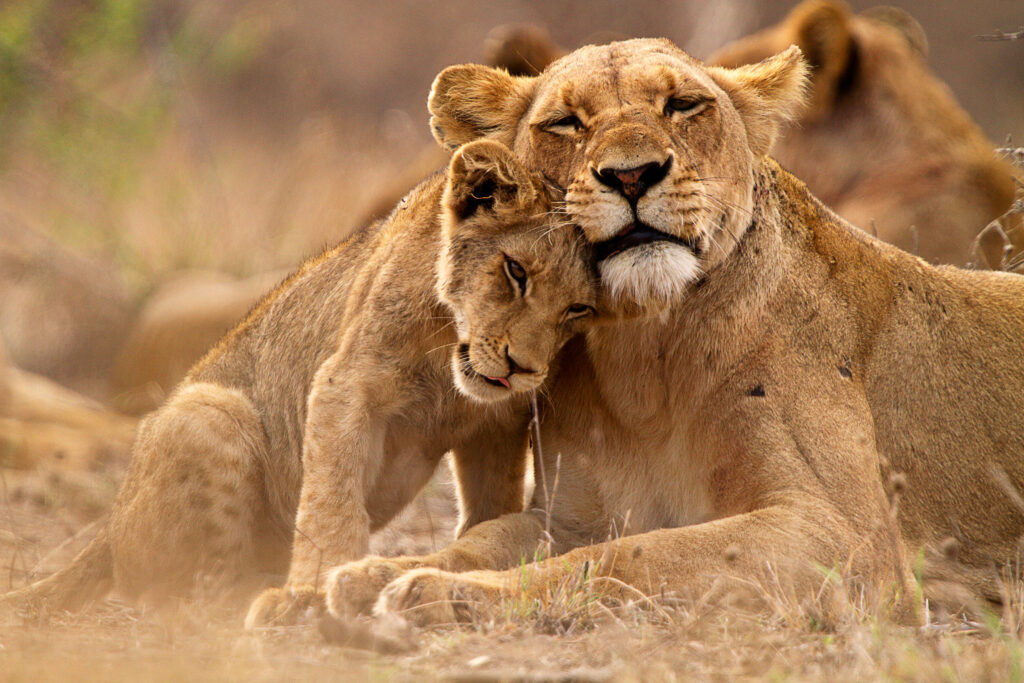
The Kruger National Park, one of Africa’s largest and most famous parks, has some of the broadest choice of family safari lodges in Africa. Kruger offers a variety of accommodation options, from luxurious lodges to more affordable self-catering units, ensuring there’s something for every budget.
In 2026, the private reserves bordering the Kruger National Park, such as Sabi Sands and Timbavati will continue to provide high-quality, family-focused experiences. These private reserves offer personalized safaris, allowing families to experience the bush at their own pace. Children can enjoy specialized activities, such as junior ranger programs, bush walks, and arts and crafts sessions. Many lodges also provide family rooms or private villas, allowing for a more intimate and comfortable experience.
For families with very young children, malaria risk can be a concern, which makes South Africa a natural choice, as it’s blessed with incredible reserves that are malaria-free all year round. Our favourites include Madikwe Game Reserve in the north, particularly Madikwe Safari Lodge, and the Eastern Cape Reserves, such as Kwandwe and Shamwari.
All are home to the Big 5, and the Eastern Cape reserves combine perfectly with Cape Town and the Garden Route for an unforgettable family road trip adventure.
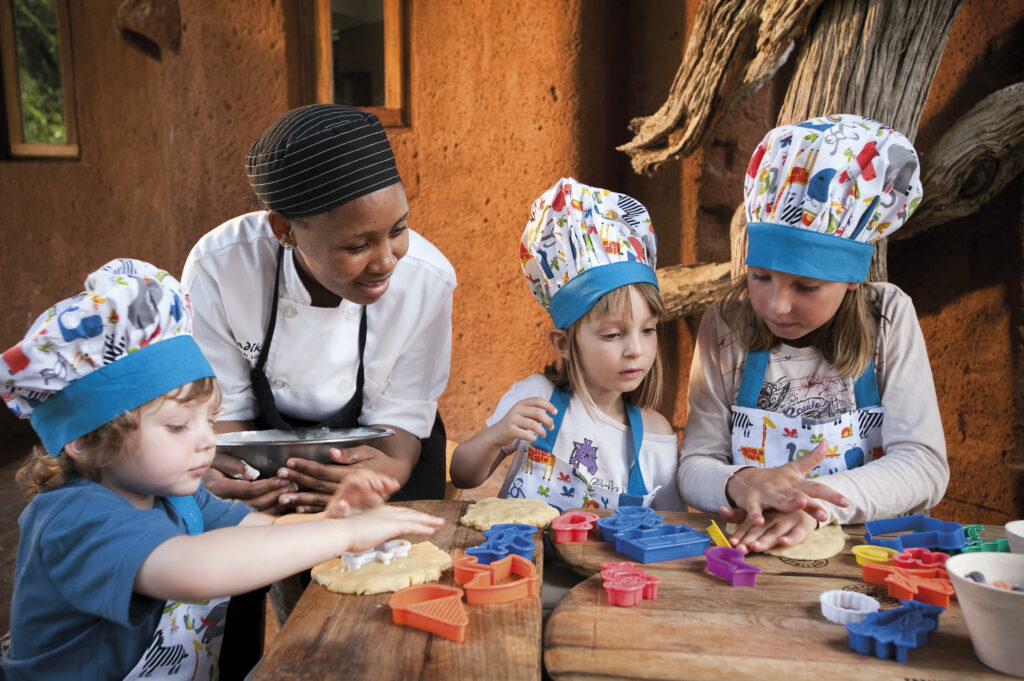
Botswana
Botswana is most well-known for the Okavango Delta, which is a pristine and unique destination for families who want to experience a combination of game drives, mokoro (canoe) safaris, and walking safaris.
In 2025, the Okavango’s crystal-clear waters, rich wildlife, and serene landscapes make it an ideal choice for families looking for a truly sensational safari adventure. Many camps here, such as Mokolwane and Shinde, cater to families by offering private guides and family-friendly activities.
The Okavango Delta is known for its biodiversity, and families can expect to see everything from elephants and lions to hippos and colorful bird species. Kids can also engage in fun conservation-based activities, learning about local ecosystems and the importance of wildlife preservation. Because of its more remote nature, the Okavango offers a peaceful, exclusive experience where families can bond without the distractions of everyday life.
Complimenting the Okavango Delta are the equally stunning regions of Botswana, such as the Central Kalahari, Chobe National Park and the Linyanti Wetlands.
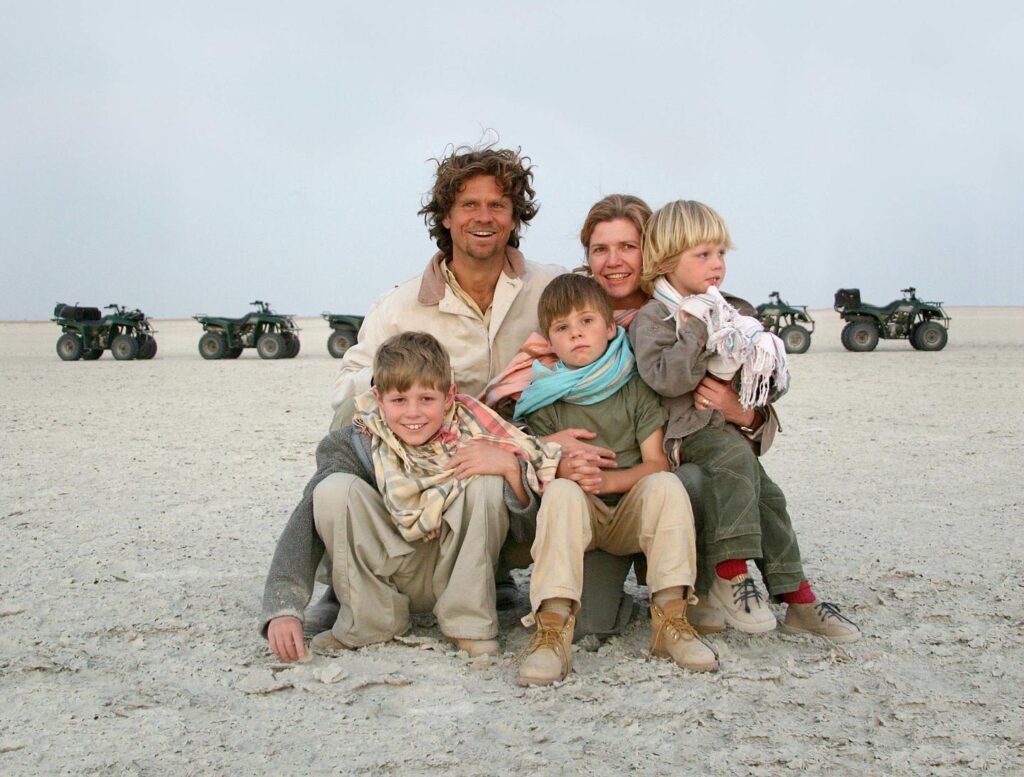
Zambia
2026’s most up and coming safari destinaiton, Zambia is home to outstanding safari experiences in Africa’s most jaw-dropping locations.
South Luangwa National Park is one of the best places to go for a more intimate and off-the-beaten-path safari. Known for its walking safaris, South Luangwa offers a hands-on approach to wildlife observation that is perfect for children who are eager to learn about the environment (age restrictions apply). Families can enjoy private game drives with some of Africa’s most experienced guides who can tailor the experience to the interests of younger visitors.
Lodges like Flatdogs Camp and Kafunta River Lodge offer family-friendly accommodations and safari programs designed specifically for kids. These include educational games, scavenger hunts, and creative workshops focused on the park’s animals and ecosystems.
Lower Zambezi National Park can stake a claim to be Africa’s most beautiful wilderness area. The mighty Zambezi River brings life to this haven for wildlife and the winter thorn acacia forests bring a touch of ethereal beauty to the magical landscape. On a recent visit, we saw more predators than we’ve ever witnessed anywhere in Africa, including huge numbers of lions, leopards and wild dogs, living side by side.
With the recent BBC Kingdom series shining a spotlight on this beautiful country, so it’s only going to get more famous!
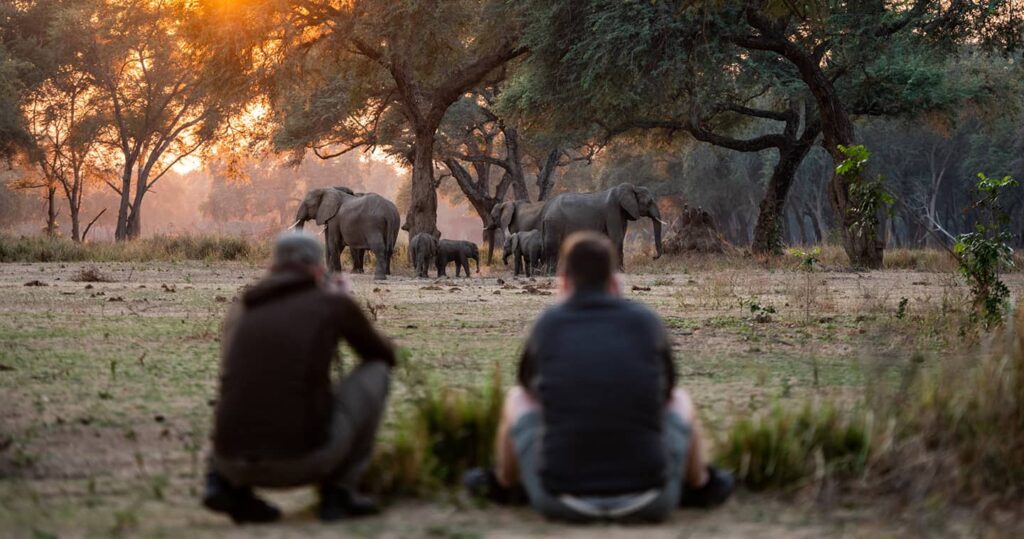
Namibia
The home of the luxury self-drive itinerary, Namibia offers the chance to hit the road and experience the true majesty of Africa’s wild open spaces.
Etosha National Park offers a unique safari experience with its vast salt pans, waterholes, and a high concentration of wildlife. Etosha is home to a variety of species, including elephants, lions, rhinos, and giraffes, which can be easily observed from the comfort of the park’s waterhole viewing platforms.
Etosha’s well-maintained infrastructure, including family-friendly accommodations like those at Onguma Bush Camp, makes it a convenient and safe destination for families. The park’s focus on self-drive safaris allows families to explore at their own pace, while still benefiting from expert guides who can provide insightful commentary on the animals and their behaviors.
Further south, families will marvel at the towering red sand dunes of Sossusvlei set within the vast Namib desert. There’s no greater place to enjoy a hot air balloon safari, soaring over the dunes.
Nestled along the picturesque Atlantic coast of Namibia, Swakopmund is a charming seaside town that beckons with its unique blend of natural beauty, adventure, and German colonial history.
Characterised by rocky escarpments, granite kopjes and burning red mountains, the Damaraland is a remote and sparsely populated region. With tourists few and far between, it is the perfect destination for families wanting to get off the beaten track.
All of the above can be combined seamlessly in an epic family safari drive itinerary, in the comfort of an elite 4×4 vehicle with unrivalled support from our team on the ground in Namibia.
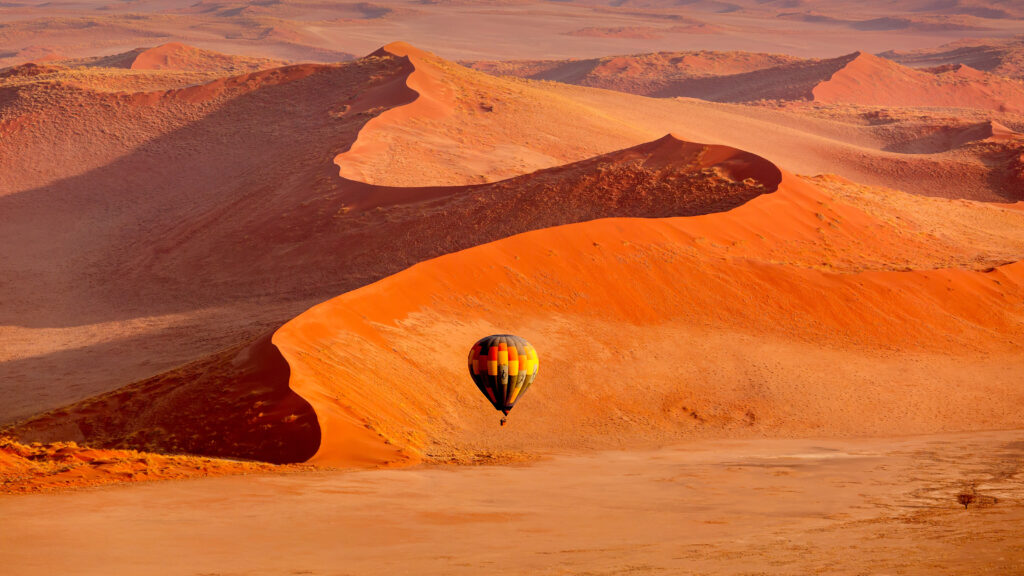
Conclusion
For families looking to embark on a safari in 2026, these destinations offer the perfect blend of adventure, wildlife, and comfort.
Whether you choose the rolling savannas of Kenya’s Maasai Mara, the rich biodiversity of Tanzania’s Serengeti, or the serene waterways of Botswana’s Okavango Delta, each destination promises a once-in-a-lifetime experience for all ages. With family-focused accommodations, expert guides, and an array of activities tailored to children, these safari destinations will create lasting memories for your entire family.
As family safari specialists, we are used to designing unique safari adventures for families of all shapes and sizes. From multi-generational celebrations, to solo parents travelling with children, or a special occasion family bonding trip; we’ve got you covered.
When you’re ready to start planning your own incredible adventure, get in touch with us here at Coral Tree Travel and we’ll be with you every step of the way.
Request a free consultation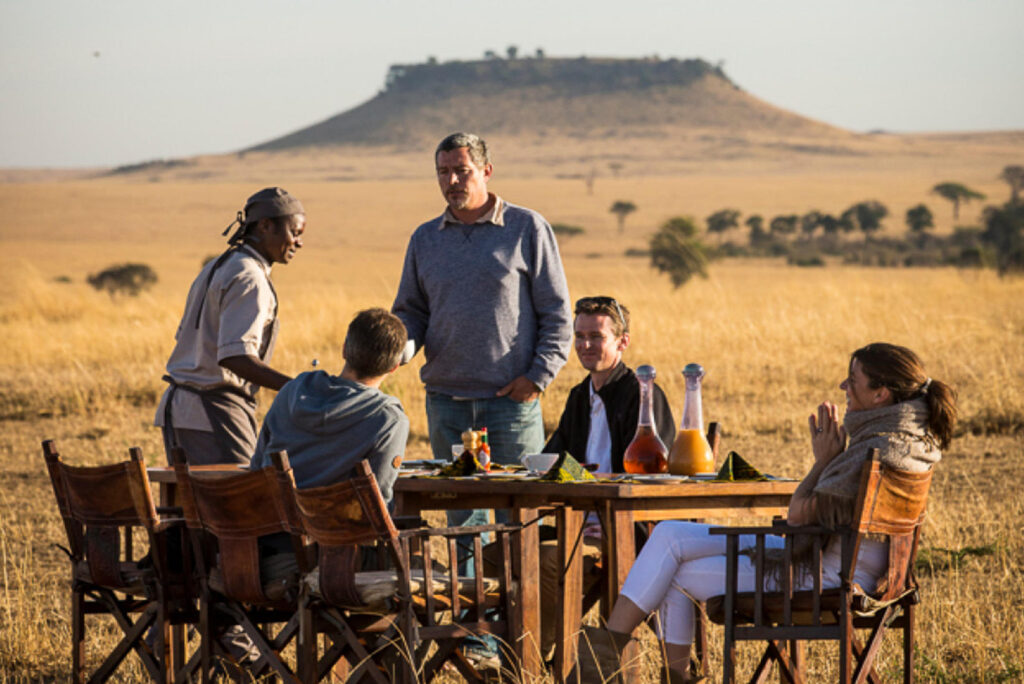
Some images used in this blog are the property of our partners. Please contact us for more details.