African Family Safari Holidays: The Complete Guide
African Family Safari Holidays – The Complete Guide
A family safari holiday is one of the most extraordinary adventures you can share. Watching your children’s faces as they see their first elephant, lion or giraffe in the wild, learning to track animals with an expert guide or waking up to the sounds of the African bush are memories that stay with you forever.
But planning an African family safari holiday can feel daunting. Which country is best? What age should children be? How much does a family safari cost? Is a safari safe for children? And how do you create an itinerary that works for everyone?
The good news is that there is no single formula for the perfect family safari. The best African family safari holidays are carefully designed around your family your children’s ages, interests and energy levels, the time of year you want to travel and the kind of adventure you want to share.
From classic Big Five Safaris and malaria-free safari destinations to safari and beach holidays, cultural experiences, hiking, cycling and horse riding, Africa offers extraordinary possibilities for families.
Why Choose a Family Safari Holiday?
A family safari is far more than a holiday spent looking for animals. It is a chance to slow down, step away from the distractions of everyday life and spend real, uninterrupted time together. To share an adventure, discover something completely new and create the kind of memories that become family stories for years to come.
Not All Classrooms Have Walls…
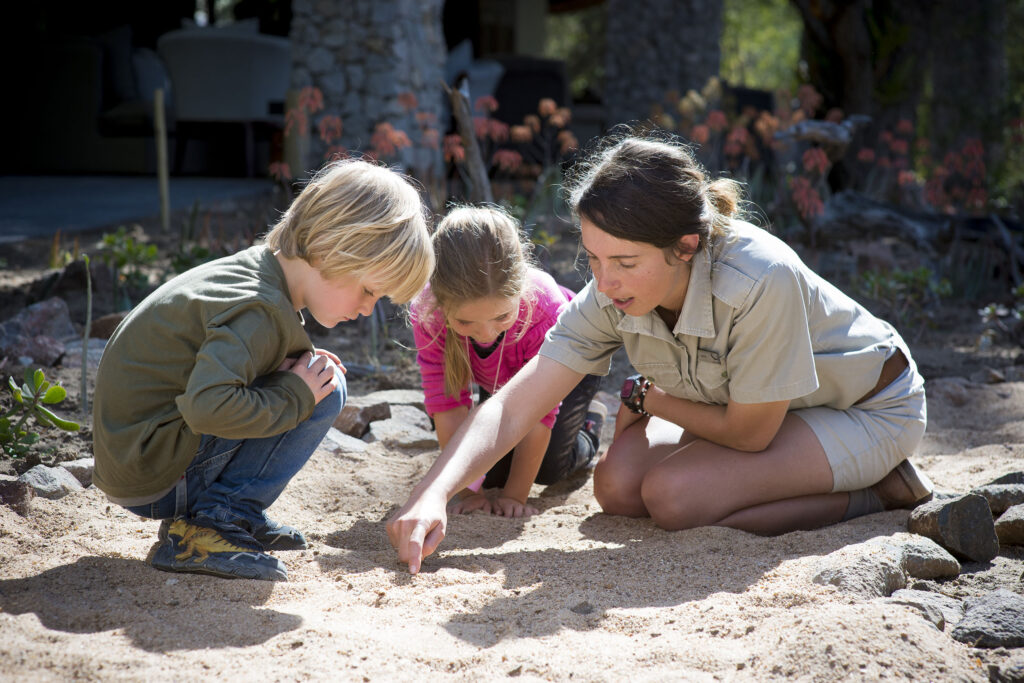
On safari, learning happens naturally. Children can discover how ecosystems work, how communities live alongside wildlife and why conservation matters, all while experiencing it first-hand. They can learn to identify animal tracks, discover how dung beetles navigate, watch elephants at a waterhole and understand how a guide reads the landscape.
But perhaps the greatest gift of a family safari is the time spent together. There is something wonderfully bonding about sharing new experiences, whether that is watching your first wild elephant, whispering over lion cubs hidden in the grass, spotting hippos from a boat or following tracks through the bush.
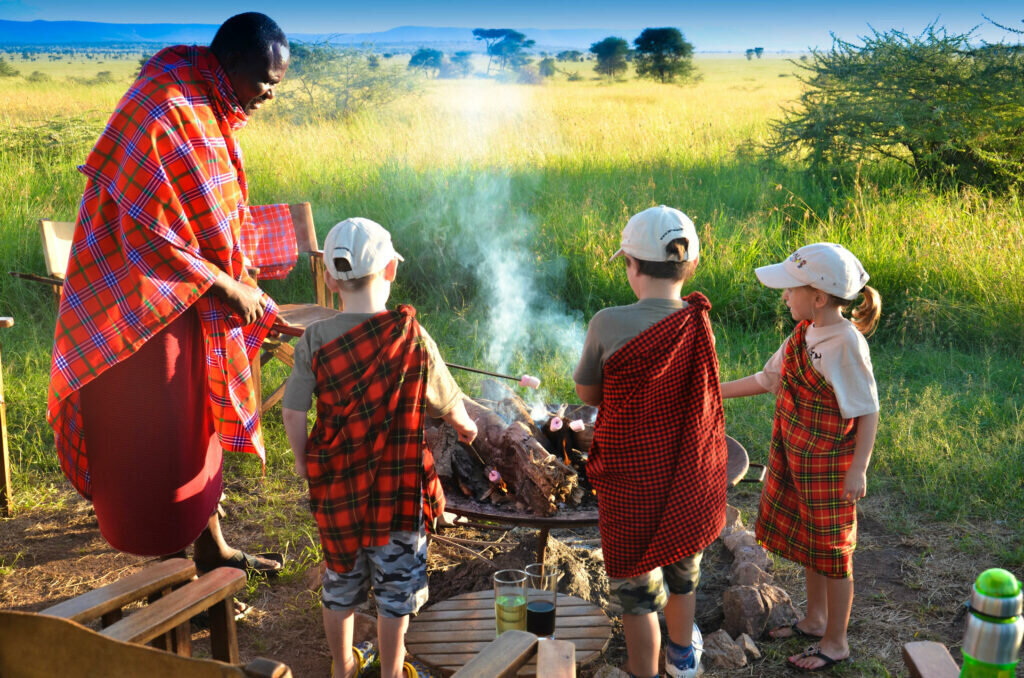
There are mornings spent watching the world wake up, afternoons with nowhere to be and evenings beneath a sky full of stars. From sleeping under canvas and learning bush skills to sharing a quiet moment watching wildlife at a waterhole, a safari creates space for families to reconnect, slow down and experience something extraordinary together.
These are not just holidays. They are the stories your family will tell for years to come.
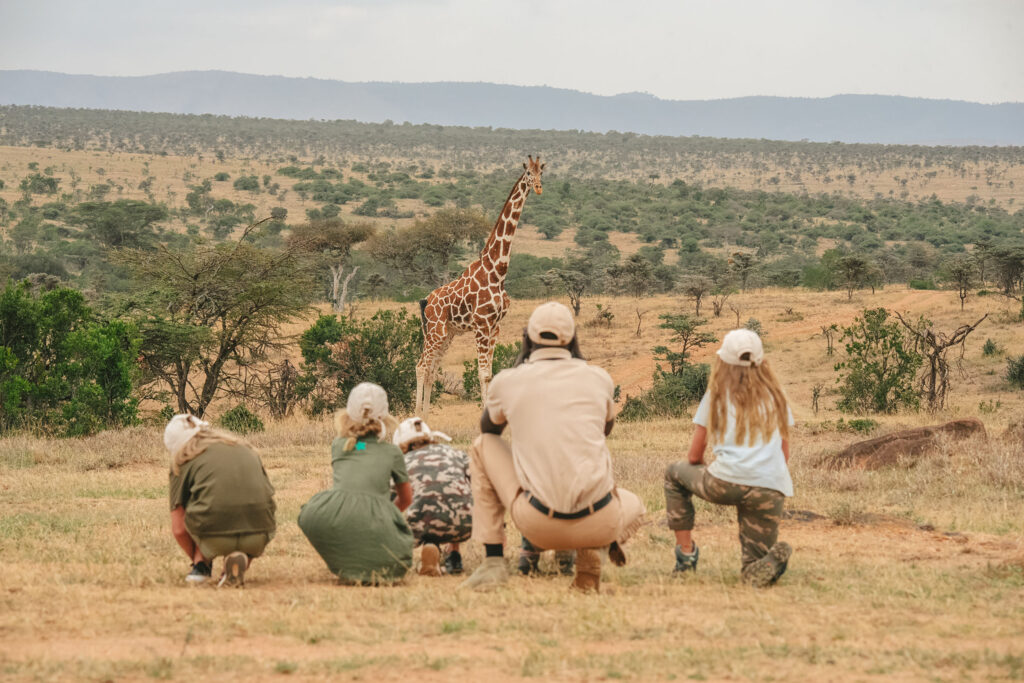
Which African Countries Are Best for Families?
From classic Big Five adventures and family-friendly self-drive journeys to remote wilderness, waterways and unforgettable primate encounters, Africa offers an extraordinary variety of family safari experiences. The best destination is the one that matches the kind of adventure your family would most love to share.
Discover our top three best family safari destinations
South Africa
South Africa is often an excellent choice for younger children, with relatively straightforward logistics, excellent infrastructure and the opportunity to combine safari with Cape Town, the coast and other experiences. There are also several malaria-free safari options.
Explore our round up of the Best Safari Game Reserves in South Africa
Kenya
Kenya offers classic African wildlife, the Masai Mara and wonderful opportunities to combine safari with cultural experiences, the coast, walking and cycling.
Our top things to do in Kenya for a unique family safari experience
Tanzania
Tanzania is ideal for families looking for extraordinary wildlife and classic East African landscapes, with the option to combine a Tanzania family safari with the beaches of Zanzibar.
Why Tanzania luxury safari holidays are perfect for families
Botswana
Botswana offers exceptional wilderness, waterways and unique experiences such as mokoro excursions, making it particularly appealing to families with older children and teenagers.
Explore the best places to visit in Botswana with children
Malawi
Malawi is a wonderful choice for families who want variety, combining safari in places such as Liwonde National Park with the beaches and water-based activities of Lake Malawi.
Zambia and Zimbabwe
Zambia and Zimbabwe are excellent for families seeking a more adventurous safari, with opportunities for walking, canoeing, boating and fishing alongside traditional game drives.
Discover what makes family safaris in Zambia so special
Uganda and Rwanda
Uganda and Rwanda offer extraordinary primate experiences, including gorilla and chimpanzee trekking, although age restrictions and the physical demands of these activities need careful consideration.
Namibia
Namibia is a fabulous destination for families looking for quality time together, with the freedom and adventure of a self-drive road trip through some of Africa’s most spectacular landscapes.
Our guests share their Namibia family safari experience
Having lived and worked extensively throughout Africa, we can help you look beyond the obvious choices and find the destination that best suits your particular family.
What Is the Best Age for a Family Safari?
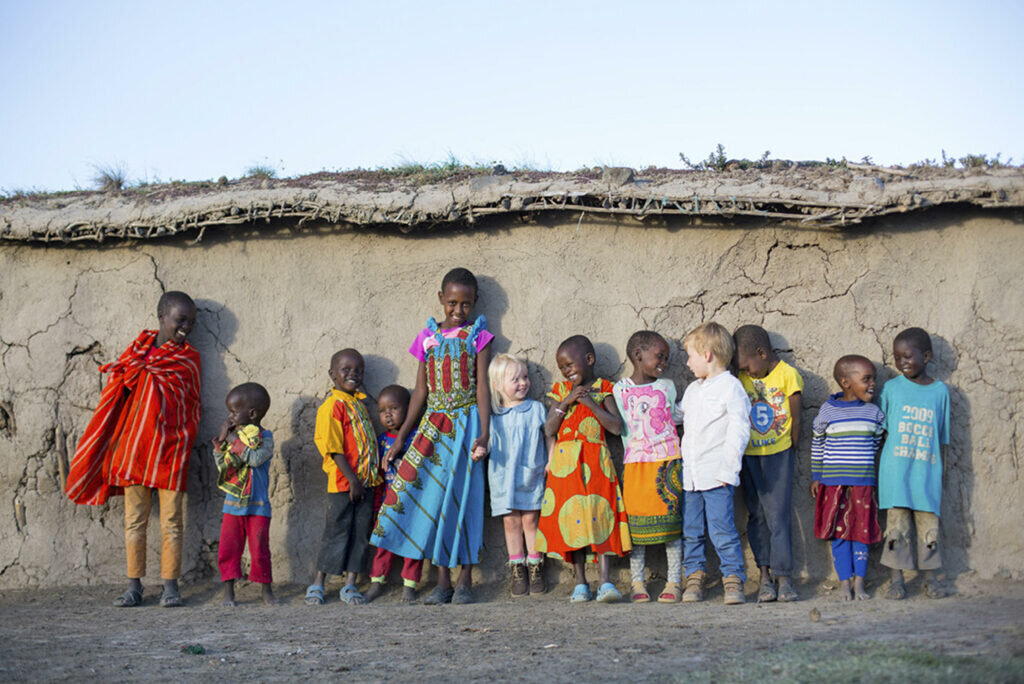
Children of all ages can have an extraordinary experience, but the destination, accommodation and activities should be tailored to their age, personality and interests.
Children Aged 0–5
A safari with babies, toddlers and preschool-aged children is possible with careful planning. Shorter travel times, flexible private vehicles, family-friendly accommodation, swimming pools and plenty of downtime can all make a difference. A malaria-free safari may also be an important consideration for some families.
Read our story of how we planned a Masai Mara safari holiday with a toddler
Children Aged 6–12
This is a wonderful age for a family safari. Children are old enough to appreciate what they are seeing while still retaining an enormous sense of wonder. Tracking animals, wildlife photography, junior ranger activities, boat trips and cultural experiences can all add variety.
Family Safari with Teenagers
Teenagers can be fantastic safari companions. Depending on the destination and age restrictions, they may be ready for walking safaris, canoeing, mountain biking, horse riding and more challenging hikes. A safari can also offer a welcome opportunity to disconnect from screens and experience something genuinely different.
Our guide to African safari holidays with teenagers
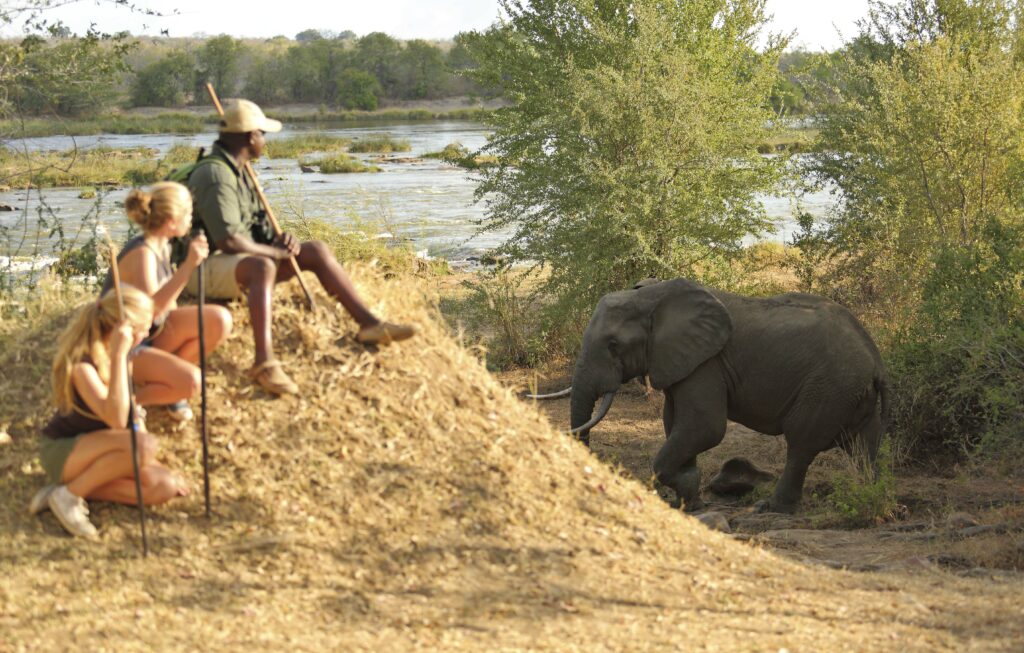
Multi-Generational Family Safaris
A safari can be a wonderful way to bring several generations of a family together, from grandparents and parents to children and teenagers. The key is creating the right balance of activities and downtime, with comfortable accommodation, a relaxed pace and experiences that everyone can enjoy together. Private vehicles, family villas or exclusive-use properties can work particularly well, allowing each generation to enjoy the safari in their own way while sharing those unforgettable moments together.
When Is the Best Time to Go on a Family Safari?
The time of year you choose can shape your safari experience in wonderfully different ways, from peak-season wildlife viewing and dramatic river crossings to lush green landscapes, newborn animals and quieter camps.
Peak season often offers reliable weather and excellent wildlife viewing, but demand and prices are usually higher.
Green season can bring lush landscapes, newborn animals, excellent birdlife, fewer visitors and potentially lower prices.
Shoulder season can offer an excellent balance between value, availability and wildlife viewing, and it is always worth asking about seasonal offers.
If your family is tied to school holidays, booking early is particularly important. If you have more flexibility, green-season and shoulder-season specials can sometimes offer excellent value.
See our destination guides to discover the best time to visit some of Africa’s most popular family safari destinations:
Discover the best time to go on a safari in Kenya and what each season has to offer.
Find out the best time to safari in Botswana and choose the season that’s right for your family.
What Can Children Do on Safari?
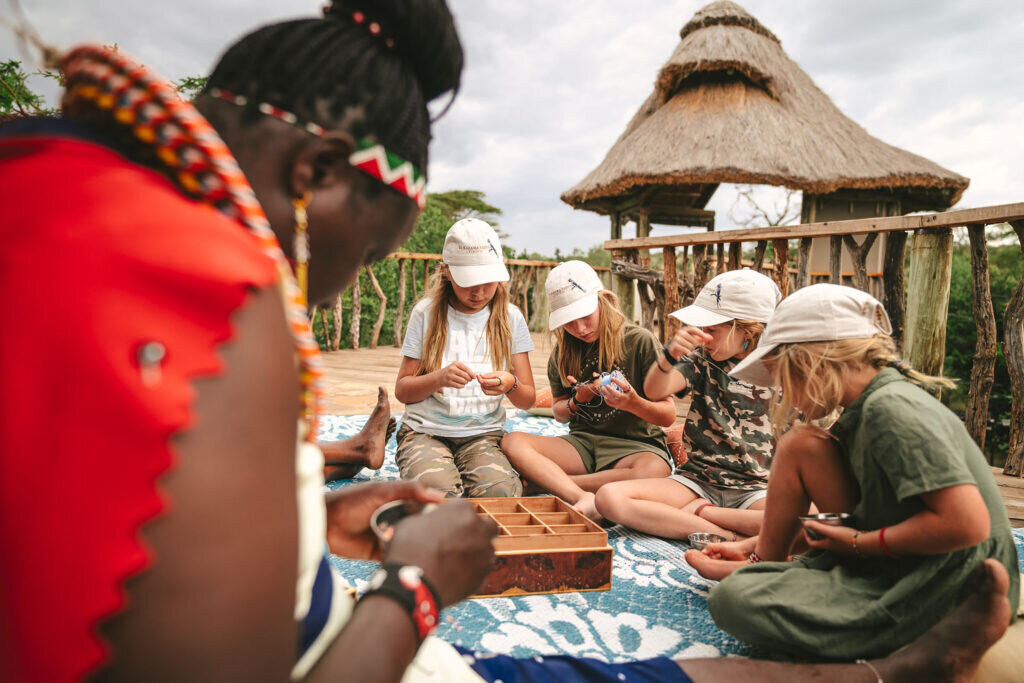
A family safari does not have to mean sitting in a vehicle for hours every day. Depending on the destination and the ages of your children, activities can include game drives, walking, boat safaris, fly camping, wildlife tracking, junior ranger activities, cultural experiences and photography.
Swimming and downtime are just as important too. A pool, a lazy afternoon or time to read and play can be every bit as valuable as another game drive.
We always look for ways to create variety and make sure the safari works for the whole family.
Malaria and Safety Considerations
Is an African safari safe for children? Yes. With the right destination, accommodation, experienced guides and sensible precautions, a safari can be a safe and hugely rewarding family holiday.
The key is choosing an experience appropriate for your children’s ages and interests, from flexible private game drives for younger children to more adventurous walking, canoeing or horse-riding experiences for older children and teenagers.
Malaria risk varies considerably across Africa, and some safari destinations are malaria-free or low risk. This can be an important consideration for families with young children.
Explore our favourite lodges and locations for Malaria-free family safaris
Family Safari and Beach Holidays: What Else Can You Add?
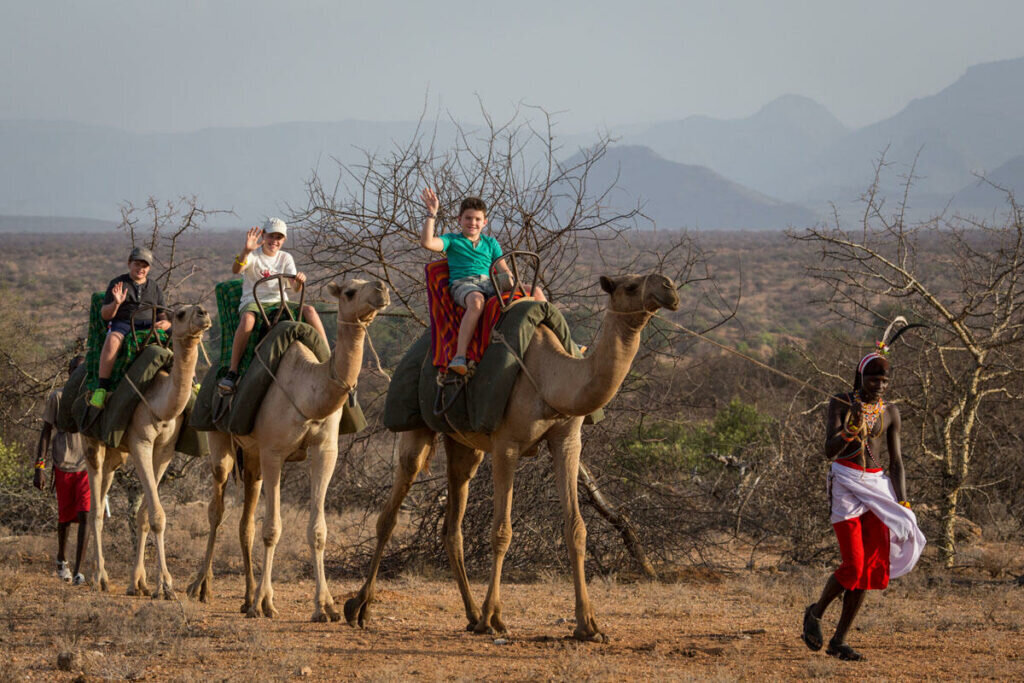
A safari does not have to be your entire holiday. Many families love combining wildlife with other experiences to create a varied itinerary that keeps everyone engaged.
Safari and beach holidays are a classic combination, from Tanzania and Zanzibar to Kenya and the coast, South Africa and Mozambique or safari and Lake Malawi. A city experience can introduce children to another side of Africa, whether exploring Cape Town, Nairobi or Johannesburg.
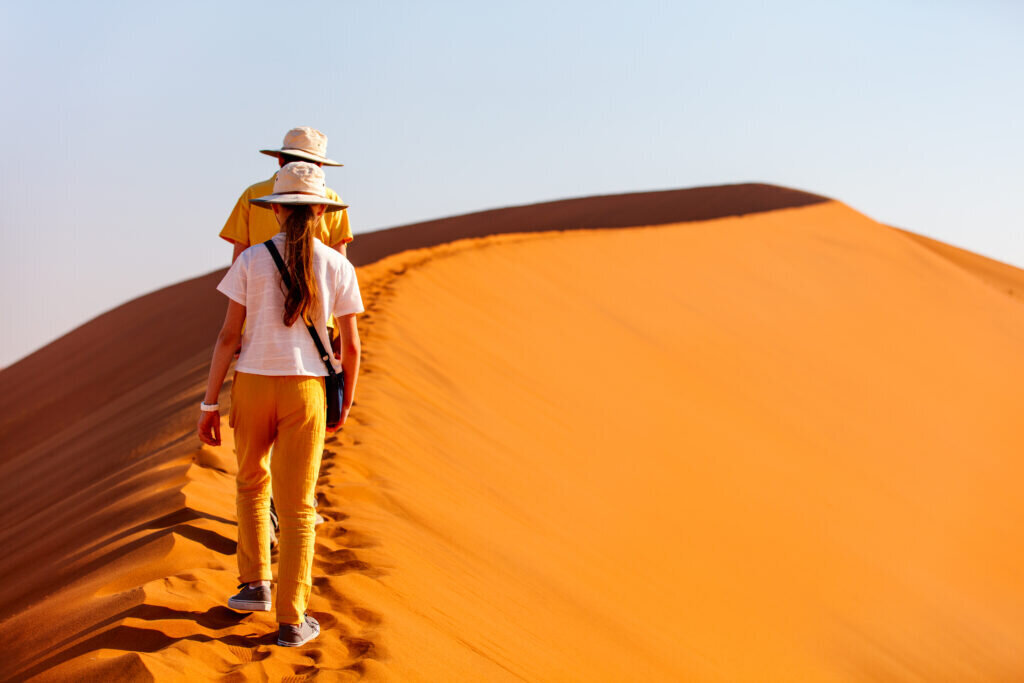
For active families, cycling, hiking and horse riding can all add another dimension. Depending on the destination, families may ride across open plains, along beaches or through forests, hike through mountains and rainforests, or cycle through rural landscapes and along lakeshores.
Cultural experiences can also be incredibly meaningful, offering opportunities to learn about local crafts, food, music, conservation and traditional ways of life.
We love creating itineraries that combine different experiences and landscapes, so that every member of the family has something to look forward to.
Tented Camp or Safari Lodge?
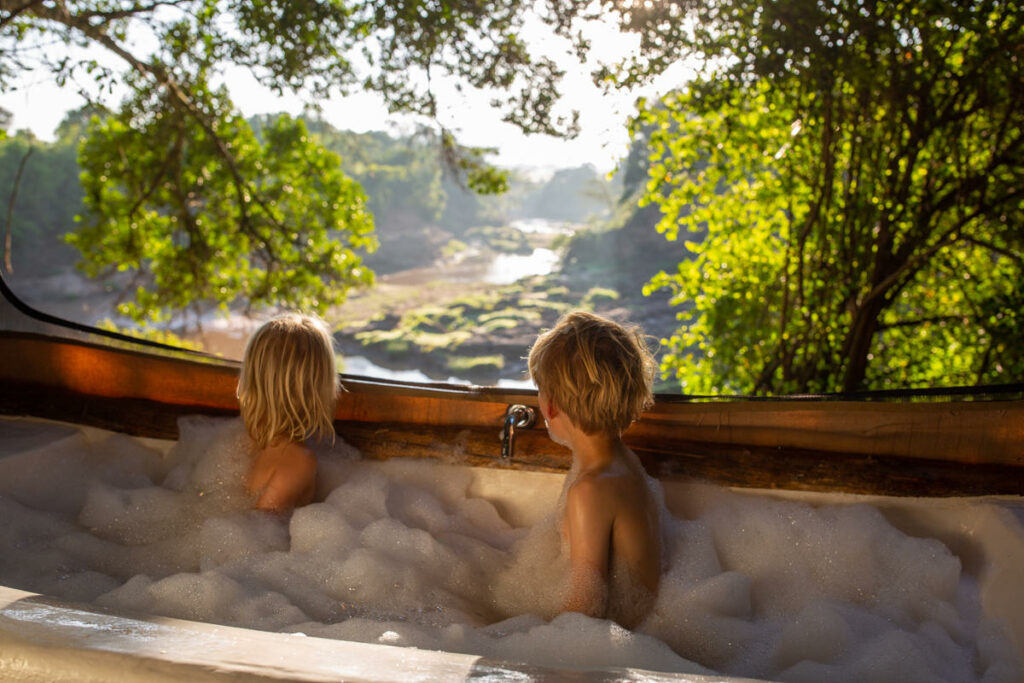
Choosing the Right Family Safari Accommodation
The right accommodation can make a huge difference to a family safari. A property that is perfect for a couple may not be right for a family with young children.
When choosing accommodation, consider family rooms or interconnecting rooms, private villas, exclusive-use houses, age restrictions, private vehicles, children’s activities, swimming pools and the overall atmosphere of the property.
There is also a difference between a lodge that technically accepts children and one that genuinely understands families. This is where our expert advice can be particularly valuable, we know the properties that truly welcome families and the ones that will work best for your particular children.
Safari Lodge or Tented Camp? What’s right for your family?
Discover our favourite Kenya safari lodges for all types of families
How to Choose the Right Family Safari Itinerary
The best family safari itinerary is not necessarily the one that visits the greatest number of places. Moving too often can be exhausting, particularly for younger children.
A well-designed itinerary should consider travel time, variety, the pace of the trip, the ages and interests of your children, the season and your family’s individual travel style.
You might combine game drives with walking, boat trips, cultural activities, beach time, swimming, city experiences and plenty of time simply to relax.
The best itinerary is the one that feels like your family, and we are here to listen and help craft your ideal trip.
Browse our luxury family safari packages for itinerary inspiration
How Much Does a Family Safari Cost?
Family safari costs vary considerably depending on the destination, season, accommodation, number of nights and activities. The biggest factors include the country you visit, internal flights and transfers, private or shared vehicles, park and conservation fees and the level of accommodation.
The style of safari you choose can also make a significant difference. Private guiding, exclusive-use accommodation and stays in private conservancies or private game reserves often come at a premium, but they can offer a more personal and flexible experience, away from the busier tourist routes. In these quieter, more remote places, you may have greater freedom to shape each day around your family and enjoy a real sense of space and exclusivity.
It is also important to consider meals, activities, transport, tipping, travel insurance and visas where applicable, and to compare like with like, as different safari prices can include very different things.
We will to talk you through all the options, helping you understand where it is worth investing and where you can make savings, so that together we can create a family safari that suits both your family and your budget.
Family Safari Packing List
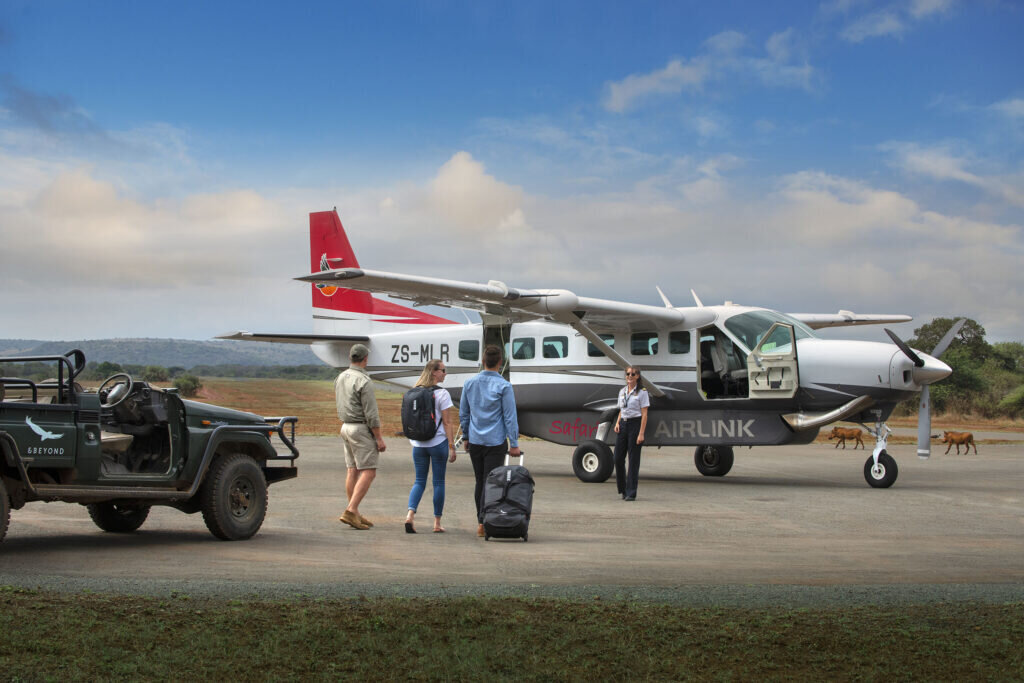
Packing for a safari is relatively straightforward. Lightweight layers, comfortable walking shoes, a warm fleece or jacket, a hat, swimwear, sunglasses and a lightweight waterproof jacket are all useful.
Binoculars, a camera, reusable water bottle, small day bag, head torch, sun cream and insect repellent are also worth considering.
For children, favourite snacks, books, a wildlife journal, coloured pencils, a camera, headphones and a small comfort item for younger children can all be useful.
Try not to overpack. Many lodges offer laundry services, and luggage restrictions on light aircraft can be strict.
Tipping on Safari
Tipping is an important part of safari culture, but practices vary between countries, lodges and camps.
Some properties operate a general staff tip, while you may also wish to tip your private guide separately. Guides, trackers, camp staff, transfer drivers and porters may all be tipped depending on the destination and circumstances.
It can sometimes feel a little confusing knowing who to tip and how much, but don’t worry we will be very happy to talk this through with you before you travel.
Your Perfect Family Safari Is Unique to You
The best family safari holidays are not necessarily the most expensive or the most ambitious. They are the ones that get the balance right: the right destination, accommodation, guide, pace and mix of adventure and downtime.
For one family, that might mean a malaria-free safari in South Africa followed by Cape Town and the coast. For another, it could be the Serengeti and Zanzibar. Another family might prefer the waterways of Botswana, the wilderness of Zambia or the combination of safari and lake time in Malawi.
We have spent decades living and working in Africa, and we are also parents. We understand that a family safari needs to work for everyone.
Every Coral Tree family safari is individually designed around your family, your interests and the way you want to travel. We take the time to get to know what excites you, what your children will enjoy and how you want your holiday to feel, before using our first-hand knowledge of Africa to create something completely bespoke.
Because Africa is not one destination. And your family is not like any other.
Speak to an African family safari expert
If your dream is to experience the wonders of Africa with your loved ones, then please get in touch.
We’d love to help.
Request a free consultation
Some images used in this blog are the property of our partners. Please contact us for more details.
Safari Lodge or Tented Camp... Which should you choose?
Safari Lodge or Tented Camp: Which Is Right for Your Family?
One of the joys of planning a family safari is choosing where you’ll stay. Whether you’re dreaming of sundowners on a private veranda or falling asleep to the sounds of the wild just beyond your canvas walls, your safari accommodation will shape your entire experience.
At Coral Tree Travel, we specialise in matching each family with the perfect blend of adventure and comfort. Two of the most popular—and wonderfully different—options are safari lodges and tented camps. Both offer unforgettable access to Africa’s wilderness, but each delivers a unique atmosphere.
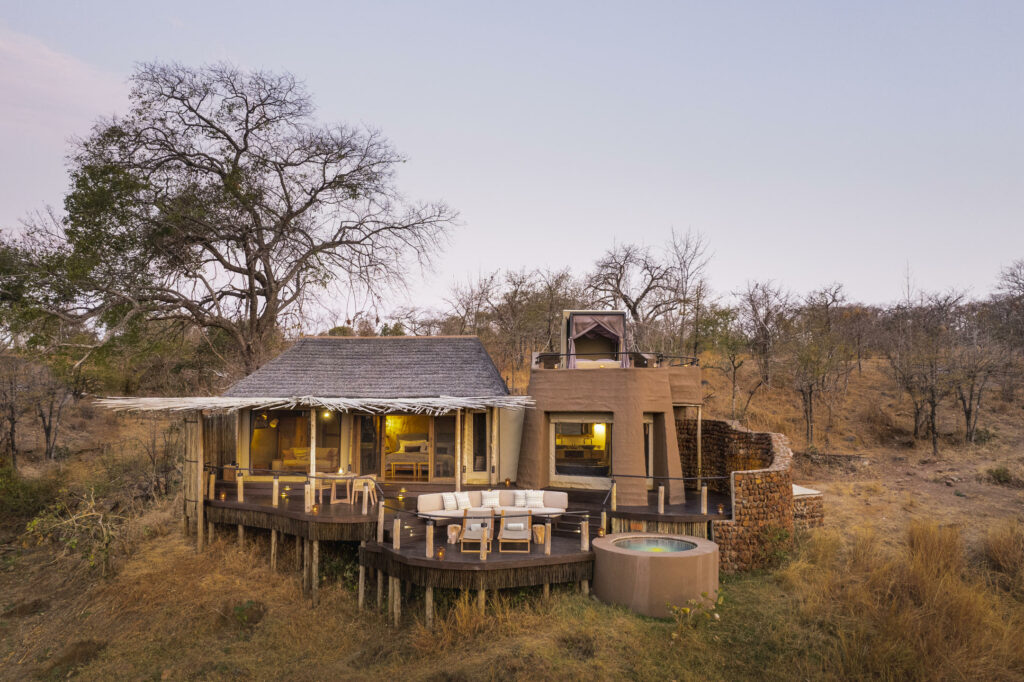
Safari Lodges: Effortless Luxury in the Heart of Nature
Safari lodges are permanent structures, often tucked into hillsides or overlooking waterholes, designed to offer style, comfort, and plenty of space to relax. Think beautiful stone or timber buildings with thatched roofs, generous rooms (often with interleading suites for families), and inviting shared spaces like pools, lounges, and fire pits.
For families, lodges can feel like home — just with giraffes on the doorstep. With chefs who cater to all dietary needs, babysitting services, and even dedicated kids’ activity programs at some properties, they’re a fantastic option for those travelling with little ones or teens.
Expect warm hospitality, excellent guiding, and thoughtful touches throughout. If you’re seeking a seamless, high-comfort base from which to explore, a safari lodge might be your ideal match.
Read our guide to the best safari lodges for families for more inspiration.
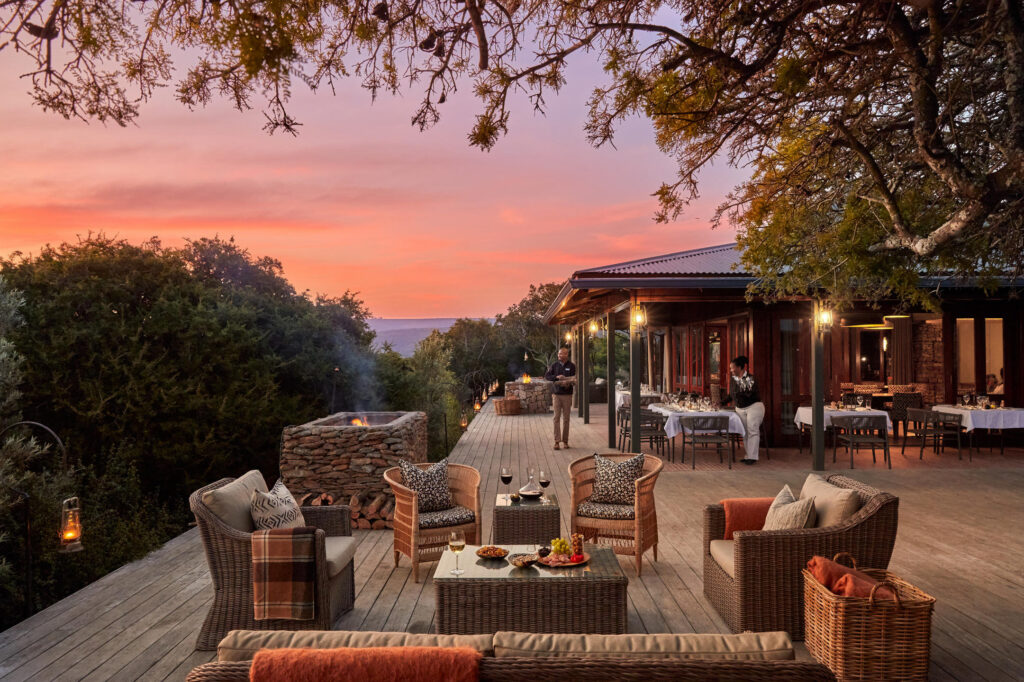
Tented Camps: Wildly Special, Deeply Immersive
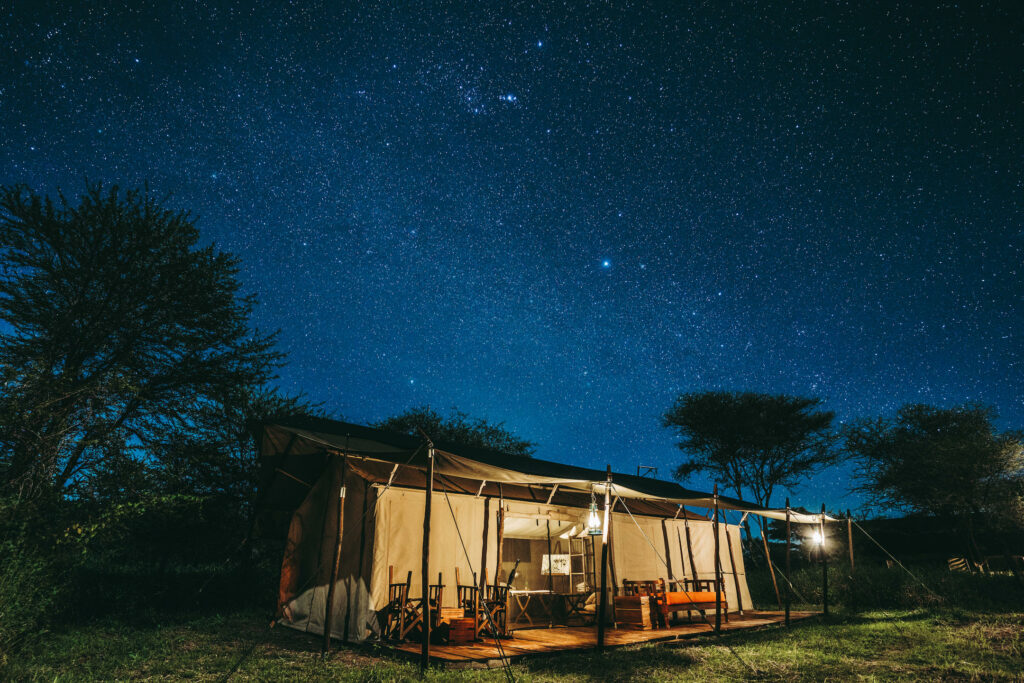
Tented camps offer a different kind of magic. Designed to blend effortlessly into their surroundings, these camps bring you closer to nature without compromising on comfort.
Most have proper beds, flushing toilets, and hot showers – some even feature clawfoot bathtubs and private plunge pools!
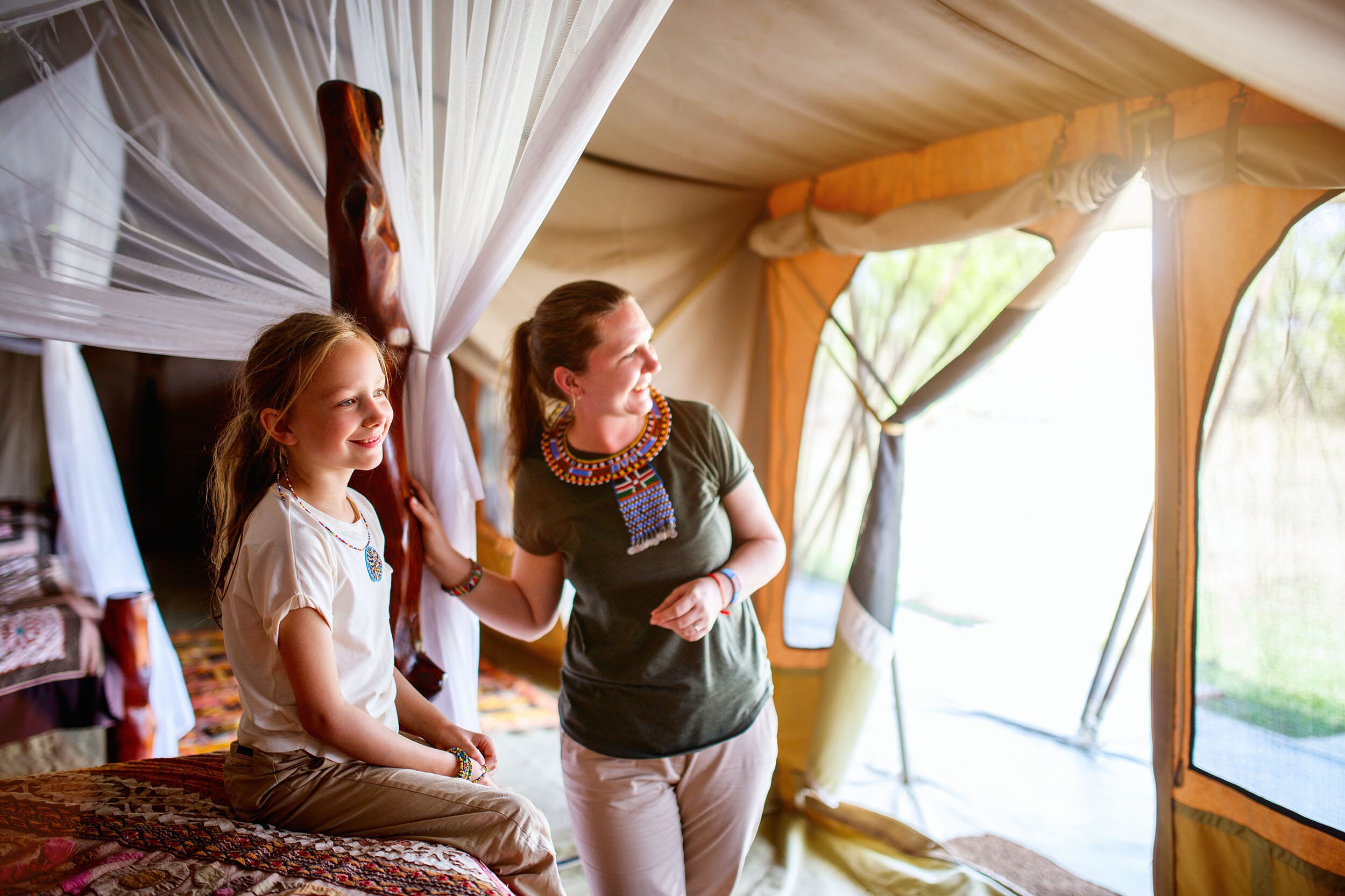
But it’s the experience that sets them apart. At a tented camp, you’ll drift off to sleep with the night chorus of the bush just outside, and wake to birdsong and golden morning light filtering through canvas walls. It’s peaceful, personal, and wonderfully atmospheric.
Many tented camps are smaller and more intimate, which suits families looking for quality time in a quieter setting. Some camps can even be booked exclusively for your group—perfect for multi-generational adventures or milestone celebrations.
Read our guide to the best tented camps for families for ideas of where to experience the wild.
So… Which Should You Choose?
Here’s the good news – you don’t have to choose just one.
Many of our tailor-made safaris combine both styles, offering families the best of both worlds: the ease and space of a lodge, and the wild, soulful beauty of a tented camp.
Whether your family prefers the soft luxury of a safari lodge or the adventurous spirit of a tented camp, we’ll help you find the perfect fit.
Because no matter where you rest your head, it’s the time spent together—exploring, learning, and sharing stories under starry skies—that will stay with you forever.
Request a free consultation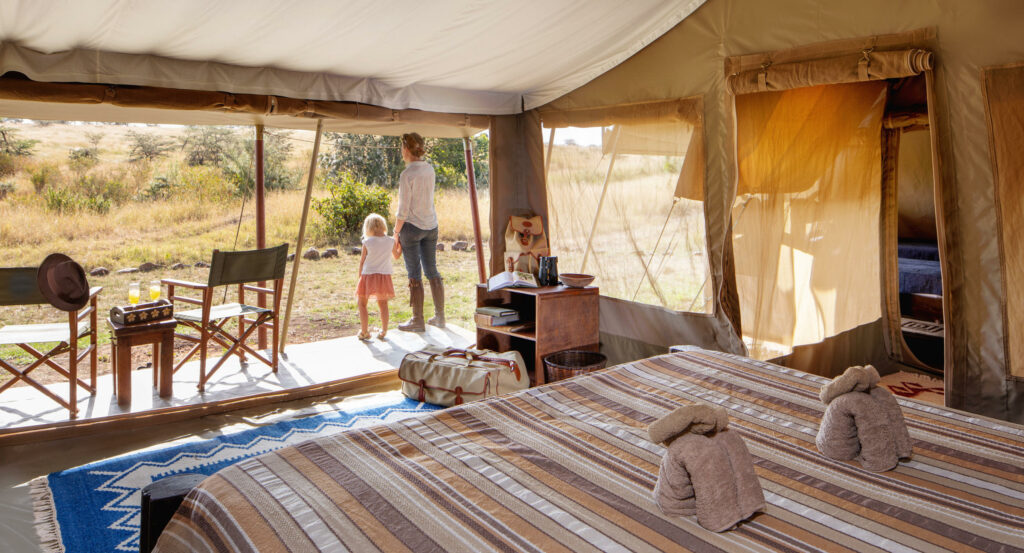
Some images used in this blog are the property of our partners. Please contact us for more details.
Best Family Safaris in 2026
Best Family Safari Destinations for 2026 & 2027
A family safari offers the perfect opportunity to bond, learn, and immerse yourself in the wild wonders of nature.
Families seeking unique experiences and unforgettable memories can explore a variety of safari destinations that cater to both adventure and comfort.
From iconic wildlife reserves to pristine wilderness areas, here are our choices for the best family safaris in 2026 & 2027.
Kenya
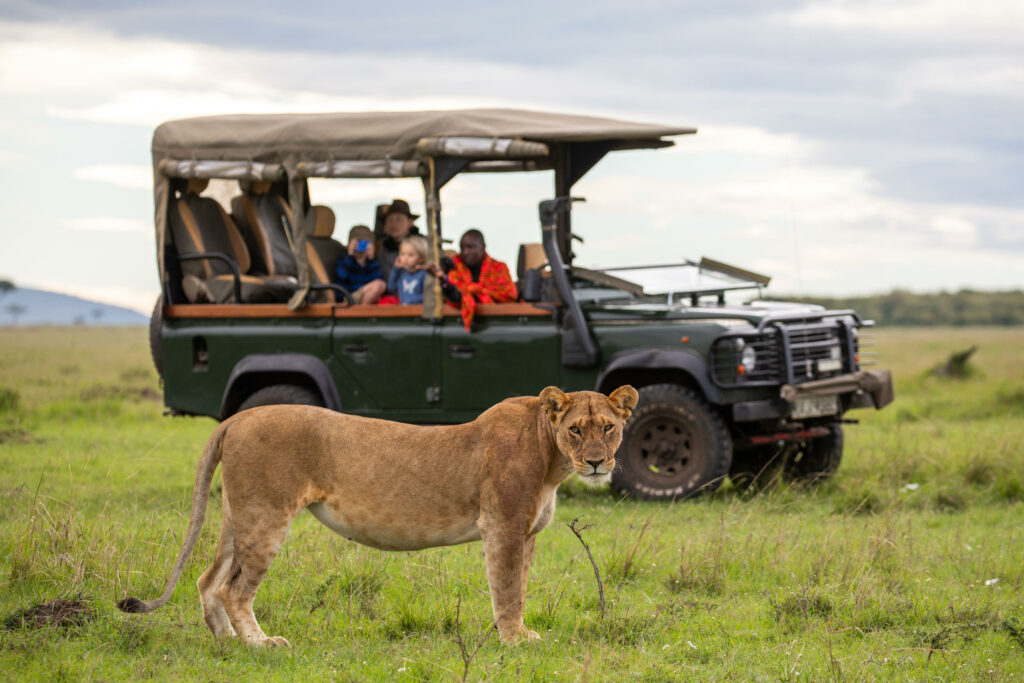
Kenya is one of the most famous safari destinations in the world, and it’s also a fantastic choice for families.
With excellent air access from Europe and North America, it’s convenient to get to and has a phenomenal variety of pristine wilderness areas, epic landscapes and fascinating culture.
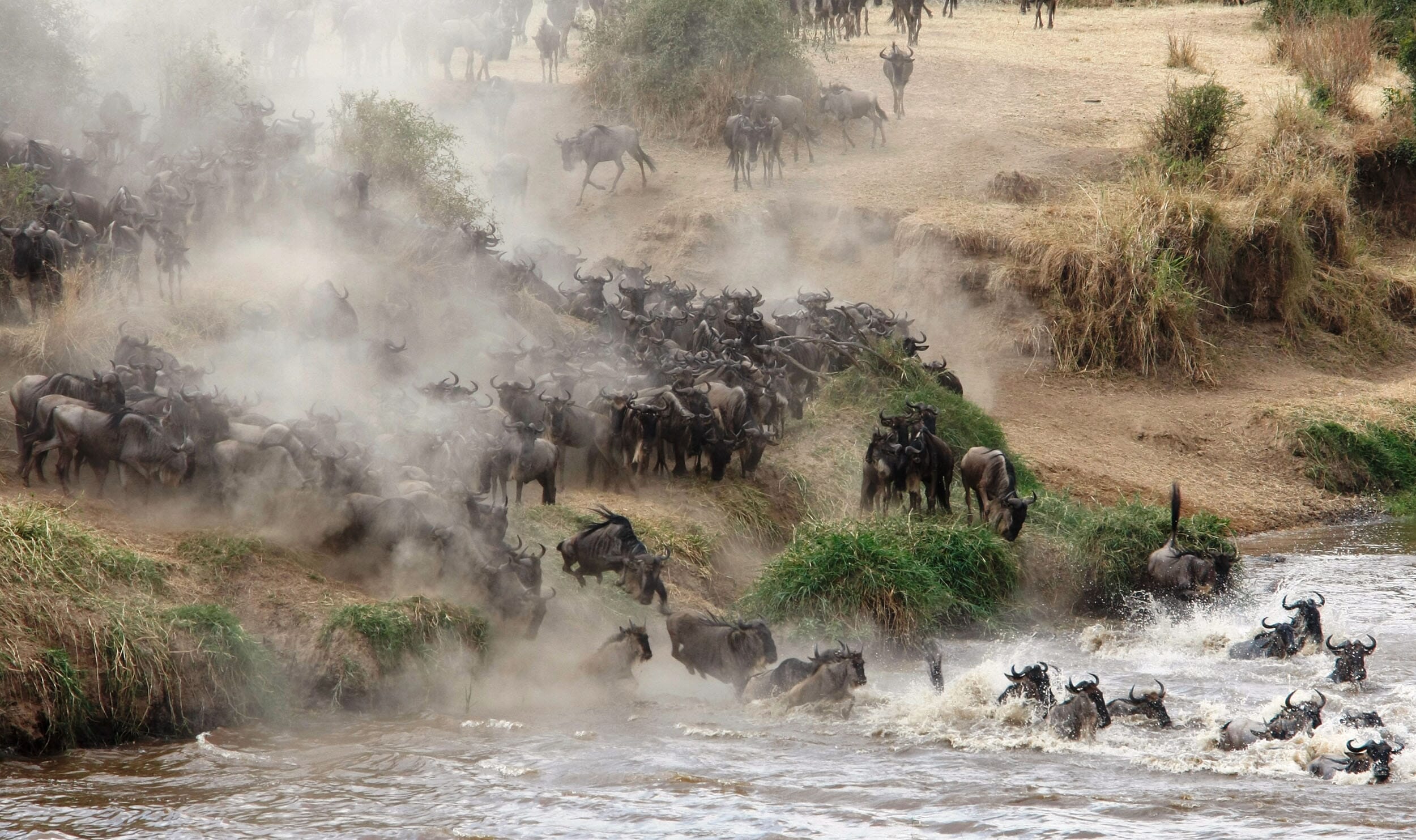
Top of the list for many families is the Masai Mara, known for its incredible wildlife diversity, and offering a truly immersive experience. In 2026, the Mara will continue to be a prime location to witness the awe-inspiring Great Migration (from July to early October) where millions of wildebeest, zebras, and gazelles cross to and from Tanzania in search of greener pastures.
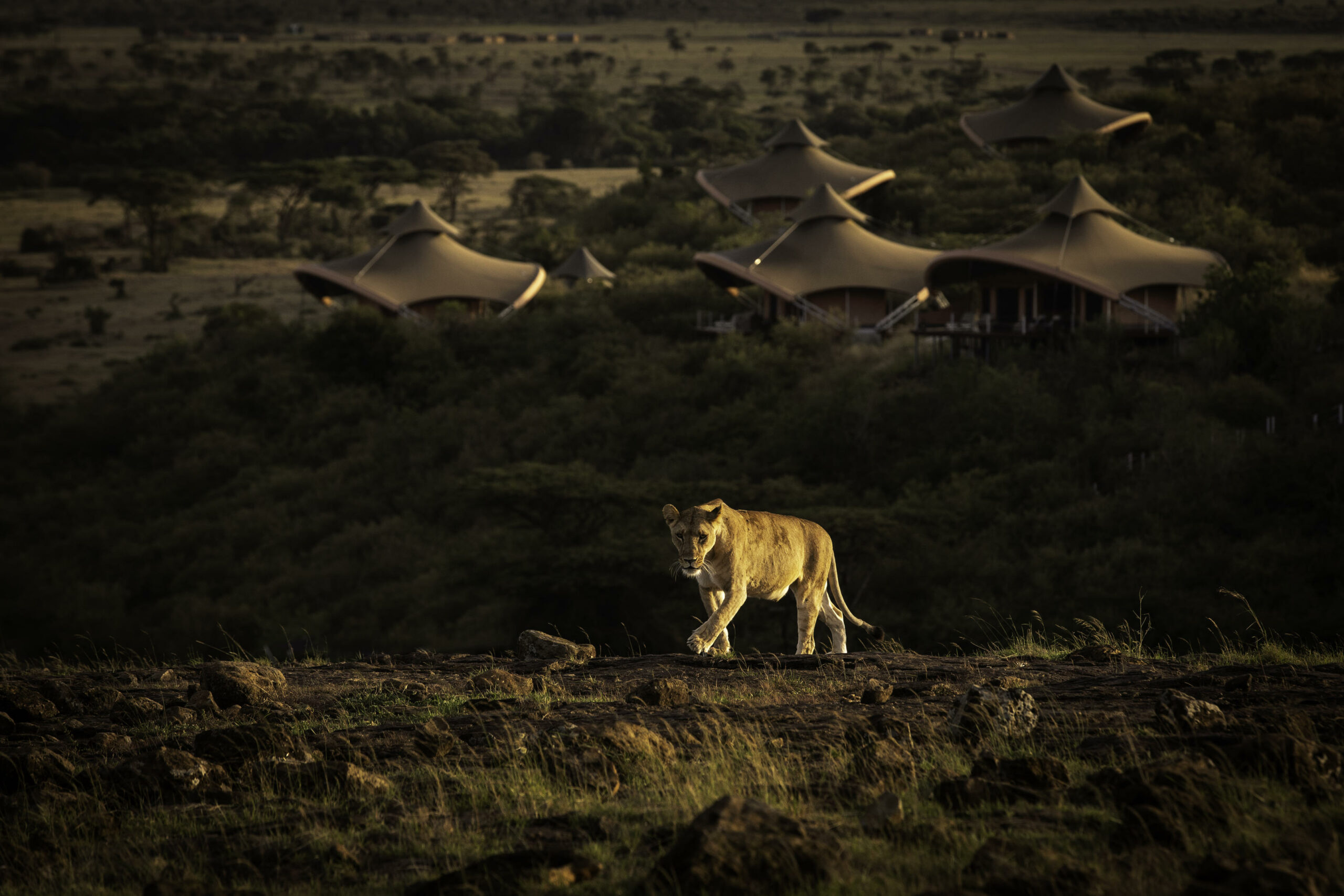
Here at Coral Tree Travel we are huge fans of the Mara conservancies, which border the National Reserve and offer a more authentic experience with closer ties to the local communities and fewer vehicles than are found in the National Reserve, particularly in high season.
Family-friendly safari properties such as Naboisho and House in the Wild provide spacious family suites, private guides, and tailored safaris, ensuring families with children have a safe and comfortable stay.
Kenya has so much more to offer than the Masai Mara and our favourite area for off the beaten track experiences is Northern Kenya, in particular the Laikipia plateau and Samburuland. Here, families will find unique wildlife, world-leading conservation success stories, and some of Africa’s most beautiful vistas.
Lodges like El Karama and Ekorian Mugie have been built specifically with families in mind, which takes the experience up a notch for nature-loving little ones.
Tanzania
Tanzania is a dream destination for families looking to combine adventure with luxury, and the natural choice for families looking for a safari and beach holiday.
Tanzania is blessed with 22 national parks, with the Serengeti National Park and Ngorongoro Crater, both in the north of the country, being the most well-known and perenially popular choices with families looking for a truly awe-inspiring safari holiday.
The Serengeti, with its sweeping plains and large predator populations, is perfect for thrilling game drives. Meanwhile, the Ngorongoro Crater is often referred to as the “eighth wonder of the world” due to its dense concentration of wildlife in a relatively compact area.
Lodges such as Lamai Serengeti or Gibb’s Farm provide a high standard of accommodation and unique experiences, tailored to families.
Tanzania safaris often involve travelling long distances, so we usually recommend it for families with children aged 8 and above rather than those with very young travellers,
Away from the more famous areas, we are enamoured of the untouched beauty of Nyerere National Park and Ruaha National Park in the south of the country. These two parks combine perfectly and offer a truly unique experience in wildlife areas untouched by mass tourism. As well as traditional game drives, the lucky few who visit these spectacular parks will be treated to boat safaris, walking safaris (age restrictions apply) and wild sleep outs under the stars.
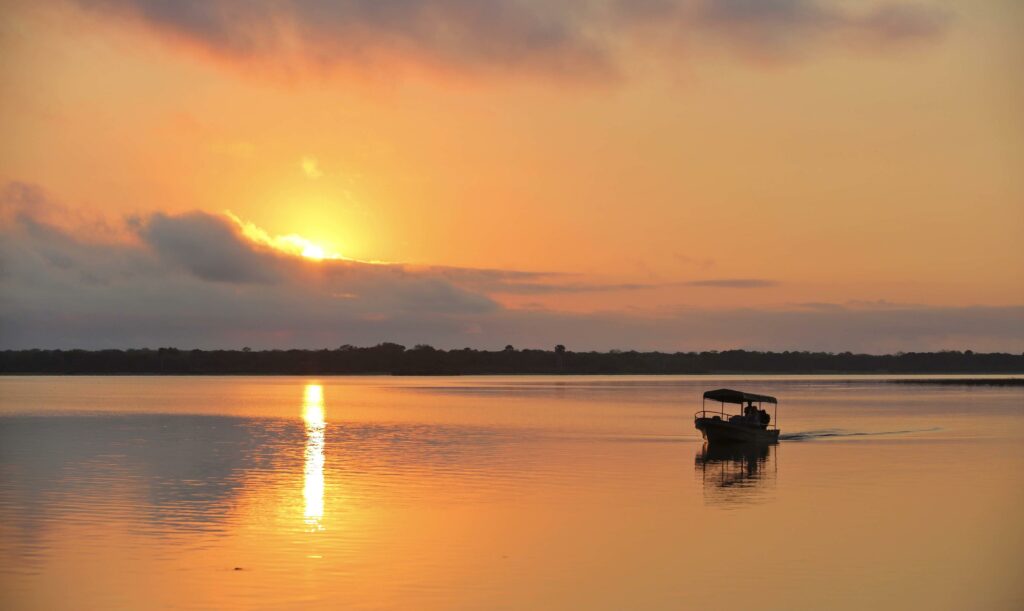
Once the safari has delivered a thrilling adventure, many families choose to end their Tanzania adventure with a stay on one of the evocative islands of the Zanzibar archipelago. The perfect way to relax and enjoy some sun, sea and sand on endless white-sand beaches lapped by turquoise waters.
South Africa
South Africa is one of the best safari destinations for families, especially those with younger children.
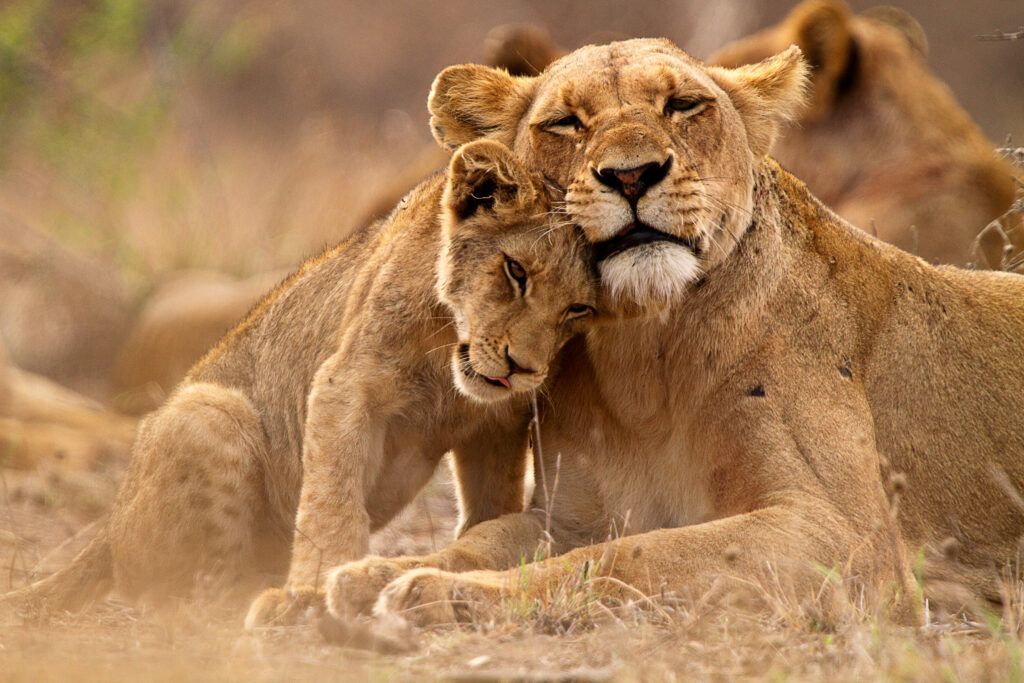
The Kruger National Park, one of Africa’s largest and most famous parks, has some of the broadest choice of family safari lodges in Africa. Kruger offers a variety of accommodation options, from luxurious lodges to more affordable self-catering units, ensuring there’s something for every budget.
In 2026, the private reserves bordering the Kruger National Park, such as Sabi Sands and Timbavati will continue to provide high-quality, family-focused experiences. These private reserves offer personalized safaris, allowing families to experience the bush at their own pace. Children can enjoy specialized activities, such as junior ranger programs, bush walks, and arts and crafts sessions. Many lodges also provide family rooms or private villas, allowing for a more intimate and comfortable experience.
For families with very young children, malaria risk can be a concern, which makes South Africa a natural choice, as it’s blessed with incredible reserves that are malaria-free all year round. Our favourites include Madikwe Game Reserve in the north, particularly Madikwe Safari Lodge, and the Eastern Cape Reserves, such as Kwandwe and Shamwari.
All are home to the Big 5, and the Eastern Cape reserves combine perfectly with Cape Town and the Garden Route for an unforgettable family road trip adventure.
Botswana
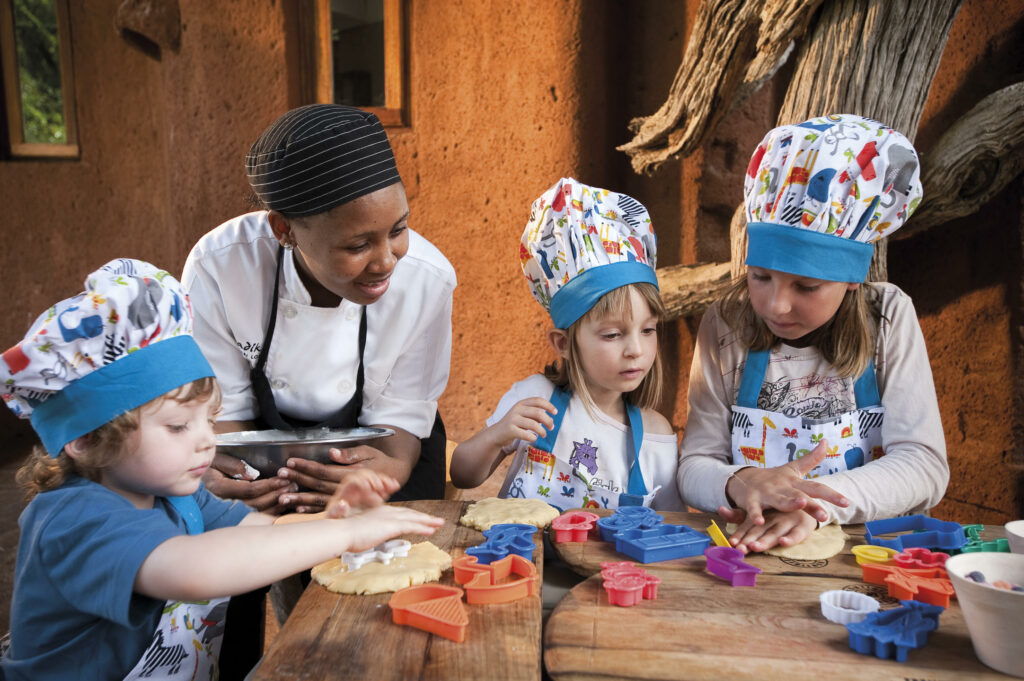
Botswana is most well-known for the Okavango Delta, which is a pristine and unique destination for families who want to experience a combination of game drives, mokoro (canoe) safaris, and walking safaris.
In 2025, the Okavango’s crystal-clear waters, rich wildlife, and serene landscapes make it an ideal choice for families looking for a truly sensational safari adventure. Many camps here, such as Mokolwane and Shinde, cater to families by offering private guides and family-friendly activities.
The Okavango Delta is known for its biodiversity, and families can expect to see everything from elephants and lions to hippos and colorful bird species. Kids can also engage in fun conservation-based activities, learning about local ecosystems and the importance of wildlife preservation. Because of its more remote nature, the Okavango offers a peaceful, exclusive experience where families can bond without the distractions of everyday life.
Complimenting the Okavango Delta are the equally stunning regions of Botswana, such as the Central Kalahari, Chobe National Park and the Linyanti Wetlands.
Zambia
2026’s most up and coming safari destinaiton, Zambia is home to outstanding safari experiences in Africa’s most jaw-dropping locations.
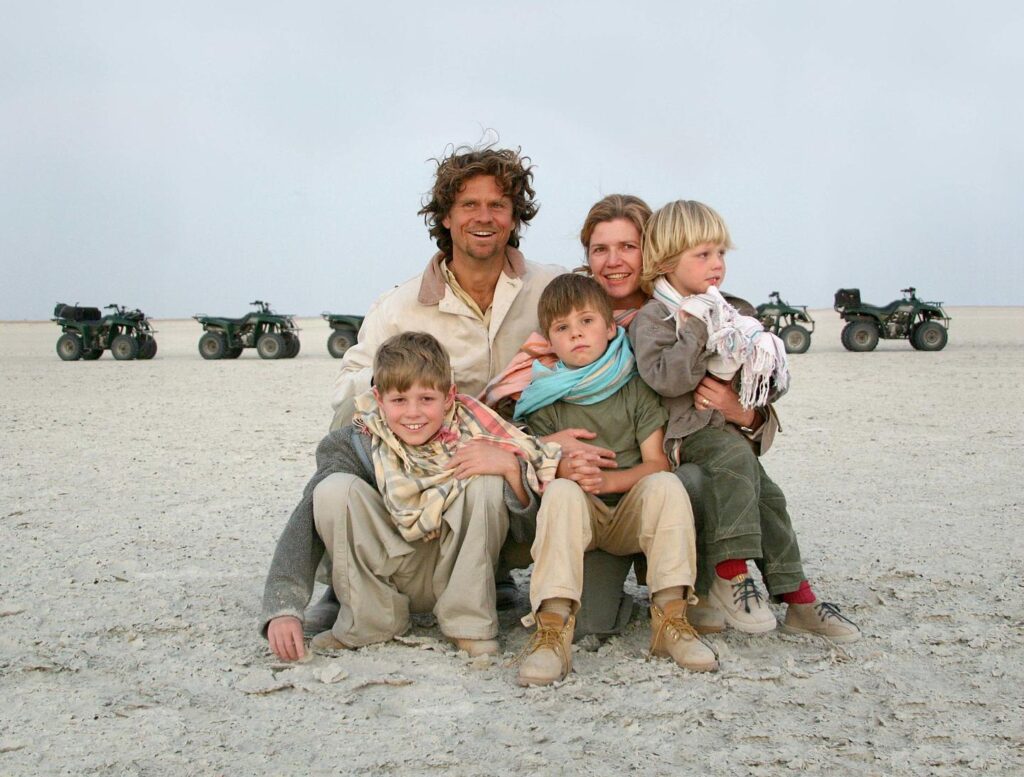
South Luangwa National Park is one of the best places to go for a more intimate and off-the-beaten-path safari. Known for its walking safaris, South Luangwa offers a hands-on approach to wildlife observation that is perfect for children who are eager to learn about the environment (age restrictions apply). Families can enjoy private game drives with some of Africa’s most experienced guides who can tailor the experience to the interests of younger visitors.
Lodges like Flatdogs Camp and Kafunta River Lodge offer family-friendly accommodations and safari programs designed specifically for kids. These include educational games, scavenger hunts, and creative workshops focused on the park’s animals and ecosystems.
Lower Zambezi National Park can stake a claim to be Africa’s most beautiful wilderness area. The mighty Zambezi River brings life to this haven for wildlife and the winter thorn acacia forests bring a touch of ethereal beauty to the magical landscape. On a recent visit, we saw more predators than we’ve ever witnessed anywhere in Africa, including huge numbers of lions, leopards and wild dogs, living side by side.
With the recent BBC Kingdom series shining a spotlight on this beautiful country, so it’s only going to get more famous!
Namibia
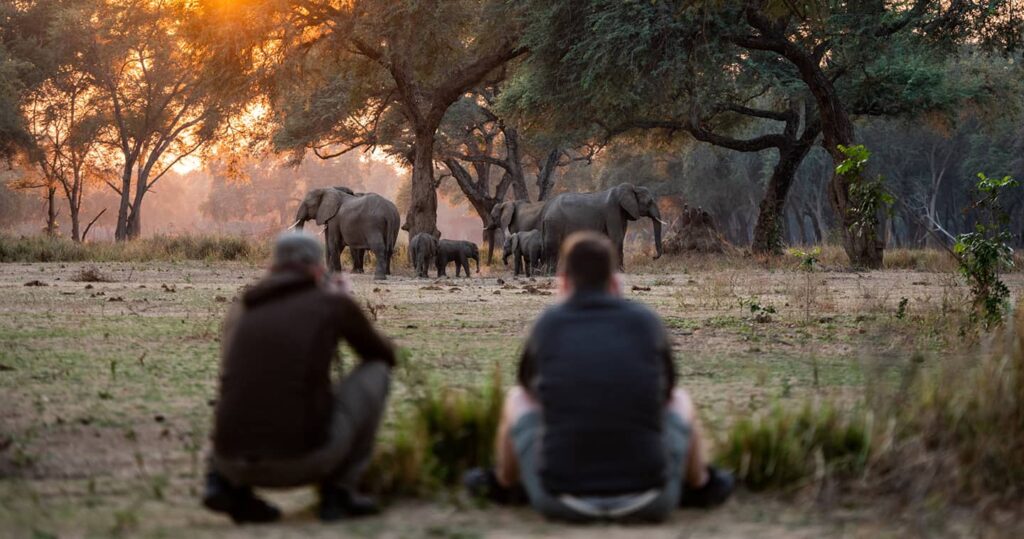
The home of the luxury self-drive itinerary, Namibia offers the chance to hit the road and experience the true majesty of Africa’s wild open spaces.
Etosha National Park offers a unique safari experience with its vast salt pans, waterholes, and a high concentration of wildlife. Etosha is home to a variety of species, including elephants, lions, rhinos, and giraffes, which can be easily observed from the comfort of the park’s waterhole viewing platforms.
Etosha’s well-maintained infrastructure, including family-friendly accommodations like those at Onguma Bush Camp, makes it a convenient and safe destination for families. The park’s focus on self-drive safaris allows families to explore at their own pace, while still benefiting from expert guides who can provide insightful commentary on the animals and their behaviors.
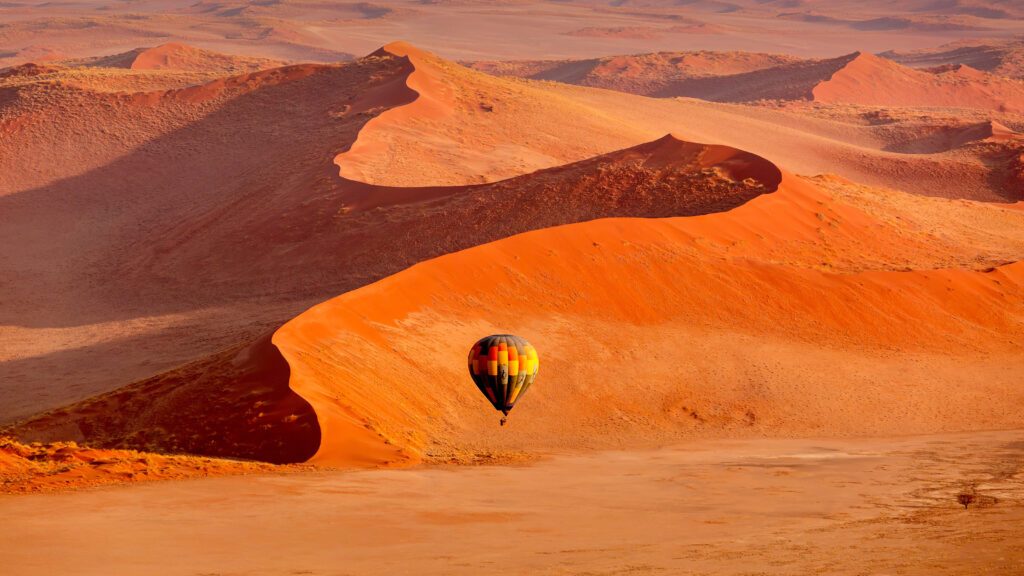
Further south, families will marvel at the towering red sand dunes of Sossusvlei set within the vast Namib desert. There’s no greater place to enjoy a hot air balloon safari, soaring over the dunes.
Nestled along the picturesque Atlantic coast of Namibia, Swakopmund is a charming seaside town that beckons with its unique blend of natural beauty, adventure, and German colonial history.
Characterised by rocky escarpments, granite kopjes and burning red mountains, the Damaraland is a remote and sparsely populated region. With tourists few and far between, it is the perfect destination for families wanting to get off the beaten track.
All of the above can be combined seamlessly in an epic family safari drive itinerary, in the comfort of an elite 4×4 vehicle with unrivalled support from our team on the ground in Namibia.
Conclusion
For families looking to embark on a safari in 2026, these destinations offer the perfect blend of adventure, wildlife, and comfort.
Whether you choose the rolling savannas of Kenya’s Maasai Mara, the rich biodiversity of Tanzania’s Serengeti, or the serene waterways of Botswana’s Okavango Delta, each destination promises a once-in-a-lifetime experience for all ages. With family-focused accommodations, expert guides, and an array of activities tailored to children, these safari destinations will create lasting memories for your entire family.
As family safari specialists, we are used to designing unique safari adventures for families of all shapes and sizes. From multi-generational celebrations, to solo parents travelling with children, or a special occasion family bonding trip; we’ve got you covered.
When you’re ready to start planning your own incredible adventure, get in touch with us here at Coral Tree Travel and we’ll be with you every step of the way.
Request a free consultation
Some images used in this blog are the property of our partners. Please contact us for more details.
Best Private Conservancies in Kenya
When it comes to luxury safaris in Kenya, private conservancies offer a unique alternative to better known national parks and reserves.
Seamlessly blending wildlife conservation with community initiatives, private conservancies offer a more exclusive safari experience with fewer crowds and exciting activities not permitted in national parks. But what exactly are private conservancies, and how do they differ from the more well-established national parks?
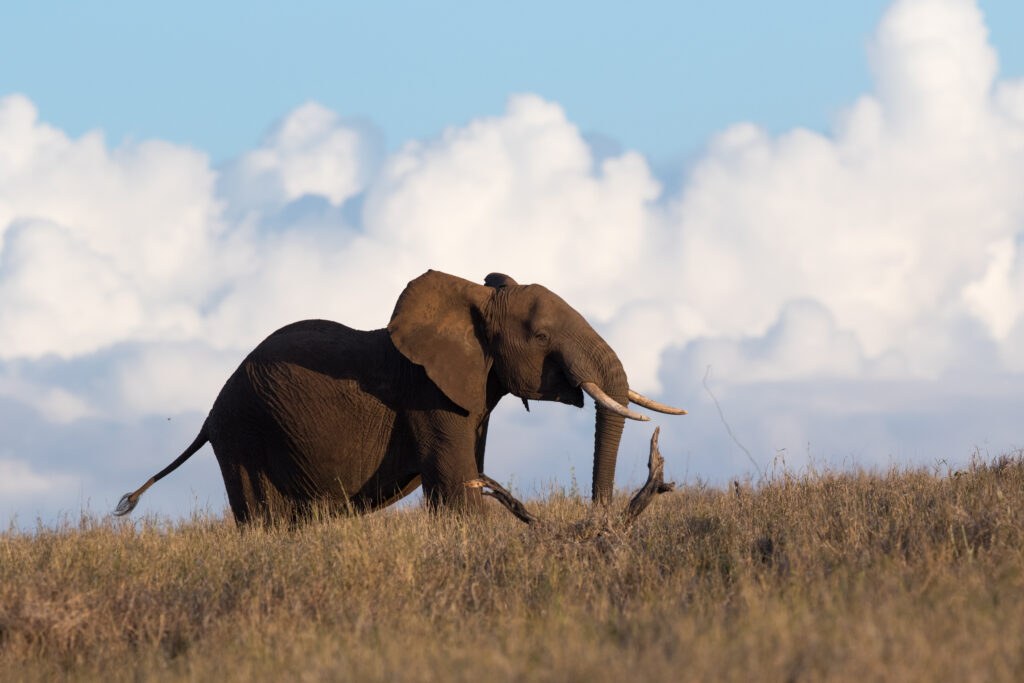
Private conservancies are conservation areas managed by local communities, landowners, or private groups, providing a lifeline for the 70% of Kenya’s wildlife found outside of national parks, especially amidst the growing pressures of population growth, agriculture, and climate change.
Why choose a private conservancy for a Kenyan safari?
Private conservancies offer a safari experience that’s intimate, immersive, and impactful—everything we love at Coral Tree Travel.
First, there’s the exclusivity. While national parks are open to the public, private conservancies restrict the number of guests and do not permit day visitors. Forget busy safari circuits; in private conservancies, you’ll often find yourself alone at a sighting, making encounters with the Big Five that little bit more special.
The top private conservancies also allow activities not permitted in the national parks. Off-road game drives, walking safaris, and night drives allow you to get closer to the action and provide an adventurous experience that’s hard to match in larger reserves. Many conservancies are also adjacent to national parks, meaning you can enjoy the same spectacular wildlife, but with far fewer crowds and a broader range of activities.
Conservancies are also more focused on conservation and sustainability. Many directly support local livelihoods by employing local people and contribute conservation fees to resident communities, ensuring tourism benefits the people that call these areas home.
With over 230 private conservancies spanning nearly 9 million hectares, choosing where to begin can feel overwhelming. To spark ideas for your next family safari, our travel specialists have handpicked the top private conservancies in Kenya, each offering unforgettable experiences and incredible game-viewing.
The Mara Conservancies
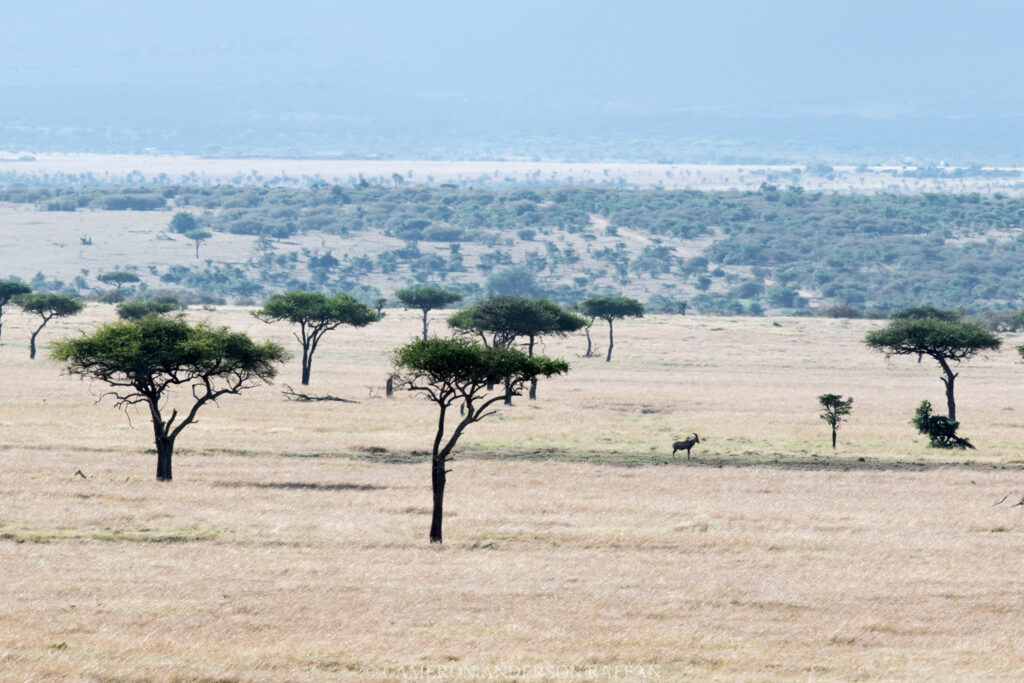
The Maasai Mara National Reserve is renowned as one of Africa’s best destinations for spotting the Big Five and witnessing the annual Great Migration. While it attracts over 300,000 visitors annually, the 24 surrounding private conservancies, such as Mara Naboisho and Mara North, offer a more exclusive experience. These hidden gems allow for intimate wildlife encounters away from the crowds, all while supporting Maasai communities through tourism revenue.
Mara Naboisho Conservancy
Spanning over 200 square kilometres, Mara Naboisho Conservancy is celebrated for its incredible density of wildlife and its dedication to preserving Maasai cultural heritage.
With over 100 lions, as well as cheetahs and wild dogs, the conservancy boasts one of Africa’s highest big cat populations. Due to the cap on visitor and camp numbers, sightings of wildlife are far more regular and intimate than in the Mara Reserve, and thanks to flexible conservancy rules, walking safaris, night game drives and fly camping are all permitted.
Owned by 500 Maasai families, the conservancy restores overgrazed lands and a tourism stipend directly benefits local livelihoods. Many of the conservancy’s guides hail from nearby Maasai villages, adding an authentic cultural dimension to the safari experience, and visiting these villages offers families a unique opportunity to learn about Maasai customs and traditions.
Mara North
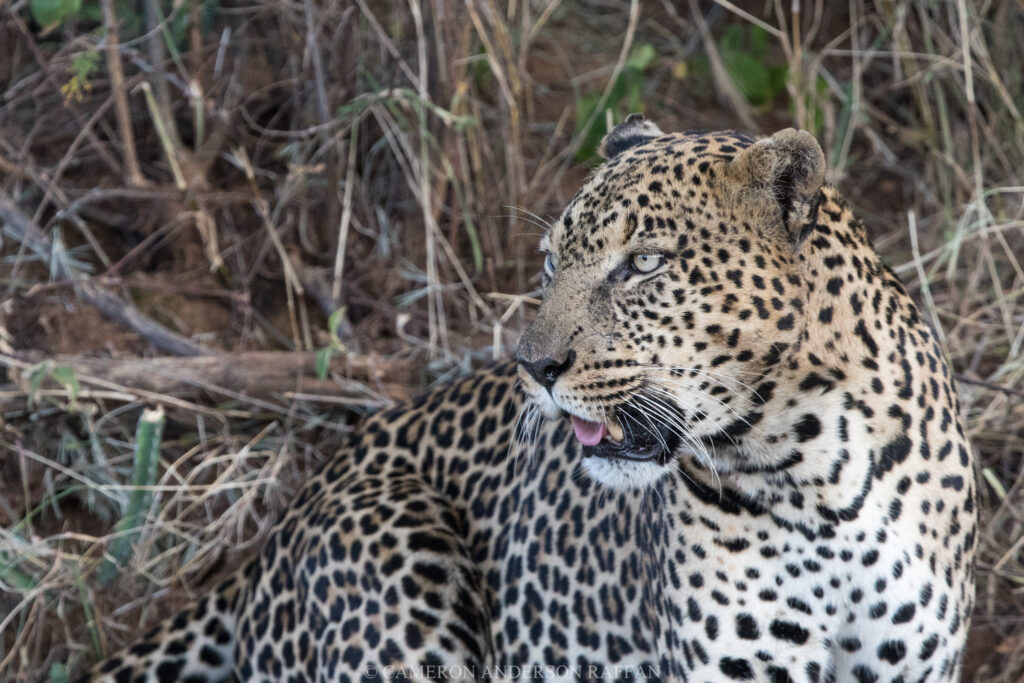
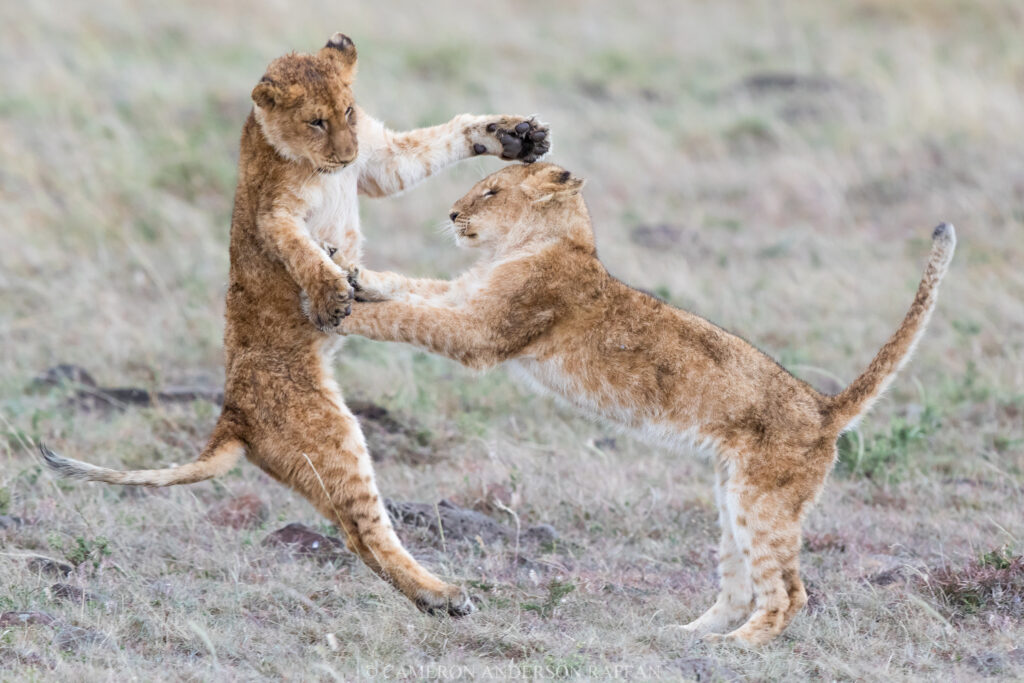
The Mara North is one of Kenya’s best private conservancies, with the highest concentration of wildlife in the Maasai Mara ecosystem. Spanning 320 square kilometres, it is home to the Big Five, over 450 bird species, and iconic landmarks like Leopard Gorge and the Lemek Hills which provide a refuge for big cats and African wild dogs.
The conservancy’s mosaic of grasslands, acacia trees, and riverine forests provide sanctuary for huge herds of elephants, baboons, and giraffes as well as crocs in the Mara River. From July to October, the Great Migration delivers thrilling predator action, while the quieter Loita Hills migration offers a fascinating alternative from December to May.
Founded in 2009 by 800 Maasai landowners, Mara North features just 12 eco-conscious lodges, including family favourites like Kicheche Mara and Offbeat Mara. Guests can enjoy exclusive experiences such as guided walks, night game drives, and cultural interaction, enhancing their Mara safari experience.
Northern Conservancies
Soysambu Conservancy
Situated within the UNESCO-listed Kenya Lakes, Soysambu Conservancy spans 190 square kilometres around Lake Elmenteita.
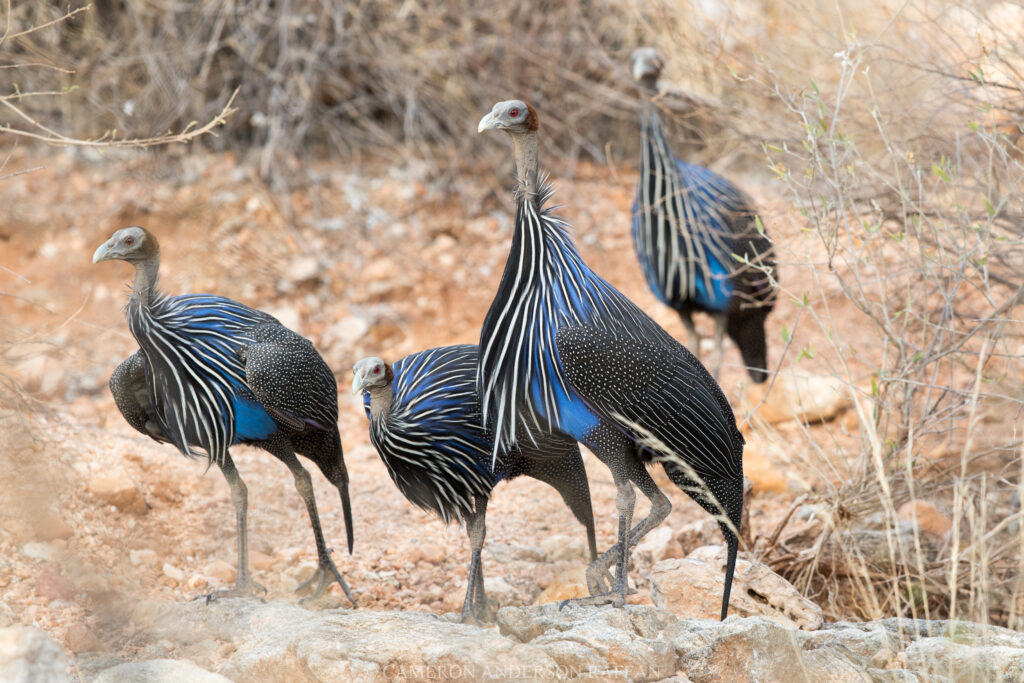
Known for its population of endangered Rothschild giraffes and diverse birdlife, including lesser flamingos and the only breeding colony of Great White Pelican in East Africa, the conservancy offers a peaceful alternative to the bustling Nakuru National Park.
Families can witness this wildlife on birding safaris, guided nature walks as well as horse or camel rides along the lakeshore. Soysambu is also the only private conservancy that offers motorcycle safaris, taking guests on a thrilling ride down inaccessible paths, perfect for thrill seeking teens and those bored of more typical modes of safari transport.
Located just an hour’s drive from Lake Naivasha and Nakuru National Park, Soysambu is a convenient addition to any Northern Kenya itinerary.
Lewa Conservancy
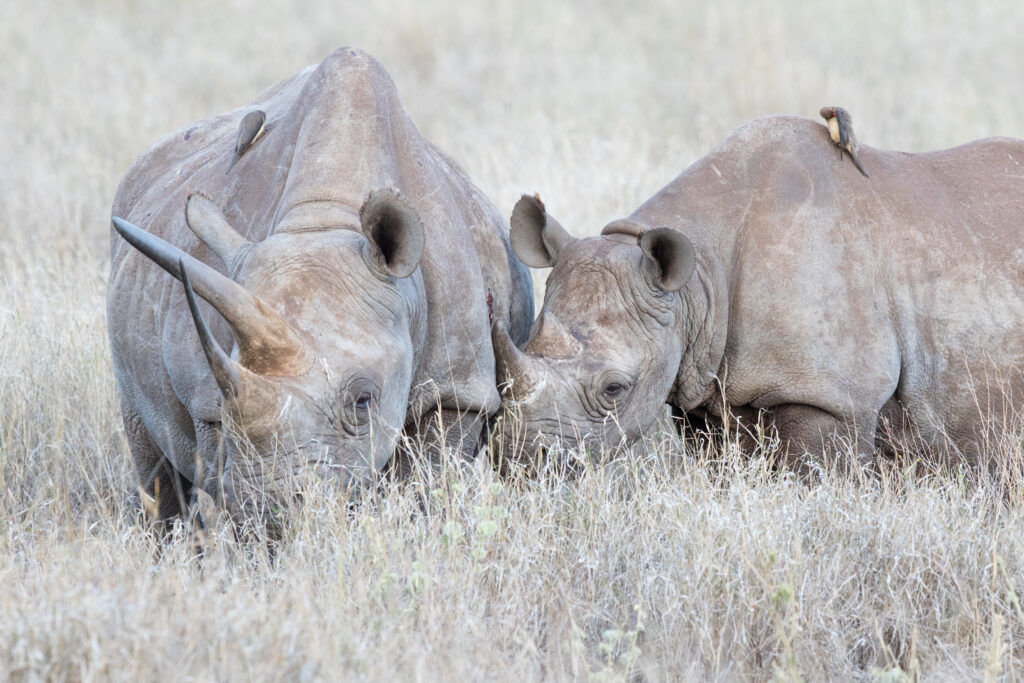
Lewa Wildlife Conservancy, a 250 square kilometre expanse in the Laikipia Plateau, has become one of Kenya’s most famous private conservancies, known for its rhino conservation, Big Five game viewing, and breathtaking Mount Kenya views.
Home to Kenya’s first private rhino sanctuary, Lewa has seen populations of black and white rhinos grow from 15 to 264, offering some of Kenya’s best chances to spot these rare creatures.
What truly sets Lewa apart are its exceptional experiences, including horseback safaris, camel rides, birding adventures to spot some of the conservancy’s 490 bird species, and fly camping in the heart of the bush. Our travel specialist, Cam, recently enjoyed a self-guided walking safari along the scenic 2 km trail at Elewana Safari Camp. Families can also explore the nearby Ngare Ndare Forest Reserve, where children of all ages will delight in walking along the treetop canopy or swimming beneath a hidden waterfall.
Lewa’s commitment to community development, with initiatives such as microloans for local women and sustainable farming training, ensures your safari will benefit surrounding communities.
Loisaba Conservancy
The 230 square kilometre Loisaba Conservancy in northern Kenya is one of our favourites for family safaris with a wild, remote feel. Positioned along a key elephant migration corridor, its two rivers sustain year-round wildlife, including lions, leopards, cheetahs, and the recently reintroduced black rhino.
With just three camps, Loisaba offers exclusive Big Five game viewing to rival the Mara but with far fewer visitors. Families can enjoy game drives, walking safaris, or camel rides, offering a glimpse into traditional life in Kenya’s semi-arid highlands. A visit to the anti-poaching unit gives children a hands-on glimpse into conservation, including the thrill of being tracked by sniffer dogs Nanyokie and Memusi.
Loisaba offers some of Kenya’s most unique accommodations. The Starbeds provide a magical experience, allowing you to sleep under Kenya’s starry skies in elevated four-poster beds. Meanwhile, Elewana’s Loisaba Tented Camp features an incredible infinity pool – a highlight of our travel specialist Cam’s recent visit – offering breathtaking views of game-dotted plains and the majestic Mount Kenya.
Ol Pejeta Conservancy
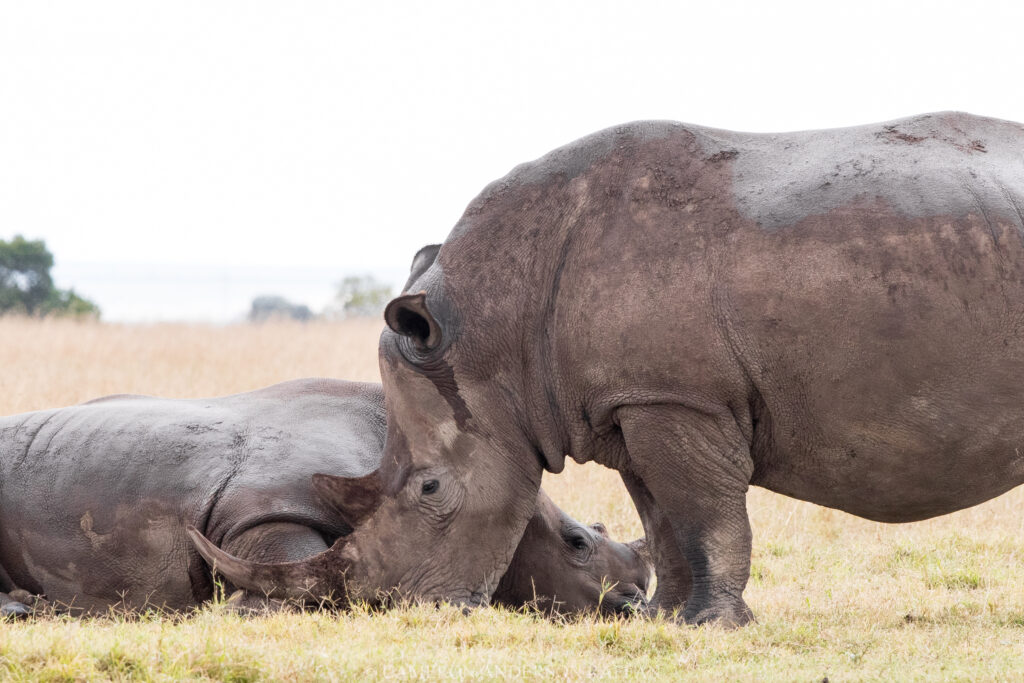
Located at the foot of Mount Kenya, Ol Pejeta Conservancy is East Africa’s largest black rhino sanctuary and the last refuge for the world’s two remaining northern white rhinos, Najin and Fatu.
What sets Ol Pejeta apart are its hands-on conservation experiences. Guests can meet the incredibly tame Najin and Fatu, track collared lions with researchers, and watch the anti-poaching unit’s bloodhounds showcase their scent-tracking skills. A visit to the Sweetwaters Chimpanzee Sanctuary – the only place in Kenya to see rescued chimps – adds to the adventure.
Families can also enjoy Big Five game drives, walking safaris, and thrilling night drives to spot nocturnal species like aardvarks and white-tailed mongooses.
Kalama Conservancy
Kalama Conservancy, established in 2004 and owned by the Samburu community, protects a critical wildlife corridor between Samburu National Reserve and Marsabit and provides a remarkable blend of cultural immersion and abundant wildlife.
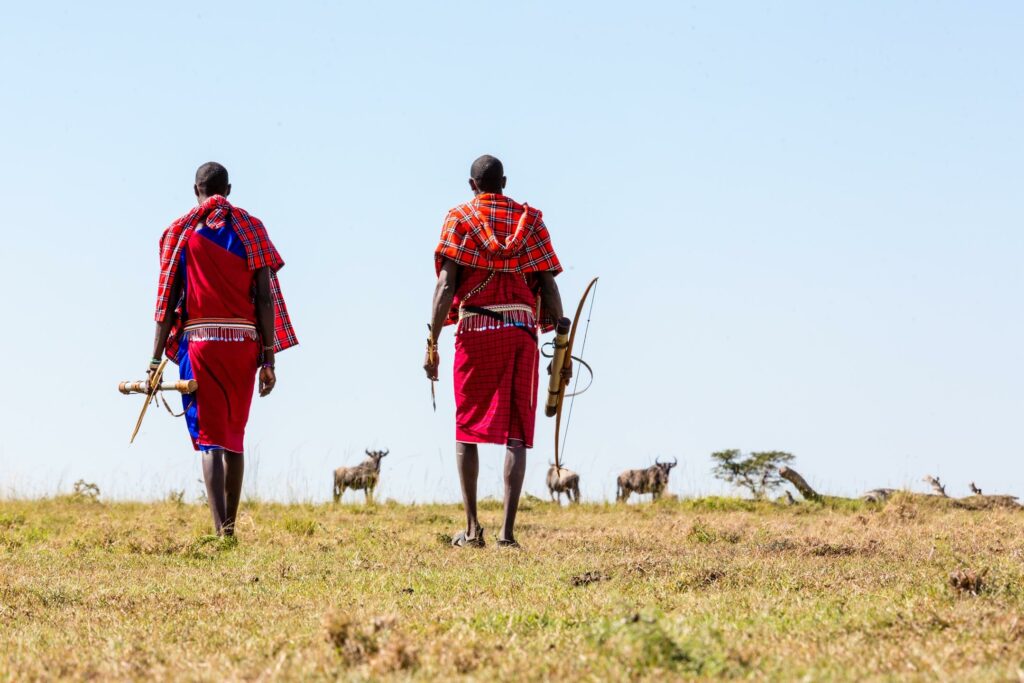
Families can visit local villages or participate in the Warrior’s Academy, where children are led by local tribe leaders in wildlife tracking, beading, archery, and traditional jobs like herding cattle and milking goats.
With only two properties across its 384 square kilometres, Kalama provides an exclusive safari experience. Game drives and guided bush walks allow families to encounter the Samburu Special Five, including the reticulated giraffe and Grevy’s zebra, alongside leopards, elephants, and playful baboons. Those seeking a fresh take on the classic safari, can enjoy stargazing safaris under Kalama’s pristine night skies or visit the nearby Reteti Elephant Sanctuary, where orphaned elephant calves are rescued and rehabilitated for release back into the wild.
Mugie
Mugie Conservancy, in the heart of the Laikipia Plateau, stands out as one of the best private conservancies for an action-packed family safari. Its 180 square kilometres of savannahs and acacia woodlands is home to both the iconic Big Five and the rare Northern Five, while its private status enables unique activities like night game drives, where elusive nocturnal species such as leopards and striped hyenas often appear.
The Mugie Dam draws abundant wildlife, especially during the dry season, and offers fishing for tilapia and catfish alongside birdwatching for over 280 species. Conservation experiences are central here, from tracking resident lions with the Laikipia Predator Project to visiting a vibrant local village on market day, while for children, the Junior Ranger Program provides hands-on educational activities.
The ‘Best of the Rest’
Kimana Sanctuary Conservancy
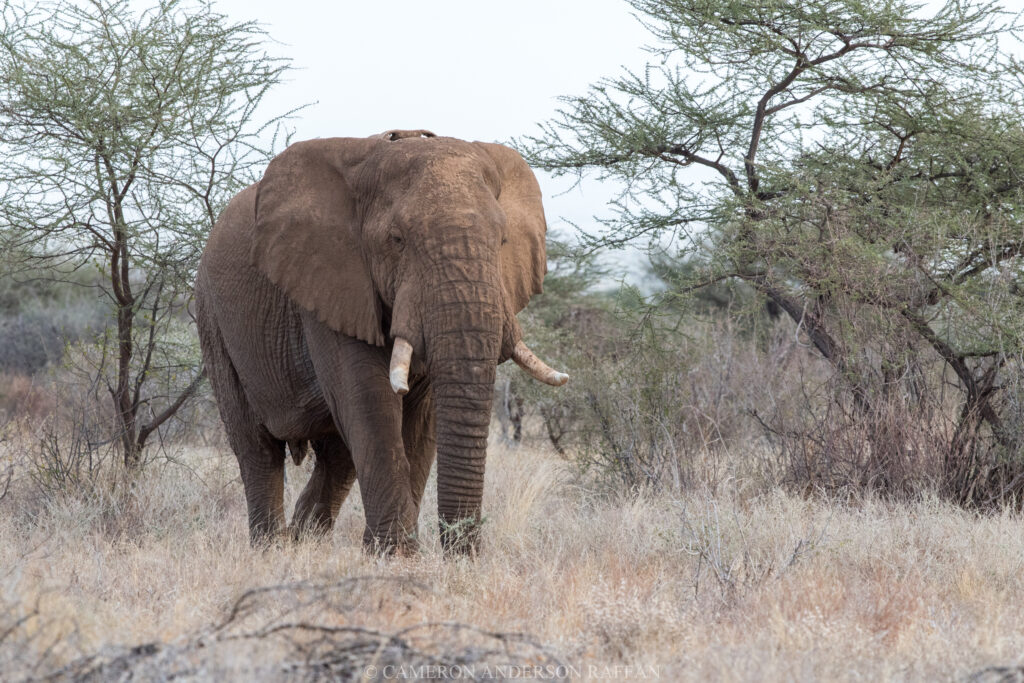
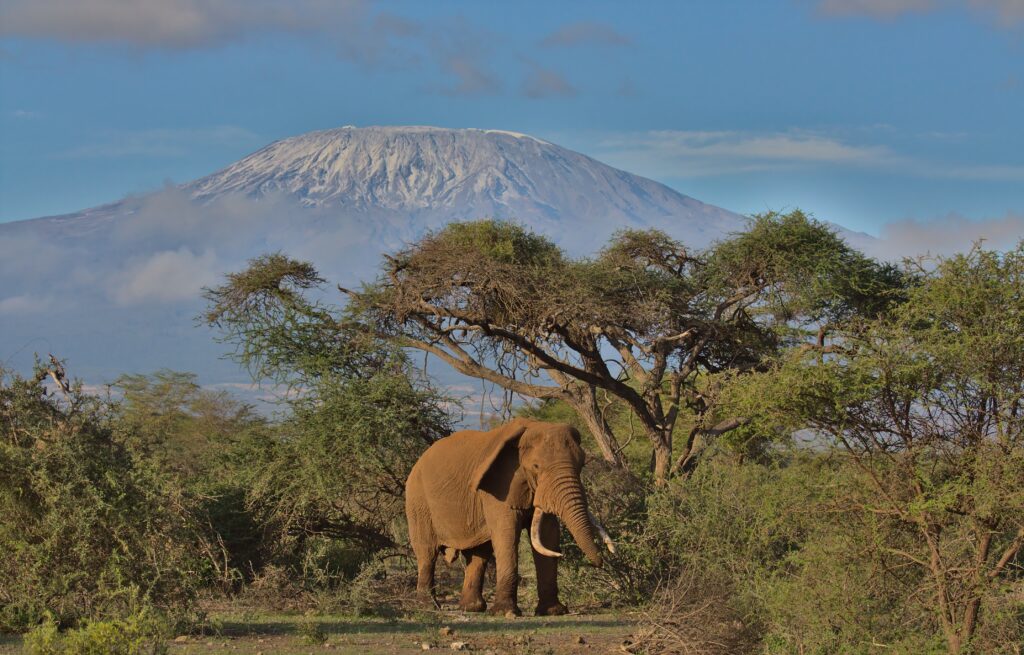
Kimana Sanctuary Conservancy is a vital yet little known wildlife corridor connecting Amboseli National Park to the Chyulu Hills and Tsavo. Established in 1996 as Kenya’s first community-owned wildlife sanctuary and spanning just 23 square kilometres, this tiny conservancy preserves an ancient elephant migration route, ensuring the free movement of some of Africa’s last Super Tuskers.
Kimana’s diverse landscapes – from dense forest to plains dotted with pumice thrown from Mount Kilimanjaro – host a remarkable density of wildlife, from herds of zebra and giraffe to thriving populations of warthogs and eland. The conservancy also boasts the iconic backdrop of Mount Kilimanjaro, providing a dramatic setting for photographing wildlife.
Shompole Conservancy
Shompole Conservancy, tucked in the southeastern corner of Kenya, offers an exclusive safari experience within the stunning landscapes of the Great Rift Valley. Overlooking Lake Magadi and the Nguruman Escarpment, the conservancy is home to some of the best wildlife in the southern Rift Valley, including elephants, giraffes, buffalo, and a variety of plains game.
Lake Magadi, located to the east of the conservancy, is known for its vibrant flamingo populations and stunning colours, with its pinks and reds best seen from the air on a scenic flight. Visitors can also enjoy a range of family-friendly activities, from walking safaris and river tubing down the Ewaso Ng’iro River to visits to isolated Maasai villages. A standout experience is spending a night in one of the conservancy’s two underground hides, offering an unparalleled chance to observe wildlife at a floodlit waterhole.
Summary
Kenya’s private conservancies provide an exclusive and enriching safari experience that perfectly complements the traditional national reserves.
With limited visitor numbers, these conservancies ensure exclusive up-close encounters with the Big Five as well as unique activities such as night drives, guided walks, and bush camping unavailable anywhere else.
A stay in a private conservancy is more than just a safari, it is a chance to make a lasting impact on wildlife conservation and local communities. Whether exploring the remote wilderness of Loisaba, encountering rare rhinos at Ol Pejeta, or immersing yourself in Maasai culture at Mara Naboisho, the top Kenyan private conservancies ensure your visit contributes to the long-term health of Kenya’s ecosystems.
Including a mix of our top private conservancies in your itinerary elevates any Kenya safari, combining outstanding game viewing with immersive cultural experiences and a remote, rugged charm.
Best Safari Parks in Zambia
Zambia’s safari parks present some of the most diverse habitats and unique safari experiences in Africa.
With 20 national parks and 39 game management areas spanning nearly 40% of the country, Zambia is a hidden gem for families seeking something beyond the typical Big Five safari. From remote boating safaris on the Zambezi to the vibrant wetlands of Kafue, each park brings its own distinct appeal—making it easy to feel spoiled for choice. To help you plan your Zambia safari holiday, here’s an expert guide to the best safari parks, including our favourite destinations for family-friendly adventures as well as some hidden gems for a unique addition to your itinerary.
Kafue National Park
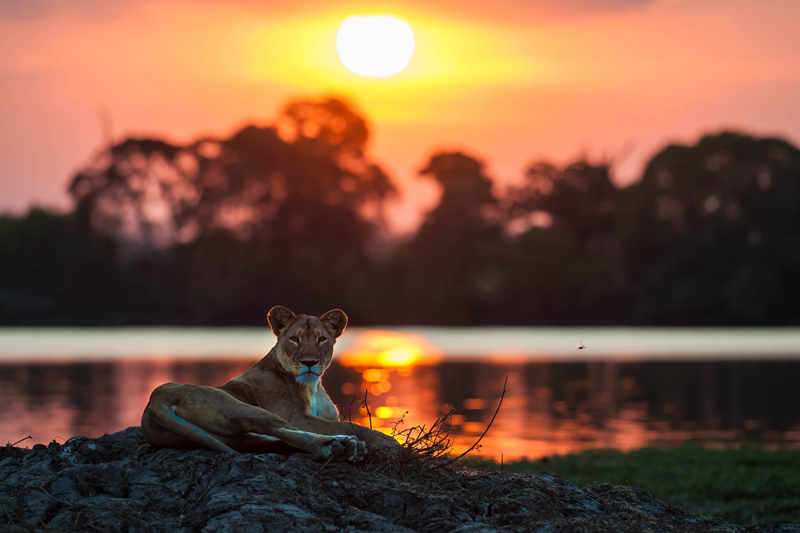
Despite being Africa’s second-largest safari park, Kafue National Park remains one of its most underrated safari parks. Spanning an impressive 22,400 square kilometres of Zambia’s central wetlands, Kafue is home to some of the country’s most diverse wildlife, with at least 161 mammal species, six big cat species, and 22 types of antelope. Conveniently located within driving distance of Livingstone, Kafue offers such an array of experiences and wildlife that it would make a compelling base for an entire trip in itself. The park’s sweeping Busanga Plains, accessible only in the dry season, reward visitors with vast herds of puku and red lechwe. While for bird enthusiasts, the hidden gem of the Nanzhila Plains in southern Kafue is a paradise, where Zambia’s endemic black-cheeked lovebirds can be spotted thriving in their natural habitat.
South Luangwa National Park
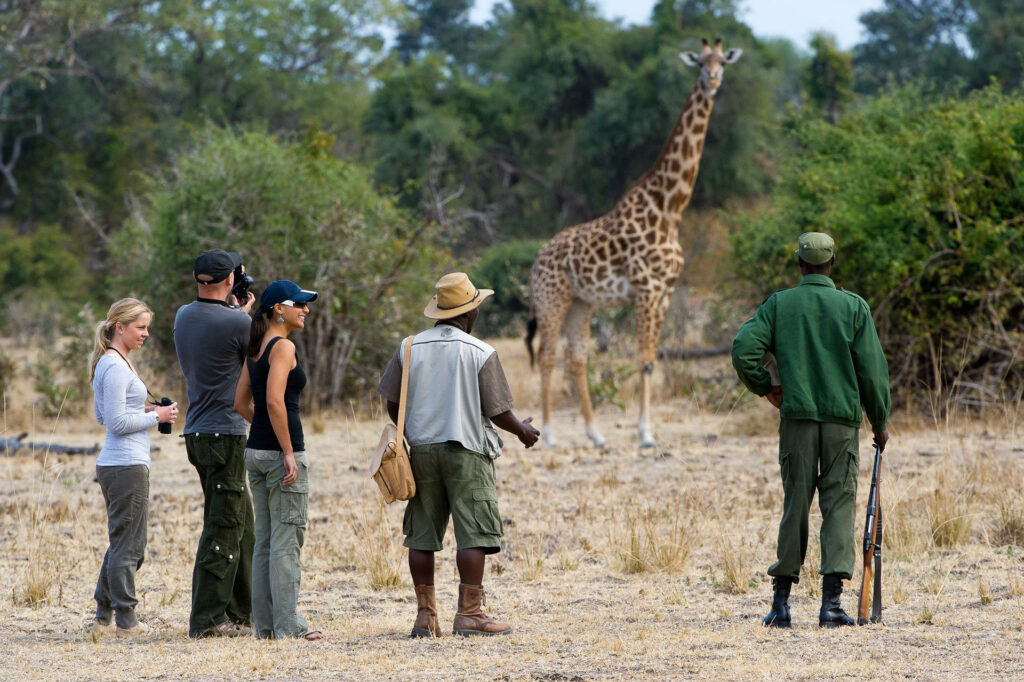
South Luangwa, known as the Valley of the Leopards, is Zambia’s crown jewel safari park for big cat sightings. Spanning over 90,500 hectares, the park is incredibly rich with diverse flora and fauna, including four of Africa’s Big Five. South Luangwa is also famed as the location where the conservationist Norman Carr started Africa’s first walking safaris, offering families a chance to connect with the natural environment up close. The park is also home to some of Zambia’s best luxury family camps, including Time + Tide Chinzombo with its private river frontage and the sophisticated Mchenja Tented Camp, making South Luangwa a favourite safari park for luxury family holidays.
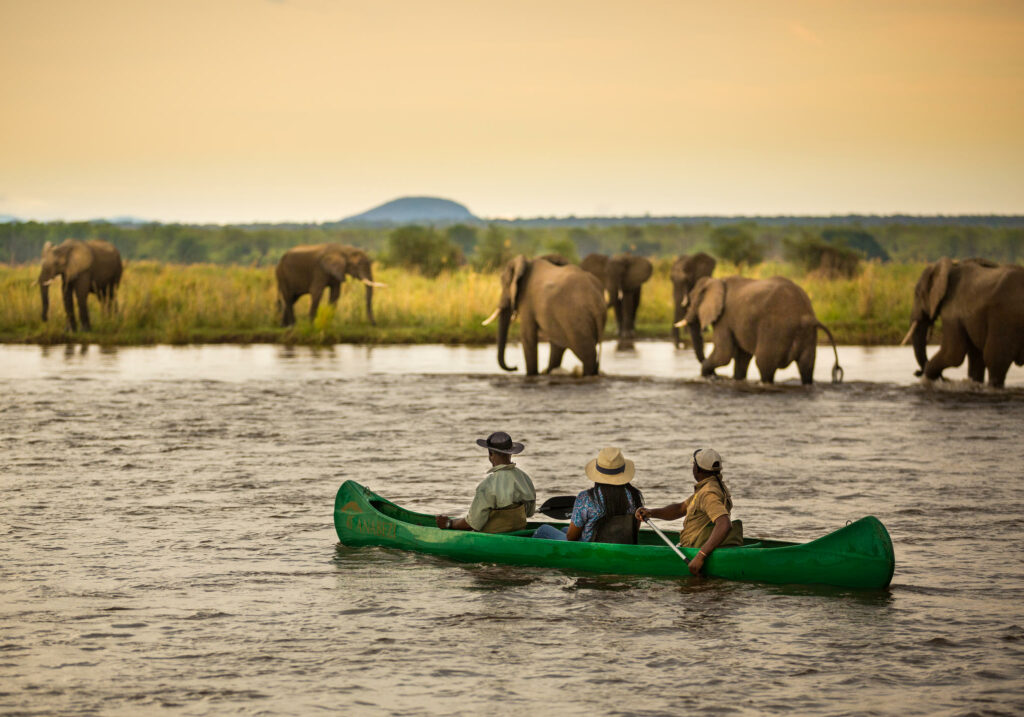
Lower Zambezi National Park
One of Zambia’s most scenic safari parks, Lower Zambezi is set along the meandering Zambezi River, offering a backdrop of dramatic escarpments rising in the distance. This park is ideal for families looking for unique safari experiences, from sunset river safaris alongside wallowing hippos to exhilarating attempts to catch the feisty tigerfish. The Lower Zambezi is a great safari park to add a new dimension to a Zambia safari itinerary, blending classic safari camps with a unique boat safari experience.
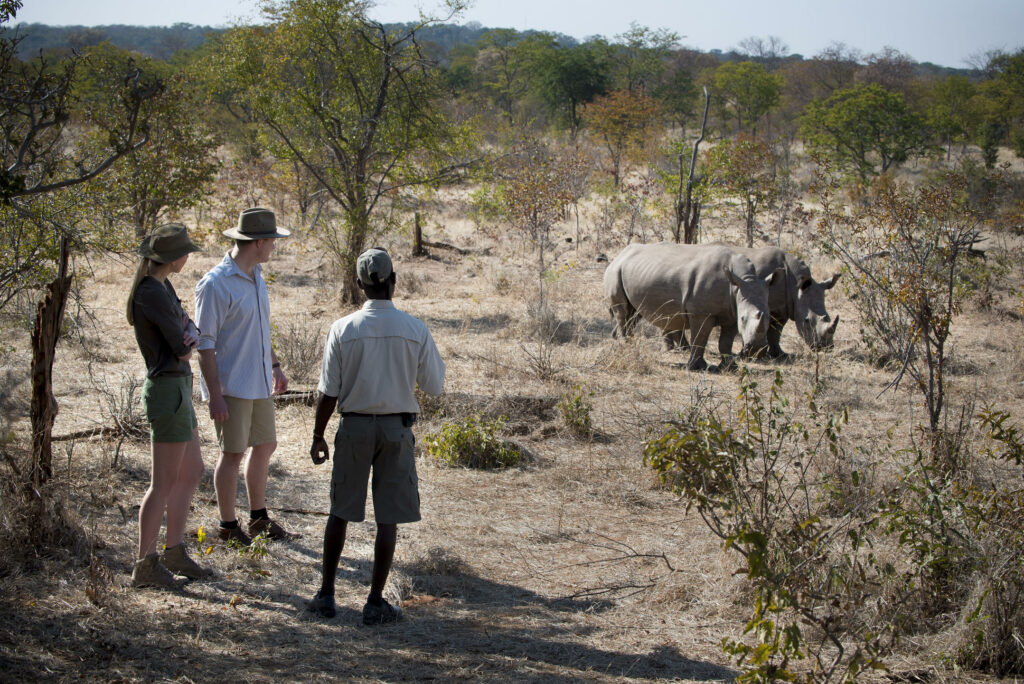
Mosi-oa-Tunya National Park
The UNESCO World Heritage Mosi-oa-Tunya National Park is a must-visit for all Zambia family safaris. Home to the awe-inspiring Victoria Falls, Mosi-oa-Tunya is also the only place in Zambia where you can walk with critically endangered white rhinos, completing the country’s Big Five safari checklists. Located near the adventure capital Livingstone, families can pair their safari with an array of adventure activities, including white-water rafting, bungee jumping, and scenic helicopter flights over the thundering cascade of water.
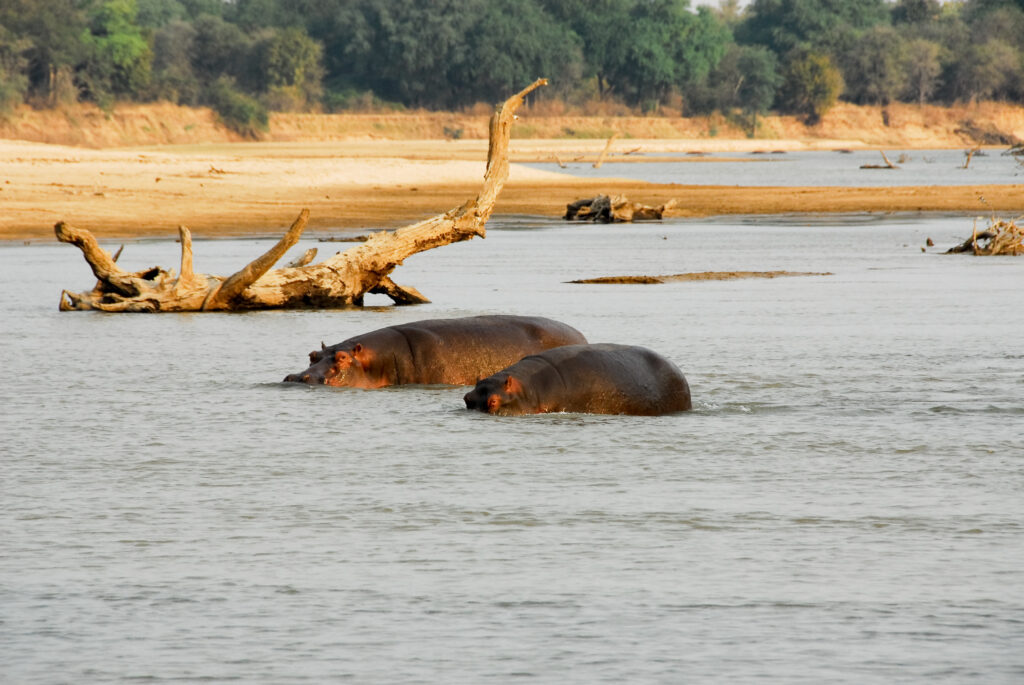
North Luangwa National Park
For those craving an even more off-the-beaten-path experience, North Luangwa safari park offers a truly rugged adventure. With much of the park accessible only by foot and vehicle game drives prohibited in certain areas, it’s the prime destination for Zambia’s famous walking safaris. Its remote location keeps it blissfully free from crowds, providing intimate encounters with Zambia’s diverse wildlife and landscapes. Ideal for seasoned safari-goers and adventurous families, North Luangwa delivers a raw, immersive wilderness experience like no other.
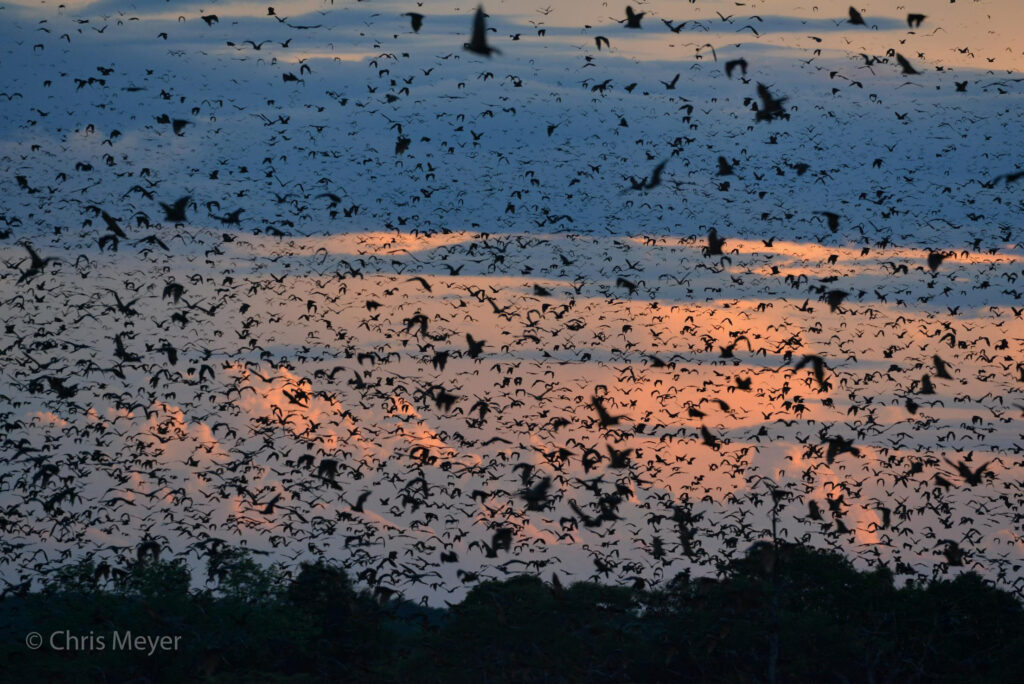
Kasanka National Park
Each year from October to December, Kasanka National Park hosts the world’s largest mammal migration, a spectacular yet little-known natural wonder. During the annual fruit bat migration, over 8 million straw-coloured bats fill the sky after feasting on pod mahogany, musuku, mufinsa, and milkwood fruits—a breathtaking sight from the tree-top hides high above the evergreen swamp forest. Beyond the migration, this small park also boasts one of Africa’s densest populations of the elusive sitatunga, a semi-aquatic antelope that attracts visitors seeking rare wildlife encounters.
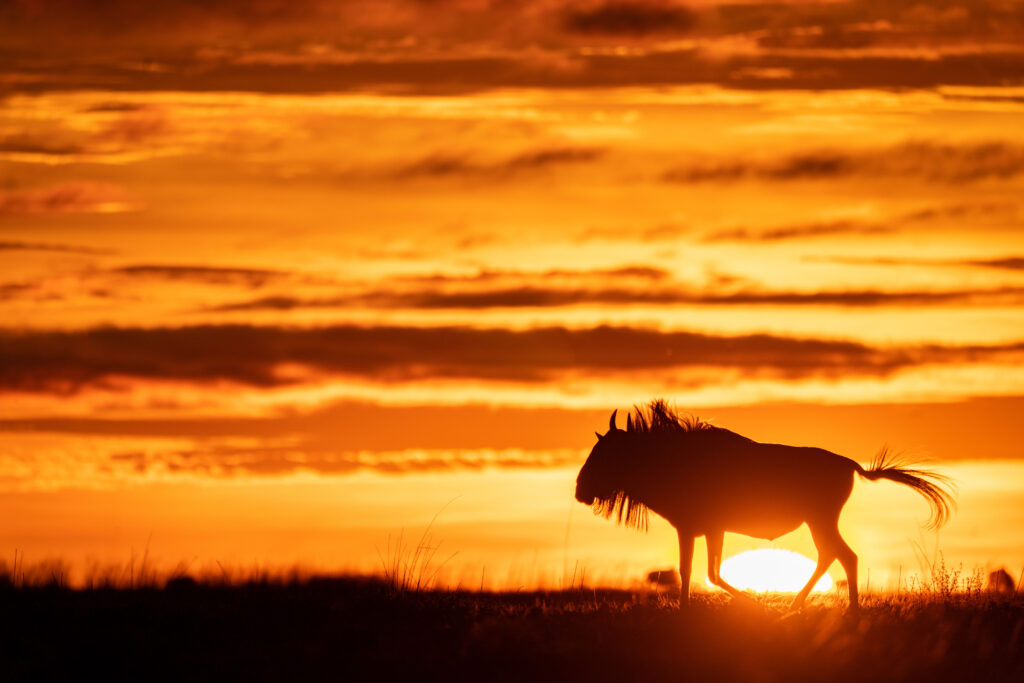
Liuwa Plain National Park
Home to Africa’s second-largest wildebeest migration, Liuwa Plain is a lesser-known safari park located in the far west of Zambia. The safari park has one of the oldest conservation histories in Africa, dating back to the late 19th century when the King of Barotseland appointed his people as the custodians of the reserve. Every November, herds of up to 45,000 wildebeest travel across the park’s vast plains, offering the chance to witness the world-famous Great Migration away from the crowds of the Serengeti and the Mara.
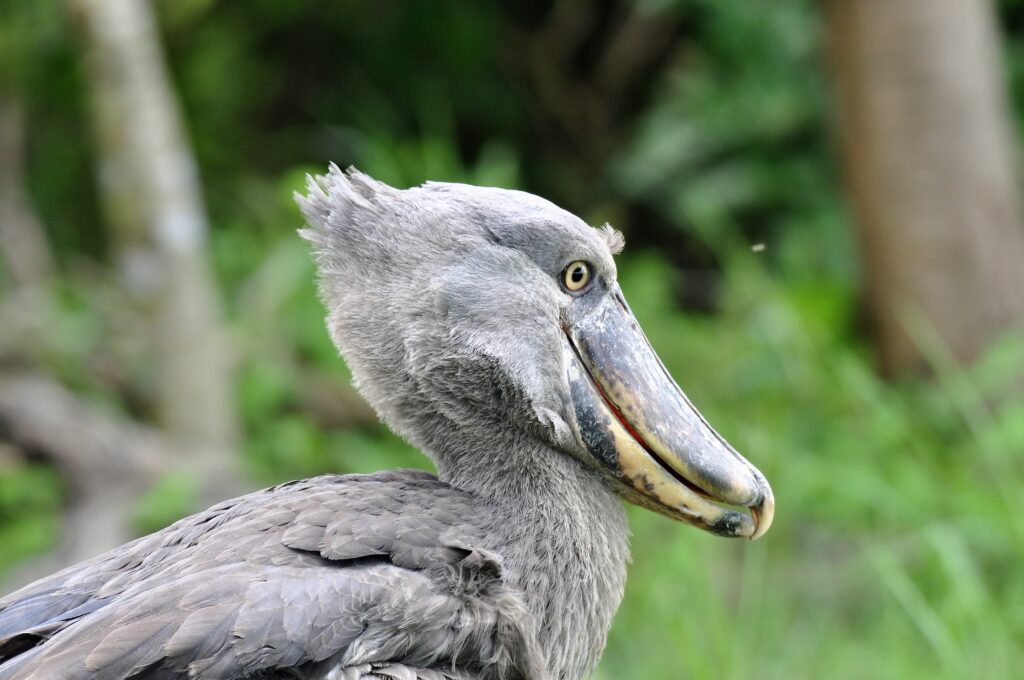
Bangweulu Wetlands
Although not an official safari park, the Bangweulu Wetlands in northeastern Zambia is one of the best safari destinations for families with an interest in birding and Zambian culture. Meaning ‘where the water meets the sky’ in the local Bemba language, this community-owned Game Management Area supports diverse wildlife alongside 60,000 local residents who sustainably use its resources.
With over 400 bird species, including the rare shoebill and 10% of the world’s wattled crane population, Bangweulu is a haven for birding safaris. Coral Tree Travel founder Tess has stayed at Shoebill Island Camp to witness these striking wading birds, whose wild population has dwindled to just 8,000. Set on a permanent island overlooking a lagoon, the camp offers a rustic yet comfortable base to explore Bangweulu’s incredible birding and cultural experiences. Families can enjoy guided walking safaris, spot the rare shoebill, and visit seasonal fishing camps of the Bemba and Bisa tribes for a unique insight into their migratory lifestyle.
Families who make the journey to this remote region are rewarded with sightings of Zambia’s last black lechwe antelope, stunning landscapes, and very few other visitors. For those looking beyond traditional safari parks, Bangweulu offers an unparalleled, off-the-beaten-path adventure.
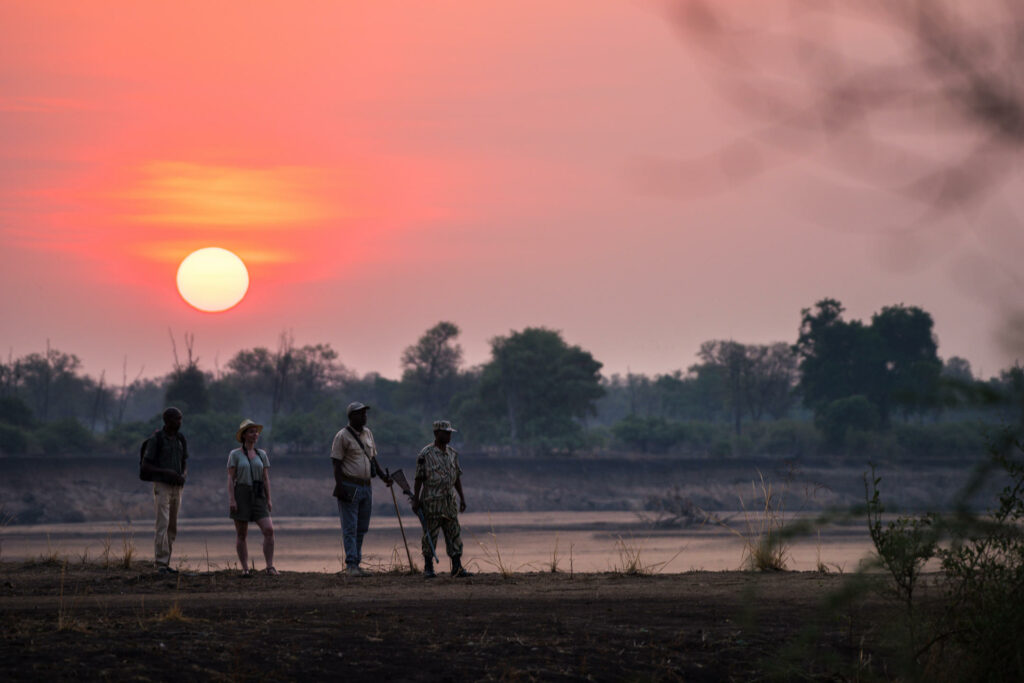
Summary
Zambia’s safari parks offer an unparalleled adventure for families eager to explore beyond the typical safari experience. With a remarkable diversity of landscapes, from the lush wetlands of Kafue to the rugged beauty of North Luangwa, each park provides unique opportunities for wildlife encounters and unforgettable family moments. Whether you’re seeking luxury camping in South Luangwa, thrilling river safaris in the Lower Zambezi, or the awe-inspiring spectacle of the Kasanka fruit bat migration, Zambia’s safari parks promise a holiday filled with discovery and excitement.
Dreaming of going on a luxury safari in Zambia? See our magnificent selection of itineraries and plush accommodations, strategically situated near the country’s most sought-after wildlife parks and reserves. Contact us now to begin planning your safari adventure.
Some images used in this blog are the property of our partners. Please contact us for more details.
Family Safaris in Zambia
Zambia is emerging as one of Africa’s best kept secrets for family safaris, featuring incredible predator populations, unspoiled national parks and great value family-friendly camps. From the heart of the legendary South Luangwa National Park to the pristine waters of the Lower Zambezi, Zambia offers a safari experience that balances raw wilderness with accessible, family-oriented adventure. Here’s a look at why Zambia is an ideal choice for families looking for a safari adventure that caters to all ages.
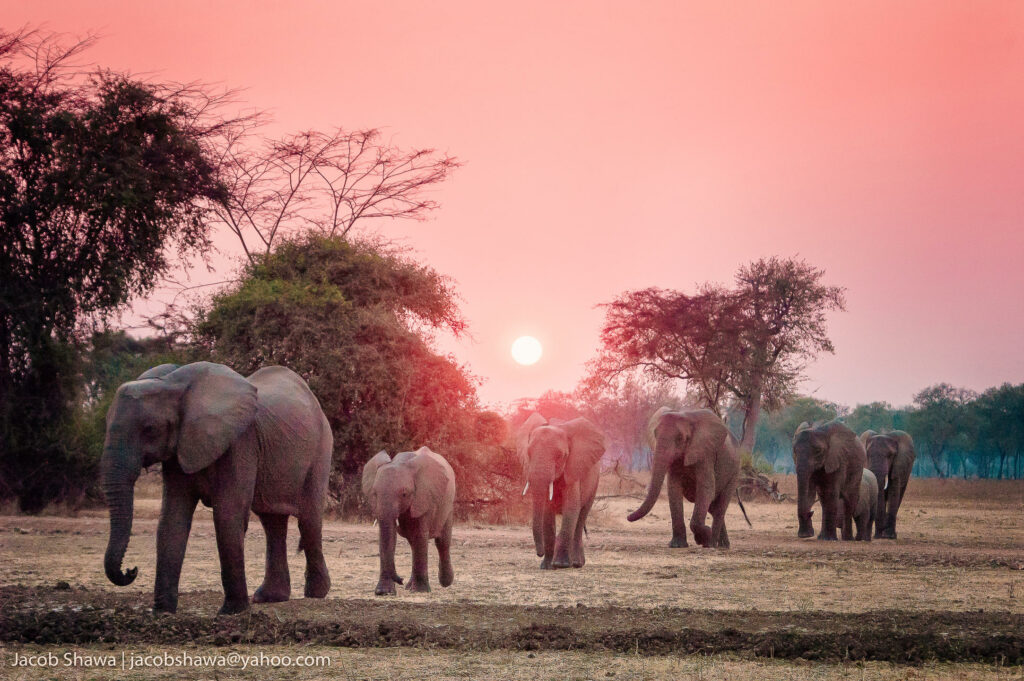
Unique Wildlife Encounters
One of the main draws of Zambia is its diverse wildlife, which can be observed in some of Africa’s largest untouched wildernesses. South Luangwa National Park, nicknamed the ‘Valley of the Leopard,’ is renowned as one of the best places to spot the elusive cats hunting large herds of impala from the treetops. Game drives along the Luangwa River have even been known to spot up to 8 different individuals in a matter of days. The park is also home to extraordinarily dense concentrations of lion, buffalo and elephant as well as the critically endangered black rhino in the North Luangwa, making it an ideal destination for a Big Five family safari.
In the Lower Zambezi National Park, families can explore herds of elephants, hippos, and crocodiles along the Zambezi River by boat or canoe, offering unique water-based safari experiences. Meanwhile, Kafue National Park is known for its ‘flying lions,’ where Zambia’s Papyrus Lion Pride leaps over the region’s many river channels, offering an insight into the unique adaptations of Zambia wildlife. With a mix of exhilarating and accessible wildlife encounters, Zambia stands out as the perfect destination for family safaris.

Variety of Family-Friendly Activities
Zambia stands out as one of the best family safari destinations due to its extensive range of activities that cater to all ages. Many safari camps offer dedicated children’s programs that combine learning with hands-on activities. For example, African Bush Camps’ Ngwana Club offers specially designed nature walks, authentic cooking classes and campfire storytelling sessions led by local guides who are passionate about their culture and natural environment.
The Zambezi River meanwhile offers a wide range of water-based activities perfect for families. Canoeing safaris allow families to paddle alongside gentle hippos and observe elephants drinking along the riverbanks. While the river also allows for catch-and-release fishing, which can be a fun and engaging experience for younger family members. In Livingstone, additional family activities include guided tours of the awe-inspiring Victoria Falls, thrilling helicopter rides over the Falls, and cultural visits to local villages, which provide memorable experiences that highlight Zambia’s vibrant heritage.
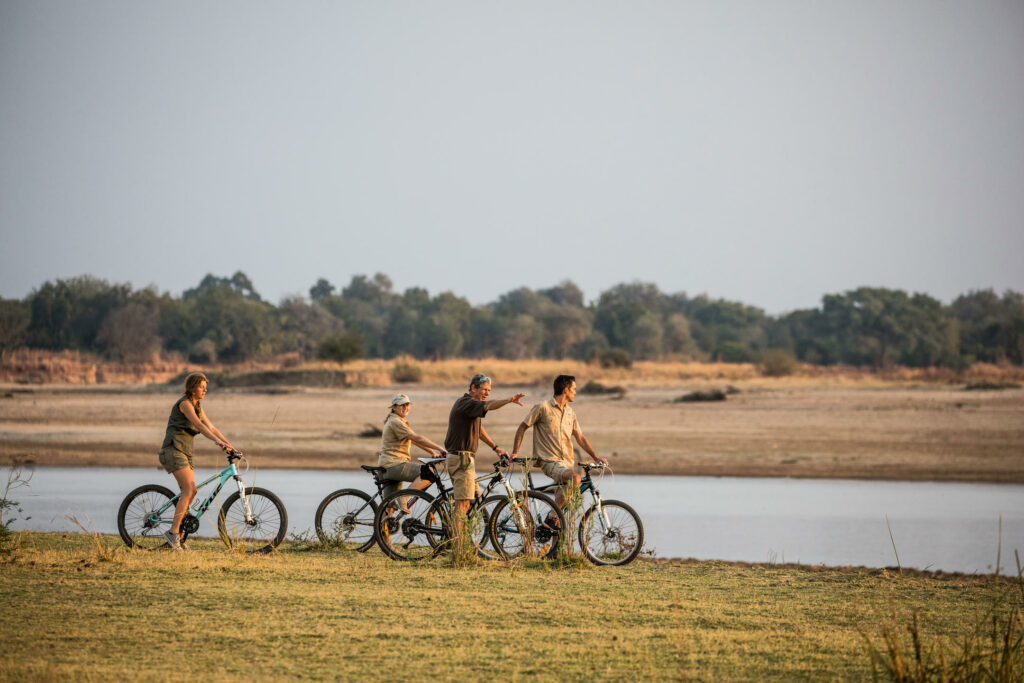
Great Value Family Safari
Zambia is one of the best-value destinations for African family safaris, with all-inclusive itineraries often significantly cheaper than in other destinations.
Camps like Flatdogs, Baines River Camp, Chundukwa, and Mukambi Safari Lodge provide simple, unfussy accommodation that still delivers remarkable safari adventures and top notch service. Moreover, beyond the peak dry season, Zambia’s ‘emerald season’ from November to April is one of the best times to visit for even greater value. During this time, families can enjoy the lush, green landscapes, vibrant bird watching opportunities, and fewer crowds, making it an ideal choice for keen birding families looking to take advantage of reduced rates. With this combination of seasonal affordability and a wide selection of family-friendly camps, family safaris in Zambia offer exceptional value.
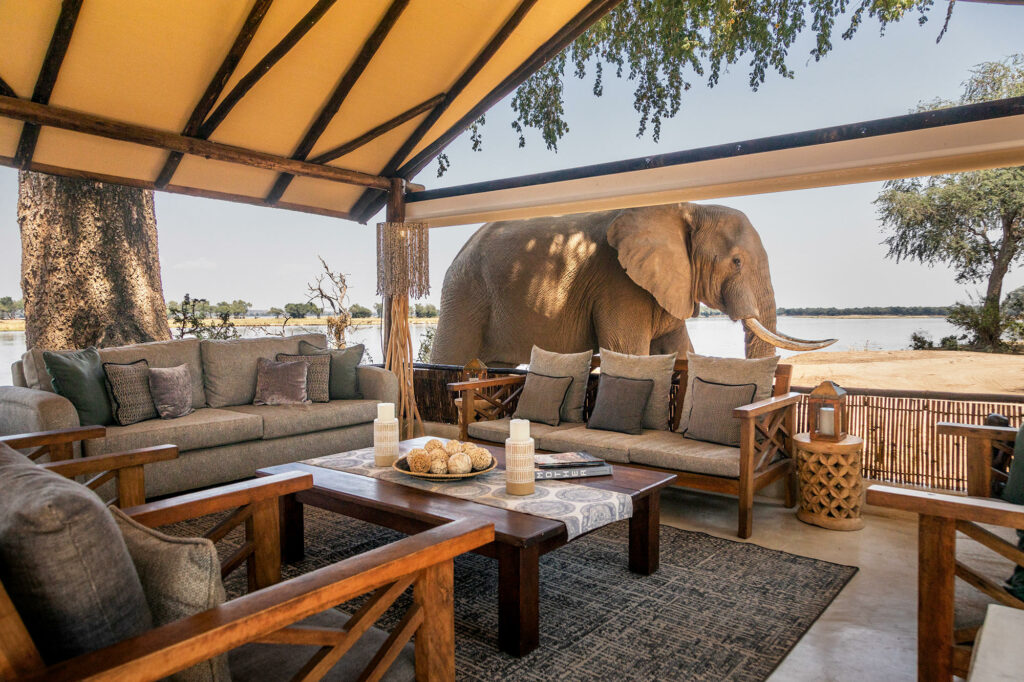
Authentic, Intimate Safari Lodges
Zambia has an incredible offering of family-friendly safari camps and lodges, ranging from some of the most luxurious exclusive-use lodges to more rustic tented bush camps.
Most camps in Zambia have family suites or interconnected tents that allow families to stay together while still enjoying their own private space in the bush. For example, Old Mondoro Camp in the Lower Zambezi has converted its owners’ property into a two-bedroom family suite with its own campfire and picturesque shaded terrace. Moreover, larger groups looking for a more exclusive family safari in Zambia can opt for one of the exclusive-use lodges. One standout choice is Sunset House at Kafunta Lodge which offers an exclusive retreat with three en-suite bedrooms, a private pool, and dedicated chef and butler services. This ensures an all-inclusive experience tailored to your family’s needs, allowing you to enjoy the luxury of privacy while still being immersed in the breathtaking Zambian wilderness.
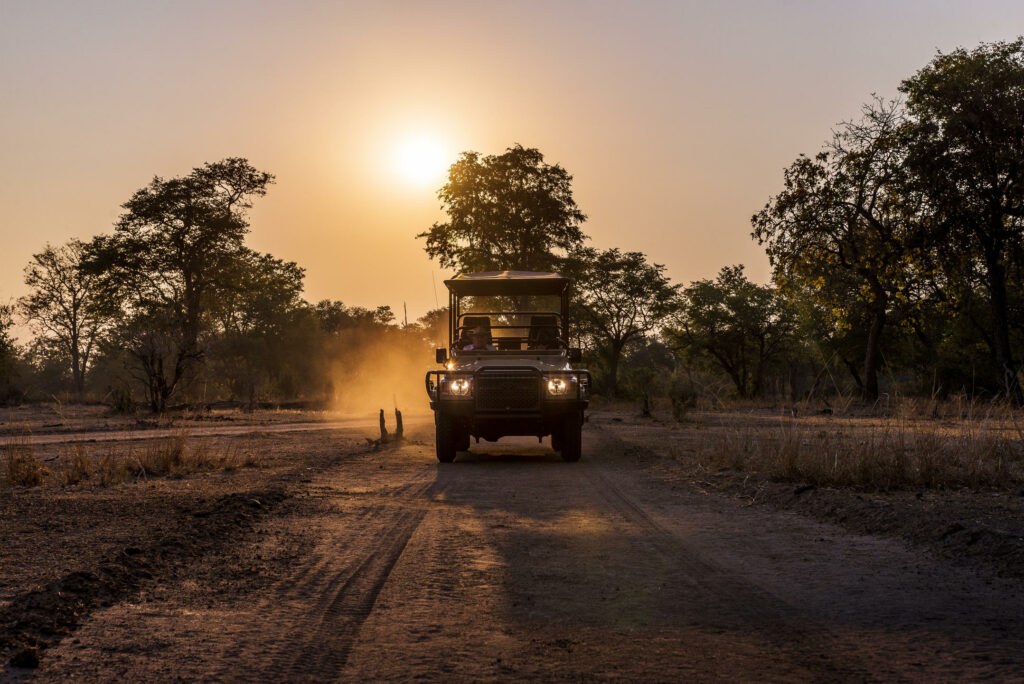
Emphasis on Sustainability and Conservation
Zambia is a perfect destination for environmentally aware families looking to encourage their children to take an interest in protecting nature and conserving the natural environment.
The Green Safaris portfolio of stylish properties prides itself on setting the standard for sustainable luxury across the globe. Their fleet of pioneering e-Cruisers has introduced the ‘Silent Safari’ to Zambia, allowing families to experience wildlife up close without disturbing the animals. Their ban on single-use plastics and the use of solar power at Shawa Luangwa Camp and Ila Safari Lodge, mean families can enjoy a five-star safari experience while minimising their environmental footprint.
Many safari lodges are also involved in conservation projects and community initiatives, and welcome families to participate. Musekese Camp, for example, was founded by conservationists Phil Jeffery and Tyrone McKeith who regularly invite family safaris to participate in vital conservation initiatives. Families can explore the Musekese Conservation Base to learn about preserving the Kafue ecosystem and supporting local communities through hands-on activities and educational tours. These experiences add depth to the safari experience, allowing families to gain a better understanding of the local culture and conservation efforts, and creating lasting memories for children that extend beyond animal sightings.
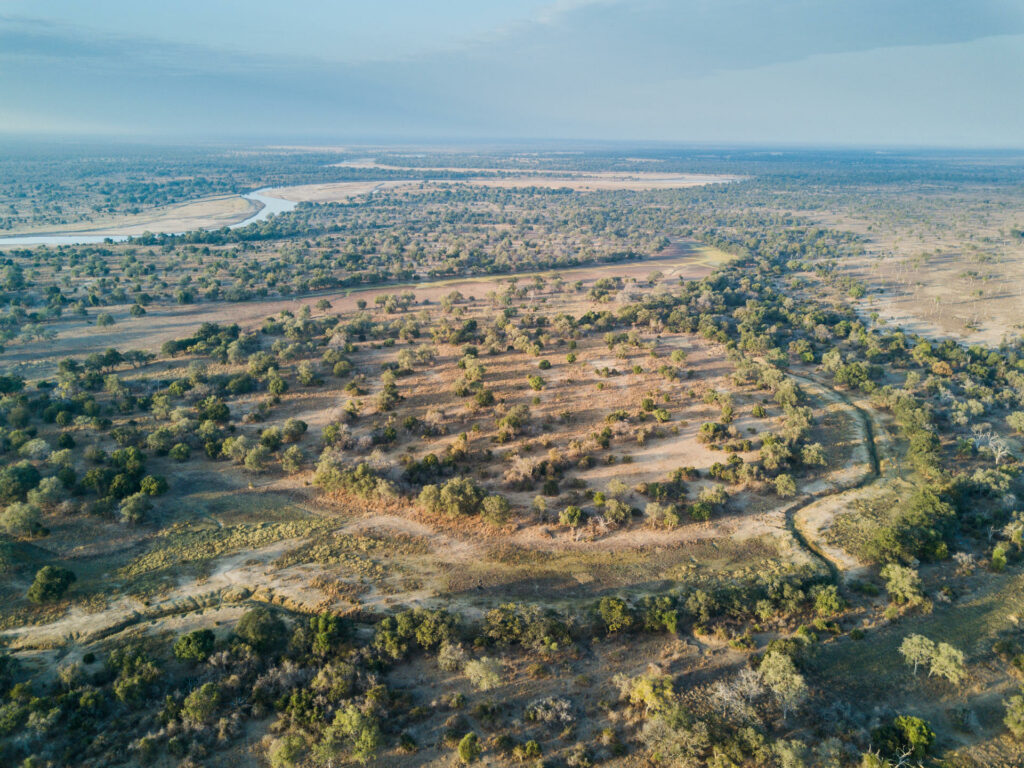
An Unspoiled Landscape
Zambia remains one of Africa’s lesser-visited safari destinations, offering an authentic, off-the-beaten-path experience for families. Here, you can immerse yourselves in the serenity of vast national parks like South Luangwa and Kafue, where the absence of large crowds allows for thrilling game drives and walking safaris without the disturbance of other game vehicles.
The journey to remote camps, such as those on the secluded Busanga Plains, often involves small charter flights or scenic drives through picturesque rural villages, enhancing the adventure. This allows families to witness Zambia’s diverse landscapes—rolling savannas, lush wetlands, and miombo woodlands rivers—while immersing themselves within friendly local communities. The unspoiled beauty of Zambia therefore offers a true sense of exploration and discovery, ensuring that every family safari is a unique and memorable adventure.
Practical Tips for Families Planning a Zambian Safari
- Best Time to Visit: June to October is the prime time for Zambia safari holidays, with dry, sunny days perfect for game-viewing. Wildlife gathers around waterholes, offering spectacular sightings of elephants, lions, and leopards, while Kafue National Park opens for exceptional experiences as floodwaters recede.
- Age Recommendations: While Zambia’s safari camps are family-friendly, it’s worth checking with specific lodges for age recommendations on activities like walking safaris and canoe trips, as some may have age restrictions.
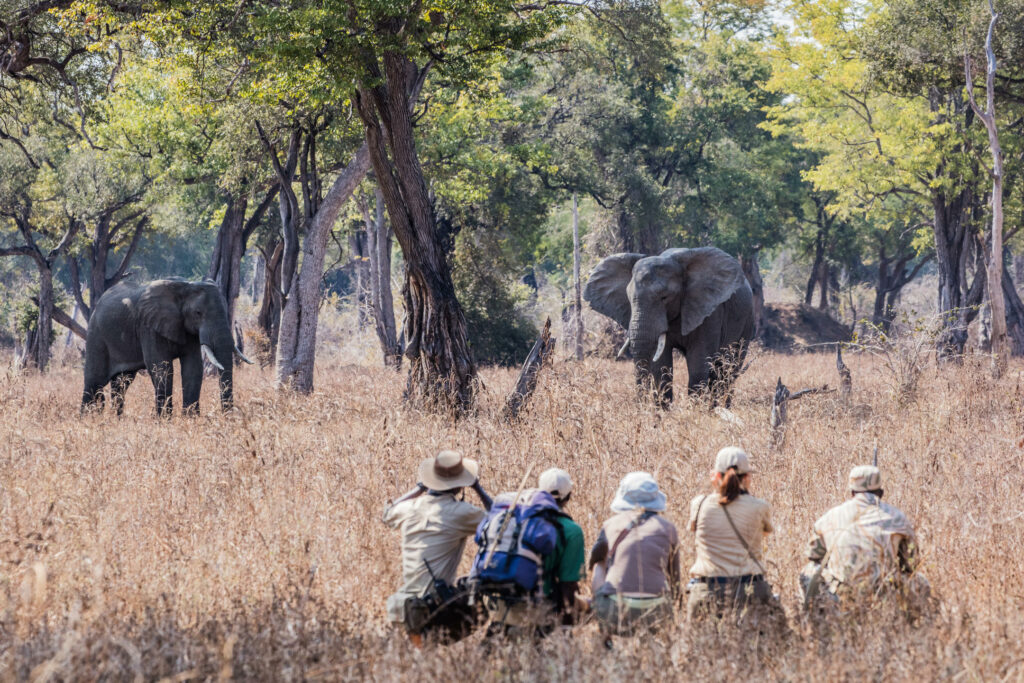
With its stunning landscapes, diverse wildlife, and wide range of activities, Zambia is an incredible destination for family safaris. The country’s family-friendly lodges, focus on conservation, and unspoilt national parks create a welcoming environment for guests of all ages. Whether exploring the Zambezi River or embarking on a thrilling game drive in South Luangwa, a family safari in Zambia promises an unforgettable adventure that both children and parents will cherish.
Dreaming of going on a luxury safari in Zambia? See our magnificent selection of itineraries and plush accommodations, strategically situated near the country’s most sought-after wildlife parks and reserves. Contact us now to begin planning your safari adventure.
Some images used in this blog are the property of our partners. Please contact us for more details.
The Best Time To Travel to Mauritius
The Best time to travel to Mauritius will depend on the experience you’re looking for…
This glamorous Indian Ocean island offers over 300 km of pristine coastline, sheltered lagoons, and vibrant coral reefs, making it one of our favourite year-round destinations.
With a subtropical climate, Mauritius enjoys hot, humid summers from November to April and cooler, dry winters from May to October. Thanks to its mild, mostly sunny weather, there’s truly no wrong time to plan a family holiday here.
The island’s famed microclimates let families tailor their experience: the north and west enjoy sun-drenched days and calm waters, while the east coast and Chamarel mountains to the south provide a cooler, breezier option ideal for watersports. This regional variety makes Mauritius a versatile destination for any time of year.
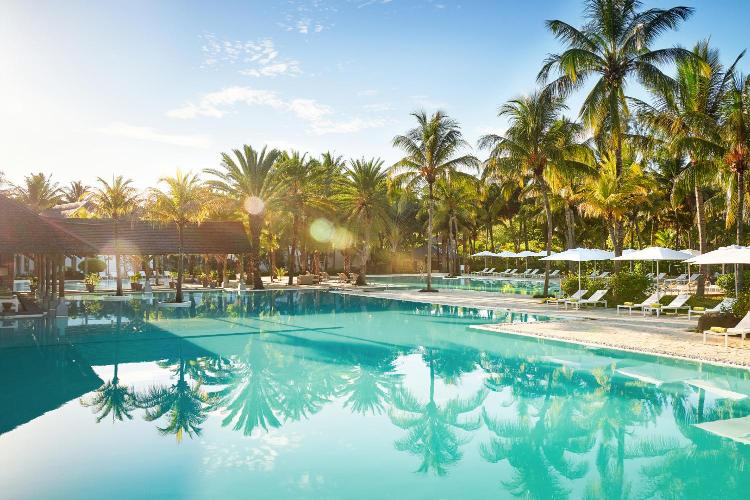
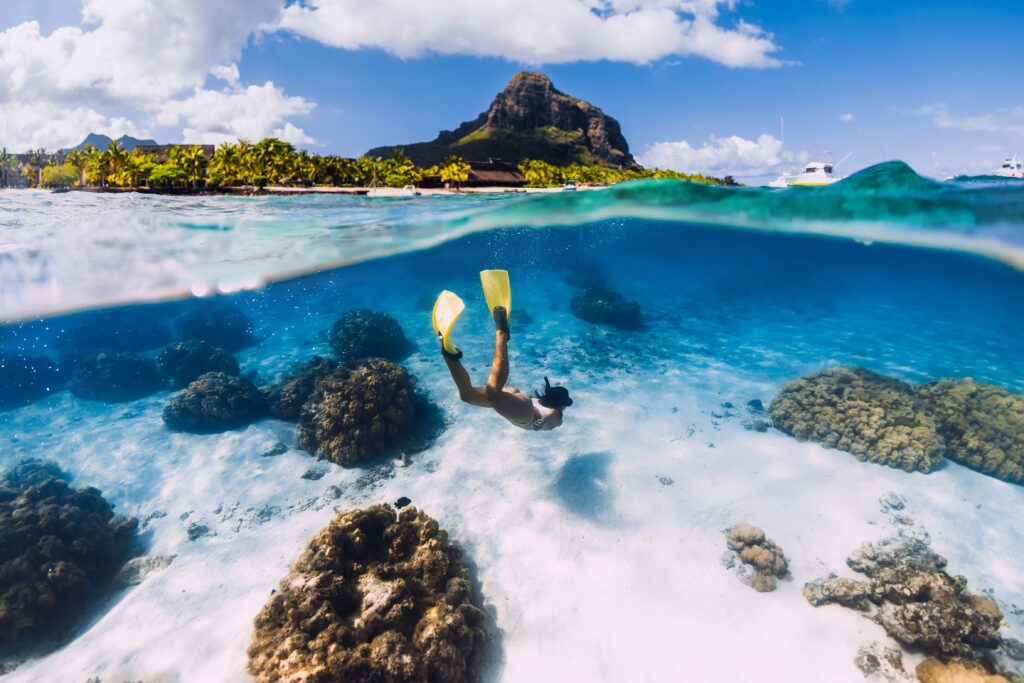
January to March – Best Time for Scuba Diving and Deep Sea Fishing
For families drawn to the vibrant coral reefs and diverse marine life of Mauritius, January to March is the best time of year to visit Mauritius.
Although the island experiences higher rainfall and occasional cyclones, the warm sea temperatures create ideal conditions for spotting incredible marine life with crystal-clear underwater visibility. Kids and parents alike can marvel at the colourful corals, spot elusive sea turtles and swim with dolphins in the shallow waters.
Fishing enthusiasts will find this season equally rewarding, as the peak season for deep-sea fishing extends from October to April, offering calmer seas and frequent opportunities to catch marlin, tuna, and other impressive game fish—a memorable adventure for older kids or teens ready for an exhilarating day on the water.
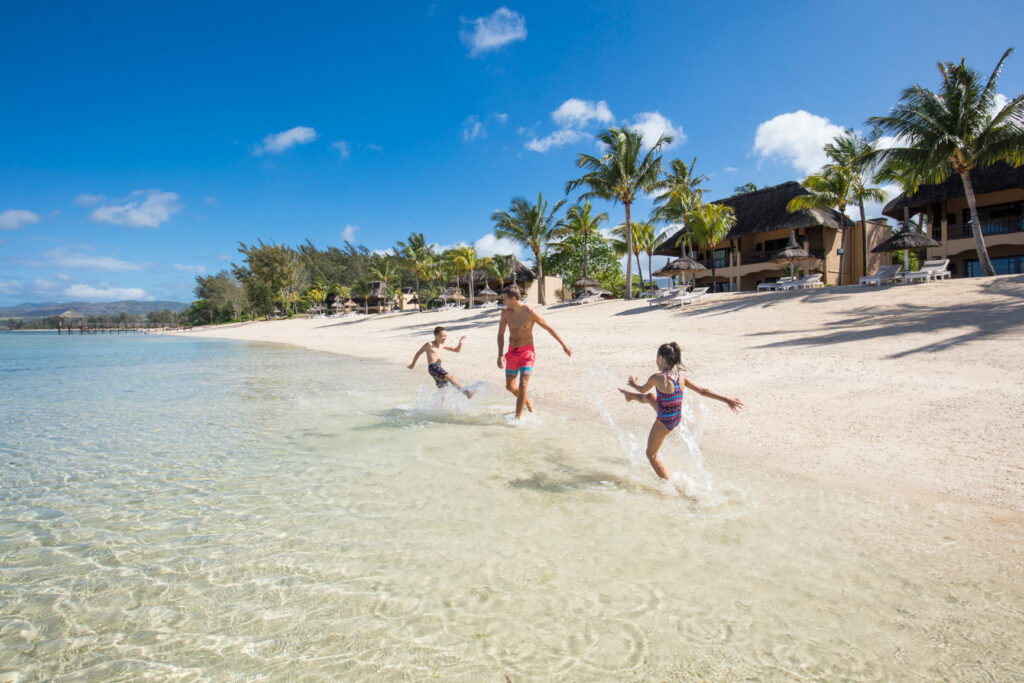
April and May – Top Months for Beach Holidays
As summer’s intensity fades, April and May are some of the best months to travel to Mauritius for family beach escapes.
In April, the sea remains invitingly warm from the summer, and showers become more infrequent, creating a perfect blend of sunny days with gentle breezes. By May, days are bright and sunny, while evenings bring a refreshing drop in the temperature – remember to pack a light jumper for dinner!
The transition to cooler, dry weather means families can both avoid peak-season prices and enjoy all-day beach adventures on a pleasantly mild temperature. From sandcastle building to family swims, these months are one of the most family-friendly times to travel to Mauritius.
June, July and August – Best Time for Watersports and Surfing
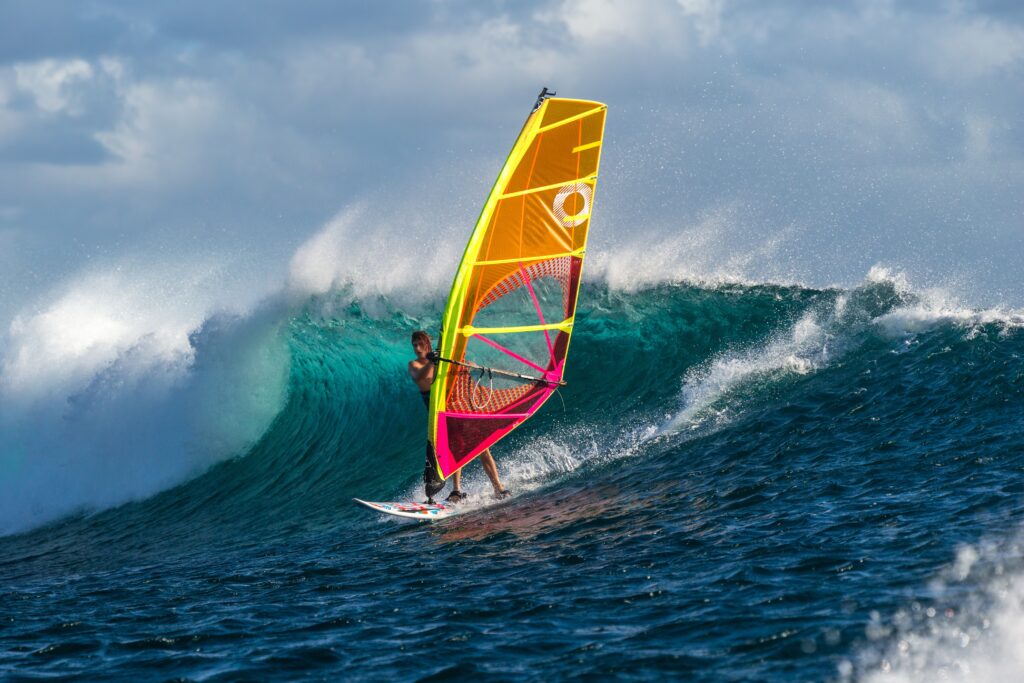
For adventure-seeking families, June to August is a great time of year for a Mauritius holiday as seasonal trade winds create ideal conditions for watersports.
During this time, consistent breezes are perfect for kitesurfing, windsurfing, and sailing—activities sure to excite kids and drag teens away from their phones. Surfing enthusiasts will find steady waves along the eastern and southern coasts, while families looking for relaxation can enjoy the more sheltered northern and western coastlines.
Additionally, with comfortably cool temperatures averaging in the mid-20s, June to August is one of the best times of year to travel to Mauritius for families to fully embrace the island’s activities without feeling overwhelmed by the heat.
September, October and December – Best time to travel to Mauritius for a Family Holiday
September to December is the best time to travel to Mauritius for family holidays, with weather transitioning into the dry season and temperatures warming up.
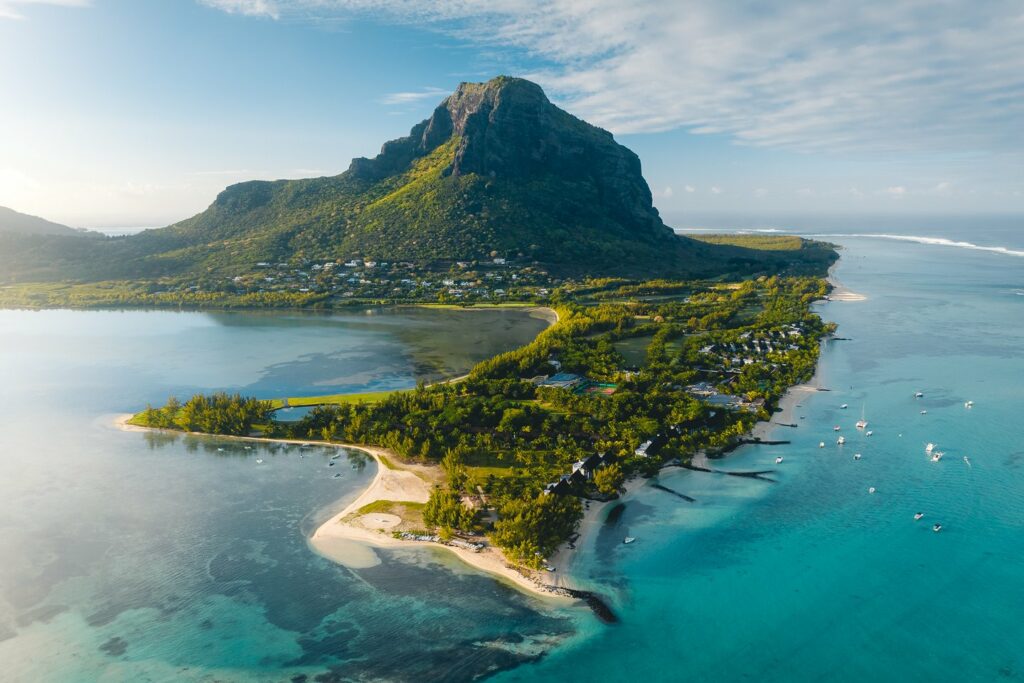
September is one of the driest months, with the long mild days ideal for exploring one of Mauritius’ many nature reserves or climbing the striking Le Morne Brabant mountain on the southern Coast.
October, the driest month, offers comfortably warm days with average highs around 25°C—perfect for families seeking a mix of sun and warm temperatures. However, do note that this month can get busy, coinciding with Diwali and the October half-term, so early bookings are advised.
By November, temperatures and humidity begin to increase, heralding the return of summer, but most days stay warm and clear—great for a blend of beach and nature activities that families can enjoy together. Whether it’s spotting wildlife, hiking, or taking a family beach day, this period is ideal for an active family getaway in Mauritius.
Summary
Mauritius is a remarkable year-round destination for family holidays. Whether you are seeking winter sun, a relaxing beach retreat, or an adventure-filled itinerary of watersports and surfing, there’s a perfect time for every family to visit this Indian Ocean gem.
From January to March, explore Mauritius’ vibrant marine life with scuba diving and deep-sea fishing. April and May bring warm, breezy beach days, perfect for family-friendly relaxation. For a mix of sun, adventure, and local culture, September to December is ideal, with mild, dry weather suited to everything from beach days to hikes through nature reserves.
Dreaming of going on a luxury family holiday to Mauritius? Explore our exquisite selection of itineraries and elegant resorts, nestled along the island’s pristine white beaches and lush coastlines. Contact us now to begin planning your exclusive family holiday.
Some images used in this blog are the property of our partners. Please contact us for more details.
The Best Family Hotels in Mauritius
Mauritius is the ultimate destination for luxury family holidays, offering some of the Indian Ocean’s most beautiful beaches, thrilling watersports, and rich cultural experiences.
From the exclusive beachfront resorts of Belle Mare to the vibrant family-friendly hotels on the Northern Coast, there are a huge range of luxury family hotels to choose from across the four stunning coasts of Mauritius.
To help you find the ideal hotel for your luxury Mauritius holiday, we’ve curated a list of the best family hotels in Mauritius. These accommodations are designed to cater to all ages, featuring upscale amenities and world-class dining as well as large Kids Clubs and activities tailored for children.
Verandah Grand Baie – Best Value Resort
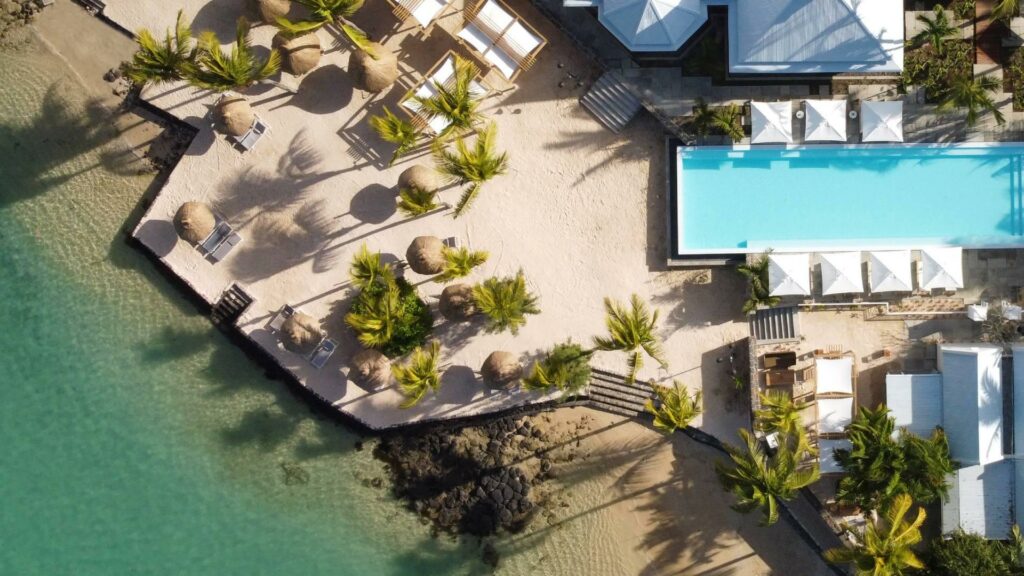
Verandah Grand Baie is one of the best family hotels in Mauritius offering excellent value for money. Nestled in the lively village of Grand Baie, this laid-back four-star resort offers stunning views of the lagoon and a private beach, creating a perfect setting for long, sun-soaked days by the water. Spacious self-catering apartments provide flexibility for families, especially larger groups which want the freedom to explore local restaurants or simply plan their own schedule — a great alternative to the island’s more typical all-inclusive options.
Families can enjoy a range of activities tailored for children, including complimentary water sports like kayaking and stand-up paddleboarding in the safe environment of the sheltered lagoon. For a more relaxed day, guests can embark on a catamaran snorkelling tour, or engage in archery and bike tours to nearby Creole villages.
Paradis Beachcomber – Best Family Hotel in Mauritius for Active Families
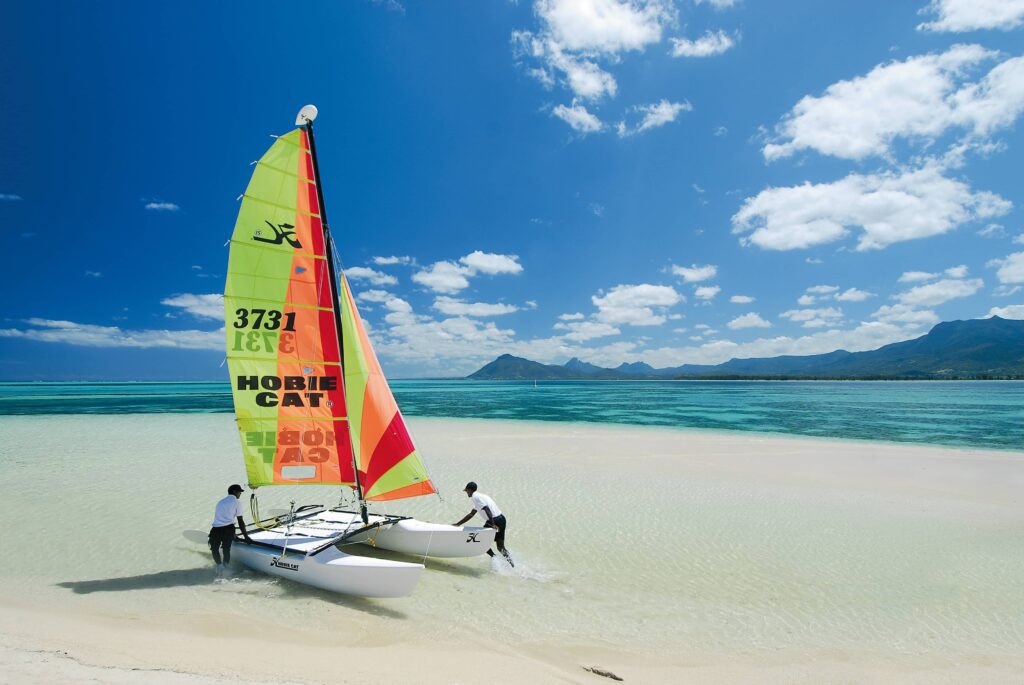
Nestled on the scenic Le Morne Peninsula, Paradis Beachcomber has earned its place among the top family hotels in Mauritius for active families. With over three miles of pristine beach to explore and one of the island’s best range of land and sea activities, the Paradis Beachcomber is a paradise for energetic families. Kids will love the dedicated kids’ club, featuring engaging activities like mini-golf, crab hunting, and lagoon fishing, while teens can enjoy snorkelling and windsurfing as well as tennis lessons on the resort’s six floodlit courts. While the children are entertained, adults can unwind on the championship 18-hole golf course or explore the rugged trails of Le Morne Mountain and Bel Ombre Nature Reserve.
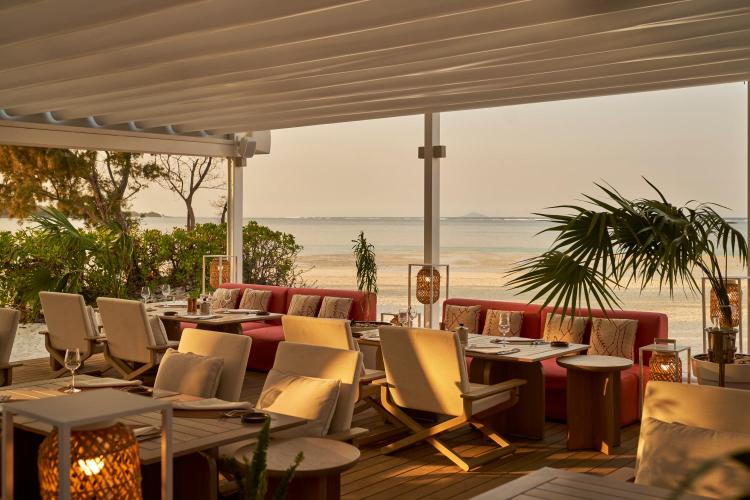
Lux* Belle Mare Plage – Best All-Inclusive Resort
Lux* Belle Mare is one of the best all-inclusive resorts in Mauritius. This family-friendly haven features spacious beach hut-style suites and villas, perfect for accommodating larger families. The all-inclusive package covers everything from gourmet dining options—including an adorable child-height buffet at the main restaurant Mondo —to a range of water sports for families such as kayaking and paddleboarding. With one of the island’s largest swimming pools, along with an all-day ice cream parlour and outdoor cinema, there’s no shortage of activities for children. The large Kids Club also offers engaging experiences like gelato making and crafts, while older kids can enjoy their own space at Studio 17, complete with gaming consoles and volleyball.
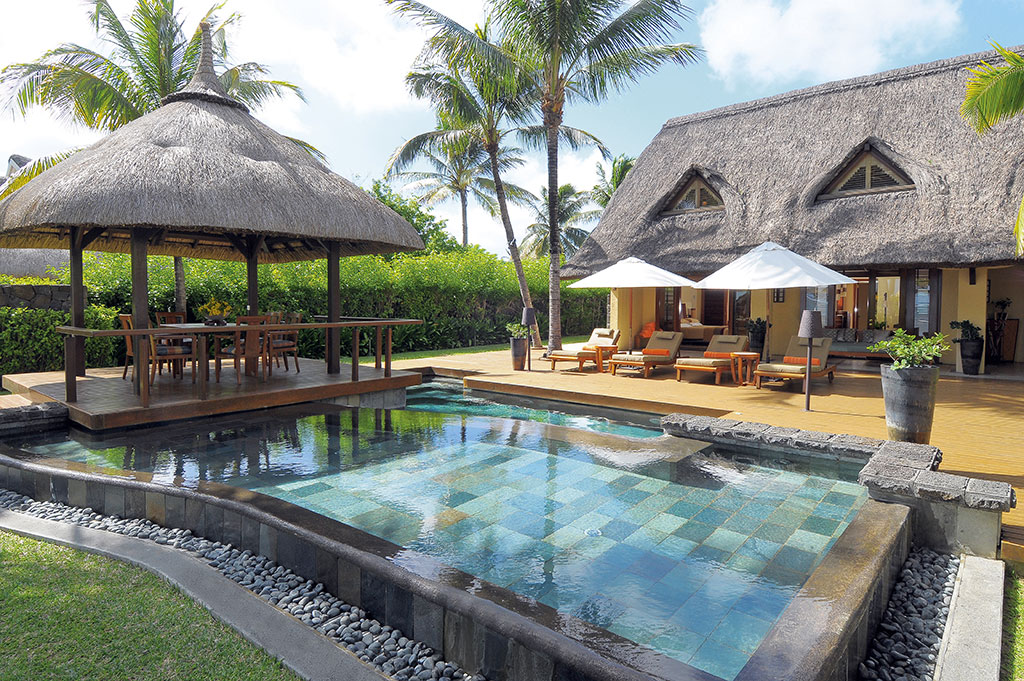
Constance Belle Mare Plage – Best Private Villas
Awarded the title of Mauritius’ Leading Family Resort 2024 by the World Travel Awards, Constance Belle Mare Plage is the epitome of luxury family hotels in Mauritius. The resort boasts a fantastic Kid’s Club, where children can participate in engaging activities, from arts and crafts workshops to a unique ‘feel like a team member’ day, complete with name badges and mini uniforms! The large beachfront villas, which come with up to five bedrooms and have private pools, large courtyards and personalised villa master service, are some of the best on the island and are our pick for larger family groups.
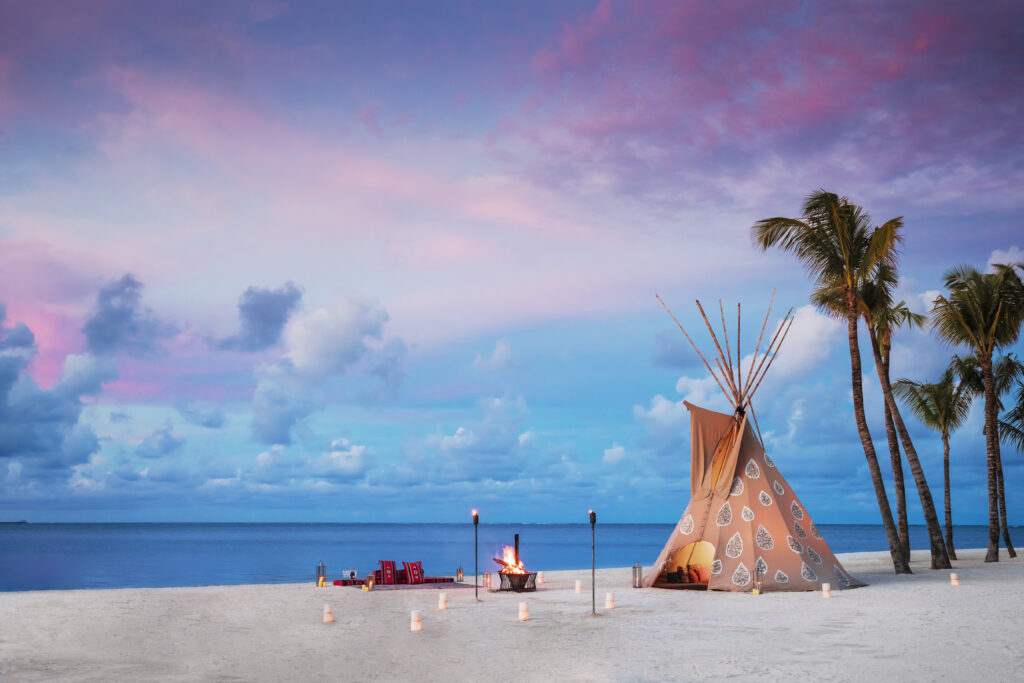
One&Only Le Saint Géran – Best Luxury Resort
For families looking for a more exclusive family holiday, One&Only Le Saint Géran is one of the best luxury hotels in Mauritius. Set on its own 60-acre private peninsula, Le Saint Géran seamlessly delivers the world-class amenities and serene atmosphere of a top five-star hotel alongside thoughtful experiences crafted specifically for families. Spacious two and three-bedroomed suites boast private cabanas on the beach and offer families the perfect secluded spot to enjoy some bonding time. The KidsOnly day camp offers another exciting hub for younger guests, with organised treasure hunts, beach bonfires, and table tennis tournaments, while older teens can partake in activities like karaoke and tennis lessons. With its thoughtful, family-centred amenities and luxurious atmosphere, Le Saint Géran stands out as one of the top hotels in Mauritius for families.

Conclusion
Mauritius offers an incredible array of options for families looking for the top hotels in Mauritius. Whether you prioritise exceptional value, all-inclusive packages, luxury amenities, or activities to keep the little ones happy, one of these hotels will meet your needs. From kids’ clubs to adventurous water sports, you’re sure to find the perfect backdrop for a memorable family holiday. Contact us today to start planning an unforgettable family getaway and experience all the magic Mauritius has to offer!
Dreaming of going on a luxury trip to Mauritius? See our magnificent selection of plush accommodations, strategically situated near the country’s most sought-after marine environments and reserves. Contact us now to begin planning your adventure.
Some images used in this blog are the property of our partners. Please contact us for more details.
Why Maldives Family Holidays are Perfect for Your Next Getaway
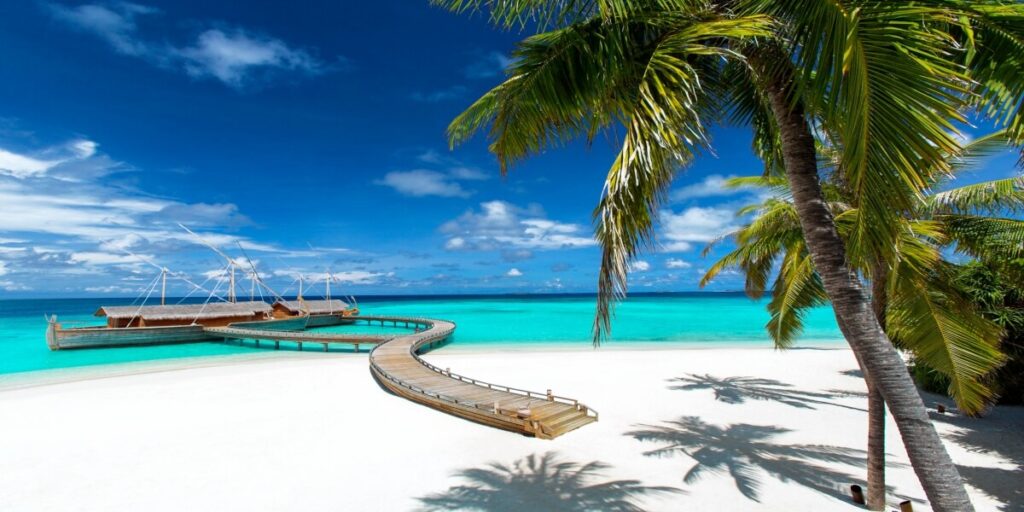
The Maldives, with its postcard-perfect islands, pristine beaches, and crystal-clear waters, is often seen as a romantic getaway for couples. However, this tropical paradise is equally ideal for families seeking a luxury and memorable holiday experience. Here’s why the Maldives should be on every family’s travel bucket list.
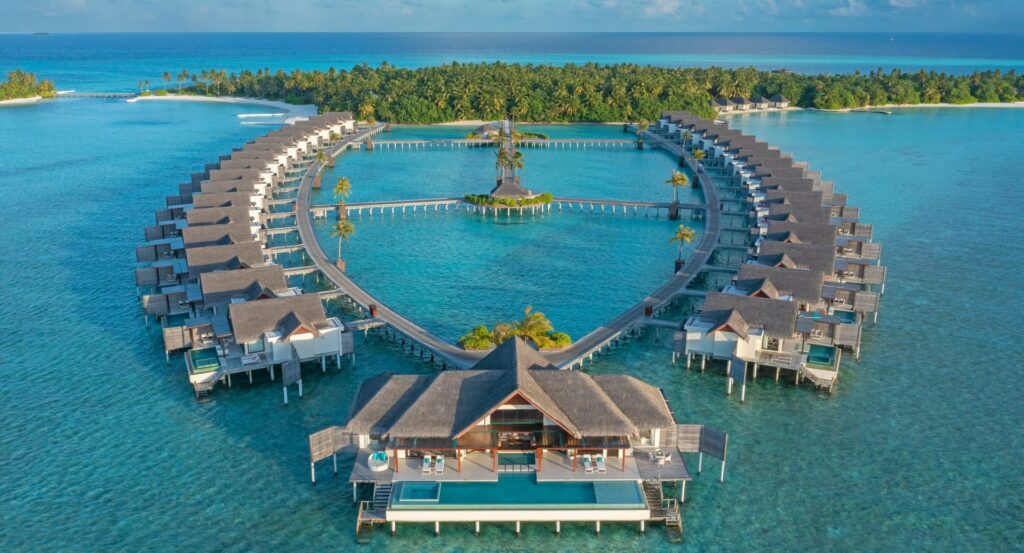
1. Kid-Friendly Resorts
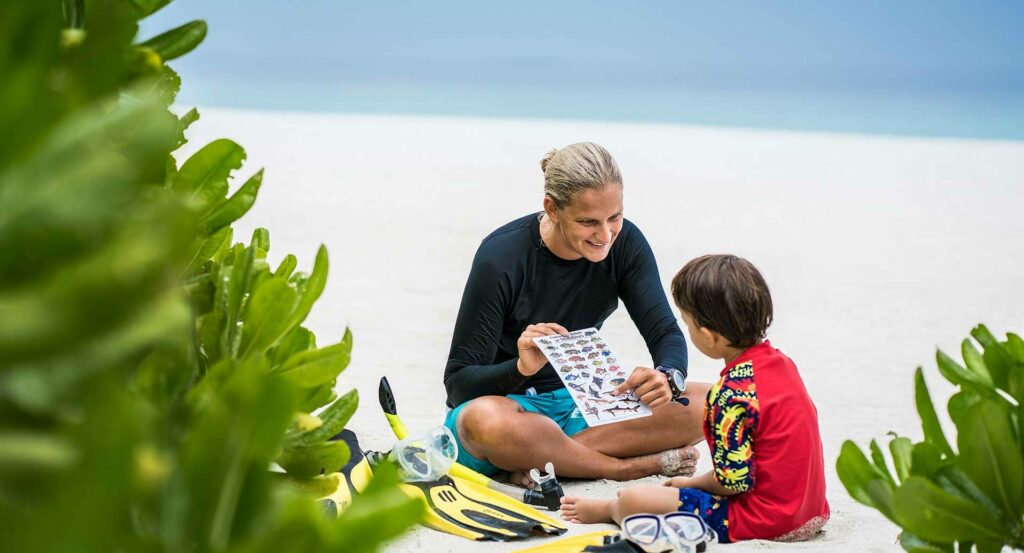
The Maldives boasts a diverse range of kid-friendly resorts. Many of the luxury resorts scattered across the islands cater specifically to families, offering spacious family villas, child-friendly amenities, and activities designed for younger guests.
Resorts such as Hilton Amingiri, Colours of Oblu Sangeli and the Four Seasons Kuda Huraa have dedicated kids’ clubs where children can engage in fun and educational activities, from arts and crafts to marine exploration. This allows parents to enjoy some well-deserved relaxation, knowing their children are safe and entertained.
2. Safe and Secluded Environment
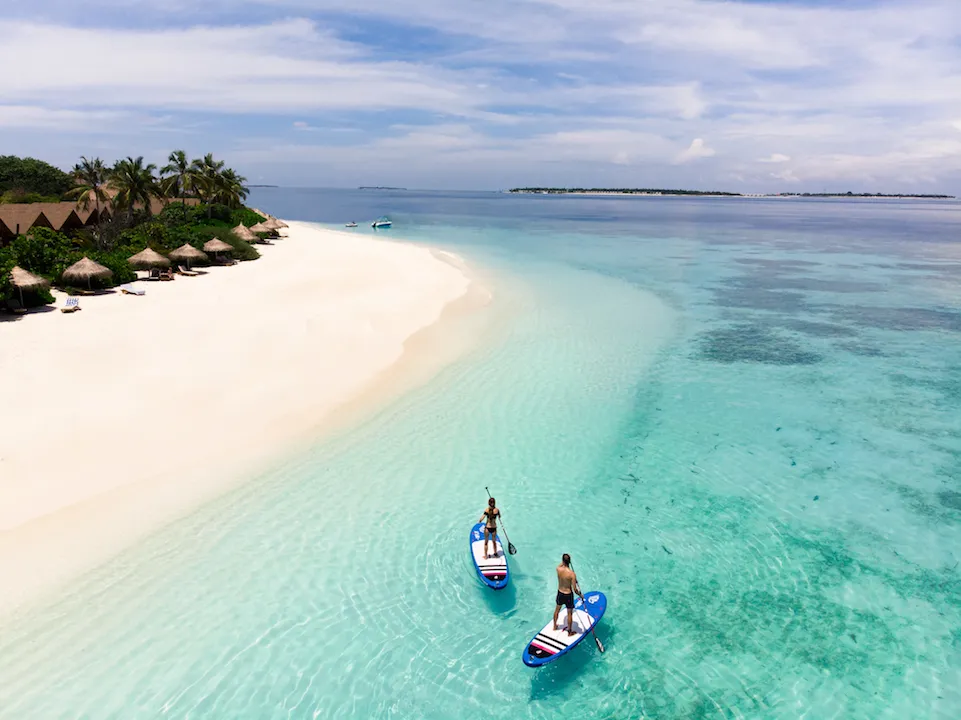
The Maldives’ unique geography, with each resort typically occupying its own private island, offers a safe and secure environment for families. The seclusion means minimal tourist traffic, allowing children to roam and explore freely. Additionally, the clear, shallow lagoons that surround many of the islands are perfect for young swimmers, providing a supervised space to enjoy the water without strong currents.
3. Exciting Activities for All Ages
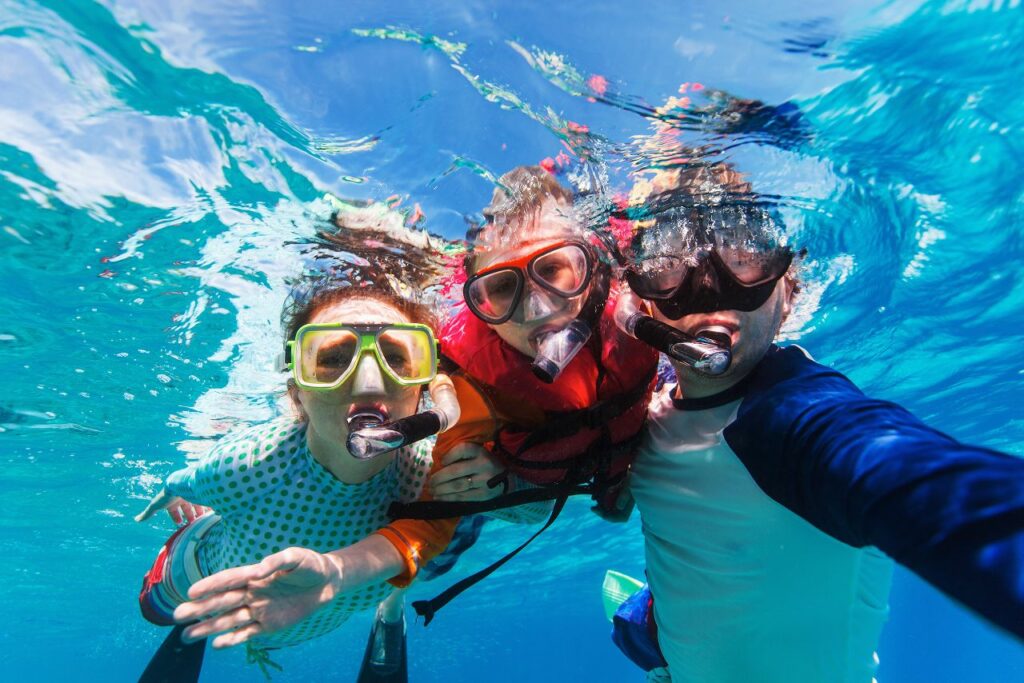
The Maldives is not just about lounging on the beach; it’s a destination brimming with family-oriented activities. Snorkelling is a must, with the Maldives’ vibrant coral reefs teeming with marine life such as colourful fish, sea turtles, and even manta rays. Many resorts, such as the Waldorf Astoria at Ithafushi, offer snorkelling excursions specifically designed for children, ensuring they can experience the underwater wonders in a safe and enjoyable manner.
For families with older children, there are opportunities for more adventurous activities like dolphin watching, fishing trips, and even introductory scuba diving courses. Many resorts also offer educational activities focused on the marine environment, such as marine biology lessons and guided reef tours. These experiences provide children with a deeper understanding of the ocean’s ecosystems, fostering a sense of wonder and responsibility toward marine conservation that will stick with them for life.
4. Cultural and Culinary Experiences
A family holiday in the Maldives is also a chance to experience a rich cultural heritage. Families can visit local islands to witness Maldivian daily life, try traditional foods, and enjoy folk music and dance performances. Engaging with the local culture provides children with a broader understanding of the world, making the holiday both fun and educational. Cora Cora Maldives, for example, offers a unique cultural experience with the Maldives Museum, showcasing the island’s rich history.
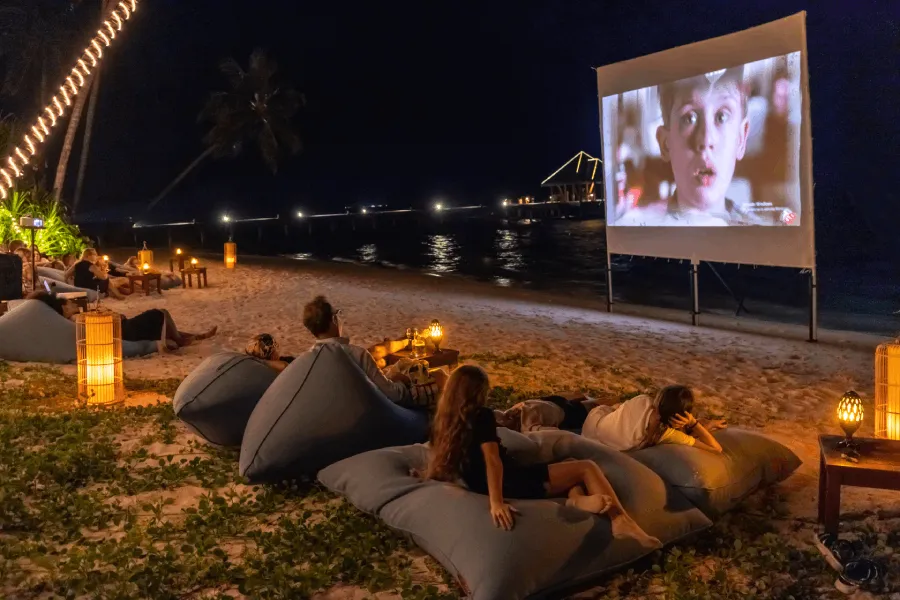
The culinary offerings at Maldivian resorts are also a highlight for families. Most resorts have multiple restaurants, offering everything from international cuisine to local Maldivian dishes. Special kids’ menus are common, ensuring even the pickiest eaters are catered for. For a unique dining experience, many resorts offer private beach dinners, where families can enjoy a meal under the stars, creating lasting memories.
5. Flexibility and Convenience
Traveling to the Maldives with family is surprisingly convenient. Most resorts offer all-inclusive packages, taking the stress out of planning and budgeting. These packages often include meals, activities, and even childcare services, making it easier for families to focus on enjoying their time together. The close proximity of many resorts to the Malé International Airport also means that after a short flight, families can quickly reach their destination, minimizing travel fatigue.
One of the biggest advantages of choosing the Maldives for your family holiday is the convenience of direct flights from the UK as well as no visa requirement. Several airlines, including British Airways and Virgin Atlantic, offer direct flights from London to Malé International Airport, making it easier than ever to reach this tropical paradise. With a flight time of around 10 to 11 hours, you can leave the UK in the evening and wake up in the Maldives, ready to start your family adventure without the hassle of layovers.
Summary
A family holiday in the Maldives is more than just a beach escape; it’s an opportunity to bond, explore, and create cherished memories together. With its family-friendly resorts, safe environment, and diverse range of activities, the Maldives offers something for every member of the family, making it a perfect holiday destination for all ages. Whether building sandcastles, snorkelling with vibrant marine life, or simply relaxing in a hammock with a good book, the Maldives provides the ideal backdrop for an unforgettable family adventure.
Dreaming of going on a luxury trip to the Maldives? See our magnificent selection of plush accommodations, strategically situated near the country’s most sought-after marine environments and reserves. Contact us now to begin planning your adventure.
Some images used in this blog are the property of our partners. Please contact us for more details.
When Is the Best Time to Go on a Safari in Kenya?
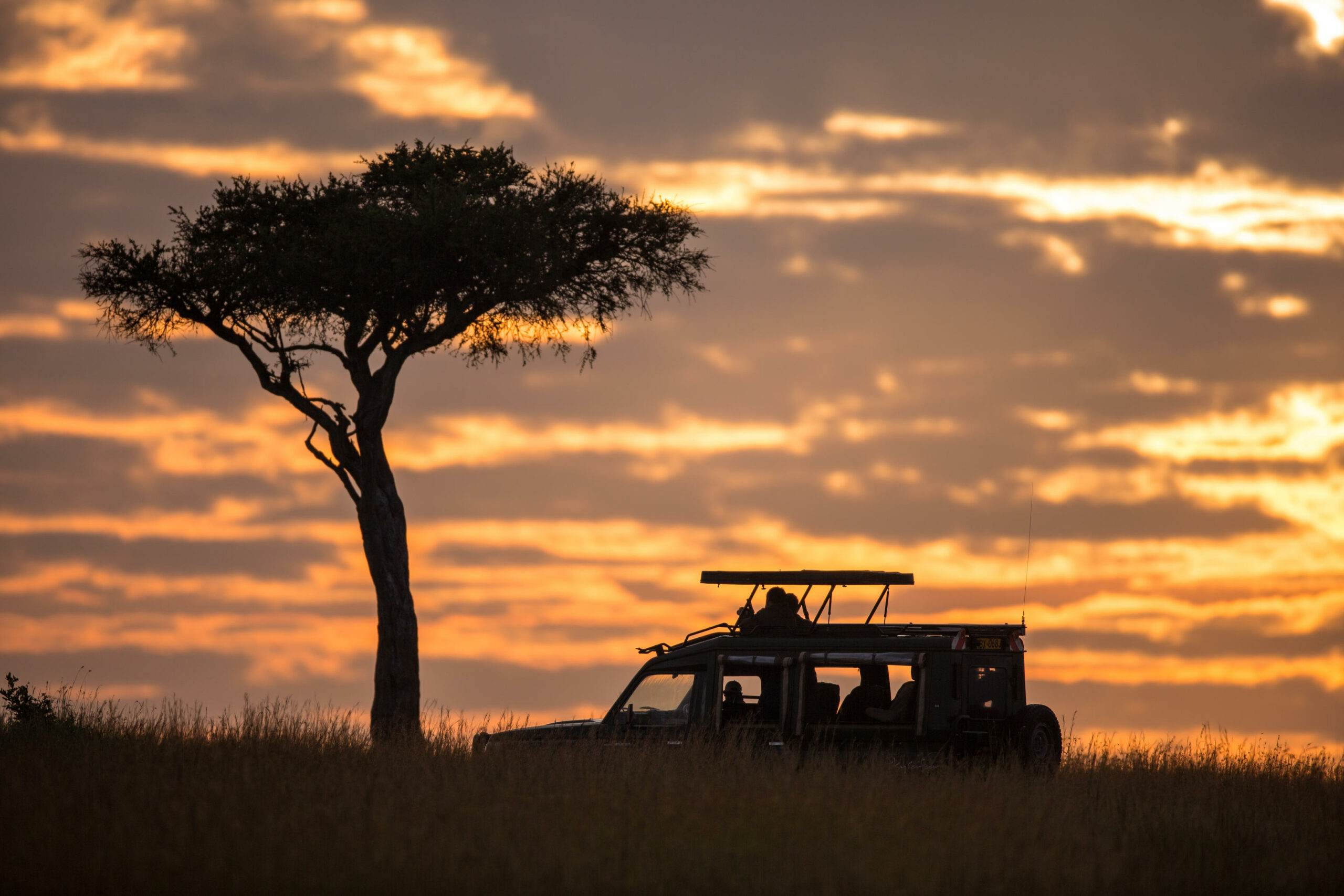
Kenya is a spectacular safari destination. The country is home to 54 national parks and reserves, each of which is teeming with extraordinary animal species, from lions to antelopes and buffalos to elephants.
As such a sought-after wildlife destination, many wonder when the best time of year to go on a safari in Kenya is. There is no definitive “wrong” time for an animal-spotting adventure in this East African paradise. However, it is worth noting that different months offer unique safari experiences. In this article, we share all you need to know to determine when is the best time to go to Kenya on safari for you.
When is the Best To Go On Safari in Kenya
January
Those going on Kenya safari tours in January can expect the weather to be hot and dry, with average temperatures of 24°C during the day. The lack of rainfall during this period of the year makes it an excellent time for outdoor wildlife adventures, such as walking and driving tours.
Falling under the country’s low season, those visiting Kenya in January will be able to enjoy lower prices and less crowded parks. This is especially true for those looking to visit the Masai Mara, as most tourists visit here between July and August to catch the Big Migration.
Many see January as one of the best times to go on safari in Kenya. The minimal rainfall results in scarce water sources, prompting animals to gather around the few available. This makes them much easier to spot. Additionally, the sparse vegetation during this month provides uninterrupted views of the wildlife.
February
February, remaining within the dry season, is also often hailed as the best time to go on safari in Kenya. Showers continue to be rare, meaning that animals remain easily visible near water sources and within the sparse landscape.
What’s more, the lack of rainfall offers the additional benefit of minimising muddy terrain, making it all the easier to explore the parks and reserves. Weather-wise, conditions remain hot and dry, with highs of 28ºC and lows of 13ºC.
Those planning a visit during this period should ensure to pack sufficient high-SPF sun protection and a broad-brimmed hat to shield themselves from the intense heat.
March
As we move into March, Kenya transitions into its long rainy season. While some tourists may avoid this period, assuming that it’s not the best time to go to Kenya on safari, there are unique advantages for those who choose to visit during this month.
March is a relatively quiet season for many of the parks and reserves. With fewer visitors, you can explore the landscape and encounter wildlife in a more peaceful and tranquil environment. Additionally, prices tend to drop during this time of year.
Another thing to note is that, while March marks the start of the rainy season, the showers tend to only arrive towards the end of the month. This means that for the majority of this period, you can enjoy all the benefits of visiting Kenya in March without any significant weather concerns.
April
In April, Kenya reaches the peak of its wet season, resulting in the closure of some camps and roads due to the risk of floods. Consequently, it is not typically considered the best time to go on safari in Kenya. However, there is something special about visiting during this period.
The wet weather transforms the country’s parks and reserves into lush, green oases. If you choose to visit certain areas in April, you’ll be treated to spectacular displays of nature, with unique plant life thriving across once-dry regions and rivers flowing vigorously.
When searching for a safari lodge in Kenya during this month, it’s advisable to book as early as possible. With fewer options available during this time of year, spaces can fill up quickly.
May
May is another interesting time to go on a Kenya safari holiday. Still falling under the rainy season, the country’s landscapes are rich with flourishing vegetation. This makes for beautiful natural scenery. However, the abundance of thick plant life can make it slightly more challenging to spot animals.
In saying that, the light and colours provide exceptional photography opportunities. Similar to April, some safari camps and lodges in Kenya close in early May. However, toward the end of the month, as the landscapes begin to dry out, they start to reopen.
As these camps and lodges welcome visitors again, prices generally stay lower than during other periods of the year.
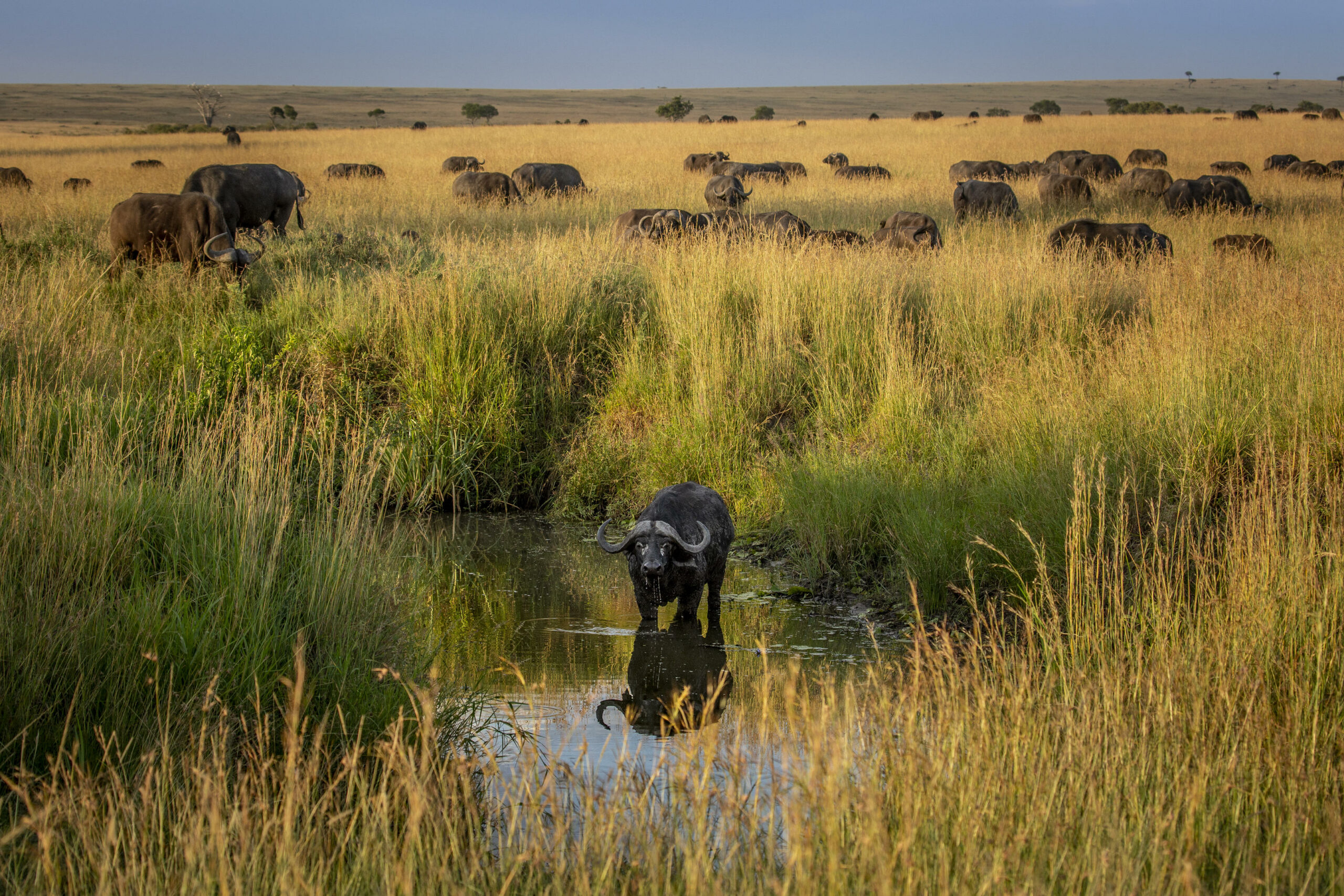
June
When people ask what is the best time to go on safari in Kenya, June often emerges as the top recommendation. The landscapes remain breathtakingly green, temperatures are slightly cooler and the rains begin to subside.
June falls under the country’s shoulder season, meaning the parks are quieter and more peaceful than during the peak tourist periods. One thing to note is that the herbivore animals can be more difficult to spot in June compared to the following months.
This is because the abundance of pasture and water disperses them, meaning they are less concentrated in certain areas and more scattered throughout the landscapes. The main advantage of going on a safari in Kenya in June is that this is when the wildebeest wildebeests begin to mass. Spotting the herds by the Kenya-Tanzania border is an incredible sight to behold.
July
July is also often hailed as the best time for a safari in Kenya. During this month, visitors can enjoy reduced rainfall and pleasant temperatures while also catching the start of the Great Migration. This awe-inspiring event sees wildebeests thundering across the plains of the Masai Mara and making dramatic river crossings, creating a magnificent spectacle.
One drawback of taking a safari in Kenya in July is that it falls within the park’s peak tourist season. As a result, you tend to need to book lodges and camps well in advance due to high demand, and you may encounter larger crowds during your visit. However, the experience of witnessing the Great Migration, one of nature’s most extraordinary phenomena, often makes it all worthwhile.
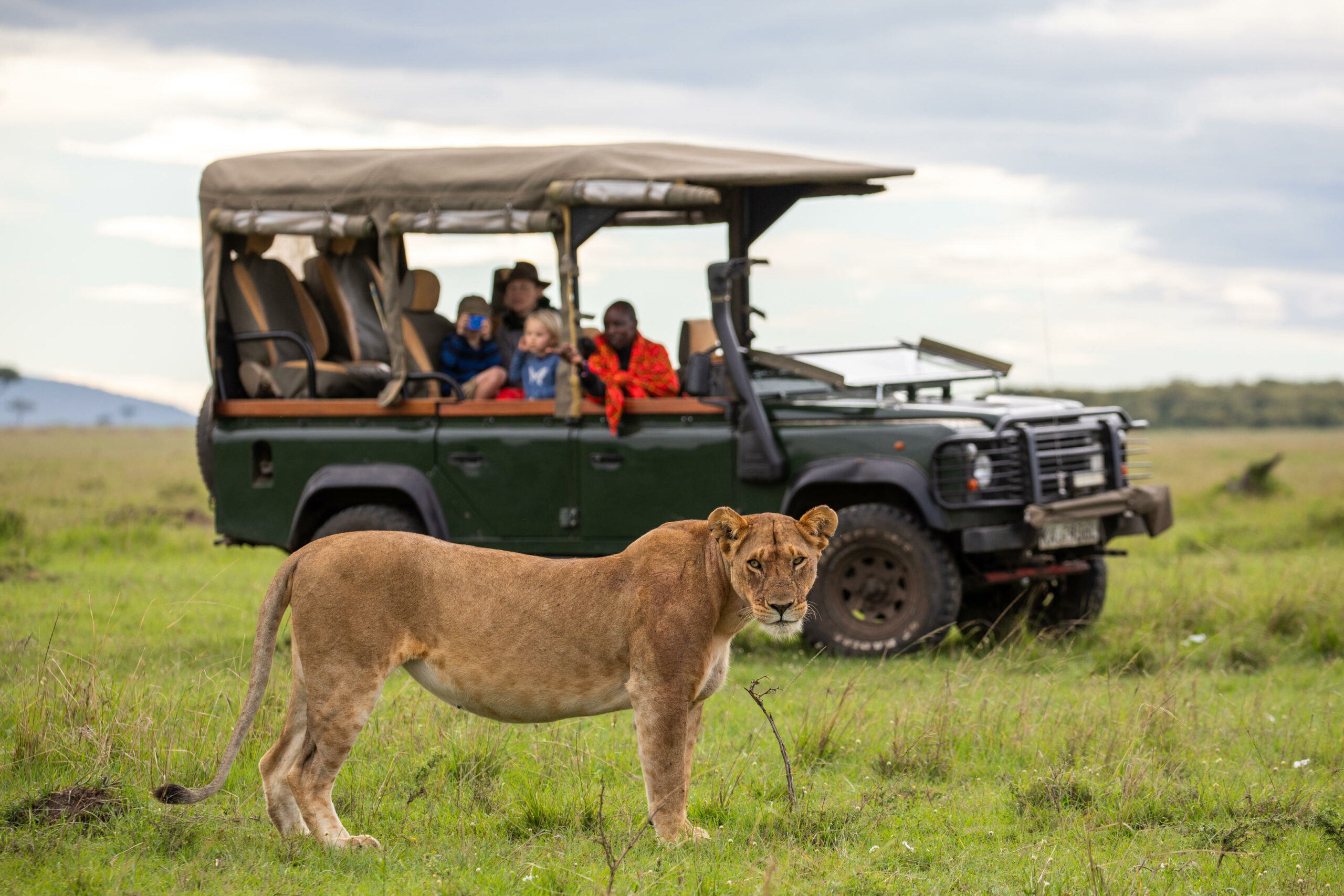
August
August is another wonderful time to go on a Kenya safari holiday. By this point, the Great Migration is in full swing. This means you will be able to witness thousands of wildebeests surging across the vast plains of the Masai Mara.
Still falling under the dry season, wildlife tends to gather around the limited water sources during this month, enhancing your chances of spotting a diverse range of magnificent creatures.
With so much to see in August, it comes as no surprise that it is often seen as the best time to go on a safari in Kenya. However, the wealth of benefits that come with visiting the country during this month have not gone unnoticed, making it one of the most popular tourist seasons.
September
Similar to July and August, September provides abundant opportunities for wildlife viewing. During this period, visitors can still witness one of the world’s greatest natural spectacles—the Great Migration of wildebeests.
The hot, dry weather prevails in September. In fact, there is typically very little to no rainfall. Consequently, the plains have minimal vegetation. The lack of foliage makes it very easy to spot wildlife.
Another advantage of visiting during this month is that it falls outside of the school holidays, resulting in fewer fellow tourists. The combination of rich wildlife viewing opportunities and the peacefulness of the plains leaves it no wonder why September is often considered the best time for a safari in Kenya, particularly for those not restricted to travelling during school holidays.
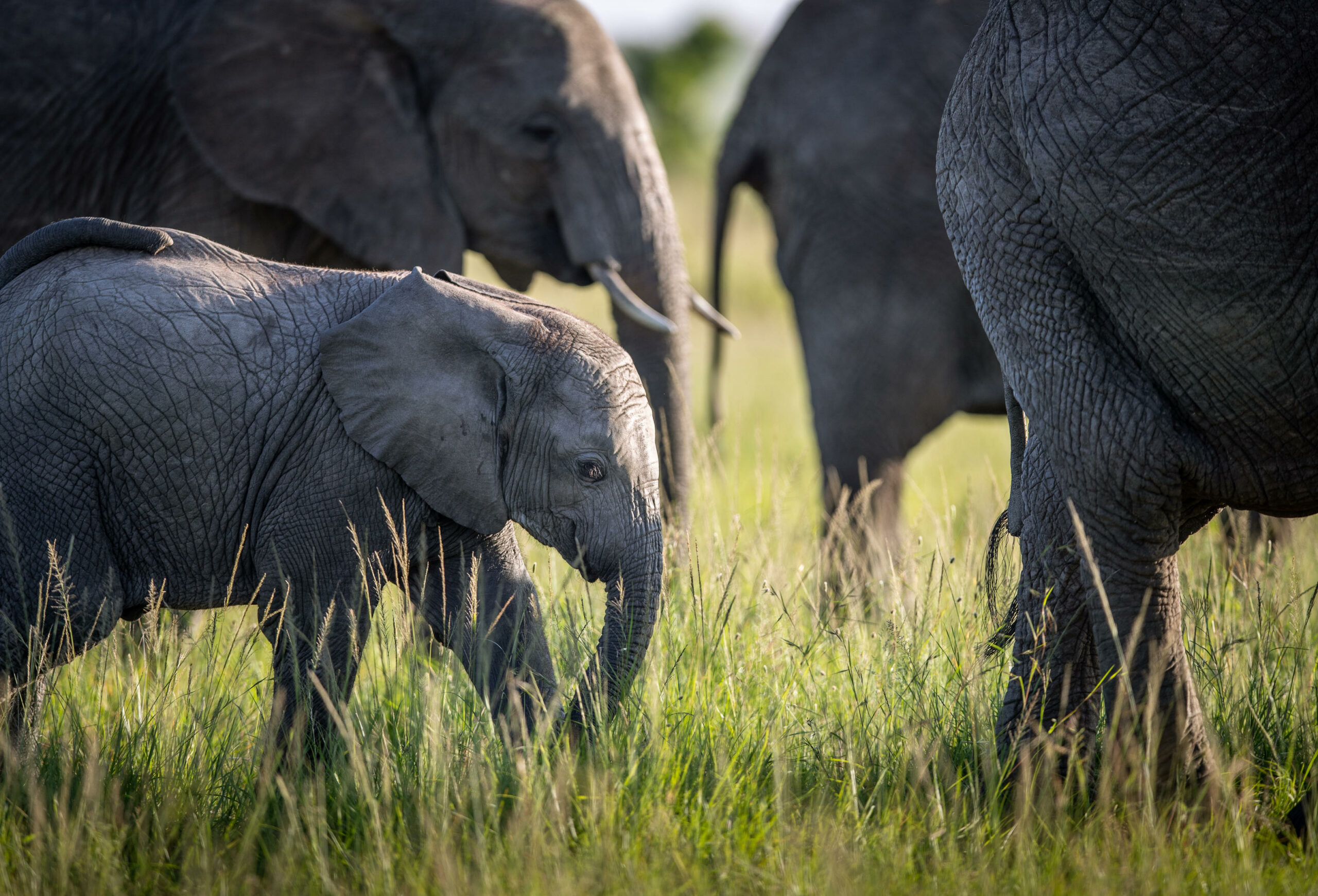
October
The wildebeests can still be seen throughout the plains up until the middle of October, making this another great month for wildlife viewing. Also falling under the dry season, the African bush remains thin at this time of year, making it easy to spot many of the landscapes’ incredible creatures.
By October, most tourists have already left Kenya, providing an opportunity to experience the plains in a quieter and more peaceful environment. While occasional showers may occur as the rainy season approaches, the overall tranquillity of this period promises an enchanting experience.
In general, the weather stays warm and dry in October, with average temperatures around 20°C.
November
November marks the beginning of Kenya’s short rainy season, bringing increased rainfall and a surge in vegetation across the landscape. While this flourishing plant life creates stunning natural scenery, it can also make wildlife tracking more challenging.
The lush vegetation brings an abundance of food sources which cause the animals to spread more widely throughout the parks and reserves. This dispersion makes them more challenging to spot. It can also be quite difficult to discern the creatures amidst the dense plant life.
However, if you prioritise having fewer fellow visitors during your safari in Kenya, this may be an ideal time for you. You will also be able to enjoy lower prices and the arrival of migratory birds. What’s more, while this is the beginning of the short rainy season, the showers are rarely strong enough to cause any major disruptions to your plans.
December
Safari parks in Kenya are dazzlingly green in December. The rains bring plant life to flourish, transforming the landscapes into emerald utopias.
This season also sees an abundance of active migratory birdlife, with exotic avian creatures gracefully traversing the skies. You will also have the chance to see many baby animals, as many species give birth during this time of year, such as the antelopes.
For those embarking on a December safari in Kenya, other benefits include lower prices and smaller crowds, except during the Christmas holiday period which can be quite popular. Fortunately, the rainy season typically concludes by mid-month.
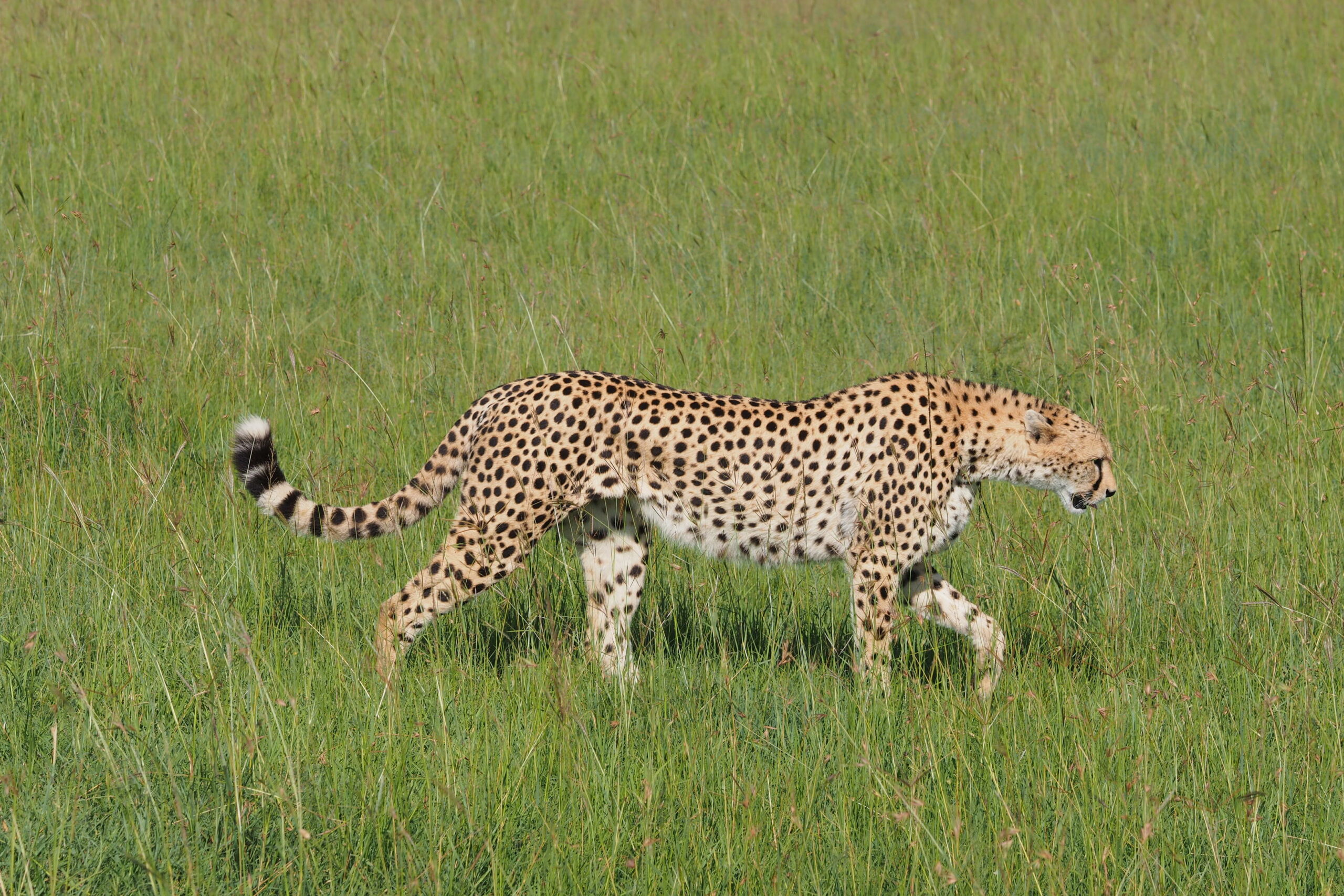
What Animals Do You See on a Safari in Kenya?
A safari in Kenya offers the opportunity to encounter a diverse range of wildlife. Some of the remarkable animals you can expect to see include:
- Big Cats – Kenya is renowned for its big cat populations, including lions, leopards and cheetahs. The Maasai Mara, in particular, is famous for its lion prides.
- Elephants – these gentle giants can be spotted in various national parks and reserves, such as Amboseli National Park and Tsavo National Park.
- Rhinoceros – both black and white rhinoceros can be seen in Kenya, especially in protected sanctuaries like the Ol Pejeta Conservancy.
- Zebras – these striking striped animals are numerous in Kenya and are often seen grazing alongside wildebeests.
- Wildebeests – known for their spectacular Great Migration, wildebeests are a highlight of the Maasai Mara’s wildlife scene.
- Hippos – lakes and rivers in Kenya are home to large populations of hippos, and you can often see them lounging in the water.
Summary
A glorious untamed natural paradise, you cannot go wrong with a safari trip to Kenya. Each month of the year promises a unique and special experience, whether it’s witnessing the Great Migration, enjoying lush landscapes or encountering baby animals. No matter when you set off on a safari adventure in Kenya, prepare to be left in awe of the breathtaking landscapes and incredible wildlife species in this remarkable corner of the world.
Dreaming of going on a luxury safari in Kenya? See our magnificent selection of itineraries and plush accommodations, strategically situated near the country’s most sought-after wildlife parks and reserves. Contact us now to begin planning your safari adventure.
Some images used in this blog are the property of our partners. Please contact us for more details.